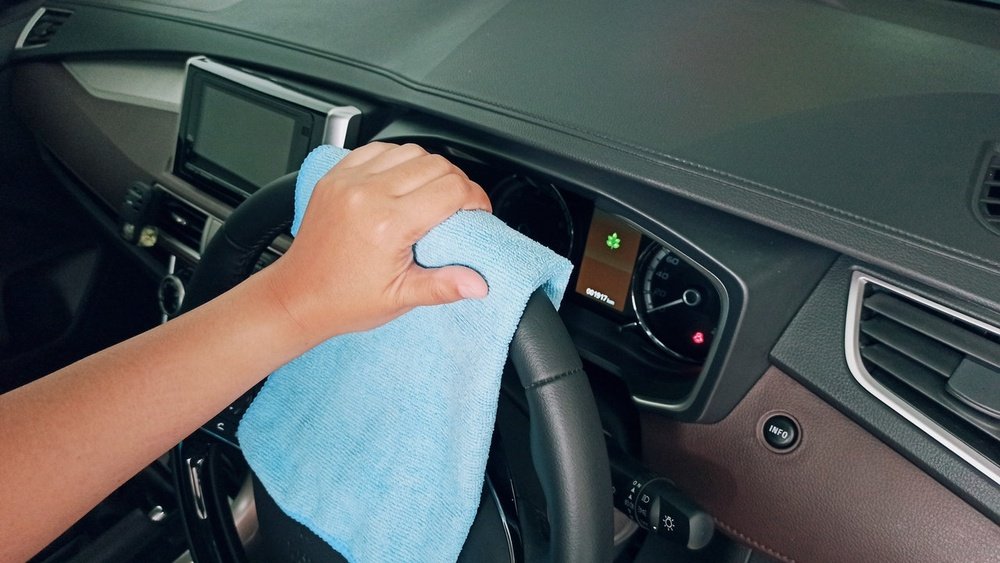
Is your leather steering wheel feeling sticky and uncomfortable to grip? That unpleasant tackiness not only ruins your driving experience but can also damage your steering wheel over time.
You don’t have to live with that sticky, grimy feel any longer. With the right approach, you can restore your leather steering wheel to its smooth, clean, and fresh state quickly and safely. In this guide, you’ll discover simple, effective steps to clean your sticky leather steering wheel without causing damage—so you can enjoy a comfortable, confident grip every time you get behind the wheel.
Keep reading to learn the secrets to a perfectly clean steering wheel that looks and feels like new.
Causes Of Sticky Leather
Sticky leather on a steering wheel feels unpleasant and can make driving uncomfortable. Understanding what causes this stickiness helps prevent damage and keeps leather smooth. Several factors lead to sticky leather surfaces, often related to materials and cleaning habits.
Natural Oils And Sweat
Hands produce natural oils and sweat throughout the day. These mix with dirt and settle on the leather. Over time, this creates a sticky, grimy layer that feels tacky to touch. Regular cleaning removes this buildup and stops stickiness.
Improper Cleaning Products
Using harsh soaps or cleaners not made for leather can harm the finish. Some cleaners leave a residue that feels sticky after drying. Avoid household detergents and choose products designed for leather care.
Heat And Sun Exposure
Sunlight and heat cause leather to dry and crack. Damaged leather often becomes sticky as its protective oils break down. Parking in shaded areas and using sunshades helps keep leather in good condition.
Leather Conditioner Overuse
Leather needs conditioning but too much product can leave a greasy film. This film traps dust and dirt, causing a sticky feel. Apply conditioner sparingly and wipe off excess to prevent buildup.
Environmental Contaminants
Dust, pollution, and airborne particles settle on the steering wheel. These contaminants mix with oils and conditioners, creating stickiness. Regular dusting and cleaning stop this mix from forming.

Credit: www.exclusivesteering.com
Essential Cleaning Tools
Cleaning a sticky leather steering wheel requires the right tools. Using proper cleaning tools ensures a gentle and effective clean. It protects the leather from damage and keeps it soft and smooth. Gather these essential items before you start.
Microfiber Cloths
Microfiber cloths are soft and non-abrasive. They help remove dirt without scratching the leather. Use them to wipe away dust and cleaning solution residue.
Leather Cleaner
Choose a cleaner made specifically for leather surfaces. It breaks down sticky grime without harming the leather’s finish. Avoid harsh chemicals like alcohol or bleach.
Soft-bristle Brush
A soft-bristle brush reaches into the leather’s pores. It loosens dirt trapped in textured areas. Use gentle, circular motions to avoid damaging the leather.
Leather Conditioner
After cleaning, apply leather conditioner. It restores moisture and flexibility to the leather. This prevents cracking and keeps the steering wheel smooth.
Spray Bottle
A spray bottle helps apply cleaner evenly. Light misting avoids soaking the leather. It also makes the cleaning process easier and more controlled.
Prepping The Steering Wheel
Prepping the steering wheel is the first step to clean sticky leather effectively. Proper preparation removes loose dirt and sets the stage for deeper cleaning. It also protects the leather from damage during the process.
Start by gathering the right tools and cleaning supplies. Using soft and gentle materials prevents scratches and wear on the leather surface. The goal is to prepare the wheel for thorough cleaning without causing harm.
Remove Loose Dirt And Dust
Use a soft microfiber cloth to wipe off dust and loose dirt. Gently rub the entire steering wheel surface. This step prevents dirt from spreading during cleaning. Avoid harsh scrubbing that can scratch the leather.
Choose The Right Cleaning Solution
Select a cleaner made specifically for leather or a mild soap diluted in water. Avoid using alcohol, acetone, or harsh chemicals. These can dry out and damage the leather. Test the cleaner on a small hidden area first.
Protect Surrounding Areas
Cover nearby dashboard parts with a cloth or tape. This prevents cleaner from dripping onto surfaces that could stain. Keeping the area protected makes the cleaning process easier and cleaner.
Basic Cleaning Steps
Cleaning a sticky leather steering wheel restores its smooth feel and appearance. Basic cleaning steps remove dirt and grime without damaging the leather. Follow simple methods to keep the leather soft and fresh. Use gentle products and tools made for leather care.
Applying Cleaner Safely
Choose a leather cleaner that is gentle and pH balanced. Spray the cleaner on a soft microfiber cloth, not directly on the steering wheel. This prevents excess moisture from soaking into the leather. Test the cleaner on a small, hidden area first. Wait a few minutes to check for color changes or damage.
Gentle Scrubbing Techniques
Use a soft-bristle brush or a clean microfiber cloth for scrubbing. Move in small, circular motions to lift dirt without harming the surface. Avoid scrubbing too hard to protect the leather’s finish. Focus on sticky or dirty spots but clean the entire wheel evenly. This keeps the leather looking uniform and well maintained.
Wiping And Drying
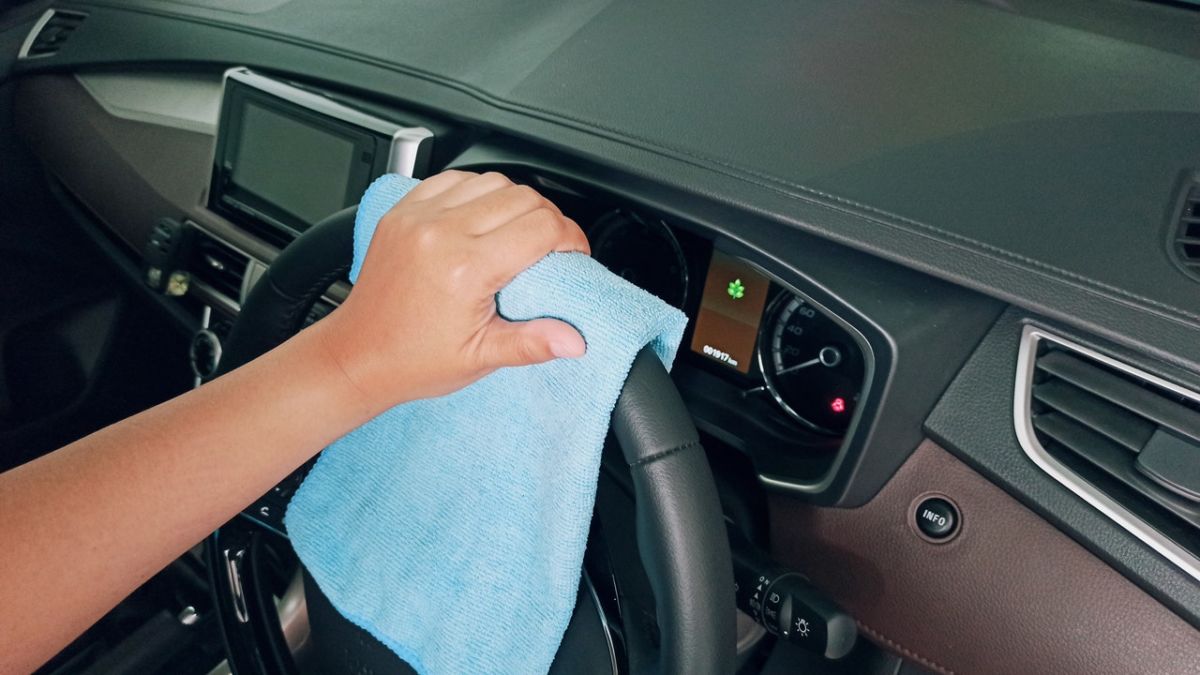
After scrubbing, wipe the steering wheel with a dry microfiber cloth. This removes leftover cleaner and lifted grime. Make sure to dry the leather completely to prevent moisture damage. Let the wheel air dry naturally before driving or applying any conditioner. Proper drying keeps leather supple and prevents stickiness from returning.
Handling Tough Stickiness
Sticky residue on a leather steering wheel can be stubborn and annoying. Basic cleaning might not remove this tough stickiness completely. This section covers effective methods to tackle the problem safely. Use these approaches to restore your steering wheel’s smooth feel and clean look.
Using Isopropyl Alcohol
Isopropyl alcohol can break down sticky buildup on leather surfaces. Use a solution with 70% alcohol for best results. Dampen a soft cloth lightly with the alcohol. Avoid soaking the leather to prevent damage.
Gently rub the sticky areas in small circles. This helps lift the sticky grime without harming the leather. After cleaning, wipe the wheel with a dry microfiber cloth. Let the leather air dry completely before use.
Test the alcohol on a hidden spot first. This ensures no discoloration or damage happens. Use this method sparingly to keep the leather’s natural oils intact.
Steam Cleaning Option
Steam cleaning is a gentle way to soften sticky residue. Use a handheld steam cleaner with a low setting. Hold the device a few inches away from the leather.
The steam loosens dirt and sticky deposits on the surface. After steaming, wipe the steering wheel with a clean microfiber cloth. Repeat if needed but avoid over-wetting the leather.
This method cleans without harsh chemicals. It also refreshes the leather’s texture. Allow the wheel to dry fully before driving. Steam cleaning works well for deep, stubborn stickiness.
Credit: downtownautobody.com
Leather Conditioning Tips
Leather conditioning is key to keeping your steering wheel soft and fresh. It stops the leather from drying out and cracking over time. Proper care also helps remove any sticky feeling and restores smoothness.
Use the right products and gentle methods. Harsh cleaners can damage leather and make stickiness worse. Conditioning protects your steering wheel and extends its life.
Choose A Quality Leather Conditioner
Select a conditioner made for automotive leather. These products nourish without leaving a greasy residue. Avoid household oils or creams not meant for leather.
Apply Conditioner Sparingly
Use a small amount on a soft cloth. Rub gently in circular motions on the steering wheel. Let it absorb fully before touching or driving.
Clean Before Conditioning
Wipe the steering wheel with a damp microfiber cloth first. Remove dirt and grime to help the conditioner work better. Dry the surface before applying conditioner.
Condition Regularly But Not Too Often
Condition every 3 to 6 months. Too much conditioning can cause buildup and attract dust. Regular care keeps leather soft without overdoing it.
Test On A Small Area First
Try the conditioner on a hidden spot. Check for any color change or stickiness. This prevents damage to the visible parts of your steering wheel.
Avoiding Common Mistakes
Cleaning a sticky leather steering wheel can be tricky. Many people make mistakes that harm the leather or leave a residue. Avoiding these common errors helps keep the leather soft and fresh. Use the right methods and tools for best results.
Chemicals To Avoid
Harsh chemicals damage leather quickly. Avoid bleach, ammonia, or alcohol-based cleaners. These dry out the leather and cause cracking. Stay away from household cleaners not made for leather. Use only gentle, leather-safe products to protect the surface.
Proper Tool Usage
Use soft, clean tools for cleaning. A microfiber cloth is ideal for wiping dirt and grime. Avoid rough brushes or abrasive sponges that scratch leather. Do not soak the leather with too much water or cleaner. Lightly dampen the cloth for safe cleaning without damage.
Maintaining Clean Leather
Maintaining clean leather on your steering wheel keeps it smooth and comfortable. Dirt and oils from hands can cause stickiness and damage. Regular care preserves the leather’s look and feel. It also extends the life of your steering wheel. Simple habits help avoid buildup and keep the leather fresh.
Regular Wiping Routine
Wipe the steering wheel with a soft microfiber cloth daily. This removes dust, sweat, and oils before they cause stickiness. Use a damp cloth with mild soap once a week to clean deeper. Avoid harsh chemicals that dry out the leather. Dry the wheel fully after cleaning to prevent moisture damage.
Protective Measures
Apply a leather conditioner every few months to keep the leather soft. Conditioners protect from cracking and fading. Avoid touching the steering wheel with dirty or oily hands. Use a steering wheel cover if you park in direct sunlight. This shields leather from heat and UV damage. These steps keep the leather smooth and sticky-free longer.

Credit: www.chemicalguys.com
Frequently Asked Questions
How Do You Get The Stickiness Off The Steering Wheel?
Wipe the steering wheel with a microfiber cloth and mild soap solution. For stubborn stickiness, gently use isopropyl alcohol on a cloth. Finish by applying leather conditioner to prevent drying and cracking. Avoid harsh chemicals like acetone or regular alcohol.
How To Clean Leather That Is Sticky?
Clean sticky leather by wiping with a microfiber cloth dampened with mild soap and warm water. Use a soft brush for stubborn grime. Avoid harsh chemicals. For tough stickiness, gently rub with isopropyl alcohol on a cloth, then apply leather conditioner to prevent drying.
What Is The Best Thing To Clean A Leather Steering Wheel With?
Use a microfiber cloth with a mild leather cleaner or soapy water to gently wipe the steering wheel. Avoid harsh chemicals.
Can You Use Rubbing Alcohol On A Leather Steering Wheel?
Rubbing alcohol can remove sticky residue from leather steering wheels but may dry or damage leather. Always follow with leather conditioner. Use it sparingly and test on a small area first to avoid cracking or fading.
Conclusion
Cleaning a sticky leather steering wheel takes patience and the right tools. Use gentle cleaners and soft cloths to avoid damage. Regular care keeps the leather smooth and comfortable to grip. Avoid harsh chemicals like alcohol that can dry the leather.
A clean steering wheel improves your driving experience and car’s look. Keep your routine simple and consistent for the best results. Taking small steps now saves bigger problems later. Your leather steering wheel will stay fresh and sticky-free longer.