If you’ve ever wondered how to disconnect a car battery safely and without hassle, you’re in the right place. Whether you’re replacing your battery, working on your vehicle’s electrical system, or just want to avoid accidental shocks, knowing the correct steps is crucial.
Disconnecting a car battery might seem simple, but doing it the wrong way can cause sparks, damage to your car, or even injury. You’ll learn exactly which terminal to disconnect first, why it matters, and the step-by-step process to keep you and your car safe.
Keep reading—you’ll gain confidence to handle your car battery like a pro.

Credit: www.youtube.com
Safety Gear Essentials
Handling a car battery requires care and the right safety gear. Batteries contain acid and can spark, so protect yourself properly. Using the right safety equipment lowers the risk of injury and damage.
Protective Glasses
Always wear protective glasses to shield your eyes. Battery acid can cause serious burns if it splashes. Glasses also protect against sparks or debris during disconnection. Choose glasses that fit well and cover your eyes fully.
Gloves For Safety
Wear gloves made of rubber or nitrile to protect your hands. Gloves prevent acid burns and reduce contact with dirt and grime. They also help you grip the battery terminals better. Avoid thin gloves that tear easily.
Prepare The Vehicle
Before disconnecting your car battery, you must prepare the vehicle carefully. This step ensures safety and avoids damage to your car’s electrical system. Taking a few simple actions helps create a safe environment for working on the battery.
Preparation also reduces the risk of sparks or short circuits. Follow these basic steps to get your vehicle ready for battery disconnection.
Turn Off Engine
Make sure the car engine is completely off. Do not just stop the car but turn off the ignition. This prevents electrical current from flowing and reduces the chance of shocks or sparks. Allow the engine to cool down if it was running recently. Hot engine parts can cause burns or other injuries.
Remove Key
Take the key out of the ignition switch. This step cuts power to the electrical system. It stops the car from accidentally starting while you work on the battery. Removing the key also activates the steering lock in many cars, adding extra safety. Keep the key in a safe place during the battery disconnection process.
Identify Battery Terminals
Identifying the battery terminals is the first step in safely disconnecting a car battery. The battery has two terminals: one negative and one positive. Each terminal plays a different role in the car’s electrical system. Knowing how to find and recognize these terminals helps avoid mistakes and accidents.
Locate Negative Terminal
The negative terminal usually has a black cover or cable. It is marked with a minus sign (-). This terminal connects to the car’s metal frame and acts as the ground. Always find this terminal first to start the disconnection process safely.
Locate Positive Terminal
The positive terminal often has a red cover or cable. It is marked with a plus sign (+). This terminal carries the electrical power to the car’s components. After identifying the negative terminal, locating the positive one becomes easier and safer.
Credit: www.youtube.com
Disconnect Negative Terminal First
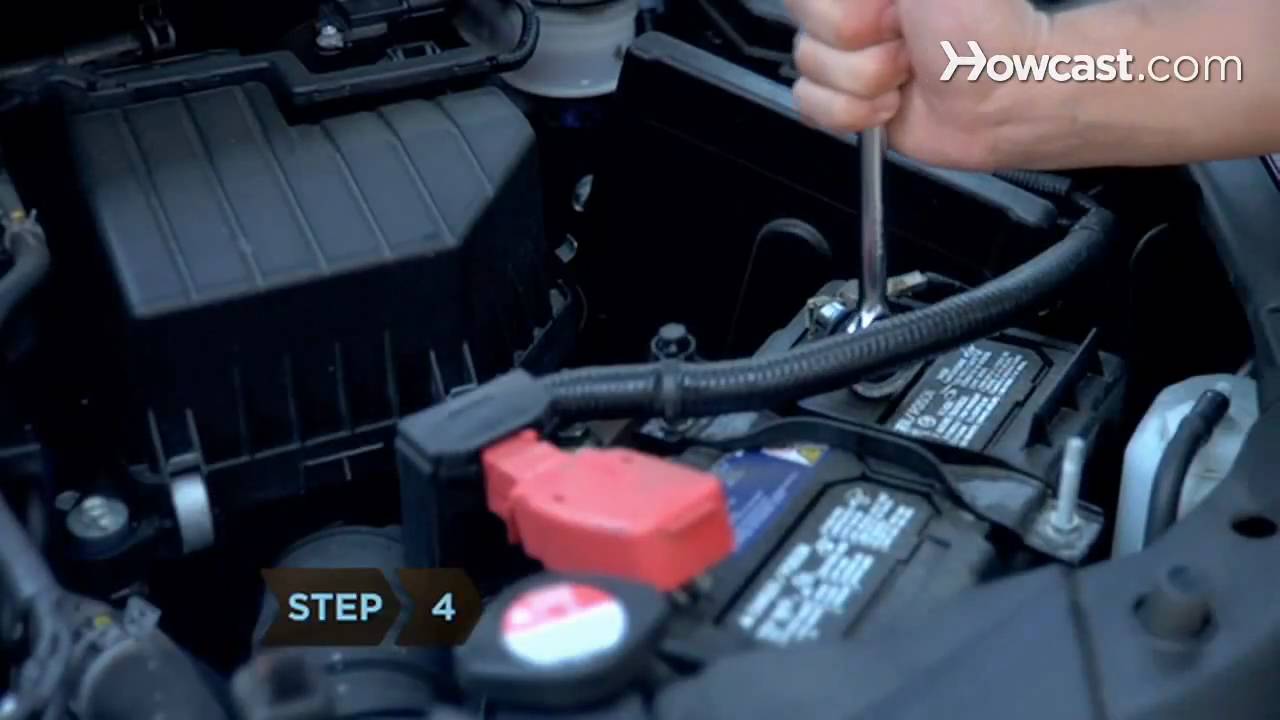
Disconnecting the negative terminal first is a critical step in removing a car battery safely. The negative terminal is usually black and marked with a minus (-) sign. It connects the battery to the car’s metal frame, which acts as a ground. Removing this terminal first stops the flow of electricity and prevents sparks or short circuits. This simple order of steps protects both you and your vehicle’s electrical system.
Loosen Negative Nut
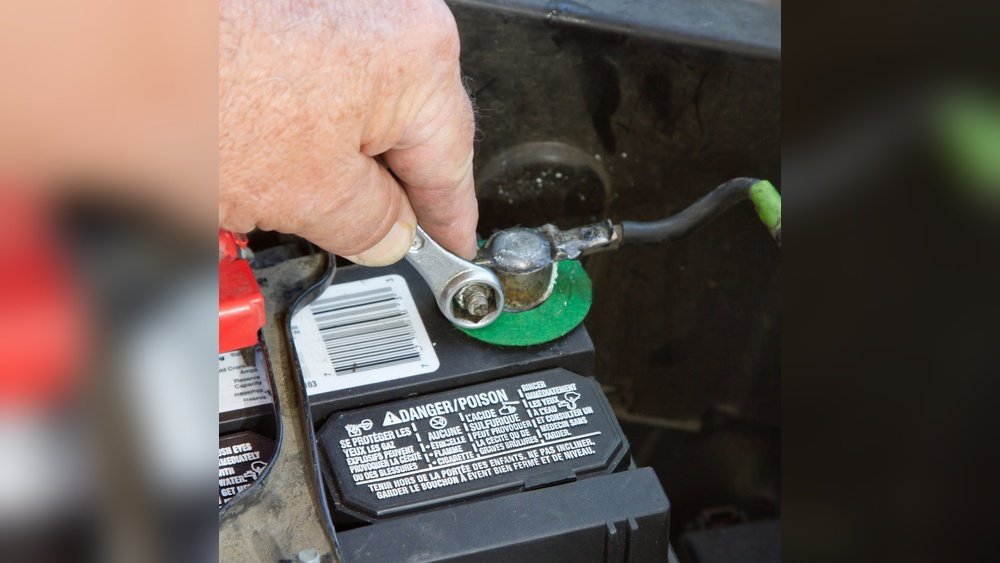
Start by locating the negative terminal on the battery. Use a wrench to loosen the nut that holds the negative cable clamp. Turn the wrench counterclockwise until the nut is loose enough to move the cable. Do not fully remove the nut yet. Just loosen it enough to free the cable from the terminal.
Remove Negative Cable
After loosening the nut, gently lift the negative cable off the battery terminal. Avoid using excessive force to prevent damage. The cable should come off easily once the nut is loose. Keep the cable clear of the terminal to avoid accidental contact.
Move Cable Away
Once removed, move the negative cable away from the battery. Place it on a clean, dry surface or secure it to the side of the battery tray. This prevents the cable from touching the terminal again while you work. Keeping the cable away reduces risk of sparks or electrical shorts.
Disconnect Positive Terminal
After removing the negative terminal, focus on the positive terminal next. The positive terminal carries the electrical current from the battery to the car. It has a red cover or a plus (+) sign. Handle it carefully to avoid sparks or damage.
Follow these steps to disconnect the positive terminal safely and properly.
Loosen Positive Nut
Use a wrench or socket to loosen the nut on the positive terminal clamp. Turn the wrench counterclockwise to loosen it. Do not remove the nut completely yet. Just loosen it enough to slide the cable off easily.
Be sure your tools do not touch any metal parts of the car. This prevents accidental short circuits or sparks.
Remove Positive Cable
Once the nut is loose, carefully lift the positive cable off the battery terminal. Pull it straight up to avoid damaging the cable or terminal. Set the cable aside, making sure it does not touch the battery or any metal parts.
Cover the positive terminal with a cloth or non-conductive material to avoid accidental contact. The positive terminal is now disconnected safely from the battery.
Reconnect Battery Terminals
Reconnecting your car battery terminals is a crucial step after maintenance or replacement. Proper reconnection ensures your vehicle starts safely without causing electrical issues. Follow the correct order and method to avoid sparks or damage.
Attach Positive Terminal First
Begin by attaching the positive terminal, marked with a plus sign (+) and usually red. Secure the clamp tightly to the battery post. This step connects the power source without risk of short circuits if done first. Make sure the connection is snug to maintain good contact.
Attach Negative Terminal Last
Next, attach the negative terminal, marked with a minus sign (-) and typically black. Connect this terminal after the positive one to complete the circuit safely. Tighten the clamp firmly. This order prevents sparks since the negative terminal is linked to the car’s metal frame or ground.
Reasons To Disconnect Negative First
Disconnecting the negative terminal first is a crucial step in car battery removal. It helps keep the process safe and simple. The negative terminal connects directly to the car’s metal frame, or ground. This connection is key to preventing accidents during disconnection. Understanding why to start with the negative terminal protects both you and your vehicle.
Prevent Short Circuits
The negative terminal is linked to the car’s ground. If you disconnect the positive terminal first and your tool touches the car frame, a short circuit may occur. Short circuits can damage car electronics and cause sparks. Removing the negative terminal first stops this risk by breaking the circuit path.
Eliminate Ground Path
Disconnecting the negative terminal cuts off the ground connection. Without a ground path, the car’s metal body cannot complete an electrical circuit. This makes the positive terminal safer to handle. You reduce the chance of accidental electrical flow and protect the car’s electrical system.
Avoid Sparks
Sparks can ignite flammable gases around the battery. Disconnecting the negative terminal first lowers spark chances. The ground connection is removed, so even if your tool touches metal, sparks won’t fly. This step makes battery removal safer for you and your vehicle.
Common Mistakes To Avoid
Disconnecting a car battery might seem easy. Yet, many make avoidable errors. These mistakes cause sparks or damage. Knowing what to avoid keeps you safe and protects your car. Below are common errors to watch out for.
Disconnecting Positive First
Always disconnect the negative terminal first. The negative cable connects to the car’s metal frame, which is the ground. Removing the positive cable first risks a short circuit. Your wrench might touch metal and cause sparks. Sparks can damage the battery or cause injury. Removing the negative terminal first cuts the ground path. This makes handling the positive terminal safe and spark-free.
Touching Metal With Tools
Be careful with metal tools near battery terminals. If your wrench or pliers touch metal parts while connected, sparks can fly. Sparks may cause burns or start fires. Use insulated tools if possible. Keep tools steady and avoid contact with other metal parts. Taking your time reduces accidents and protects you and your vehicle.
Tools Needed
Disconnecting a car battery requires a few simple tools. These tools help you work safely and efficiently. Having the right tools makes the process smooth and avoids damage to your vehicle.
Below are the essential tools you need before starting.
Wrench Selection
A wrench is needed to loosen the battery terminal nuts. Choose a wrench that fits the nut size exactly. Most car batteries use either a 10mm or 13mm wrench.
An adjustable wrench can work but may slip and damage the nut. A box-end or open-end wrench offers better grip and control.
Use a clean, dry wrench to avoid slipping and ensure safety. Avoid using pliers as they can damage the terminal connectors.
Battery Terminal Cleaner
Clean battery terminals ensure a good connection when reconnecting. Use a battery terminal cleaner or wire brush to remove dirt and corrosion.
Corrosion looks like white or blue powder on the terminals. Cleaning prevents poor contact and electrical problems.
Gently scrub the terminals and cable ends until shiny metal shows. Avoid excessive force that can damage the terminals.
Credit: www.kbb.com
Battery Maintenance Tips
Maintaining your car battery helps it last longer and work better. Simple care prevents many common battery problems. Regular checks and cleaning keep the battery in good shape. This section covers easy tips to maintain your car battery safely and effectively.
Regular Inspection
Check your battery often to spot any issues early. Look for cracks, leaks, or swelling on the battery case. Make sure the battery is secure and does not move around. Inspect the terminals for any signs of corrosion or rust. Early detection helps avoid sudden battery failures on the road.
Cleaning Terminals
Dirty terminals cause poor connections and starting problems. Clean the terminals to remove corrosion and dirt. Use a mixture of baking soda and water to neutralize acid buildup. Apply the solution with a brush and scrub gently. Rinse with clean water and dry the terminals well. Apply a thin layer of petroleum jelly to prevent future corrosion.
Frequently Asked Questions
Which Battery Terminal Do You Disconnect First?
Always disconnect the negative (black, “-“) terminal first to avoid short circuits and sparks. Then, remove the positive (red, “+”) terminal.
What Is The Correct Sequence For Removing A Battery?
Always disconnect the negative (black, “-“) terminal first to prevent sparks. Then, remove the positive (red, “+”) terminal safely.
What Not To Do When Disconnecting The Battery?
Avoid disconnecting the positive terminal first to prevent short circuits and sparks. Do not remove cables without safety gear. Never touch metal parts with tools during disconnection. Avoid working on a running engine. Do not neglect securing cables to prevent accidental contact.
Do You Pull Red Or Black First?
Always pull the black (negative) terminal first to avoid short circuits. Then, pull the red (positive) terminal safely.
Conclusion
Disconnecting a car battery is simple with the right steps. Always remove the negative terminal first to stay safe. Use tools carefully and wear protective gear. Keep cables away from metal parts to avoid sparks. Follow the reverse order when reconnecting.
Taking these precautions protects you and your vehicle. Practice these steps anytime you need to work on your battery. Safety and care make the process easy and stress-free.