You just finished washing your car, and it looks great—until those annoying water spots start to appear. Drying your car properly isn’t just about looks; it protects your paint and keeps your vehicle shining longer.
But how do you dry your car the right way without leaving streaks, scratches, or spots? In this guide, you’ll discover simple, effective tips that anyone can follow to dry their car quickly and safely. Keep reading to learn the best techniques and tools that will make your car look spotless every time.
Choosing The Right Tools
Choosing the right tools for drying your car helps protect its paint and finish. Proper tools reduce water spots and speed up the drying process. Picking quality tools makes the task easier and safer for your vehicle.
Microfiber Towels Vs. Chamois
Microfiber towels are soft and highly absorbent. They trap water well and do not scratch paint. Chamois leather is also good at soaking up water. It feels smooth and can be reused many times. Microfiber towels dry faster and are easier to clean. Chamois requires proper care to avoid mold. Both work well, but microfiber towels suit most car owners better.
Using Leaf Blowers And Air Blasters
Leaf blowers quickly remove water from your car’s surface. They reach tight spots like mirrors and grills. Air blasters use compressed air to push water out of crevices. These tools prevent water spots by removing water fast. They also reduce the risk of scratching paint. Using air tools saves time and effort after washing.
Drying Aids And Sealants
Drying aids help water slide off the car’s surface easily. They add a layer of protection and shine. Sealants protect paint and reduce drying time. They create a smooth surface that repels water. Using these products after washing improves drying results. They also keep your car looking clean longer.
Preparing Your Car For Drying
Preparing your car for drying is a key step to keep its paint smooth and spot-free. Proper preparation helps remove loose dirt and grime. It also sets the stage for a quick and safe drying process.
Start by making sure the car is clean and wet with no soap left on the surface. This reduces the chance of water spots forming later. Taking time here saves effort and protects your car’s finish.
Rinsing Techniques To Prevent Spots
Rinse your car thoroughly using clean, cool water. Avoid hard water as it leaves mineral marks. Use a gentle spray from a hose or a pressure washer on a low setting. Rinse from top to bottom to let dirt flow downwards.
Do not let water dry on the car by itself. Drying water spots form when minerals stay on the paint after evaporation. Rinse in sections and dry each part right after rinsing. This method limits the risk of spots and streaks.
Ideal Washing Conditions
Wash and dry your car in the shade or during cooler hours. Direct sunlight causes water to dry too fast, which leads to spotting. Early morning or late afternoon works best for this task.
A calm day without strong wind is ideal. Wind can blow dust and debris onto your wet car. This dirt sticks to the surface and can scratch the paint during drying. Mild weather helps keep the car clean and easier to dry.
Step-by-step Drying Process
Drying your car properly after washing prevents water spots and streaks. A careful drying process protects the paint and keeps your car looking fresh. Follow these clear steps to dry your car efficiently and safely.
Starting From The Top
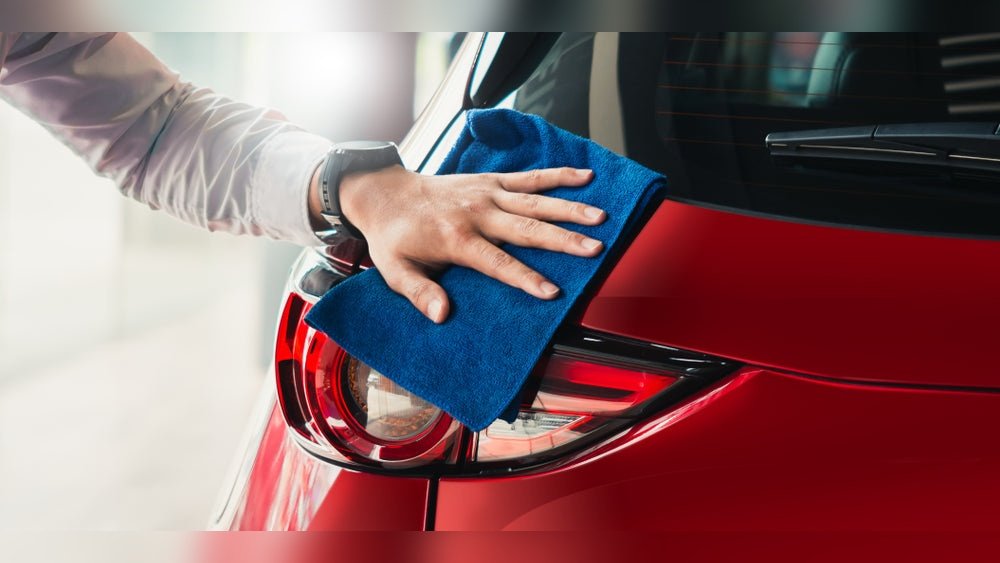
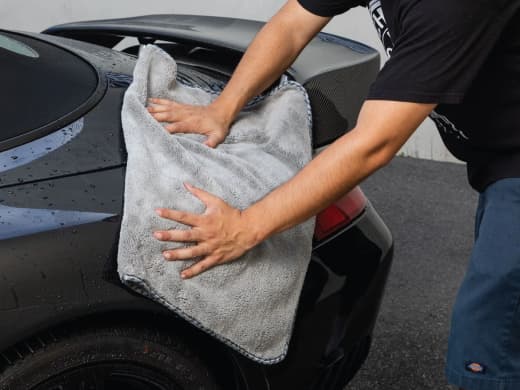
Begin drying at the roof of your car. Use a soft microfiber towel or a drying cloth. Gently wipe in straight lines to avoid scratches. Move slowly to soak up all water droplets. Dry the hood, roof, and trunk carefully. This prevents water from dripping onto already dried areas.
Drying Doors And Crevices
Open each door to dry the edges and seals. Use a smaller towel to reach tight spaces. Wipe inside door jambs and around hinges. These areas collect water that can cause rust. Check mirrors, handles, and window trims for moisture. Take your time to dry these hidden spots thoroughly.
Finishing Touches
Run the towel over the entire car one last time. Look for any missed wet spots or streaks. Use a clean, dry cloth to polish the surface gently. This step adds shine and removes any leftover water marks. Finally, dry the tires and windows to complete the job.
Credit: www.chemicalguys.com
Common Drying Mistakes
Drying your car seems simple, but many make common mistakes. These errors can harm your car’s paint and leave spots. Understanding these pitfalls helps keep your car shiny and smooth. Proper drying protects your investment and saves time in the long run.
Avoiding Scratches And Swirls
Using the wrong towel can cause scratches and swirls. Rough or dirty cloths drag dirt across the paint. Microfiber towels are soft and absorbent, ideal for drying. Always pat or gently wipe instead of rubbing hard. Change towels if they get soaked or dirty during drying.
Drying in direct sunlight can make water dry too fast. This leaves marks and hard-to-remove spots. Work in the shade or early morning for best results. Avoid using old towels or sponges that trap grit. Clean tools protect your car’s finish better.
Why Air Drying Falls Short
Letting your car air dry causes water spots. Dust and minerals settle on wet surfaces and stain the paint. This requires extra effort to clean later. Air drying leaves water in small crevices, which can cause rust over time.
Using a leaf blower or compressed air helps but is not enough alone. These tools blow water off but don’t absorb it. A towel or drying cloth is still needed to finish the job. Combining air drying and towel drying gives better results.
Speeding Up Dry Time
Speeding up the drying time after washing your car saves effort and prevents water spots. Quick drying means less waiting and a cleaner finish. Two effective ways to speed up drying are using warm air and drying aids. Both methods help water evaporate faster and make the process easier.
Using Warm Air For Faster Evaporation
Warm air helps water turn into vapor quickly. Using a leaf blower or a heat gun at a low setting moves warm air over the car’s surface. This pushes water off and speeds evaporation. Warm air reaches tight spots where towels cannot reach. It reduces the chance of leaving water marks. Never use very hot air, as it may damage the paint.
Benefits Of Drying Aids
Drying aids are sprays that help water slide off your car. They create a thin layer that repels water and dust. Using drying aids reduces drying time and protects paint. These products also add shine and smoothness to the surface. Spray them on a wet car, then dry with a microfiber towel. The result is a streak-free, glossy finish with less effort.

Credit: blocardryer.com
Maintaining A Spotless Finish
Maintaining a spotless finish after drying your car keeps it looking fresh and new. Water spots and streaks can ruin your car’s shine quickly. Drying your car properly is just the first step. Applying the right products and following simple care routines help preserve the look longer.
Protection against dust, dirt, and rain is easier with a good sealant. Regular upkeep saves time and effort over weeks and months. Keep your car’s paint smooth and glossy by adopting these easy habits.
Applying Sealants Post-dry
Sealants add a strong protective layer to your car’s paint. Use a clean microfiber cloth to apply the sealant evenly. Work in small sections for best coverage. Let the sealant dry to a haze before buffing it off. This step locks in shine and repels water and dirt.
Sealants also make future washes easier and faster. Choose a product made for your car’s paint type. Avoid rushing this process. Proper application boosts your car’s finish and extends protection.
Regular Maintenance Tips
Washing your car regularly prevents buildup of grime and pollutants. Use gentle car shampoo and soft towels to avoid scratches. After washing, dry your car carefully to stop water spots from forming.
Check your car’s surface weekly for dirt and stains. Spot clean with a quick detailer if needed. Park in shaded or covered areas to reduce sun damage. Keep your microfiber towels clean and replace them often.
Simple habits keep your car looking great with less work. Consistency is key to maintaining a flawless finish.

Credit: www.youtube.com
Frequently Asked Questions
What Is The Fastest Way To Dry A Car?
The fastest way to dry a car uses a leaf blower or compressed air to remove water quickly. Avoid air drying to prevent spots. Use microfiber towels to wipe remaining moisture gently. Applying a drying aid or sealant also speeds up drying and reduces water spots effectively.
Can I Just Air Dry My Car?
Air drying a car often causes water spots and streaks. Use a microfiber towel or a leaf blower for faster, spot-free drying.
What Is The $3000 Rule For Cars?
The $3000 rule suggests spending no more than $3,000 on a used car to avoid costly repairs and depreciation. It helps buyers choose affordable, reliable vehicles without overspending.
What Is The Best Way To Dry Out A Car?
Use a microfiber towel or a leaf blower to quickly remove water. Dry in shaded areas to prevent water spots. Apply drying aid for faster results. Avoid air drying to reduce spots and streaks.
Conclusion
Drying your car properly keeps its paint looking fresh and clean. Use soft towels or a leaf blower to remove water quickly. Avoid letting water air dry to prevent spots. Take your time and be gentle to avoid scratches. Regular drying after washing helps protect your car longer.
Keep these simple steps in mind for a shiny finish every time.