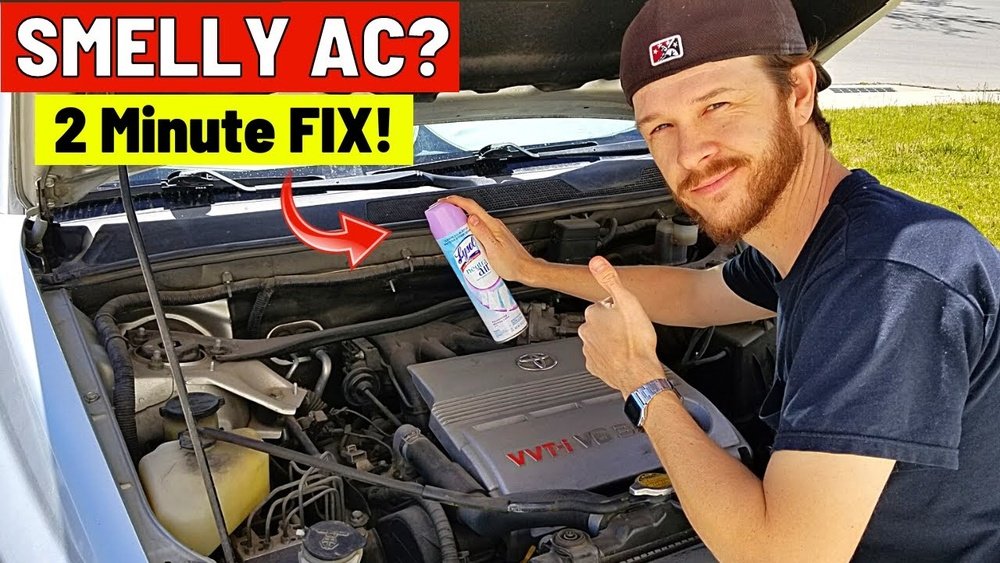
Is your AC blowing out a weird, musty smell that just won’t go away? That unpleasant odor can make your home uncomfortable and even affect your health.
But don’t worry—you don’t have to live with a smelly air conditioner. You can fix it yourself with a few simple steps. You’ll learn why your AC smells bad and exactly how to clean and maintain it so the fresh, cool air comes back fast.
Keep reading, and you’ll breathe easier in no time!
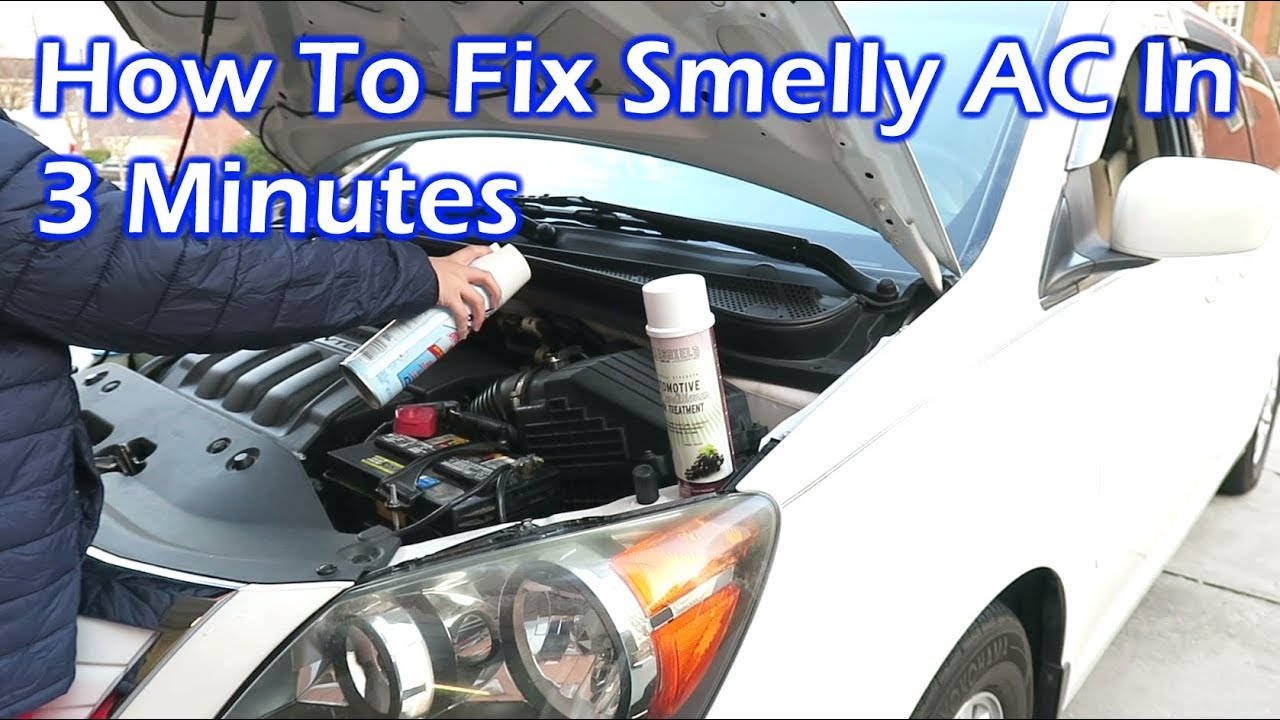
Credit: www.youtube.com
Common Causes Of Ac Odors
Unpleasant odors from an air conditioner can make any room uncomfortable. Identifying the common causes of these smells helps fix the problem quickly. Several issues inside the AC unit or its parts often lead to bad odors. Understanding these causes can guide proper cleaning and maintenance efforts.
Mold And Mildew Growth
Mold and mildew thrive in damp, dark areas inside your AC. The evaporator coils and air ducts are common spots for growth. These fungi produce musty smells that blow through your vents. Regular cleaning prevents mold from spreading and keeps the air fresh.
Clogged Drainage System
Air conditioners remove moisture through a drainage system. When this system clogs, water builds up inside the unit. Stagnant water creates a sour, damp odor. Clearing the drain line and pan helps stop these smells and keeps your AC working well.
Dirty Filters And Coils
Filters trap dust and debris but can also hold bacteria and dirt. Dirty filters reduce airflow and cause foul smells. Coils covered in grime also contribute to bad odors. Changing filters regularly and cleaning coils improve air quality and AC efficiency.
Stagnant Water Buildup
Water can collect and stay inside the AC if drainage fails. This stagnant water becomes a breeding ground for bacteria. The result is a strong, unpleasant smell from your vents. Removing the water and drying the unit prevents odors from returning.
Basic Safety Precautions
Fixing a smelly AC requires more than cleaning. Safety comes first. Taking basic safety steps protects you and your AC unit. It reduces risks of injury and damage. Follow these precautions before starting any work on your air conditioner.
Turning Off Power
Always turn off the power before working on your AC. Locate the circuit breaker for the unit. Switch it off to cut electricity supply. This prevents electric shocks and accidents. Never skip this step, even for small fixes. Confirm power is off by trying to turn on the AC. If it stays off, it is safe to proceed.
Using Protective Gear
Wear protective gear during AC maintenance. Use gloves to protect your hands from sharp parts and chemicals. Safety goggles shield your eyes from dust and debris. A mask helps avoid breathing in mold or dust particles. Dress in long sleeves and pants to cover your skin. Proper gear keeps you safe and comfortable while working.
Cleaning Filters And Coils
Cleaning filters and coils is essential to fix a smelly AC. Dirt, dust, and mold often build up here. This buildup blocks airflow and creates bad odors. Regular cleaning improves air quality and AC efficiency. Follow simple steps to clean filters and coils safely.
Removing And Inspecting Filters
Turn off your AC before removing filters. Locate the filter inside the AC unit. Gently slide or lift it out. Check the filter for dirt, dust, and damage. If the filter looks clogged or torn, replace it. A clean filter helps your AC work better and smell fresher.
Washing Washable Filters
Some filters are washable and reusable. Rinse the filter with warm water to remove dirt. Use mild soap if the filter is very dirty. Avoid harsh chemicals that can damage the filter. Let the filter dry completely before placing it back. A dry filter prevents mold growth and bad smells.
Cleaning Evaporator Coils
Evaporator coils collect dust and moisture, causing odors. Turn off the AC and open the access panel. Spray coil cleaner or a mild detergent mix on the coils. Use a soft brush to gently remove dirt and mold. Wipe off excess cleaner with a damp cloth. Keep coils clean to stop bad smells and improve cooling.
Clearing Drain Pan And Lines
Clearing the drain pan and lines is a key step to fix a smelly AC. Moisture collects here, causing mold and bad odors. Regular cleaning keeps your AC fresh and working well. This section explains simple ways to maintain these parts of your AC system.
Checking For Standing Water
First, check the drain pan for standing water. Turn off your AC and locate the pan under the evaporator coils. If water sits here, it can cause mold and smells. Empty any water you find. Standing water means the drain line may be blocked.
Unclogging Drain Lines
Drain lines can get clogged with dirt and algae. Use a wet/dry vacuum to suck out blockages at the drain line’s end. Another option is to push a flexible brush or pipe cleaner through the line. Clear lines allow water to flow freely and stop bad odors.
Using Vinegar For Disinfection
Vinegar is a natural cleaner that kills mold and bacteria. Pour a cup of white vinegar into the drain pan and drain line. Let it sit for 30 minutes. Then flush the line with water to remove loosened debris. Vinegar keeps your AC smelling clean and fresh.
Cleaning Vents And Ducts
Cleaning vents and ducts plays a key role in removing bad smells from your AC. Dust, mold, and debris build up over time inside these parts. This buildup blocks airflow and causes unpleasant odors. Regular cleaning helps keep your AC fresh and working well. It also improves indoor air quality and reduces allergens.
Vacuuming Dust From Vents
Start by turning off your AC unit. Use a vacuum cleaner with a brush attachment. Gently vacuum the vents to remove dust and dirt. Focus on the openings and inside the vent covers. This stops dust from circulating in your home. Clean vents allow better air circulation and reduce musty smells.
Using Baking Soda To Absorb Odors
Baking soda is a natural deodorizer that absorbs bad smells. Sprinkle a small amount inside the vents and ducts after vacuuming. Let it sit for a few hours or overnight. Then vacuum the baking soda out completely. This simple step helps neutralize odors without harsh chemicals. Repeat as needed to keep your AC smelling clean.
Drying Out Moisture
Moisture inside an air conditioner often causes a smelly, musty odor. This happens because water stays trapped in parts of the system. Drying out this moisture helps stop bad smells and keeps air fresh. It also protects your AC from damage and improves its lifespan.
Removing moisture prevents mold and mildew from growing. These fungi create the unpleasant odor many people notice. Taking simple steps to dry out the AC can solve this problem quickly and cheaply.
Running Fan Mode After Cooling
After turning off the cooling, switch your AC to fan mode. This runs the fan without the compressor. The fan moves air over wet parts inside the unit. This helps dry out any leftover moisture.
Run the fan mode for 15 to 30 minutes. This ensures all water evaporates from coils and drain pans. Doing this regularly stops water buildup and reduces smells.
This method uses the AC’s own parts and does not need extra tools. It is an easy way to keep your AC dry and fresh.
Preventing Mold Growth
Mold thrives in damp, dark places. To prevent it, keep your AC dry and clean. Clean or replace air filters often. Dirty filters trap moisture and dust, feeding mold.
Check the drain pipe for clogs. A blocked drain causes water to pool inside the unit. Clear any blockages to allow water to flow out freely.
Use a mild cleaner to wipe down the drain pan and coils. Vinegar or a special coil cleaner works well. These kill mold spores before they grow.
When To Seek Professional Help
Sometimes, fixing a smelly AC requires more than simple cleaning. Knowing when to seek professional help saves time and avoids bigger problems. Professionals have tools and skills to find hidden issues quickly.
Ignoring persistent odors or unusual smells can damage your system. Call an expert if the smell does not go away after basic cleaning. They can check for deep problems that you might miss.
Persistent Odors After Cleaning
After cleaning filters and coils, smells may still linger. This means the source might be deeper inside the system. Professionals use special equipment to detect hidden mold or bacteria. They clean areas that are hard to reach at home.
Deep Ductwork Cleaning
Ducts collect dust, mold, and debris over time. These build-ups cause bad odors that spread throughout the house. A professional duct cleaning removes these contaminants thoroughly. It improves air quality and stops the smell from returning.
System Leak And Damage Inspection
Leaks in the AC system can cause moisture buildup and mold growth. Damage to parts like drain pans or pipes also leads to bad smells. Professionals inspect the entire system for leaks and wear. They repair or replace damaged parts to keep your AC fresh and efficient.
Credit: airandplumbingtoday.com
Preventing Future Ac Odors
Preventing future AC odors is key to keeping your home fresh and comfortable. Odors often come from mold, dirt, or moisture inside the system. Regular care stops these problems early. Simple steps help maintain clean air and a healthy AC unit. Follow these tips to avoid smelly AC issues.
Regular Filter Changes
Change your AC filters every one to three months. Dirty filters trap dust and moisture, causing bad smells. Clean filters improve air quality and system efficiency. Always use the correct filter size for your unit. Mark your calendar to remember filter changes.
Maintaining Outdoor Unit Area
Keep the outdoor AC unit clear of leaves and debris. Remove plants or grass growing too close. Good airflow prevents mold and mildew buildup. Check the area monthly and clean it if needed. A tidy outdoor unit helps your AC work better.
Using Activated Charcoal Filters
Activated charcoal filters absorb odors and harmful particles. Install these filters inside your AC system for extra freshness. They trap smells before air enters your home. Replace charcoal filters every few months for best results. This simple addition keeps your air cleaner.
Routine System Drying
Moisture inside the AC causes musty smells. After use, run the fan alone for 15 minutes to dry the system. This removes leftover water in coils and drain pans. Drying prevents mold growth and bad odors. Make this a habit after each cooling cycle.

Credit: www.pioneerminisplit.com
Frequently Asked Questions
How To Get Rid Of Bad Smell In Ac?
Clean or replace AC filters regularly. Use vinegar or coil cleaner on evaporator coils. Clear the drain line and pan. Ensure proper airflow and ventilation. Run the fan mode after cooling to dry moisture. Call a professional if the smell persists or ducts need deep cleaning.
What Is The Reason For Bad Smell In Ac?
Bad smell in AC usually results from mold, mildew, or bacteria growth on coils, filters, or drain pans. Clogged drain lines cause stagnant water odors. Regular cleaning and proper drainage prevent these smells.
Why Does My Ac Smell Musty Or Bad?
A musty smell often comes from mold or mildew growth inside the AC. Moisture buildup on coils or drain pans creates this odor. Clogged drain lines can also cause stagnant water smells. Regular cleaning prevents these issues and keeps your AC smelling fresh.
How Can I Quickly Remove Bad Ac Odors?
Turn off the AC and clean or replace the air filter. Use a coil cleaner or vinegar solution on evaporator coils. Check and clear the drain pan and lines. Ensure proper airflow and ventilation to reduce odors quickly and effectively.
Conclusion
A smelly AC can make your space uncomfortable. Regular cleaning stops mold and dirt buildup. Check and clean filters often for fresh air. Clear the drain line to avoid water buildup. Good airflow helps prevent bad odors from returning. Simple steps keep your AC smelling clean and fresh.
If problems persist, seek help from a professional. Enjoy cool, clean air all year round.