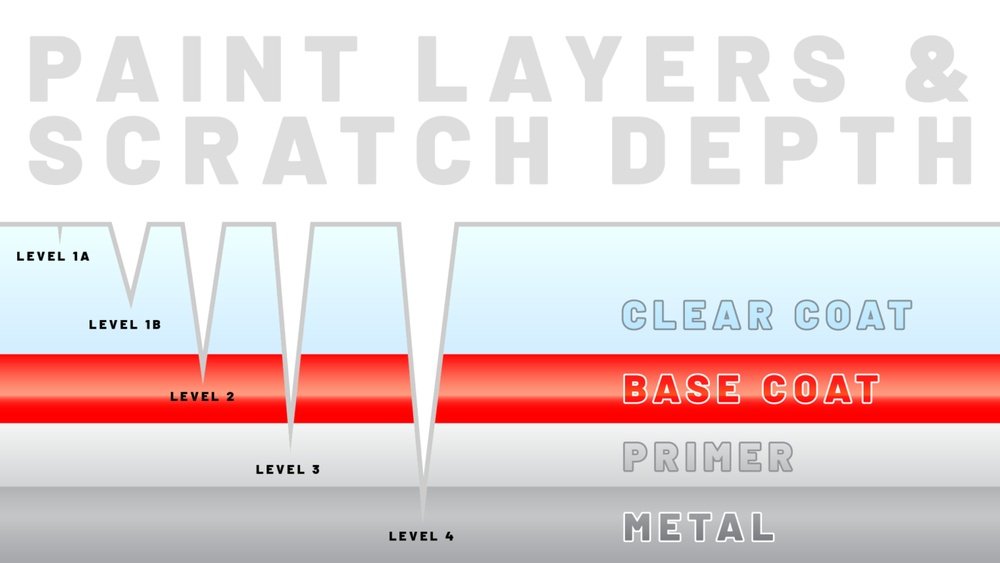
Scratches on your car can be frustrating, especially when they catch your eye every time you look. But not all scratches are the same, and knowing how to fix each type can save you time and money.
Whether it’s a tiny surface scratch or a deep gouge, you can restore your car’s look with the right approach. In this guide, you’ll learn simple, effective ways to repair different kinds of scratches on your car—no professional needed. Ready to bring back that smooth, flawless finish?
Keep reading and take control of your car’s appearance today.
Types Of Car Scratches
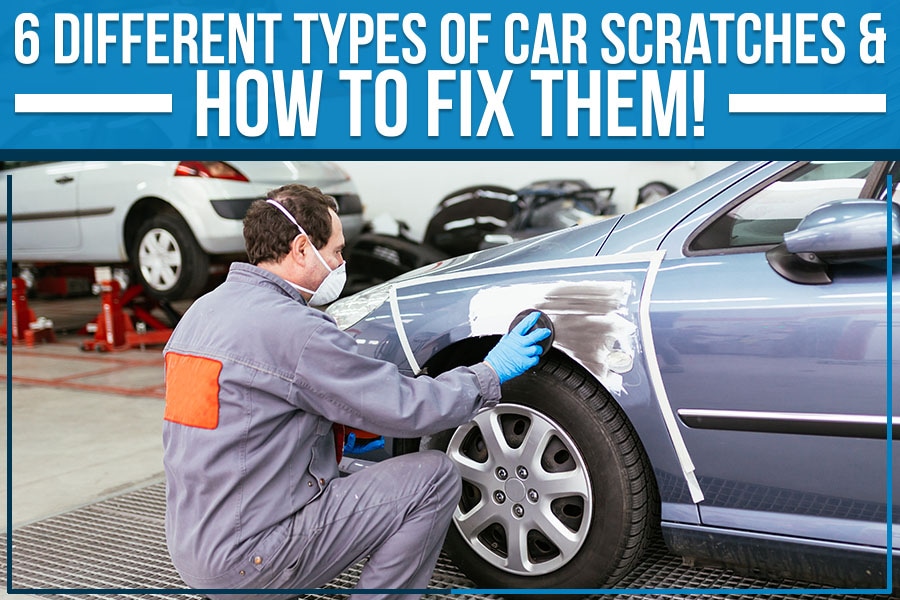
Car scratches vary in depth and damage. Knowing the type helps to choose the right repair method. Some scratches only affect the surface, while others go deeper. Identifying the type saves time and effort.
Surface Scratches
Surface scratches affect only the very top layer of paint. They are usually light and shallow. These scratches do not expose the paint underneath. They often appear as fine lines or marks. Surface scratches can often be removed by polishing.
Clear Coat Scratches
Clear coat scratches reach the clear protective layer above the paint. They are more visible and can dull the shine. These scratches do not go through the paint color. Polishing and buffing help restore the clear coat finish.
Deep Paint Scratches
Deep paint scratches cut through the paint layer. They expose the primer or metal underneath. These scratches can cause rust if left untreated. Repair usually requires touch-up paint or professional help. Deep scratches are harder to fix at home.
Scratches Through Primer
Scratches through the primer expose the bare metal below. These are the most serious type of scratches. They can cause corrosion and damage to the car body. Fixing these scratches often needs sanding, priming, and repainting. Prompt repair prevents further damage.
Credit: www.hondaofoxnard.com
Tools And Materials Needed
Fixing car scratches requires the right tools and materials. These items help restore your car’s surface and improve its look. Having quality supplies makes the process easier and more effective. Below is a list of essential tools and materials you will need.
Cleaning Supplies
Clean the scratched area before repair. Use car soap and water to remove dirt and grease. A microfiber cloth helps avoid new scratches. Rubbing alcohol can remove wax and grease residues. Clean surfaces ensure better adhesion of repair materials.
Scratch Removal Kits
Scratch removal kits contain everything needed for minor repairs. These kits usually include rubbing compounds and applicator pads. They are designed for light to medium scratches. Follow the kit instructions for best results. Kits save time by providing all materials together.
Polishing Compounds
Polishing compounds smooth out surface scratches and restore shine. Use a small amount on a soft cloth or buffer. Apply with gentle circular motions to blend the scratch with surrounding paint. Polishing removes fine scratches and dullness from the car’s finish.
Touch-up Paints
Touch-up paints are perfect for deep scratches that expose the metal. Choose the exact color match for your car. Use a fine brush or pen applicator to fill the scratch carefully. Allow the paint to dry completely before polishing. Touch-up paint protects metal from rust.
Protective Gear
Protect yourself while working on car scratches. Wear gloves to keep your hands clean and safe. Use eye protection if you work with chemicals or polishing tools. A dust mask helps avoid inhaling fine particles. Safety gear makes the repair process safe and comfortable.
Fixing Surface Scratches
Surface scratches are the most common and least severe type of car scratches. These marks only affect the clear coat, the top protective layer of your car’s paint. Fixing surface scratches is simple and can restore your car’s shine quickly. Follow these steps to repair them effectively and keep your car looking new.
Washing And Drying The Area
Start by cleaning the scratched area thoroughly. Use car shampoo and water to remove dirt and debris. Dirt can cause more scratches if not removed first. Rinse well and dry the area with a clean microfiber cloth. A clean surface helps the scratch remover work better.
Using Scratch Removers
Choose a scratch remover designed for clear coat scratches. Apply a small amount to a soft cloth. Rub the product gently over the scratch in circular motions. This action smooths the clear coat and blends the scratch into the surrounding paint. Wipe off any excess with a clean cloth.
Polishing And Buffing Techniques
After using a scratch remover, polish the area to enhance shine. Use a polishing compound and a microfiber cloth or a buffer machine. Work in small circles and apply even pressure. Buffing helps to even out the surface and restore the paint’s gloss. Finish by wiping the area clean.
Applying Protective Wax
Protect the repaired area by applying a layer of car wax. Wax seals the paint and adds a shiny finish. Use a soft applicator pad to spread wax evenly. Let it dry to a haze, then buff it off with a clean cloth. Regular waxing keeps your car protected from future scratches.
Repairing Clear Coat Scratches
Repairing clear coat scratches restores your car’s glossy finish. These scratches affect only the top protective layer. Fixing them improves your car’s look without repainting. This section guides you through simple steps for clear coat scratch repair.
Identifying Clear Coat Damage
Clear coat scratches appear as light, shallow marks. They do not reach the paint below. Run your fingernail over the scratch. If it does not catch, it is likely a clear coat scratch. These scratches often shine in sunlight but feel smooth.
Sanding And Smoothing
Start by cleaning the scratched area. Use fine-grit sandpaper, like 2000 grit, to gently sand. Sand lightly in a circular motion to even out the scratch. Avoid sanding too deep to prevent paint damage. Wipe the area with a damp cloth after sanding.
Using Rubbing Compounds
Apply a small amount of rubbing compound to a clean microfiber cloth. Rub the compound on the scratched area using circular motions. This helps smooth out the clear coat and reduces scratch visibility. Buff until the surface looks even and glossy.
Sealing With Clear Coat
Use a clear coat spray or pen to seal the repaired area. Apply thin, even layers and let each dry before the next. This protects the repair and restores shine. After drying, polish the area lightly for a smooth finish.
Handling Deep Paint Scratches
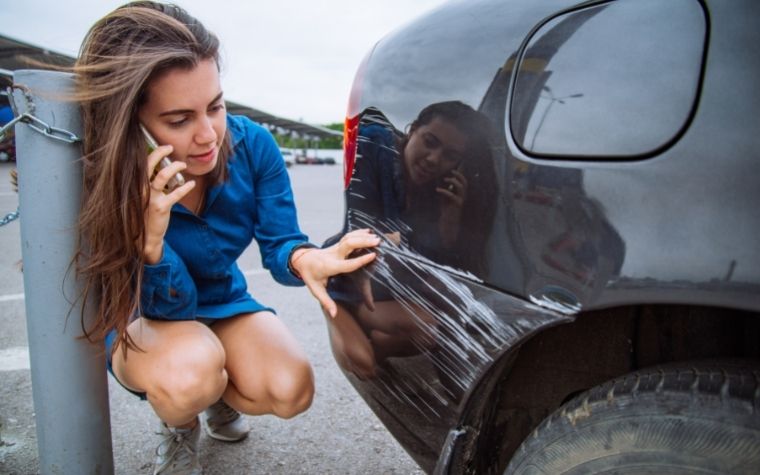
Deep paint scratches on cars cut through the clear coat and paint layers. These scratches expose the metal or plastic beneath, risking rust and damage. Fixing them requires careful steps to restore the paint and protect the surface. The process includes cleaning, applying primer, painting, blending, and sealing with a clear coat. Each step improves the car’s look and shields it from further harm.
Cleaning And Preparing The Surface
Start by washing the scratched area with soap and water. Remove dirt, grease, and loose paint. Dry the surface completely using a clean cloth. Use fine sandpaper to smooth the edges of the scratch gently. This step helps paint stick better and creates a smooth base. Clean again with a cloth dampened in rubbing alcohol. This removes oils and dust for a clean surface.
Applying Primer And Paint
Apply a thin coat of primer to the scratched area. Primer helps the paint adhere and prevents rust on metal surfaces. Let the primer dry fully as per instructions on the product. Choose the correct paint color matched to your car’s finish. Use a fine brush or pen to apply the paint carefully. Build up layers slowly, allowing each to dry between coats. Avoid thick layers to prevent drips and uneven surfaces.
Blending And Feathering Paint
After the paint dries, blend the edges of the new paint with the old. Use very fine sandpaper or a polishing pad for feathering. Lightly sand the border to smooth the transition between old and new paint. This step makes the repair less noticeable. Polish the area gently to restore shine and evenness. Take care not to sand too much and damage surrounding paint.
Finishing With Clear Coat
Apply a clear coat over the repaired area to protect the paint. Clear coat adds shine and guards against weather damage. Use a fine brush or spray, applying light, even coats. Let each coat dry before adding the next. After the final coat dries, polish the area gently. This step enhances gloss and blends the repair with the car’s surface perfectly.
Credit: touchupdirect.com
Dealing With Scratches Through Primer
Dealing with scratches through primer is a key step in fixing deeper damage on your car. Primer helps protect the metal beneath and creates a smooth base for paint. This process restores the car’s surface and prevents rust. It takes patience but improves results significantly.
Assessing The Damage
Start by cleaning the scratched area well. Dirt can hide the true depth of the scratch. Use a soft cloth and mild soap. Look closely to see if the scratch goes through the paint to the metal. Deep scratches need primer. Light surface scratches usually do not.
Filling And Sanding
Fill deep scratches with a body filler or putty. Apply it evenly with a plastic spreader. Let it dry completely. Next, sand the area gently using fine-grit sandpaper. Sand until the surface is smooth and even. Clean off dust before moving to the next step.
Layering Paint And Primer
Apply a thin coat of primer over the repaired area. Primer helps paint stick better and protects metal from rust. Allow the primer to dry fully. Sand lightly with very fine sandpaper for smoothness. Then, spray or brush on matching paint in thin layers. Let each layer dry before adding the next.
Final Touches And Protection
After the paint dries, apply a clear coat to seal the repair. This adds shine and extra protection. Wait until the clear coat hardens. Finally, polish the area gently to blend it with the rest of the car. Wax the whole panel to protect your work and keep the surface smooth.
Diy Tips For Best Results
Fixing scratches on your car at home can save money and time. Simple steps and the right approach bring the best results. Focus on clean workspaces, good tools, and steady hands. Small details make a big difference in scratch repair. Follow these DIY tips to improve your car’s look and protect its paint.
Working In A Dust-free Environment
Dust and dirt can worsen scratches during repair. Work in a clean garage or shaded area. Use a microfiber cloth to wipe the surface before starting. Avoid windy or dusty days. This keeps the paint surface smooth and ready for fixing.
Patience And Proper Technique
Rushing leads to uneven results or more damage. Apply scratch remover slowly with light pressure. Use circular motions and repeat if needed. Let the product dry fully between steps. Check your progress often to avoid overworking the paint.
Choosing The Right Products
Select products made for your car’s paint type. Use scratch removers, polishes, and waxes designed for automotive finishes. Read labels and follow instructions carefully. Cheap or wrong products can cause harm or poor results.
Regular Maintenance
Keep your car’s paint healthy with regular cleaning and waxing. Wash away dirt and grime to prevent scratches. Wax creates a protective layer to reduce future damage. Routine care helps scratches heal better and keeps your car shiny.
Common Mistakes To Avoid
Fixing car scratches needs care and the right steps. Many make mistakes that make the damage worse. Avoiding common errors saves time and protects your car’s paint. Below are key mistakes to watch out for during scratch repair.
Over-sanding
Sanding too much removes paint layers. This can leave bare metal exposed. Over-sanding causes uneven surfaces and new scratches. Use fine grit sandpaper gently and only as needed. Check progress often to avoid damage.
Using Harsh Chemicals
Strong chemicals can harm your car’s finish. They may strip protective coatings or fade paint. Choose products made for automotive use. Test chemicals on a small spot first. Follow instructions carefully for safe results.
Skipping Surface Preparation
Repairing scratches on a dirty surface traps dirt and oils. This stops repair products from working well. Always clean and dry the area before starting. Use soap and water, then wipe with a microfiber cloth. Proper prep improves adhesion and finish.
Ignoring Safety Precautions
Some repair steps involve dust, chemicals, or sharp tools. Not using gloves or masks can cause harm. Work in a well-ventilated area to avoid fumes. Protect your eyes and skin with safety gear. Safety keeps you healthy and focused.
When To Seek Professional Help
Knowing when to seek professional help is important for fixing car scratches effectively. Some scratches are simple and can be fixed at home. Others need expert care to avoid further damage. Understanding the signs of serious issues saves time and money. It also keeps your car looking its best.
Extensive Damage
Deep scratches that reach the metal need expert repair. These can cause rust and weaken the car’s body. Professionals have the tools and skills to fix such damage safely. Trying to fix deep scratches alone may lead to bigger problems.
Color Matching Challenges
Matching your car’s paint color is tricky. Even small differences can make repairs very noticeable. Professionals use special equipment to match paint exactly. This ensures a smooth, flawless finish that blends well with the rest of the car.
Lack Of Proper Tools
Fixing some scratches requires specific tools and materials. Buffers, sanders, and paint sprayers are often needed. Without these, repairs may not last or look good. Professionals have all the right tools to do the job right the first time.
Time Constraints
Repairing scratches can take hours or even days. This includes drying and curing time for paints and coatings. Busy schedules may not allow enough time for proper repairs. Professionals can handle the work quickly and efficiently, saving you time and hassle.

Credit: www.turtlewax.com
Frequently Asked Questions
What Car Scratches Can Be Fixed?
Surface scratches, clear coat scratches, and minor paint scratches can be fixed easily with polishing or scratch removers. Deep scratches may need professional repair.
How To Fix A Badly Scratched Car?
Wash and dry the scratched area thoroughly. Use a rubbing compound with a microfiber cloth in circular motions. Buff the surface gently to smooth the clear coat. Apply quality car wax to protect and restore shine. For deep scratches, consider professional repair or touch-up paint.
What Type Of Scratches Can Be Buffed Out?
Buffing can remove clear coat scratches, which are shallow and affect only the top protective layer of paint. These light surface scratches disappear with polish and careful buffing. Deep scratches that penetrate the paint or primer usually require professional repair.
How To Get Scratches Out Of Car Without T Cut?
Wash and dry the scratched area thoroughly. Apply a scratch remover or rubbing compound with a microfiber cloth. Rub gently in circular motions to smooth the clear coat. Buff the area until the scratch fades. Finish by applying car wax to protect and restore shine.
Conclusion
Fixing car scratches can be simple with the right approach. Start by identifying the scratch type clearly. Use proper tools and gentle methods for best results. Small scratches often need only polishing or touch-up paint. Deeper scratches may require sanding and professional help.
Regular care keeps your car looking fresh and protected. Taking time to fix scratches saves money and maintains value. Remember, patience and care make the process easier and effective. Keep your car shining with these easy scratch repair tips.