You want your car’s paint to look flawless—like a perfect mirror reflecting every detail around it. But getting that deep, glossy shine isn’t just about washing or waxing.
It takes the right steps to remove imperfections and bring out that showroom finish. Imagine turning heads every time you pull up, with your car’s surface so smooth and reflective it looks brand new. In this guide, you’ll discover simple, effective techniques to achieve a mirror finish on your car.
Whether you’re starting fresh or fixing a rough paint job, these tips will help you get that stunning, polished look you’ve always wanted. Ready to transform your car’s shine? Let’s dive in.
Materials Needed
Achieving a mirror finish on your car requires specific materials. These tools and products help prepare, smooth, and polish the paint surface. Having the right supplies ensures a clear, shiny result. Below is a list of essential materials for the process.
Cleaning Supplies
Start with basic cleaning supplies. Use car wash soap to remove dirt and grime. Microfiber towels help avoid scratches during cleaning. Isopropyl alcohol or a wax and grease remover clears residues. A clean surface is vital for sanding and polishing.
Sanding Tools
Wet sanding is key to removing imperfections. Use wet-dry sandpaper in different grits, such as 1500, 2000, and 3000. Sanding blocks keep pressure even. Sandpaper must stay wet to avoid damage. Sanding removes orange peel and smooths paint.
Polishing Compounds
Polishing compounds remove fine scratches left by sanding. Start with a medium-cut compound to level the surface. Finish with a fine polishing compound to add shine. Choose compounds designed for automotive paint. They restore clarity and depth.
Buffing Equipment
A dual-action or rotary buffer makes polishing easier. Use foam or microfiber pads suited for each polishing stage. Buffers speed up the process and improve results. Keep the buffer moving to avoid burning paint. Buffing blends the polish evenly.
Optional Items
Additional items can enhance the finish. Clay bars remove bonded contaminants before polishing. Paint thickness gauges help avoid sanding too deep. Detail brushes clean tight spots. A spray bottle with water helps during wet sanding.
Credit: blisscarwash.com
Preparing The Surface
Preparing the surface is the first step to achieve a mirror finish on your car. A clean, smooth surface allows polish and wax to work better. Dirt, old wax, and contaminants block shine and cause imperfections. Proper preparation makes polishing easier and results last longer.
Washing And Decontaminating
Begin by washing your car thoroughly with car shampoo and water. Use a soft sponge or mitt to avoid scratches. Rinse well to remove all soap. Dry the car with a clean microfiber towel to prevent water spots.
Next, remove surface contaminants like tar, tree sap, and brake dust. Use a dedicated car surface cleaner or an iron remover spray. These products loosen and dissolve tough grime stuck on the paint. Wipe off with a microfiber cloth for a smooth finish.
Removing Old Wax And Sealants
Old wax and sealants create a barrier that prevents new polish from bonding. Use a wax remover or an all-purpose cleaner to strip these layers. Apply the product with a foam applicator or microfiber towel. Work in small sections and wipe off completely.
This step exposes the raw paint surface. It prepares the paint to accept polish evenly. Skipping this can cause uneven shine and reduce polish effectiveness.
Clay Bar Treatment
A clay bar removes embedded dirt and impurities that washing cannot. Spray a clay lubricant over a small area. Gently rub the clay bar in back-and-forth motions across the paint.
Keep the surface wet to avoid scratching. The clay picks up invisible particles, leaving the paint ultra-smooth. Wipe the area clean with a microfiber cloth after claying. Repeat on all painted surfaces for the best results.
Sanding Techniques
Sanding techniques play a vital role in achieving a mirror finish on your car. Proper sanding removes imperfections and smooths the paint surface. This process prepares the paint for polishing and buffing, which reveal the shine. Understanding how to sand correctly ensures a flawless, reflective finish.
Each step in sanding requires careful attention to grit, moisture, and tools. Using the right methods avoids damage and saves time during polishing. Follow these key sanding tips for a perfect mirror finish.
Choosing The Right Grit
Select the grit based on the paint condition. Start with a coarser grit like 1500 or 2000 to remove orange peel or texture. Then move to finer grits such as 3000 or 5000 for smoothing. Using too coarse grit can damage the paint, while too fine grit may not remove defects.
Always progress gradually through the grits. This ensures a smooth surface ready for polishing.
Wet Sanding Tips
Wet sanding reduces dust and prevents scratches. Keep the sandpaper and surface wet with water or a lubricant. Use a spray bottle or bucket of water during sanding. This helps to cool the surface and sandpaper.
Sand lightly with even pressure to avoid cutting too deep. Rinse the area often to check progress. Wet sanding creates a smooth finish that polishes easily.
Sanding Blocks Usage
Use sanding blocks to keep pressure even and avoid uneven sanding. Choose a block that fits the area you are sanding. Wrap the sandpaper around the block tightly.
Move the block in straight, overlapping strokes. Avoid circular motions, which can cause swirl marks. Sanding blocks help maintain control and produce a consistent finish.
Eliminating Orange Peel And Texture
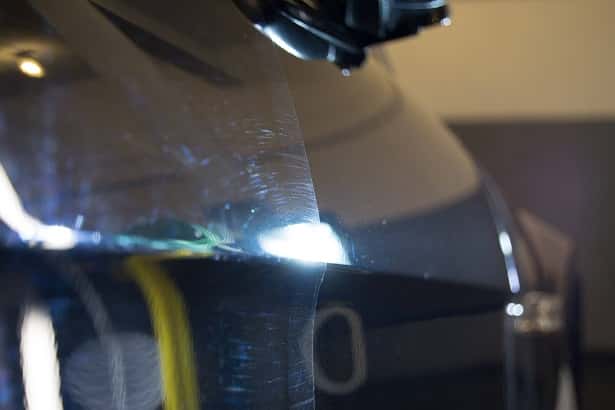
Orange peel appears as a bumpy texture on fresh paint. Sanding smooths these peaks and valleys. Start with a grit that removes the texture without cutting too deep. Sand evenly to level the surface.
After sanding, polish the area to remove sanding marks. This process reveals a glass-like shine. Eliminating orange peel is key to a true mirror finish.
Credit: www.k2-global.com
Polishing Process
The polishing process is key to achieving a mirror finish on your car. It removes minor scratches and smooths the surface. This step enhances the shine and depth of your car’s paint. Proper polishing also prepares the paint for waxing or sealing. Follow the steps carefully for the best results.
Applying Compound
Start by applying a polishing compound to the car’s surface. Use a small amount on a clean pad. Work the compound in small sections. Spread it evenly with light pressure. This helps remove surface imperfections and dullness. Avoid applying too much compound to prevent damage.
Hand Polishing Vs Machine Polishing
Hand polishing gives you control over delicate areas. It is slow but gentle on the paint. Machine polishing is faster and more effective on large surfaces. It uses a rotary or dual-action polisher. Machines provide consistent pressure and speed. Choose the method that suits your skill and car condition.
Buffing Techniques
Buffing removes haze left by the compound. Use a soft, clean microfiber cloth or a foam pad. Move the buffer in slow, circular motions. Keep the pad flat on the surface. Do not press too hard to avoid swirl marks. Buff until the paint looks smooth and glossy.
Polishing With Different Pads
Use cutting pads for heavy scratches and oxidation. These pads are firm and rougher. For light scratches and swirl marks, use polishing pads. They are softer and finish the surface well. Finishing pads add a final shine and smoothness. Match the pad type with the compound strength for best results.
Final Buffing And Wiping
The final buffing and wiping stage brings out the true shine of your car’s paint. This step removes any leftover polish and small residues from the surface. It also enhances the gloss and depth, giving the paint a flawless, mirror-like finish. Proper technique here is key for a professional look.
Using Microfiber Cloths
Choose soft microfiber cloths for buffing and wiping. They are gentle on the paint and reduce the risk of scratches. Use a clean cloth for each section to avoid spreading polish residue. Light, circular motions work best to lift off excess product without dulling the shine.
Removing Residue
Residue from polish or compound must be fully removed. Use a fresh microfiber cloth slightly dampened with water or a detail spray. Wipe the surface carefully to clear all leftover material. This ensures the paint is perfectly clean and ready for inspection.
Achieving Depth And Clarity
Buffing enhances the paint’s depth and clarity by smoothing the surface. Focus on even pressure and consistent motion. This creates a rich, deep shine that reflects light beautifully. The car’s finish will look smooth, clear, and mirror-like after this step.
Common Mistakes To Avoid
Achieving a mirror finish on your car requires patience and careful technique. Many beginners make avoidable mistakes that damage the paint or waste time. Recognizing these common errors helps protect your car’s surface and improves the final shine. Avoiding these pitfalls leads to smoother, clearer results and a flawless look.
Overheating The Paint
Applying too much heat can burn the paint. It causes discoloration and dull spots. Use a buffer at a low speed and keep it moving constantly. Pause often to let the paint cool down. Overheating ruins the clear coat and may need costly repairs.
Using Incorrect Pressure
Too much pressure can scratch or remove paint layers. Too little pressure won’t polish effectively. Hold the buffer or pad gently but firmly. Let the tool do the work, not your hands. Consistent, moderate pressure gives the best smooth finish without damage.
Skipping Steps
Each step in polishing prepares the surface for the next. Skipping sanding or cleaning leads to poor shine and swirl marks. Follow the full process: wash, sand, polish, and wax. Missing steps can leave imperfections and reduce the mirror effect.
Maintenance Tips
Maintaining a mirror finish on your car requires consistent care. Small efforts every week protect the shine and keep the surface smooth. Follow simple steps to avoid dullness and scratches. Proper maintenance extends the life of your car’s finish and keeps it looking new.
Regular Washing
Wash your car often to remove dirt and grime. Use a soft sponge or microfiber cloth to avoid scratches. Choose a gentle car shampoo designed for automotive paint. Rinse thoroughly with clean water to remove all soap residue. Dry your car with a soft towel to prevent water spots. Clean surfaces reflect light better, enhancing the mirror shine.
Proper Waxing
Wax your car every few months to protect the paint. Apply a high-quality car wax in thin, even layers. Use a soft applicator pad and work in small sections. Let the wax dry until it hazes, then buff with a clean microfiber cloth. Waxing adds a protective layer that repels dirt and water. It also deepens the shine for a mirror-like finish.
Avoiding Harsh Chemicals
Stay away from strong detergents and household cleaners. These can strip away wax and damage paint. Use only products made for automotive surfaces. Avoid abrasive cleaners that cause micro-scratches. Check product labels to ensure they are safe for car paint. Gentle cleaning preserves the smoothness needed for a mirror finish.
Mirror Finish On Plastic And Other Surfaces
Achieving a mirror finish on plastic and other non-metal surfaces requires different techniques than on metal. Plastic can scratch easily and may not react well to harsh polishing methods. Using the right materials and gentle processes helps to bring out a glossy, reflective shine. Patience and care produce the best results.
Plastic parts like bumpers, trim, and headlights benefit from special polishing products and careful sanding. Protecting these surfaces after polishing keeps them looking shiny longer. Here are key steps to get that mirror finish on plastic and other surfaces.
Special Polishing Compounds
Use polishing compounds made for plastic surfaces. These are less abrasive than metal polishes. They remove fine scratches without damaging the plastic. Choose a compound labeled safe for plastic or acrylic. Apply it with a soft cloth or foam pad. Work in small sections using circular motions. Buff the surface gently to enhance the shine.
Sanding And Buffing Plastic
Start with fine-grit wet sandpaper, such as 1000 or 1500 grit. Sand the plastic evenly to smooth out imperfections. Keep the surface wet to prevent heat buildup and scratches. Move to finer grits like 2000 or 3000 to refine the finish. After sanding, use a plastic polish and a buffing pad to restore gloss. Avoid heavy pressure to prevent melting or warping.
Protecting Non-painted Surfaces
After polishing, apply a protective layer to maintain the mirror finish. Use plastic sealants or waxes made for non-painted surfaces. These products help resist UV rays, dirt, and water stains. Reapply the protection regularly to keep the shine fresh. Clean the surfaces with mild soap and water before applying any protectant.
Credit: www.drbeasleys.com
Frequently Asked Questions
How Do I Get A Mirror Finish On My Car?
Sand your car’s paint flat to remove orange peel and texture. Then, buff and polish using a quality compound and microfiber cloth for a mirror finish.
How To Achieve A Mirror Finish?
Achieve a mirror finish by wet sanding the surface with fine grit sandpaper. Then, buff with polishing compound until shiny. Clean thoroughly before and after polishing for best results.
What Paint Gives A Mirror Effect?
Rust-Oleum Specialty Mirror Spray creates a mirror effect on glass or acrylic surfaces. It comes in silver and gold finishes.
How To Get A Mirror Finish On Plastic?
Clean the plastic with soapy water and dry it. Wet sand using fine-grit sandpaper in circular motions. Apply plastic polishing compound. Buff with a soft cloth or buffing pad until shiny. Repeat polishing and buffing for a clear mirror finish.
Conclusion
Achieving a mirror finish on your car takes time and patience. Start with proper cleaning, then carefully sand to remove imperfections. Use quality polishing compounds and buff in small sections. Keep your tools clean and work in good light for best results.
Regular maintenance helps keep the shine bright longer. With steady effort, your car will reflect light like glass. Enjoy the smooth, glossy look you worked hard to create. Your car’s surface will stand out wherever you go.