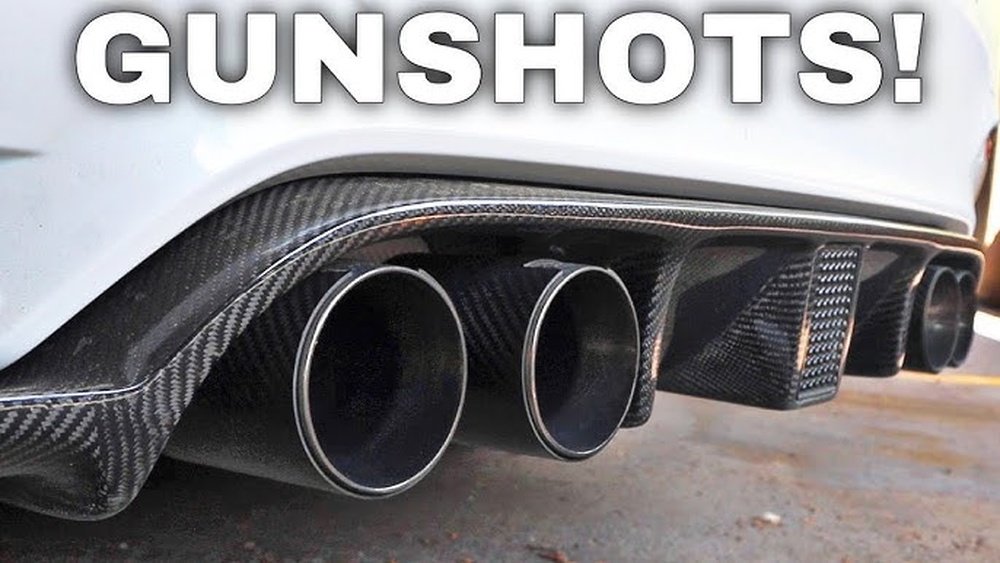
Do you want your car to roar with that thrilling exhaust popping sound that turns heads everywhere you go? Getting that signature pop isn’t just about loud noise—it’s about making your ride feel alive and powerful every time you hit the gas.
Whether you’re looking to spice up your daily drive or impress your friends at the next meet, this guide will show you simple and effective ways to get that explosive exhaust pop sound. Keep reading, and you’ll discover easy techniques and smart upgrades that bring your car’s personality to life—without risking damage or breaking the law.
Ready to make your exhaust sing? Let’s dive in!
Exhaust Popping Basics
The popping sound from a car’s exhaust is a popular effect among car enthusiasts. It adds a sporty and aggressive note to the vehicle’s sound. Understanding the basics of exhaust popping helps you achieve this sound safely and effectively.
This phenomenon occurs due to specific engine and exhaust conditions. Knowing why your exhaust pops and what sounds to expect will guide you in creating the desired effect.
Why Exhaust Pops
Exhaust popping happens when unburnt fuel ignites in the exhaust system. This occurs during deceleration or gear shifts. The engine’s timing and fuel mixture cause fuel to pass into the exhaust. When this fuel burns, it creates a small explosion, producing the popping sound.
Other factors include the type of exhaust system and engine tuning. Performance exhausts with less restriction often allow more pops. Some drivers modify their engine control unit (ECU) to increase popping intentionally.
Common Sounds Explained
Exhaust popping varies in sound and intensity. A light crackle is common during gear changes or throttle lift-off. Deeper pops or bangs happen with high-performance setups or aggressive tuning.
Sometimes, a slight backfire occurs, which is a louder, sharper sound. This is caused by excess fuel igniting outside the combustion chamber. Understanding these sounds helps distinguish safe popping from engine issues.

Credit: www.ml-vehicle.com
Driving Techniques For Popping
Driving techniques play a key role in creating the exhaust popping sound. These sounds happen when unburnt fuel ignites in the exhaust system. Using certain driving habits can help produce this effect safely. Learning these methods helps you enjoy the sound without harming your engine.
Below are some simple driving techniques to get the desired popping sound from your exhaust.
Throttle Blipping
Throttle blipping means quickly pressing and releasing the gas pedal. This action raises the engine speed briefly. It causes extra fuel to enter the exhaust system. When the fuel burns there, it creates a popping sound. This technique works best during gear shifts or slowing down.
Engine Braking Method
Engine braking happens when you release the gas and downshift. This reduces the car’s speed using the engine instead of the brakes. The sudden change can cause unburnt fuel to ignite in the exhaust. This ignition creates the popping or crackling sounds. It gives a sporty feel while driving.
Rpm Management
Managing RPM means controlling your engine speed carefully. Keep the RPMs high enough to produce unburnt fuel in the exhaust. Avoid redlining or running the engine too hard. Smoothly raising and lowering RPMs helps keep the popping sound consistent. This method requires practice but is safe for the engine.
Tuning For Loud Bursts
Creating loud bursts or pops from your exhaust requires precise tuning. This tuning changes how your engine burns fuel and releases exhaust gases. These modifications help produce the desired popping sound, making your car stand out.
Adjustments in the engine control unit (ECU) and ignition timing play a key role. They allow unburnt fuel to ignite in the exhaust system, causing those sharp bursts. Let’s explore the main tuning methods to get loud exhaust pops.
Ecu Remapping
ECU remapping changes the factory settings of your car’s engine. It alters fuel delivery and air mixture for performance or sound goals. By tweaking these values, more unburnt fuel reaches the exhaust. This fuel ignites there, causing loud popping sounds.
Remapping must be done carefully to avoid engine damage. A professional can adjust settings to balance sound and engine health. Proper ECU remapping improves exhaust noise without harming your vehicle.
Pop And Bang Tunes
Pop and bang tunes are specific software modifications designed for loud exhaust bursts. They increase fuel injection during deceleration or shifting. This extra fuel creates explosions in the exhaust pipe.
These tunes create a distinct crackling and popping sound. They are popular among car enthusiasts who want aggressive exhaust notes. The tunes adjust fuel mapping and ignition to produce these effects.
Late Ignition Timing
Late ignition timing delays the spark plug firing after the piston reaches the top. This delay lets unburnt fuel enter the exhaust system. The fuel then ignites in the exhaust pipe, causing loud pops and bangs.
This method requires precise control to avoid engine damage or poor performance. Late ignition timing is often part of pop and bang tune packages. It enhances the exhaust sound without harming engine components.
Exhaust System Upgrades
Upgrading the exhaust system is a key step to get that desired exhaust popping sound. Changes in parts influence how exhaust gases flow and ignite. These upgrades help release unburnt fuel, creating the popping effect. Different components affect sound quality and volume differently.
Choosing the right upgrades depends on your vehicle and sound goals. Modifications should balance sound, performance, and legal limits. Here are common exhaust system upgrades that help achieve that popping noise.
Aftermarket Mufflers
Aftermarket mufflers replace the factory muffler with a design that changes exhaust flow. They often use less restrictive materials and shapes. This allows exhaust gases to exit faster, increasing sound volume. Some mufflers have chambers that create popping by reflecting sound waves.
These mufflers make the exhaust note deeper and louder. The popping sound becomes more noticeable during deceleration. Installing an aftermarket muffler is a simple upgrade with a big effect on sound.
High-flow Catalytic Converters
High-flow catalytic converters have fewer restrictions than stock versions. They improve exhaust gas flow and reduce backpressure. This change affects how fuel burns in the exhaust system. Unburnt fuel can ignite more easily, causing pops and crackles.
These converters maintain emissions control while enhancing sound. They help achieve a sharper, more aggressive exhaust tone. High-flow cats are popular for those wanting sound and performance without removing emissions parts.
Straight Pipe Modifications
Straight pipe modifications remove mufflers and catalytic converters entirely. This creates a direct path for exhaust gases to escape. The result is a loud, raw exhaust sound with frequent popping and backfires.
This setup maximizes exhaust flow and popping effects but may be loud and illegal on public roads. It works best for racing or off-road vehicles. Straight piping requires careful tuning to avoid engine damage and excessive noise.
Cam Timing Adjustments
Cam timing adjustments play a key role in creating the exhaust popping sound. This technique changes when the exhaust valves open and close. It alters how the engine breathes and how exhaust gases exit.
Changing cam timing affects engine performance and the sound coming from the exhaust. It can make the engine run rougher or smoother. Tuning cam timing to favor exhaust valve timing can cause the desired popping effect.
Advancing Exhaust Valves
Advancing the exhaust valves means opening them earlier in the engine cycle. This lets exhaust gases leave sooner. The early release can cause unburnt fuel to ignite in the exhaust system. The ignition creates the popping sound.
Adjusting cam timing to advance exhaust valves requires precision. Too much advance can harm engine efficiency. Small changes create a balance between sound and performance. This is the secret to a strong but safe exhaust pop.
Effects On Fuel Burn
Changing exhaust valve timing affects how fuel burns inside the engine. Advancing valves can leave some fuel unburnt in the exhaust. This unburnt fuel then ignites outside the engine, causing the pop or crackle.
Fuel burn efficiency drops slightly with these changes. The engine may use more fuel to maintain power. Proper tuning keeps the engine safe while producing the popping sound. This tuning avoids damage and keeps fuel use reasonable.

Credit: www.youtube.com
Safety And Legal Aspects
Creating the popular exhaust popping sound can be exciting for car enthusiasts. Understanding safety and legal aspects is crucial before modifying your vehicle. Popping sounds may seem harmless, but they can affect your engine and vehicle legality. Always consider risks to avoid costly repairs or fines.
Potential Engine Damage
Exhaust popping often means unburnt fuel ignites in the exhaust system. This can cause heat spikes that damage engine parts. Repeated popping may burn exhaust valves, causing poor engine performance. Ignoring these effects can lead to expensive engine repairs. Proper care helps prevent long-term damage.
Catalytic Converter Risks
The catalytic converter cleans harmful gases from exhaust. Popping sounds can create extreme heat, damaging this vital part. A damaged converter reduces engine efficiency and increases emissions. Replacing it can be costly and time-consuming. Protect your catalytic converter by avoiding harsh popping methods.
Street Legality Issues
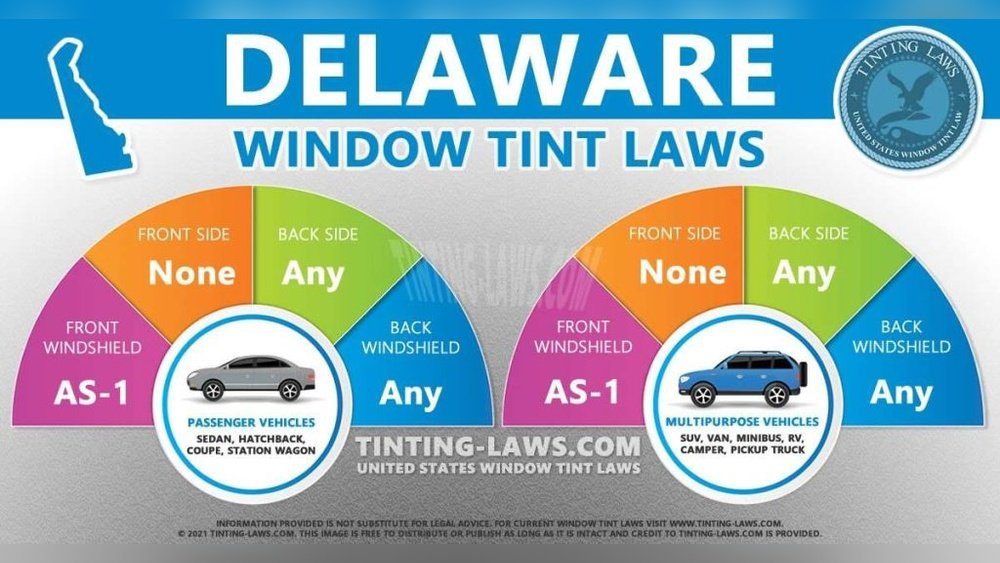
Many places regulate vehicle noise and emissions strictly. Loud exhaust popping may break local laws and result in fines. Some states require inspections that check exhaust modifications. Illegal modifications risk your vehicle registration or insurance coverage. Always check local laws before making changes to your exhaust system.
Achieving Exhaust Crackle
Achieving that satisfying exhaust crackle adds excitement to your ride. It creates a sporty, aggressive sound that many car enthusiasts desire. The crackle happens when unburnt fuel ignites in the exhaust system, producing a sharp popping noise.
To get this sound, tuning the engine properly and controlling the fuel mixture are key. These steps help create the perfect conditions for crackling without damaging your engine. Below, we explore two important methods to achieve exhaust crackle.
Tuning For Crackle
Tuning the engine adjusts when and how fuel ignites. Retarding the ignition timing slightly can cause fuel to burn later, even inside the exhaust. This late combustion produces the popping sound.
A professional tune can optimize spark timing and fuel delivery. It ensures the engine runs safely while encouraging crackle during deceleration or gear shifts. Custom tuning software or a performance chip often helps achieve these settings.
Fuel Mixture Control
The fuel mixture plays a big role in exhaust popping. A richer mixture leaves more unburnt fuel in the exhaust. This extra fuel ignites when it meets hot gases, creating crackle sounds.
Adjusting the air-fuel ratio to be slightly rich helps produce these pops. Some use fuel cut-off strategies to inject fuel during deceleration. Proper control avoids excessive fuel waste and engine damage.
Combining precise tuning with careful fuel mixture control can create consistent exhaust crackle. This method enhances your car’s sound and driving experience without risking engine health.
Credit: www.exclusiveimportsautorepair.com
Common Mistakes To Avoid
Creating the perfect exhaust popping sound can be fun and satisfying. Many try it without knowing common pitfalls. Avoiding these mistakes helps keep your car safe and running well. Below are the main errors to watch out for.
Overdoing Popping
Excessive popping can harm your engine and exhaust system. It creates extra heat and pressure inside the exhaust. This may lead to cracked pipes or damaged valves. Keep popping bursts short and controlled to protect your vehicle.
Ignoring Maintenance
Good maintenance is key for any exhaust modification. Dirty spark plugs or old fuel filters reduce engine performance. This can cause rough pops or no sound at all. Regularly check and replace parts to keep your system working smoothly.
Unsafe Driving Practices
Aggressive driving to get exhaust pops is risky. Sudden acceleration and hard shifting can cause accidents. It also wears out your clutch and transmission faster. Practice safe driving habits while enjoying your car’s new sound.
Conclusion
Getting that exhaust popping sound adds fun and style to your drive. Use proper driving techniques to start safely. Upgrading your exhaust system helps create louder pops. ECU tuning can enhance the effect but may affect engine health. Always balance sound with engine care to avoid damage.
Enjoy the unique sound but drive responsibly and safely. Keep your car maintained for the best performance. Popping exhausts turn heads but require smart choices. Experiment carefully and listen to your car’s feedback.