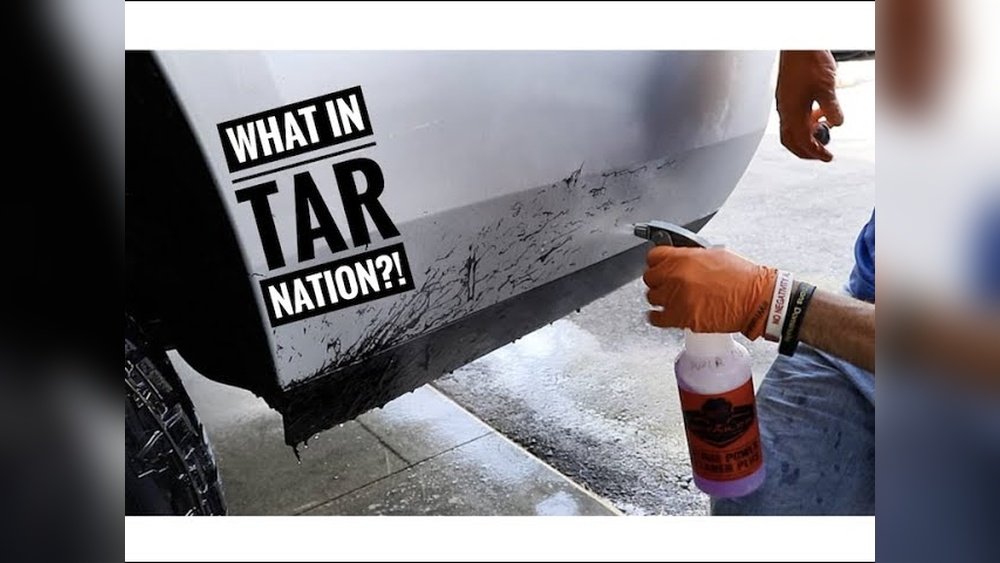
Getting tar on your car can be frustrating. Those sticky, black spots not only look bad but can also harm your paint if left untreated.
You want your car to shine and stay protected, right? The good news is, you don’t have to live with that stubborn tar. With the right approach, you can safely and effectively remove tar from your car’s surface without damaging the paint.
Keep reading, and you’ll learn simple, proven steps to get your car looking clean and smooth again—no expensive detailing required!
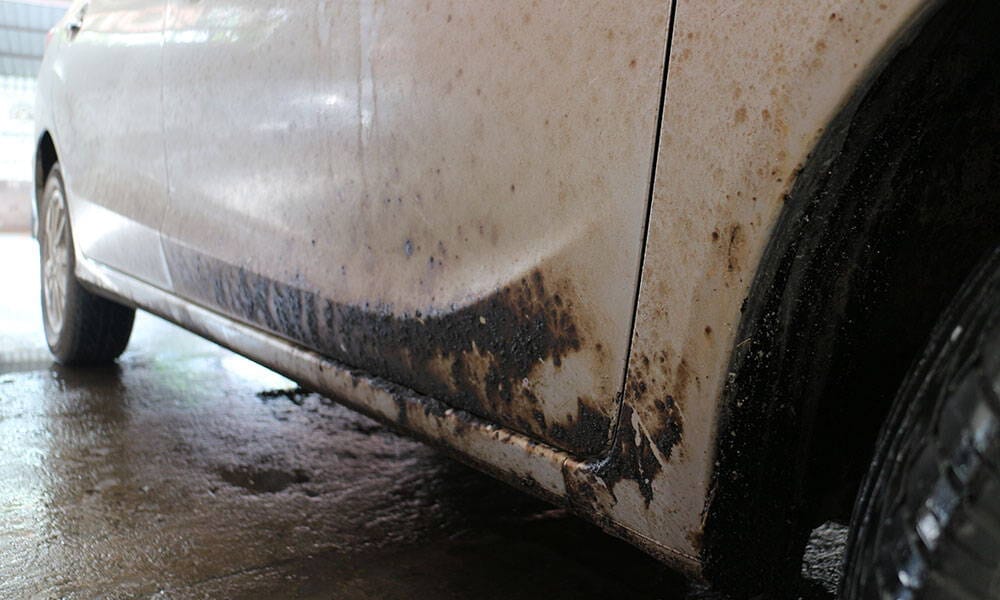
Credit: www.torquedetail.com
Preparing Your Car
Preparing your car before removing tar is essential. It helps protect the paint and makes tar removal easier. Taking a few simple steps sets a good base for cleaning.
Start by choosing the right spot and cleaning the surface. This avoids damage and improves results.
Park In Shade
Park your car in a shaded area. Direct sunlight heats the surface and can cause cleaning products to dry too fast. This may leave streaks or spots. Shade keeps the paint cooler and safer during the cleaning process.
Initial Wash
Begin with a gentle wash using car shampoo and water. Remove loose dirt and dust first. This prevents scratching the paint while working on the tar. Use a soft sponge or microfiber cloth for best results. Rinse the car well and dry with a clean towel before moving to tar removal.
Credit: www.autozone.com
Choosing The Right Product
Choosing the right product is the first step to remove tar from your car safely. The wrong product can damage your car’s paint or leave stains. Some products work better on fresh tar, while others are made for tough, old spots. Knowing your options helps you pick what fits your needs and budget.
Products fall into two main groups: commercial tar removers and household alternatives. Each has pros and cons. Understanding these will make the cleaning process easier and more effective.
Commercial Tar Removers
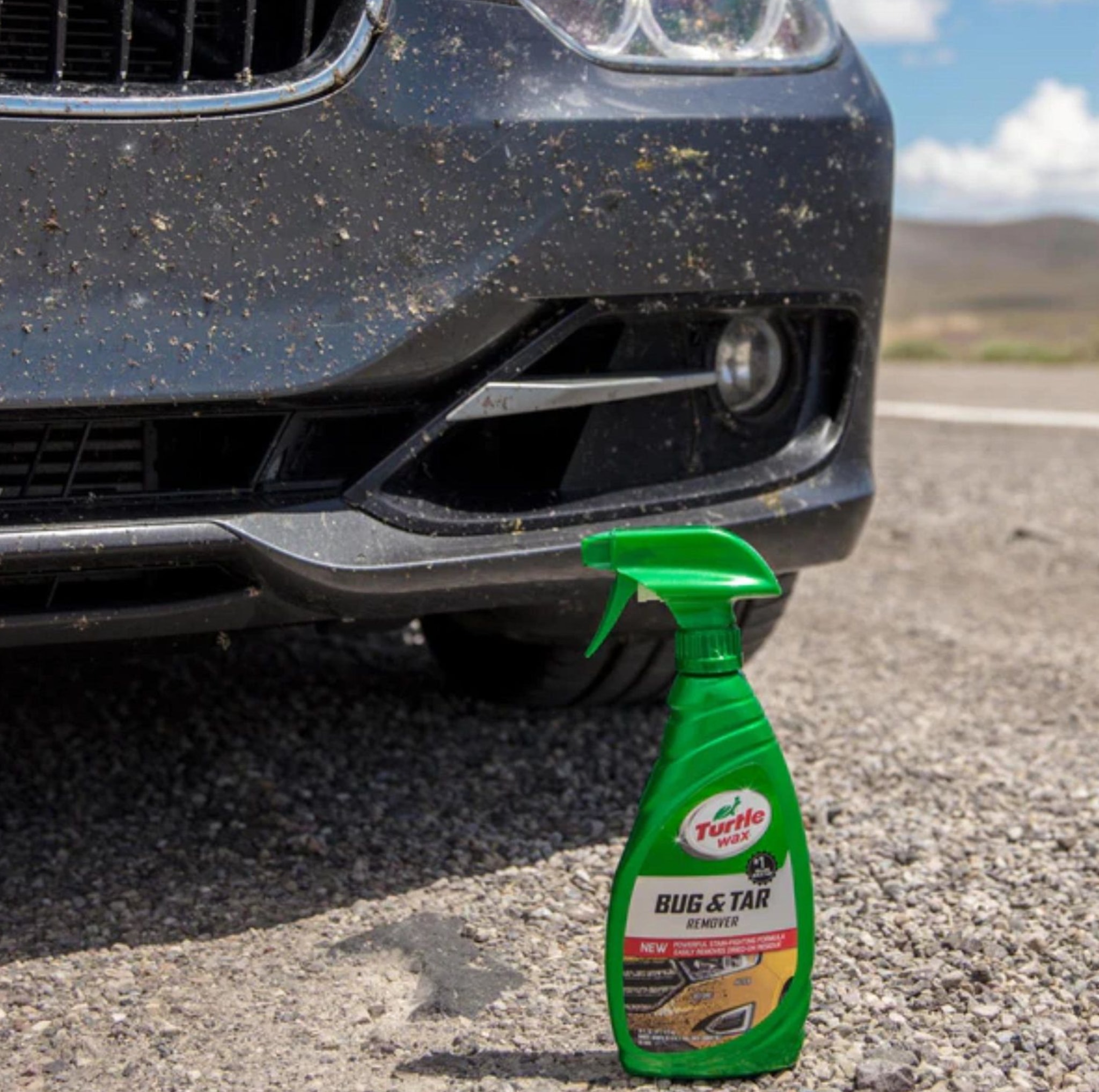
Commercial tar removers are made specifically for removing tar from cars. They usually contain chemicals that break down tar quickly. These products are safe for most car paints if used as directed. Many come in spray or gel form for easy application.
They work fast and require less effort. Some popular brands include Goo Gone and Stoner Tarminator. Always read the label before use. Test on a small, hidden area first to avoid damage.
Household Alternatives
Household items can also remove tar without harsh chemicals. Common choices are vegetable oil, WD-40, and even peanut butter. These work by softening the tar, making it easier to wipe off.
These options are gentle on paint but may take more time and elbow grease. Use a clean cloth and work carefully to avoid spreading the tar. Rinse the area well after treatment to remove oily residue.
Removing Tar Step-by-step
Removing tar from your car can seem tough. Follow these simple steps to clean it safely and effectively. This process protects your car’s paint and leaves it looking fresh.
Apply Tar Remover
Start by applying a tar remover product to the affected area. Use a product made for cars to avoid damage. Spray or dab the remover directly on the tar spots.
Let It Soak
Allow the tar remover to sit and soak into the tar. Wait for at least five minutes. This softens the tar, making it easier to remove without scrubbing hard.
Wipe Gently
Use a clean microfiber cloth to wipe the tar gently. Avoid pressing too hard to protect the paint. Wipe in small circles until the tar starts to lift off.
Repeat If Needed
Check the area after wiping. If tar remains, repeat the steps again. Some spots may need more than one treatment. Be patient and work slowly for best results.

Credit: www.youtube.com
Protecting Your Car’s Paint
Protecting your car’s paint is crucial when removing tar. Tar can stick hard, but harsh methods can damage paint. Taking gentle steps helps keep your car shiny and safe. Follow simple tips to protect the paint while clearing off tar.
Use Microfiber Cloths
Microfiber cloths are soft and gentle on paint. They lift dirt and tar without scratching the surface. Use clean microfiber cloths to avoid rubbing dirt into the paint. Always use a fresh cloth when wiping off tar.
Avoid Scrubbing
Scrubbing can harm your car’s paint. Tar sticks tightly, but rough scrubbing can cause scratches. Instead, let tar removers soak and soften the tar. Then wipe gently with a microfiber cloth for safe removal.
Wash After Removal
After tar removal, wash your car with mild soap and water. This removes leftover chemicals and dirt. Washing keeps the paint clean and ready for protection. Use a gentle car shampoo to avoid stripping paint.
Apply Wax Or Sealant
Wax or sealant shields your car’s paint from damage. It creates a protective layer against dirt, tar, and weather. Apply wax after washing and drying your car. This step keeps paint smooth and glossy longer.
Tips For Stubborn Tar
Stubborn tar on your car can test anyone’s patience. Simple washing might not remove it fully. Tar often sticks hard and needs special care. Use these tips to tackle tough tar spots without harming your paint. They help break down the tar gently and safely.
Extended Soaking
Let tar remover sit longer on tough spots. Extended soaking softens tar, making it easier to remove. Apply the product and wait at least 10 minutes. Check the area and add more remover if needed. Avoid scrubbing hard to protect your car’s paint.
Spot Treatment
Focus on tar spots with a targeted approach. Use a small amount of remover on a clean cloth. Gently rub the tar until it loosens. Work in small sections for better control. This method prevents spreading tar or damaging nearby paint.
Safe Solvents
Choose solvents that clean without harming your car. Products like mineral spirits or commercial tar removers work well. Test any solvent on a hidden area first. Avoid harsh chemicals like acetone or paint thinner. Use solvents in a well-ventilated area and follow instructions carefully.
Common Mistakes To Avoid
Removing tar from your car requires care. Many people make simple mistakes that cause more harm than good. Avoiding these errors protects your car’s paint and keeps it looking great. Learn about common mistakes and how to steer clear of them.
Using Harsh Chemicals
Strong chemicals can damage your car’s paint. Some products eat away at the clear coat or paint layer. Always choose gentle tar removers made for cars. Test any new product on a small hidden spot first. Harsh chemicals may remove tar but cause lasting damage.
Ignoring Paint Damage
Tar can stick hard and pull paint off when removed roughly. Check your car’s paint before and after cleaning tar. If you see scratches or dull spots, treat them quickly. Use polish or touch-up paint to restore the surface. Ignoring paint damage lets it worsen over time.
Skipping Waxing
Waxing your car after tar removal protects the paint. Wax seals the surface and makes future cleaning easier. Many skip this step and leave paint unprotected. Always apply a good quality wax or sealant once the tar is gone. Waxing keeps your car shiny and safe from dirt.
Frequently Asked Questions
Will Dawn Dish Soap Remove Tar From Car?
Dawn dish soap can help loosen tar on your car but may not remove it completely. Use tar removers for best results.
Will Tar Eventually Come Off A Car?
Tar won’t come off a car on its own over time. Use a tar remover or specialized cleaner to remove it safely.
Does Wd-40 Dissolve Tar?
WD-40 can soften and help dissolve tar on surfaces. Apply it, let it sit briefly, then wipe with a microfiber cloth. Repeat if needed for stubborn tar. Always wash the area afterward to remove residue and protect your car’s paint.
Will Rubbing Alcohol Remove Tar From A Car?
Rubbing alcohol can remove tar from a car without damaging paint. Apply it gently, then rinse with clear water. Use a microfiber cloth to avoid scratches.
Conclusion
Removing tar from your car does not have to be hard. Use gentle cleaners and soft cloths for best results. Work carefully to avoid damaging your paint. Patience helps when tar is stubborn. Regular washing keeps your car looking fresh and clean.
Keep these tips handy for next time tar appears. Your car will thank you with a smooth, shiny finish.