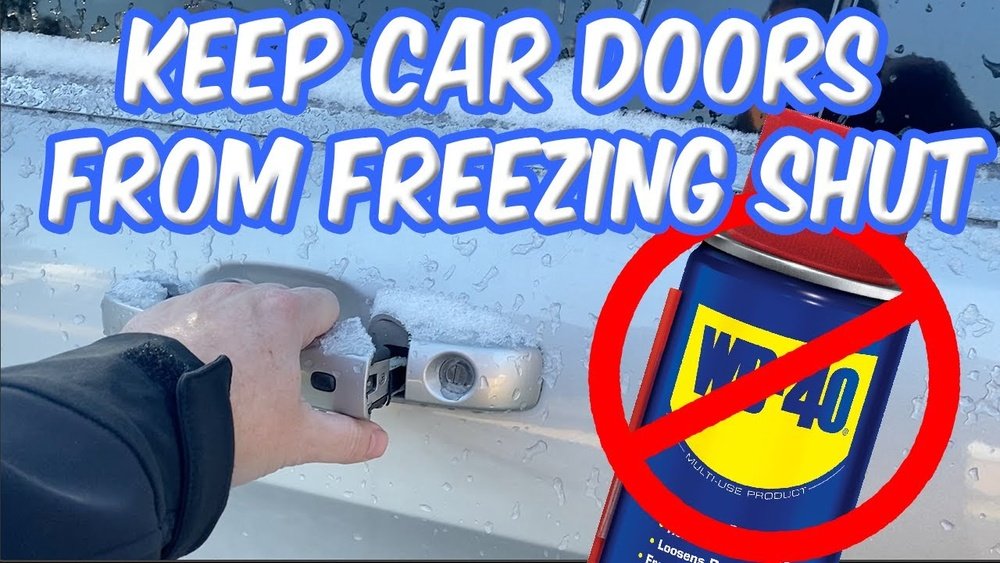
Nothing is more frustrating on a cold winter morning than reaching for your car door handle—and finding it frozen shut. If you’ve ever struggled with icy doors that just won’t budge, you know how much time and stress it can add to your day.
But what if you could stop this from happening in the first place? By taking a few simple steps, you can keep your car doors working smoothly all winter long. You’ll discover easy, effective ways to prevent your car doors from freezing shut—saving you from chilly battles and rushed mornings.
Keep reading to learn the best tips that will protect your car and give you peace of mind when the temperature drops.

Credit: automaniacs.us
Why Car Doors Freeze
Car doors freeze due to moisture and cold temperatures. Water or condensation collects on the door seals. When temperatures drop, this moisture turns into ice. The ice causes the door seals to stick to the frame. This makes it hard or impossible to open the door.
Freezing often happens overnight or during heavy frost. The door lock and latch can also freeze. Dirt and grime on the seals trap moisture, making freezing worse. Cars parked outside in cold weather face higher risks of freezing doors.
How Moisture Builds Up On Car Doors
Moisture comes from rain, snow, or humidity. Condensation forms when warm air hits cold surfaces. This moisture settles on rubber seals and metal parts. Dirt on seals holds water close to the door. This allows ice to form quickly.
The Role Of Rubber Seals In Freezing
Rubber seals keep water out and air tight. When wet, they become sticky. Cold turns the water trapped in seals to ice. The frozen seals bond tightly to the car frame. This locks the door in place until the ice melts.
Why Temperature Drops Cause Door Locks To Freeze
Lock cylinders have small gaps where moisture collects. Cold weather freezes the moisture inside the lock. Frozen locks prevent key or remote entry. This adds to the problem of frozen car doors.
Lubricate Rubber Seals
Lubricating the rubber seals on car doors helps stop them from freezing shut. These seals keep water and cold out. When frozen, the seals stick to the car frame. Applying lubricant creates a barrier that repels moisture. This stops ice from forming between the seal and the door. Regular lubrication keeps your doors working smoothly in winter.
Clean Seals Before Application
Start by cleaning the rubber seals well. Use warm water and mild soap. Remove dirt, salt, and old grease. Dry the seals completely before adding lubricant. Clean seals let the lubricant stick better. This improves the protection against freezing. Avoid using harsh chemicals that can damage rubber.
Best Lubricants To Use
Choose lubricants made for rubber weather seals. Silicone spray works well and dries clear. It repels water and stays flexible. Dielectric grease is another good option. It protects seals from moisture and cold. Lanolin-based sprays nourish rubber and keep it soft. Avoid oil-based lubricants that can attract dirt. Apply the lubricant evenly along the entire seal.
Protect Door Locks
Protecting your car door locks is crucial to avoid freezing problems during cold weather. Frozen locks can stop you from opening your car easily. Taking simple steps can keep them working smoothly and save time on cold mornings.
Use Lock De-icer
Lock de-icer melts ice inside the lock quickly. Spray it directly into the keyhole before ice builds up. It helps free frozen locks and stops new ice from forming. Keep a small bottle in your car for emergencies. De-icer works fast and is easy to use.
Apply Lock Lubricant
Lock lubricant protects the internal parts of your lock from moisture. Use a graphite-based or silicone lubricant for best results. Apply a small amount into the lock to keep it moving smoothly. Lubricants prevent rust and ice buildup inside the lock. Regular use keeps locks working well through winter.

Credit: www.wikihow.com
Use Car Covers
Using car covers is a practical way to stop car doors from freezing shut. Covers create a barrier between your car and cold weather. They keep moisture, ice, and snow off the door edges. This reduces the chance of ice forming around the seals. A car cover also protects your vehicle from frost and freezing rain. It saves time and effort on cold mornings by preventing frozen doors.
Types Of Protective Covers
Car covers come in different types based on material and use. Waterproof covers block snow and rain from reaching your car. They often have a soft lining to protect paint. Frost guards are designed specifically to stop frost and ice buildup. Some covers are full, covering the entire car. Others are partial, focusing on the doors and windows. Choose a cover that fits your car size and weather needs.
Benefits For Door Protection
Car covers keep moisture away from door seals. This prevents ice from forming and sticking doors shut. Covers also stop dirt and debris from collecting on seals. Clean seals freeze less easily. Using a cover reduces the need for scraping ice off your car. It keeps your car looking clean and protects paint from harsh weather. Overall, covers make winter car care easier and more effective.
Keep Door Frames Clear
Keeping the door frames clear is essential to prevent car doors from freezing shut. Moisture, snow, and ice can build up around the edges and locks, causing the doors to stick. A clean and dry frame reduces the chance of ice forming and locking the door shut. Simple daily care can save you from a lot of trouble on cold mornings.
Taking a few minutes to maintain the door frames helps keep the rubber seals flexible. This stops ice from bonding the door to the car body. It also makes opening and closing the door much easier during winter months.
Remove Snow And Ice Regularly
Remove snow and ice from door frames every day. Use a soft brush or cloth to clear away loose snow. Avoid using sharp tools that can damage the rubber seals. Gently wipe the edges to remove ice buildup before it freezes solid. This prevents water from seeping into the seals and freezing. Clear frames allow doors to open smoothly without sticking.
Apply Glycerin To Seals
Apply glycerin to door seals to keep them soft and water-resistant. Use a clean cloth to spread a thin layer on the rubber edges. Glycerin acts as a barrier that stops moisture from freezing inside the seals. This simple step reduces the chance of doors freezing shut. Repeat the application every few days during cold weather for best results.
Ensure Windows Are Fully Closed
Keeping car doors from freezing shut starts with small but important steps. One key tip is to ensure your car windows are fully closed. Open or slightly open windows let moisture inside your car. This moisture can freeze overnight, causing doors to stick or freeze shut.
Check every window before leaving your car. Make sure they are completely rolled up. Even a small gap can allow cold air and moisture in. This creates ice inside the door frame and around the seals.
Closing windows fully helps keep the inside dry. Dry interiors reduce the chance of ice build-up. This simple action can save you from struggling with frozen doors on cold mornings.
Check Window Seals For Damage
Damaged window seals let water enter your car. Look for cracks or tears in the rubber seals around windows. Replace any damaged seals to keep moisture out. Good seals protect your car interior from cold air and water.
Clear Window Tracks Of Debris
Dirt and leaves in window tracks trap water. This water can freeze and cause windows to stick. Clean window tracks regularly to avoid ice build-up. Use a soft brush or cloth to remove debris and keep tracks dry.
Use Weatherproof Window Covers
Weatherproof covers help protect windows from snow and rain. They block moisture from entering through tiny gaps. Covers are especially useful during heavy storms or freezing rain. Keep covers clean and dry for best results.
Safe Ways To Open Frozen Doors
Frozen car doors can be tough to open without causing damage. Using safe methods protects your vehicle’s seals and paint. Avoid forceful pulling or hitting the door. Instead, try gentle warming or specialized sprays. These techniques loosen ice safely and make opening easier. Follow the tips below to open frozen doors without harm.
Use A Hair Dryer
A hair dryer melts ice around door edges quickly. Hold it a few inches away from seals. Move the heat evenly to avoid overheating one spot. Keep the door slightly open if possible to let warm air inside. This method softens ice gently. It prevents damage to rubber seals or paint. Avoid using open flames or very hot devices. They can cause cracks or warping.
Apply Commercial De-icer
Commercial de-icers contain chemicals that melt ice fast. Spray the product on frozen door edges and locks. Let it sit for a few minutes to break the ice bond. Wipe off melted ice carefully with a soft cloth. These sprays are safe for car paint and rubber. Use them according to package instructions. Do not use household chemicals like bleach or salt. They can harm your car’s finish and parts.

Credit: www.youtube.com
Additional Winter Hacks
Additional winter hacks help protect your car doors from freezing shut. Cold weather causes moisture to freeze on door seals. This leads to difficulty opening the doors in the morning. These simple tricks keep your car doors working smoothly. They also save time and frustration during winter months.
Avoid Pouring Hot Water
Pouring hot water on frozen car doors may seem helpful. It melts the ice quickly but causes other problems. The sudden heat can crack glass or damage paint. After the water cools, it refreezes and makes the problem worse. Use warm water carefully or avoid this method entirely. Choose safer ways to free your doors without harm.
Use Silicone Spray Regularly
Silicone spray protects rubber weather seals on car doors. It creates a waterproof barrier that stops moisture from sticking. Clean the seals before spraying to remove dirt and grime. Apply silicone spray evenly on all door seals. Repeat this every few weeks during winter for best results. This keeps rubber flexible and prevents freezing shut.
Frequently Asked Questions
What Can You Put On Car Doors To Keep Them From Freezing?
Apply silicone spray, dielectric grease, or lanolin-based lubricant on rubber seals to repel moisture and prevent freezing. Use de-icer on locks. Clean seals before applying and keep windows fully closed. Cover the car to block snow and ice buildup on doors.
Will Wd-40 Keep My Doors From Freezing Shut?
WD-40 can help loosen frozen locks but doesn’t prevent doors from freezing shut. Use silicone spray on seals instead.
Does Vaseline Stop Car Doors From Freezing?
Vaseline can help prevent car doors from freezing by lubricating rubber seals. Apply a thin layer to stop moisture buildup and sticking.
How To Get Your Car Door Open If It’s Frozen Shut?
Spray lock and door edges with de-icer or warm water. Use a hairdryer to melt ice. Gently wiggle the handle to open. Avoid force to prevent damage.
Conclusion
Preventing car doors from freezing shut takes simple, regular steps. Keep rubber seals clean and lubricated to stop ice buildup. Use sprays on locks and latches to avoid freezing inside. Cover your car or park in sheltered areas when possible.
Always close windows completely to keep moisture out. These easy habits save time and frustration on cold mornings. A little care now protects your car doors all winter long. Stay prepared, and enjoy hassle-free access no matter the weather.