
You rely on your car every day, so keeping it in good condition isn’t just about looks—it’s about safety, saving money, and peace of mind. Imagine avoiding unexpected breakdowns, costly repairs, and feeling confident every time you hit the road.
The good news? You don’t need to be a mechanic to take care of your car. With simple, regular steps, you can keep your vehicle running smoothly for years. Ready to learn how to protect your investment and enjoy a hassle-free driving experience?
Keep reading, because this guide will show you exactly what to do.
Credit: carfromjapan.com
Regular Fluid Checks
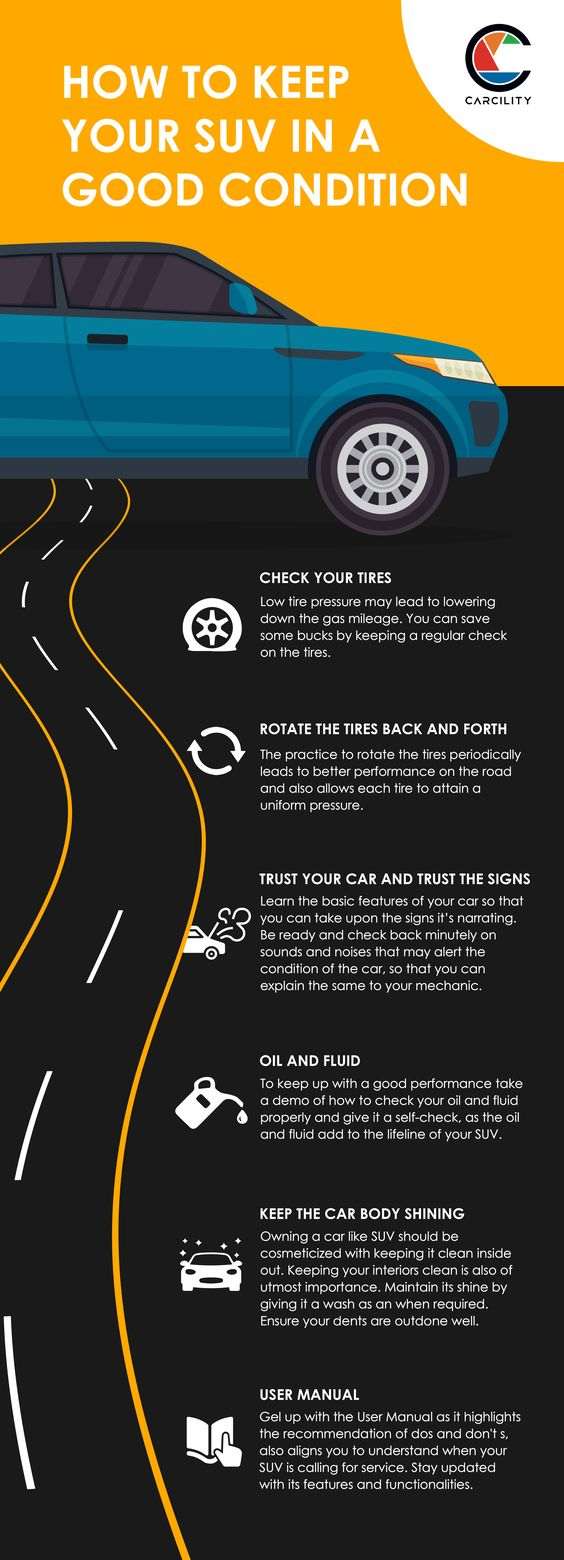
Keeping your car running smoothly depends a lot on regular fluid checks. Fluids are the lifeblood of your vehicle, ensuring every part moves and cools properly. Ignoring them can lead to costly repairs or breakdowns, but keeping an eye on fluid levels is easier than you might think.
Engine Oil Levels
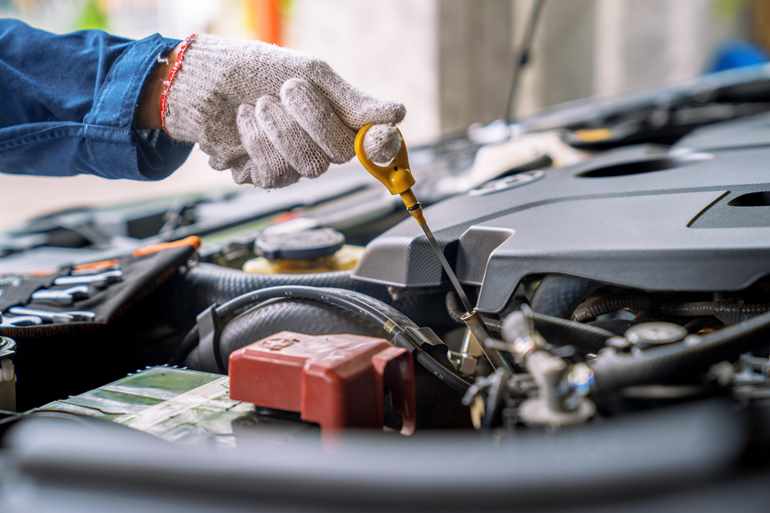
Engine oil lubricates the moving parts inside your engine, preventing wear and overheating. Check the oil level using the dipstick when the engine is cool. If it’s low, add the correct type of oil—your owner’s manual will tell you which one.
I once ignored low oil levels and ended up with engine noise that scared me. A quick top-up fixed it, but it was a wake-up call to check regularly. How often do you check your oil?
Coolant And Brake Fluid
Coolant keeps your engine from overheating by regulating temperature. Brake fluid ensures your brakes respond quickly and safely. Both need to be at proper levels and free from contamination.
Look for the transparent reservoirs under your hood and check the markings. If the levels dip below the minimum line, add the recommended fluid. Have you ever felt your brakes getting “spongy”? That’s often a sign your brake fluid needs attention.
Transmission Fluid
Transmission fluid lubricates and cools the transmission, which controls how your car shifts gears. Low or dirty transmission fluid can cause shifting problems and damage. Check this fluid with the engine running and the car in park or neutral.
If you notice slipping gears or rough shifts, check your transmission fluid first. It might save you from expensive repairs. When was the last time you checked this vital fluid?
Tire Care
Tires play a vital role in your car’s safety and performance. Proper tire care improves fuel efficiency and extends tire life. It also ensures better grip on the road, especially in wet conditions. Regular attention to your tires keeps your car running smoothly and safely.
Maintaining Proper Pressure
Check tire pressure at least once a month. Use a reliable tire gauge for accuracy. Inflate tires to the pressure recommended in your car’s manual. Correct pressure prevents uneven wear and improves fuel economy. Under-inflated tires can cause poor handling and increase the risk of a blowout.
Rotating Tires
Rotate your tires every 5,000 to 7,000 miles. This helps even out tire wear across all tires. Front tires often wear faster due to steering and braking. Rotating tires regularly extends their lifespan and maintains balanced handling. Follow your vehicle’s rotation pattern for best results.
Inspecting For Wear And Damage
Look for cracks, cuts, or bulges on tire surfaces. Check tread depth using a penny or tread depth gauge. Replace tires if tread is below 2/32 of an inch. Uneven wear may indicate alignment or suspension issues. Inspect tires before long trips for added safety.
Battery Maintenance
Battery maintenance is key to keeping your car reliable and starting smoothly every day. A well-maintained battery lasts longer and avoids unexpected failures. Simple care steps prevent problems and save money on repairs.
Regular checks and basic cleaning improve battery performance. Knowing how to stop battery drain, use a trickle charger, and clean terminals helps keep your battery healthy. These habits fit easily into your car care routine.
Preventing Battery Drain
Battery drain happens when electrical parts stay on after the engine stops. Turn off all lights and accessories before leaving your car. Avoid leaving devices plugged into the charger for long periods. Check for any electrical faults that might cause slow drain. Regularly drive your car to keep the battery charged.
Using A Trickle Charger
A trickle charger supplies a low, steady charge to your battery. It keeps the battery full during long periods of inactivity. Connect it properly to avoid damage. Use a charger with automatic shut-off to prevent overcharging. This tool is useful in winter or if you park your car for weeks.
Cleaning Battery Terminals
Corrosion on battery terminals reduces power flow. Clean terminals regularly with a mixture of baking soda and water. Use a wire brush to remove buildup gently. Disconnect the battery before cleaning to avoid short circuits. After cleaning, apply petroleum jelly to prevent future corrosion.
Credit: www.carcility.com
Engine And Belt Inspection
The engine and belts are vital for your car’s smooth operation. Regular inspection keeps problems away and saves repair costs. Simple checks help spot wear before it causes serious damage. Pay close attention to belts, as they power many engine parts. A small crack or tear can cause big trouble fast. Learn how to check drive belts, identify cracks, and replace worn parts. This keeps your engine running strong and your car reliable.
Checking Drive Belts
Drive belts transfer power from the engine to other components. Look under the hood for the serpentine and timing belts. Use a flashlight to see clearly. Check if belts are tight and properly aligned. Loose belts can slip and reduce performance. Listen for squealing sounds when the engine runs. These noises often signal belt problems. Regular belt checks prevent breakdowns and keep your car safe on the road.
Spotting Cracks And Abrasions
Carefully examine belts for cracks, frays, or shiny spots. Cracks look like small lines across the belt’s surface. Abrasions appear as rough or worn areas. Shiny patches mean the belt is slipping. These signs show the belt is weakening. Check belts every few months or after long trips. Early spotting helps avoid sudden belt failure. Replace belts before damage worsens to maintain engine health.
Replacing Worn Components
Replace belts that show wear or damage immediately. Use the correct belt type for your car model. Follow the car manual for replacement instructions or visit a mechanic. Also check belt tensioners and pulleys. Worn tensioners can cause belts to loosen or slip. Replace all worn components together for best results. Timely replacement keeps your engine running smoothly and prevents costly repairs later.
Brake System Care
The brake system is vital for your car’s safety and performance. Proper care keeps your brakes working well. It prevents accidents and costly repairs. Regular checks and maintenance help spot problems early. This section covers key steps to keep your brake system in good shape.
Inspecting Brake Pads And Rotors
Brake pads wear down over time and need checking. Look for thin or cracked pads. If pads are too thin, replace them immediately. Rotors should be smooth without deep grooves. Uneven rotors cause vibration when braking. Check for rust or damage on rotors. Worn pads or rotors reduce braking power and safety.
Monitoring Brake Fluid
Brake fluid transfers pressure to your brakes. Check the fluid level regularly. Low fluid can cause brake failure. Brake fluid should be clear or light amber. Dark or dirty fluid means it needs changing. Change brake fluid every two years or as your car manual says. Clean fluid ensures smooth and responsive braking.
Addressing Rust Build-up
Rust can form on brake parts, especially in wet areas. Rust weakens brake components and affects performance. Clean rust off rotors and calipers gently. Use a wire brush or rust remover. Avoid harsh chemicals that damage parts. Drive your car often to prevent rust from forming. Regular inspections catch rust early before it worsens.
Car Cleaning Tips
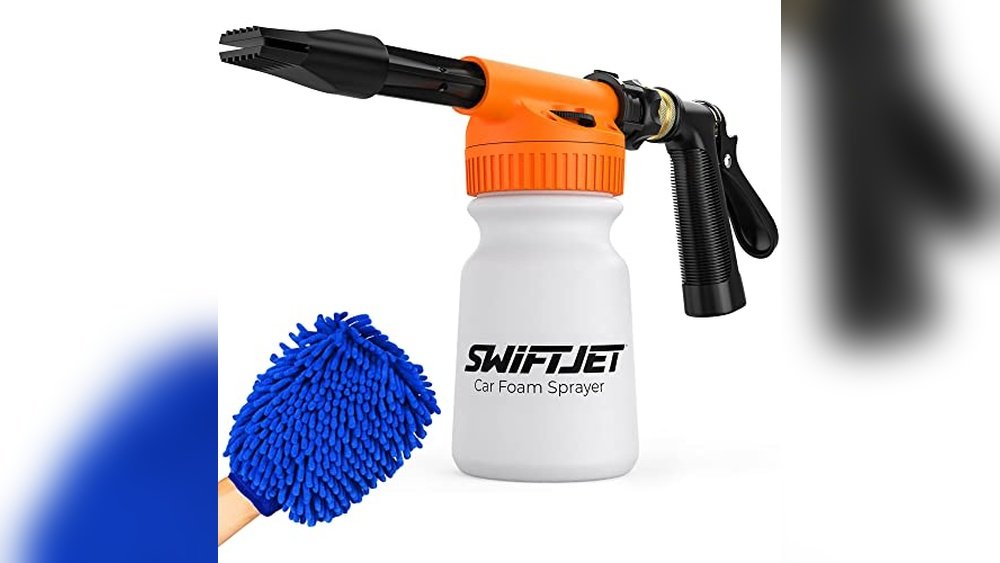
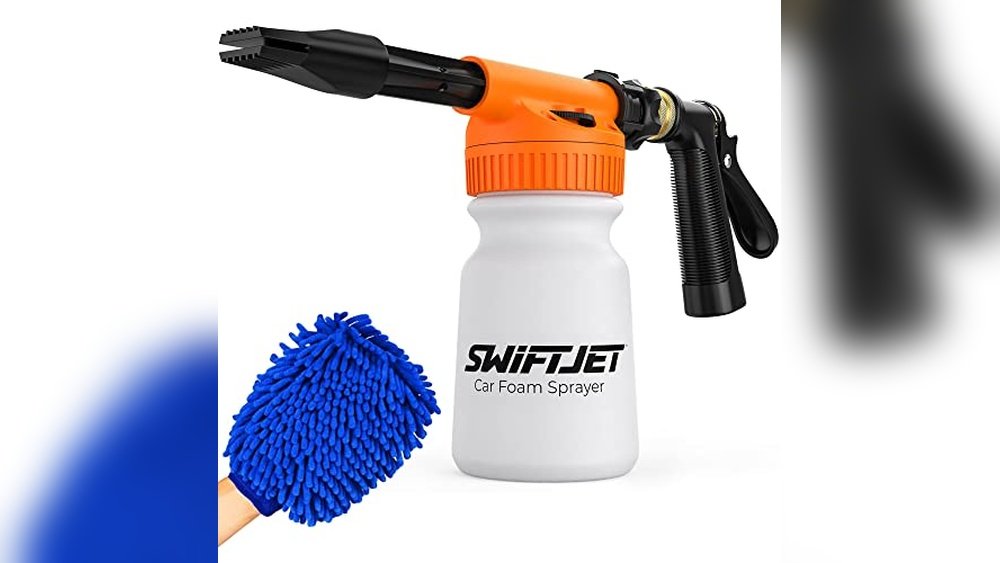
Keeping your car clean is key to maintaining its value and performance. Dirt, dust, and grime can damage your vehicle over time. Regular cleaning protects both the outside and inside of your car. It also keeps your driving experience pleasant and safe. Below are simple tips to help you clean your car properly.
Washing Frequency
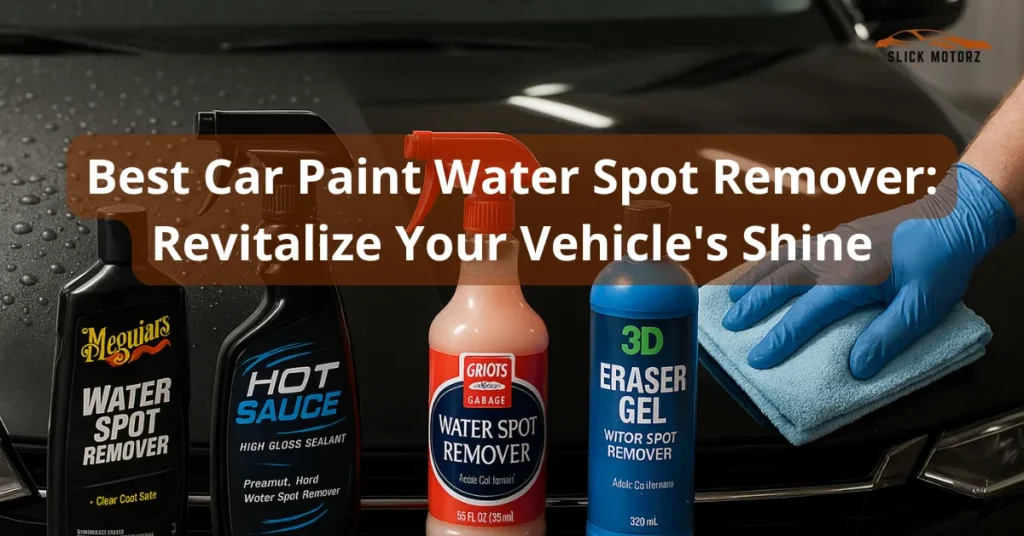
Wash your car every two weeks to remove dirt and pollutants. In dusty or rainy areas, wash more often. Frequent cleaning stops dirt from building up. This prevents damage to paint and metal parts. Avoid washing daily as it may wear down protective coatings.
Avoiding Harsh Chemicals
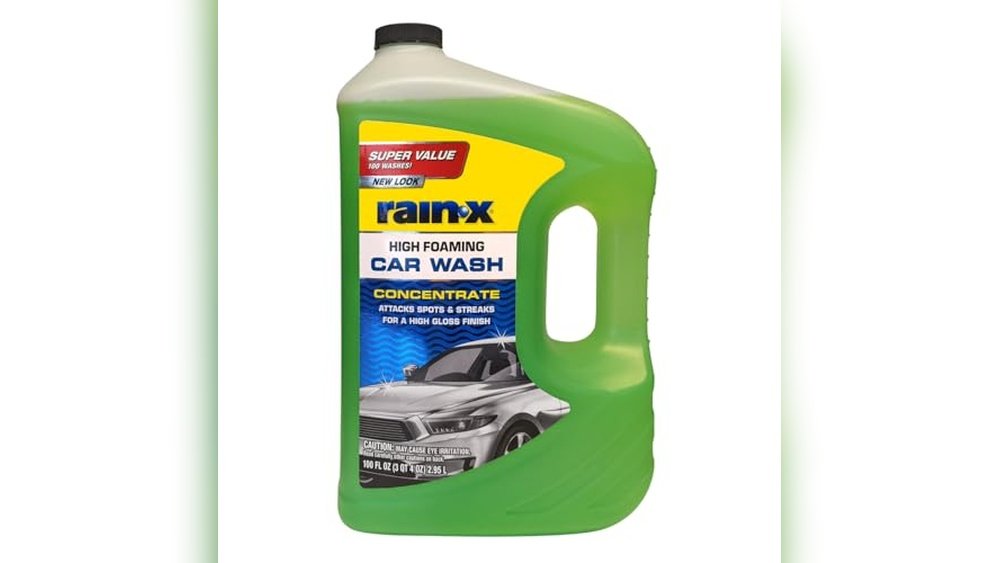
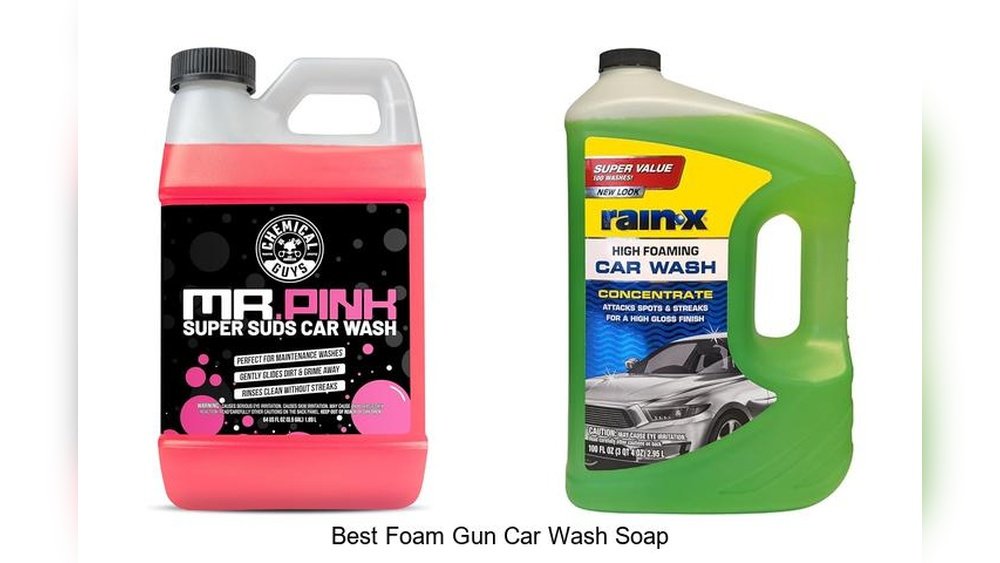
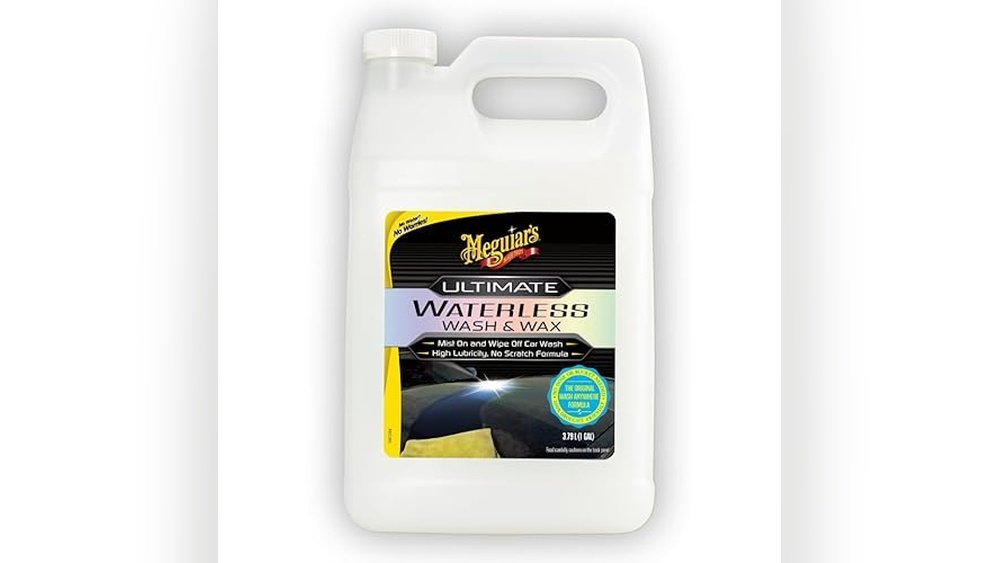
Use mild soap designed for cars to avoid damage. Harsh chemicals can strip wax and harm paint. Avoid household cleaners like bleach or ammonia. These can fade paint and ruin interior materials. Always rinse well to remove all soap residue.
Protecting Paint And Interior
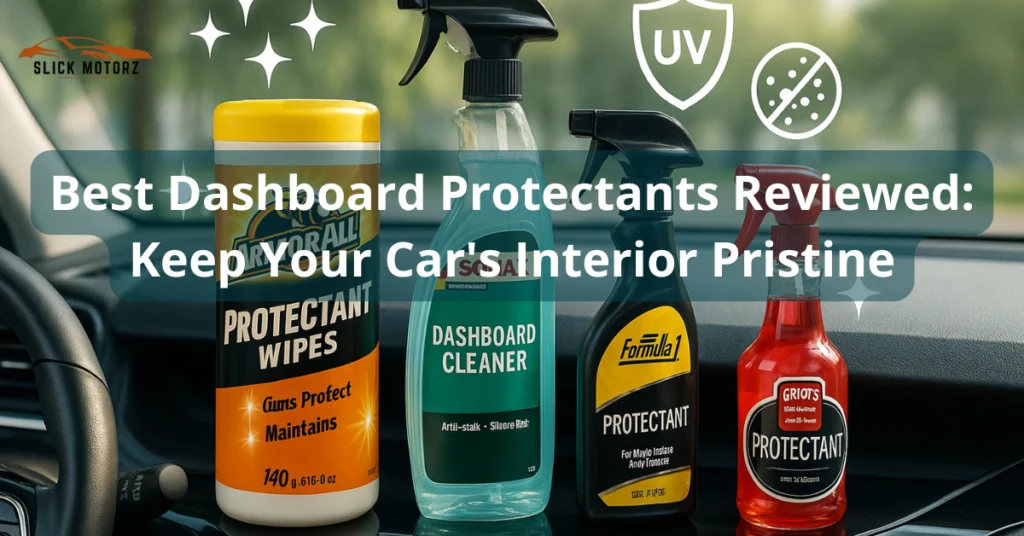
Apply wax every three months to protect your car’s paint. Wax forms a barrier against sun and rain. Use protectants on interior surfaces like leather or plastic. This prevents cracking and fading. Clean mats and vacuum seats regularly to keep interiors fresh.
Following Maintenance Schedule
Following a maintenance schedule is essential to keep your car running smoothly. It helps prevent unexpected breakdowns and costly repairs. Sticking to a plan ensures your vehicle stays safe and reliable for years.
Manufacturer Recommendations
Car makers provide specific maintenance advice for each model. These guidelines include oil changes, filter replacements, and inspections. Following these instructions keeps your car in top shape and protects your warranty.
Check the owner’s manual for the recommended service intervals. These vary by car type and driving conditions. Ignoring these can lead to engine damage and poor performance.
Scheduling Regular Servicing
Set reminders for routine maintenance tasks. This includes oil changes, tire rotations, brake checks, and fluid top-ups. Regular servicing helps detect problems early before they grow costly.
Use a calendar or phone app to track service dates. Book appointments with a trusted mechanic or service center. Consistent care improves fuel efficiency and extends your car’s life.
Keeping Maintenance Records
Keep a detailed log of all repairs and services. Include dates, mileage, and work done. This record helps you monitor your car’s health over time.
Maintenance history also increases your car’s resale value. It shows buyers you cared for the vehicle properly. Keep receipts and service reports in one place for easy access.
Credit: www.directgap.co.uk
Storage And Infrequent Use
Storing a car for long periods or using it rarely needs special care. Cars can suffer damage even when not driven often. Proper storage protects your vehicle from mechanical and cosmetic problems. Taking the right steps helps keep your car ready to drive anytime.
Using Fuel Stabilizers
Fuel breaks down over time and can clog your engine. Adding fuel stabilizers keeps gasoline fresh longer. Pour the stabilizer into a nearly full tank. Run the engine for a few minutes to spread it through the system. This prevents fuel decay and stops costly repairs.
Preventing Tire Flat Spots
Tires develop flat spots when a car sits too long in one place. Flat spots cause vibrations and uneven wear. Inflate tires to the recommended pressure before storage. Move the car slightly every few weeks to change tire contact points. Use tire cradles or jack stands for long storage to relieve pressure.
Rodent Prevention Measures
Rodents can damage wiring and upholstery during storage. Keep the storage area clean and free of food scraps. Use rodent repellents or traps around the vehicle. Seal any openings where rodents might enter. Regularly inspect your car to catch problems early.
Conclusion
Keeping your car in good condition takes simple, regular care. Check fluids often and follow service schedules. Clean your car gently to protect its paint and parts. Watch for any changes in how it runs or sounds. Small actions now can save big repair costs later.
Your car will stay reliable and safe on the road. A well-maintained car lasts longer and gives you peace of mind. Stay consistent and enjoy the smooth drive every day.