Thinking about lifting your car but not sure where to start? Whether you want extra clearance for off-roading, easier access for repairs, or just a new look, lifting your car can seem tricky.
But it doesn’t have to be. You can learn how to lift your car safely and correctly without expensive tools or a mechanic’s help. In this guide, you’ll discover simple steps to raise your vehicle the right way, avoid common mistakes, and stay secure while working.
Ready to take control and give your car the lift it deserves? Let’s dive in and make it happen.
Preparation Steps
Before lifting your car, proper preparation is essential. It ensures safety and stability throughout the process. Taking simple steps can prevent accidents and damage.
Preparation involves selecting the right spot, securing the vehicle, and preventing movement. Follow these steps carefully for a smooth experience.
Choose A Flat Surface
Pick a level, solid ground to park your car. Avoid sloped or uneven areas. A flat surface keeps the car stable during lifting. Concrete or asphalt driveways work best. This reduces the risk of the jack slipping or the car rolling.
Engage Parking Brake
Always set the parking brake firmly. This stops the car from moving while it is lifted. Double-check the brake is fully engaged before proceeding. This simple step adds an extra layer of safety. It keeps the vehicle steady and secure.
Use Wheel Chocks
Place wheel chocks on the wheels that stay on the ground. These blocks prevent the car from rolling. Put them snug against the tires. Use sturdy chocks made of rubber or wood. This step is crucial for safety and stability.

Credit: www.thedrive.com
Locate Jack Points
Locating the correct jack points is vital before lifting your car. Using the right spots ensures safety and prevents damage. Each vehicle has specific places designed to hold the jack securely. Finding these spots carefully helps you lift the car without slipping or bending parts.
Identify Manufacturer Jacking Spots
Look underneath your car near the wheels. Most cars have small reinforced areas along the frame. These spots often have a notch or a thick metal section. They are meant to support the car’s weight when lifted. Avoid lifting from the body panels or plastic parts. Using wrong spots can cause serious damage or accidents.
Check Vehicle Manual
Your vehicle manual provides exact jack point locations. It shows diagrams and instructions for safe lifting. Manuals explain how to place the jack and what type to use. Check this guide before starting any lifting job. Following the manual reduces risks and keeps your car safe.
Selecting The Right Jack
Choosing the right jack is key to lifting your car safely and efficiently. The wrong jack can cause accidents or damage your vehicle. Focus on the jack’s type and its weight capacity. These factors ensure the jack fits your car and your lifting needs. Understanding these basics helps you pick a jack that works well and lasts long.
Types Of Floor Jacks
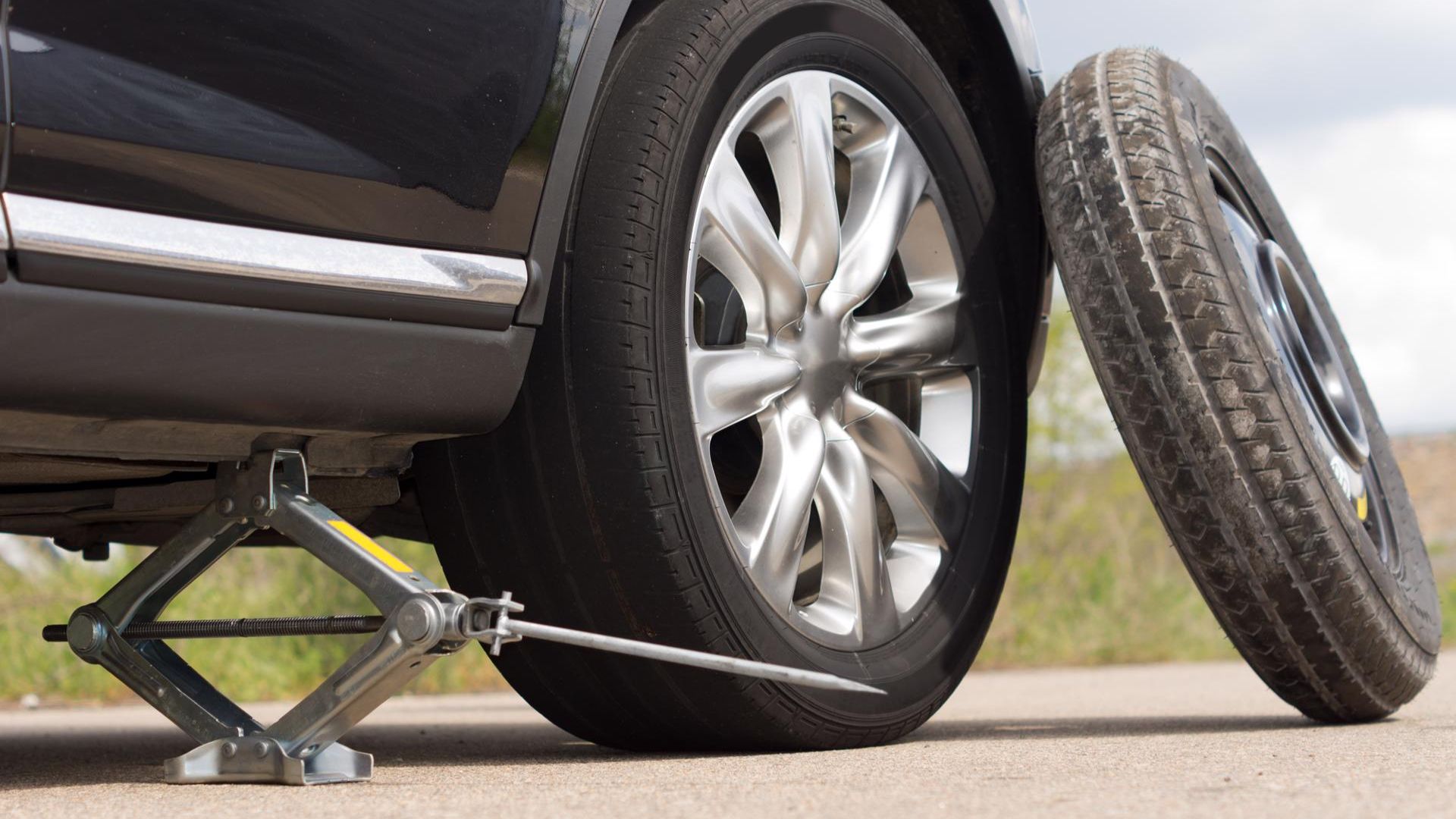
Floor jacks come in several types. A hydraulic floor jack uses fluid pressure to lift heavy loads easily. It is common and reliable for most cars. A bottle jack has a vertical design and fits tight spaces. It lifts heavy vehicles but may not fit under low cars. A scissor jack is small and manual. It is light and good for emergencies but takes more effort. Choose a type based on your car’s height and lifting frequency.
Weight Capacity Considerations
Check the jack’s weight capacity carefully. It must support your car’s weight safely. Most cars weigh between 2,500 and 4,000 pounds. Select a jack with a capacity higher than your car’s weight. This extra capacity adds safety and prevents jack failure. Avoid jacks with low capacity, even if they are cheaper. A strong jack protects you and your vehicle during lifting.
Credit: www.thedrive.com
Lifting The Car
Lifting a car safely is crucial before any repair or inspection. Proper lifting prevents accidents and vehicle damage. Follow simple steps for a smooth, secure lift.
Positioning The Jack
Place the jack under the car’s lifting point. Check your vehicle’s manual for the exact spot. This area supports the car’s weight without damage. Ensure the jack sits on solid ground. Avoid soft or uneven surfaces. This keeps the car stable during lifting.
Raising The Vehicle Slowly
Turn the jack handle gently to raise the car. Lift the vehicle slowly and steadily. Small, controlled movements reduce risk. Stop lifting once the tire clears the ground. This height allows you to work safely underneath. Always keep an eye on the car’s balance.
Avoiding Jerky Movements
Move the jack handle smoothly without sudden jerks. Jerky motions can cause the car to slip or fall. Avoid quick or harsh lifting actions. Smooth lifting ensures the jack stays in place. Keep your hands steady and focused. Safety depends on careful, calm movements.
Using Jack Stands
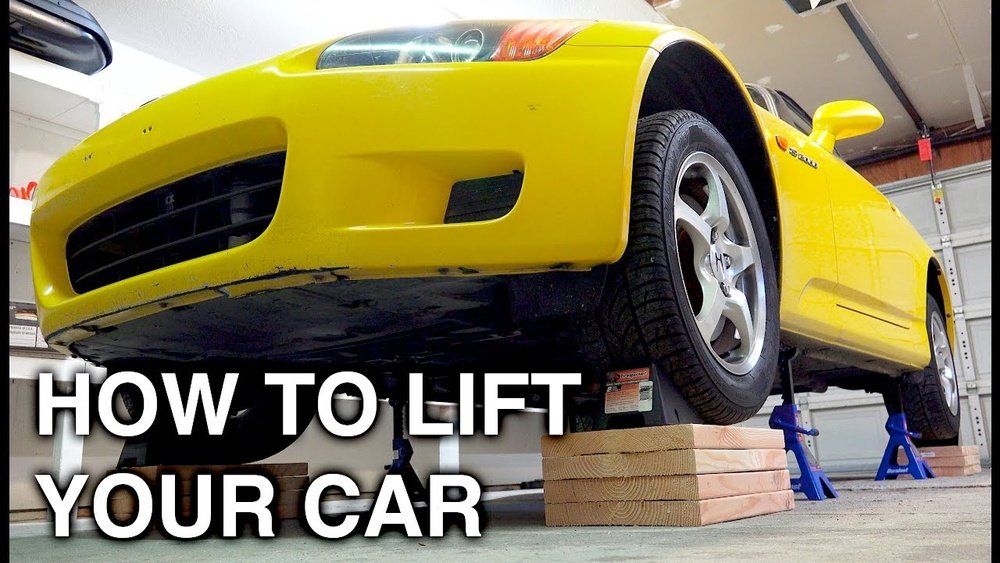
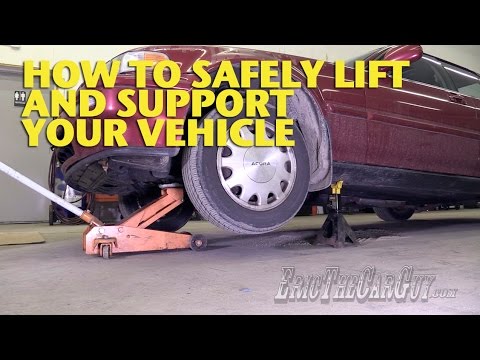
Using jack stands is one of the safest methods to lift your car. They hold the vehicle securely while you work underneath. Unlike relying only on a jack, jack stands provide stable support. This reduces the risk of accidents and injuries. Proper use of jack stands is key to safe car maintenance. Follow these steps carefully to ensure safety and stability.
Placing Jack Stands Correctly
Locate the vehicle’s designated lift points. These are usually under the frame or near the wheels. Check your car manual if unsure. Place the jack stands on flat, solid ground. Avoid soft or uneven surfaces that could cause slipping. Position the stands symmetrically on both sides. Make sure they align with the lift points for proper support.
Lowering Vehicle Onto Stands
Slowly lower the car using the jack. Keep an eye on the jack stands to ensure they stay in place. Lower the vehicle until it rests securely on the stands. Do not let the car drop suddenly. The vehicle’s weight should sit evenly on both stands. Remove the jack only after confirming the car is stable.
Stability Check
Gently shake the vehicle to test stability. The car should not wobble or shift on the stands. Double-check that the stands are firmly on the ground. Inspect the contact points between stands and vehicle. If anything feels loose, raise the car again and adjust. Never work under a car that is not fully stable.
Safety Tips
Safety is the top priority when lifting a car. Taking the right precautions protects you and your vehicle. Follow these simple safety tips to avoid accidents and injuries. Always prepare and stay alert during the process.
Wear Protective Gear
Put on gloves to protect your hands from sharp edges. Wear safety glasses to shield your eyes from debris. Use closed-toe shoes to avoid foot injuries. Dress in clothes that fit well and do not get caught in tools or parts.
Never Rely On Jack Alone
Use jack stands to support the car after lifting. Never trust the jack to hold the car by itself. The jack can slip or fail, causing serious harm. Place the jack stands on a flat, solid surface for better support.
Double Check Stability
Before working under the car, test the stability carefully. Gently shake the car to see if it moves or wobbles. Make sure the jack stands and jack are secure and properly placed. If the car feels unstable, lower it and reposition the supports.
Lowering The Car
Lowering the car is the final step after completing your work. It requires care to avoid accidents and damage. Follow each step slowly and carefully. The goal is to bring the car down smoothly and safely.
Removing Jack Stands Safely
Before lowering, make sure the floor jack supports the car fully. Slowly raise the car a little to take weight off the jack stands. Then, carefully remove the jack stands from under the car. Keep your hands and feet clear while doing this. Never rush or force the stands out.
Lowering With Floor Jack
Once the jack stands are clear, begin lowering the car with the floor jack. Turn the release valve slowly to let the car down gently. Avoid quick drops or sudden movements. Keep watching the car’s movement to ensure it lowers evenly. Stop if you notice any unusual shifts or noises.
Final Checks
After the car is on the ground, remove the floor jack completely. Check the area for tools or objects left under the car. Make sure the car sits flat and stable on all tires. Confirm the parking brake is on before you move away. These checks help keep you and your car safe.
Common Mistakes To Avoid
Lifting a car safely requires attention to detail and careful preparation. Many people make mistakes that put them at risk. Avoiding these errors ensures your safety and protects your vehicle.
Understanding common mistakes helps you lift your car properly. It also saves time and prevents damage.
Ignoring Surface Stability
Always check the ground before lifting your car. Soft or uneven surfaces can cause the jack to slip. Avoid lifting on dirt, grass, or gravel. Use a flat, solid surface like concrete or asphalt. Place a sturdy board under the jack if the surface is weak. This prevents sinking and keeps the car stable.
Incorrect Jack Placement
Find the right lifting points under your car. Using the wrong spot can damage the vehicle. Check your owner’s manual for exact jack locations. Place the jack under a strong frame or designated lift point. Avoid placing the jack on plastic parts or thin metal. Incorrect placement can cause the car to fall or bend.
Skipping Safety Checks
Never skip safety checks before lifting your car. Inspect the jack for any damage or leaks. Use wheel chocks to stop the car from rolling. Always engage the parking brake. Lift the car slowly and watch for any movement. Never work under a car supported only by a jack. Always use jack stands for extra safety.
Additional Tools For Ease
Using extra tools can make lifting your car safer and easier. These tools help keep the car steady and improve your comfort during the task. Simple additions save time and reduce risks.
Wheel Chocks
Wheel chocks stop the car from moving. Place them behind or in front of the wheels that stay on the ground. They create a strong grip and keep the car steady. This step is very important for safety.
Creeper And Gloves
A creeper helps you slide under the car smoothly. It reduces strain on your back and knees. Wearing gloves protects your hands from dirt and sharp parts. Both make the job more comfortable and clean.
Flashlight Or Work Light
Good lighting lets you see clearly under the car. A flashlight or work light brightens dark areas. This helps you avoid mistakes and work faster. Choose a light that is easy to hold or clip nearby.
Credit: www.youtube.com
Frequently Asked Questions
What Is The Proper Way To Lift A Car?
Place the car on a flat, solid surface and engage the parking brake. Position the jack under the manufacturer’s lift point. Lift gently without jerking. Secure the car with jack stands before working underneath. Never rely solely on the jack for support.
How Much Would It Cost To Lift My Car?
Lifting a car typically costs between $300 and $2,000. Prices vary by lift type, installation, and vehicle size. Suspension lift kits range from $400 to $1,500. Professional installation may add $200 to $800. Portable lifts cost less but offer limited capacity.
How Do I Lift My Car At Home?
Park on a flat surface and engage the parking brake. Place a jack under the car’s lifting point. Raise the car slowly and secure it with jack stands before working underneath. Never rely solely on the jack for support.
Are Lifted Cars Illegal?
Lifted cars are not illegal if they meet local height and safety regulations. Check state laws before modifying.
Conclusion
Lifting your car safely requires care and the right tools. Always check your equipment before starting. Place the jack correctly to avoid damage or injury. Take your time and lift the car slowly. Use jack stands to support the vehicle securely.
Never work under a car supported only by a jack. Following these steps helps you lift your car with confidence. Stay safe and maintain your vehicle well. This simple guide makes car lifting easier for everyone.