Your car’s trim plays a big role in its overall look. Over time, exposure to sun, dirt, and weather can make your trim look dull and faded.
But what if you could bring back that fresh, shiny finish without spending a fortune or hours in the garage? If you want to learn how to make your car trim shine like new again, you’re in the right place.
This guide will show you simple, effective steps that anyone can follow to restore that sleek, polished appearance your car deserves. Ready to turn heads every time you drive? Let’s get started.
Credit: www.carsupplieswarehouse.com
Types Of Car Trim Materials
Car trim materials vary widely in type and quality. Knowing the material helps choose the right cleaning and shining method. Each type reacts differently to products and treatments. This guide explains common plastics and rubbers used in car trims. It also covers which plastics are durable and which are sensitive.
Common Plastics And Rubbers
Most car trims use plastics like polypropylene (PP) and polyethylene (PE). These materials are tough and weather-resistant. Rubber trims add flexibility and grip. These plastics and rubbers can fade or dull over time. Exposure to sun and pollution causes damage. Proper care can restore their shine effectively.
Durable Vs Sensitive Plastics
Durable plastics such as polypropylene and polyethylene handle most cleaners well. They tolerate oils and protectants that bring back shine. Sensitive plastics include polystyrene and clear plastics. These require gentle products to avoid damage. Rubber trims are soft and need special conditioners. Using harsh chemicals on sensitive plastics causes cracking or cloudiness.
Credit: stonercarcare.com
Causes Of Trim Fading
Car trim fading is a common problem for many vehicle owners. Understanding the causes helps keep your trim looking fresh longer. Fading happens when the material loses its original color and shine. Several factors contribute to this dulling effect. Identifying these will guide you in protecting and restoring your car trim effectively.
Sunlight And Uv Exposure
Sunlight contains ultraviolet (UV) rays that damage car trim. UV rays break down the plastic’s surface and cause discoloration. Over time, this exposure makes the trim lose its black color and appear gray or white. Constant sunlight weakens the material, making it brittle and faded.
Environmental Factors
Dirt, dust, and pollution settle on the trim and wear it down. Acid rain and road salt also cause chemical reactions that harm the plastic. Harsh weather conditions like rain, snow, and wind accelerate fading. These elements strip away protective layers and dull the trim’s finish.
Age And Wear
Plastic trim naturally degrades as it ages. Repeated washing and scrubbing can remove protective coatings. Physical damage like scratches and chips exposes the plastic to more harm. Older trims often lose their shine and become rough to the touch due to wear.
Quick Shine Boosts
Quick shine boosts give your car trim an instant fresh look. These methods work fast and need minimal effort. Ideal for last-minute touch-ups before an event or drive.
They add gloss and depth to faded plastic and rubber trim. The shine lasts for a short time but makes a visible difference. Use these techniques carefully to avoid damage.
Using Silicone Lubricants And Tire Shine
Silicone lubricants and tire shine products create a slick, glossy finish. Apply a small amount on a clean cloth. Rub evenly over the car trim’s surface.
They fill tiny cracks and mask dullness by adding a dark, wet look. Choose water-based formulas to avoid sticky residue. Avoid oversaturation to prevent dripping.
These products work best on polypropylene and polyethylene plastics. They are easy to find at auto shops or online. The shine fades after a few days but can be reapplied.
Applying Vaseline Safely
Vaseline is a cheap alternative for boosting car trim shine. Dab a small amount on a soft cloth. Gently spread it over the trim without rubbing too hard.
It creates a temporary glossy layer that hides minor fading. Avoid using on rubber seals or near paint. Vaseline can attract dust and dirt quickly.
Wipe off any excess to prevent buildup. This method is best for quick fixes and small areas. The shine lasts only a few hours.
Temporary Effects And Limitations
Quick shine boosts improve appearance but do not restore plastic. They mask damage instead of fixing it. The shine will wear off with washing or weather exposure.
Frequent reapplication is necessary to keep the glossy look. Avoid these methods on delicate or clear plastic parts. Overuse can cause buildup or surface damage.
For long-term care, use dedicated plastic restorers or professional treatments. Quick boosts are perfect for fast results but not permanent solutions.
Deep Restoration Techniques
Deep restoration techniques bring dull car trim back to life. These methods fix severe fading and wear. They go beyond surface cleaning to renew the plastic’s original look. Using the right approach restores color, texture, and shine. Proper care extends the trim’s lifespan and improves your car’s appearance.
Chemical Trim Restorers
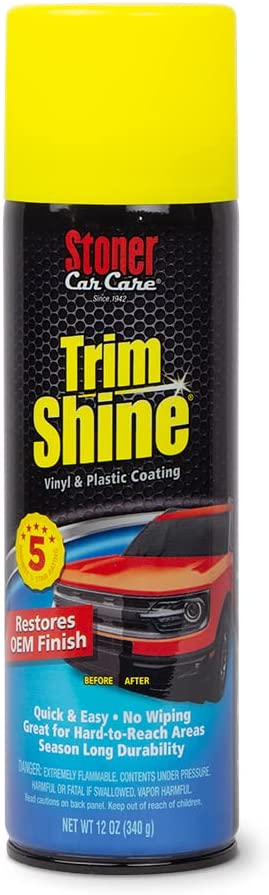
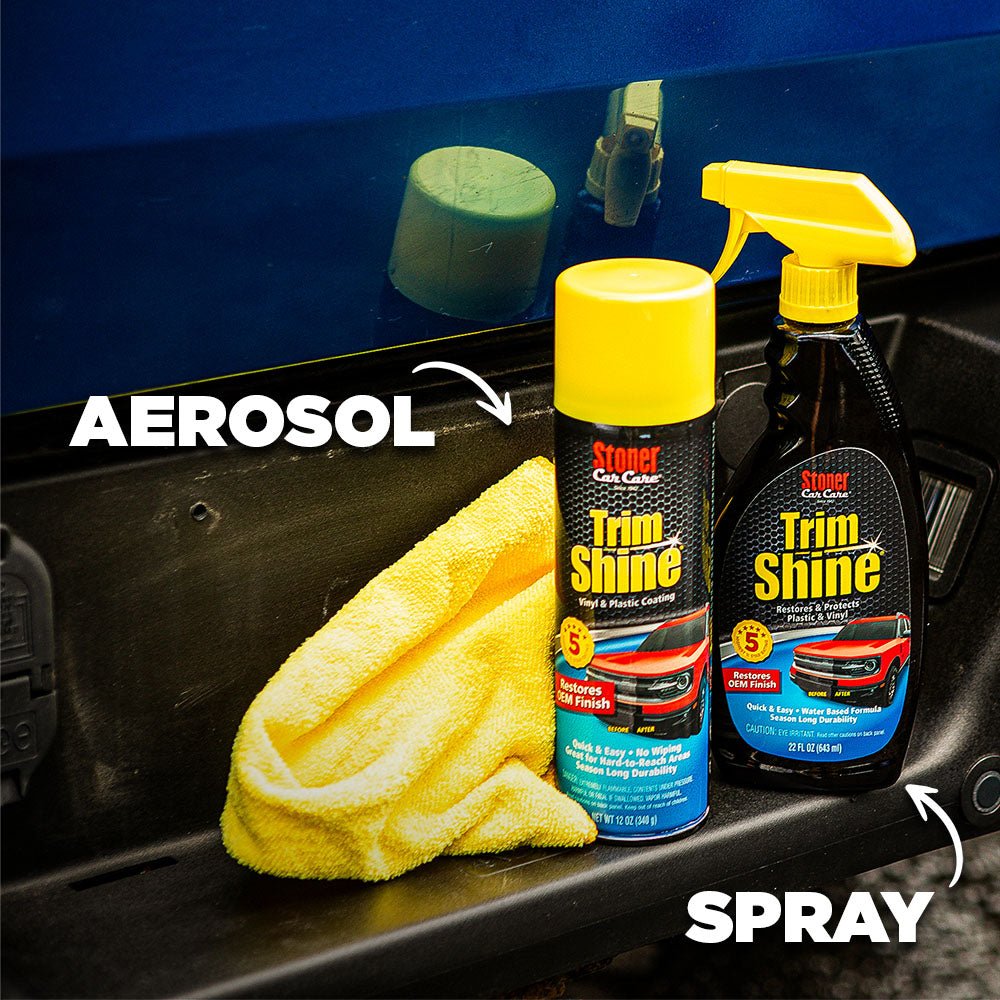
Chemical restorers use special formulas to revive faded plastic. They penetrate the surface to darken and refresh the trim. Many products contain oils or polymers that mask damage temporarily. Some are designed for specific plastics like polypropylene or polyethylene. Apply with a clean cloth, rubbing evenly for best results. Allow time to absorb before wiping off excess. Avoid these on soft or clear plastics to prevent damage.
Heat Gun Method Risks And Tips
The heat gun method uses controlled heat to restore plastic trim. Warm air softens the plastic, allowing it to regain its dark color. Use low heat and keep the gun moving to avoid melting. Hold the heat gun about 6 to 8 inches from the surface. Test a small hidden area first to check for adverse effects. This method requires caution but offers a more lasting restoration than chemicals.
Spray Paint Options For Plastic Trim
Spray paint is a popular choice for a deep trim makeover. Use paint made specifically for plastic surfaces. Clean and sand the trim lightly before painting. Apply multiple thin coats to avoid runs and drips. Let each coat dry fully before the next one. Finish with a clear coat to protect the paint and add shine. Spray paint can cover severe damage and create a fresh, uniform look.
Step-by-step Trim Polishing
Step-by-step trim polishing brings back the original shine of your car’s trim. It improves appearance and protects the surface. Follow these simple steps to get professional results at home.
Cleaning And Prepping The Surface
Start by washing the trim with soap and water. Remove dirt, dust, and grime completely. Use a soft brush to reach small crevices. Dry the trim fully with a clean cloth. Prepping ensures better adhesion of the restorer.
Applying Restorers Evenly
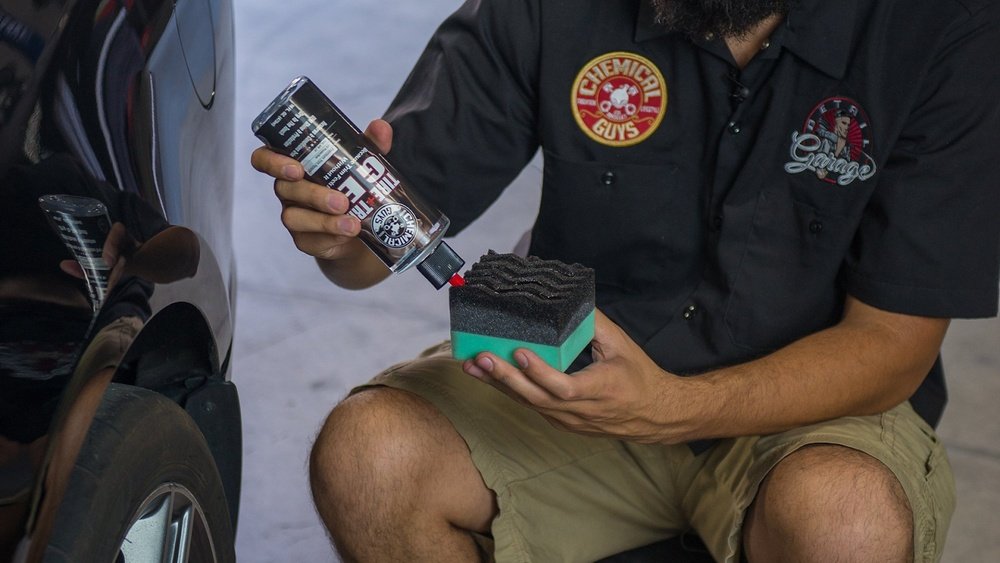
Choose a plastic restorer suitable for your trim type. Apply a small amount on a foam applicator or microfiber cloth. Spread the product evenly across the trim surface. Work in straight lines for uniform coverage. Avoid over-applying to prevent streaks or drips.
Buffing For A Lasting Shine
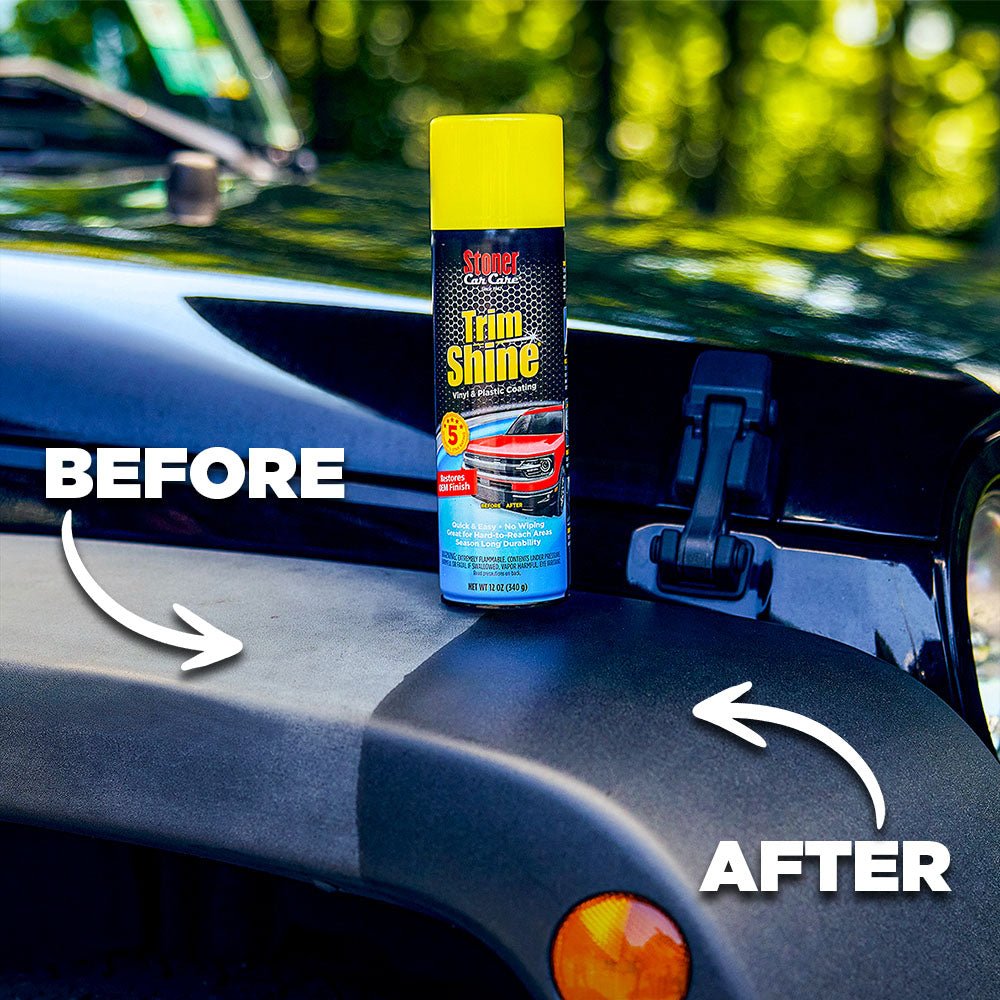
Allow the restorer to set for a few minutes. Use a clean microfiber cloth to buff the trim gently. Apply light pressure and circular motions to enhance shine. Buffing removes excess product and smooths the surface. The result is a deep, lasting shine that protects the trim.
Credit: stonercarcare.com
Protecting Trim After Restoration
Protecting your car trim after restoration keeps it looking fresh and new for longer. The effort you put into restoring the trim can fade quickly without proper protection. Applying the right products and following simple care steps helps maintain the shine and color. This section covers how to safeguard your trim and enjoy lasting results.
Using Sealants And Protectants
Sealants create a barrier on the trim surface to block dirt and UV rays. Use a trim-specific sealant for best results. Apply the sealant evenly using a clean cloth or applicator pad. Let the product dry fully before touching the trim. Protectants add shine and help repel water and dust. Regular use of protectants enhances the trim’s appearance and lifespan.
Regular Maintenance Tips
Clean your trim gently with a soft cloth and mild soap. Avoid harsh chemicals that can strip the protectant or damage the plastic. Wipe off dust and grime frequently to prevent buildup. Reapply protectant every few weeks to keep the trim glossy. Check the trim during car washes and avoid pressure washers near it. Small steps keep the trim healthy and shiny.
Avoiding Common Damage
Avoid parking under direct sunlight for long hours to prevent fading. Do not use abrasive brushes or scrubbing pads on the trim. Harsh cleaners and solvents can cause cracks or discoloration. Be careful with fuel spills or engine fluids near the trim area. Quick cleaning of spills reduces the risk of permanent damage. Protecting your trim means avoiding these common mistakes.
Diy Vs Professional Solutions
Deciding between do-it-yourself (DIY) methods and professional solutions to make your car trim shine depends on several factors. Both approaches have their own advantages and drawbacks. Understanding when to use each can save time, money, and effort. This section explores the main points to help you choose the right option for your car trim restoration.
When To Try Home Methods
DIY methods work well for minor fading and quick fixes. Simple products like plastic restorer sprays or silicone lubricants can add shine fast. You can clean and restore trim using household items or affordable kits. Home methods suit those with limited budgets or who enjoy hands-on work. Use caution on delicate or soft plastics to avoid damage. Small scratches and light oxidation respond best to DIY care.
Benefits Of Professional Detailing
Professional detailers offer deep cleaning and long-lasting restoration. They use specialized tools and high-quality products not easily found in stores. Pros can handle tough stains, heavy fading, and damaged trim surfaces. Their work often includes sealing and protection to keep trim shiny longer. A professional job saves time and ensures expert results. It also reduces the risk of harming sensitive trim materials.
Cost Considerations
DIY methods usually cost less upfront but may require repeated treatments. Products and supplies are affordable but vary in quality. Professional services cost more initially but deliver durable results. Consider the value of your time and the condition of your trim. For older cars or severe damage, professional help may be more economical over time. Budget and trim condition guide your spending choice.
Common Mistakes To Avoid
Keeping car trim shiny improves your vehicle’s look. Many try but make common mistakes. Avoiding these errors helps maintain trim and saves time. Learn what to watch out for.
Using Harsh Chemicals
Strong chemicals can damage car trim. They may cause discoloration or cracks. Avoid bleach, ammonia, or acetone. Use products made for automotive trim. Gentle cleaners protect the surface and keep shine longer.
Over-application Of Products
Applying too much product leads to sticky or greasy trim. Excess buildup attracts dirt and dust quickly. Use a small amount and spread evenly. Less is more for a smooth, natural shine.
Ignoring Material Compatibility
Different trims use different materials like plastic, rubber, or metal. Some products work only on certain materials. Check product labels before use. Using the wrong product can cause fading or damage.
Frequently Asked Questions
How To Make Car Trim Shine Again?
Clean the trim with soap and water. Apply a plastic trim restorer or tire shine product evenly. Let it dry for a glossy finish. Repeat as needed to maintain shine. Avoid harsh chemicals to prevent damage.
Can Wd-40 Restore Faded Plastic?
WD-40 can temporarily improve faded plastic’s appearance by adding shine. It doesn’t restore or repair the plastic itself. Use it for quick touch-ups on durable plastics only. For longer-lasting results, choose dedicated plastic restorers or specialized trim products instead.
How To Polish Plastic Trim On Cars?
Clean the trim with soap and water. Apply a plastic trim restorer or polish using a microfiber cloth. Rub gently in circular motions. Let it dry, then buff for shine. Repeat if needed for better results. Avoid harsh chemicals to prevent damage.
Can Vaseline Shine Car Plastic?
Vaseline can temporarily shine car plastics but may leave a greasy residue. Use car-specific plastic restorers for safer, longer-lasting results.
Conclusion
Making car trim shine takes simple, regular care and the right products. Clean the trim gently to remove dirt and grime first. Use a quality trim restorer or silicone-based product for best results. Avoid harsh chemicals that may damage the plastic surface.
Shine fades over time, so repeat the process as needed. Keeping your trim shiny improves your car’s look and protects it from sun damage. With these easy steps, your car trim will look fresh and well-maintained. Give your vehicle the attention it deserves, and enjoy that polished shine every day.