Have you ever faced the frustrating moment when your car door is frozen shut on a cold winter morning? You’re ready to head out, but no matter how hard you pull, the door just won’t budge.
It’s a common problem, but trying to force it open can damage your car. What if you could unlock your frozen door quickly and safely without breaking a handle or scratching the paint? In this guide, you’ll discover simple, effective ways to open a frozen car door using everyday items and smart techniques.
Keep reading, and you’ll never have to worry about being locked out in the cold again.
.jpg)
Credit: www.cbac.com
Quick Hacks Without Water
Frozen car doors can be a major hassle during cold mornings. Water-based methods risk freezing again quickly. Quick hacks without water save time and prevent damage. These simple tricks help open frozen doors safely. They use common items and basic body heat.
Use De-icer Spray
De-icer spray melts ice fast. Spray it around door seals and lock area. Wait a few minutes for it to work. Commercial sprays work best. Homemade mixes with alcohol and water also help. Avoid harsh chemicals that damage paint.
Apply Rubbing Alcohol
Rubbing alcohol lowers ice freezing point. Dab some on the lock cylinder and door edges. Use a cotton swab or cloth. Alcohol evaporates quickly and melts ice gently. It stops water from refreezing immediately. Hand sanitizer with alcohol works well too.
Warm The Key Gently
Heat the car key to melt ice inside lock. Use a lighter or warm it in your hands. Don’t overheat or burn the key. Insert the warm key slowly and turn carefully. This melts ice inside the cylinder and frees the lock.
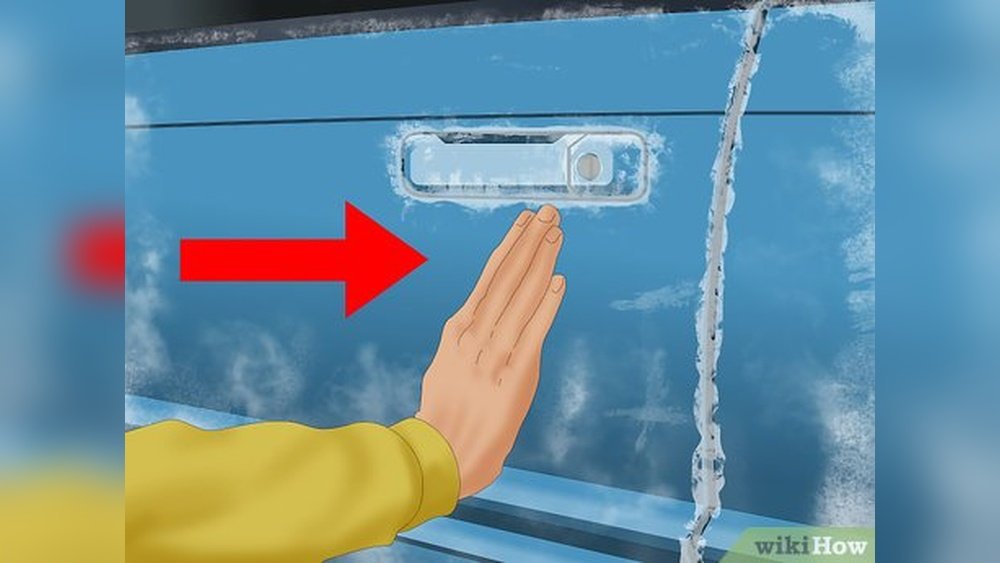
Leverage Body Heat
Body heat can warm the door edges. Lean your weight gently on the door frame. Hold for a minute or two. This softens the ice seal. Then, push the door inward slightly. Pull the handle slowly to open without damage.

Credit: www.youtube.com
Using Water Safely
Using water to open a frozen car door can be helpful. Water melts ice and frees stuck parts. Careful use prevents damage to your car. Follow simple steps to use water safely. Protect your car door and seals from harm.
Pour Lukewarm Water
Use lukewarm water to melt the ice gently. Avoid pouring water too fast or in large amounts. Slowly pour the water around the door seals and handle. This softens the ice without shocking the car parts. Lukewarm water melts ice without causing harm.
Avoid Hot Water
Do not use hot or boiling water on a frozen door. Hot water can crack cold glass or damage paint. The sudden temperature change harms car materials. Use only lukewarm water to keep your car safe. Avoid costly repairs by skipping hot water.
Dry Seals Thoroughly
After melting the ice, dry the door seals well. Use a soft cloth to remove all moisture. Dry seals stop new ice from forming quickly. Wet seals freeze faster and lock the door again. Keep seals dry to prevent future freezing problems.
Heat Methods To Try
Heat can help free a frozen car door by melting the ice sealing it shut. Using gentle warmth avoids damage and works faster than cold methods. Try these easy heat techniques to open your door safely. Always use care and avoid harsh or direct flames.
Hairdryer Technique
A hairdryer offers controlled, gentle heat to melt ice. Hold it a few inches from the door edges and lock. Move the dryer slowly around the frozen spots. The warm air melts ice without harming paint or rubber seals. Keep the dryer on medium heat for best results. Avoid holding it too close to prevent damage. After a few minutes, try opening the door carefully.
Warm Towels Approach
Warm towels deliver steady heat to a frozen door surface. Soak towels in hot water and wring out excess moisture. Press the warm towels firmly against the door seals and lock. Leave them for several minutes to soften the ice. Replace towels with fresh warm ones if needed. This method is simple and safe. It avoids direct heat and protects your car’s finish. Try gently opening the door after warming the area.
Preventing Frozen Doors
Frozen car doors cause frustration during cold months. Preventing them from freezing saves time and effort. Simple steps keep ice away from door seals and locks. Regular care helps your car door open smoothly in winter.
Lubricate Door Seals
Apply silicone-based lubricant to door seals before winter. It creates a protective layer that repels water. This stops ice from forming between the seal and the door. Avoid petroleum-based products; they can damage rubber seals. Reapply lubricant every few weeks to maintain protection.
Use Winter Windshield Fluid
Winter windshield fluid contains antifreeze agents that help reduce ice buildup. Spray some around the door locks and edges regularly. It lowers the freezing point of water on these surfaces. This simple habit can prevent locks and doors from freezing shut. Always choose a windshield fluid designed for cold weather.
Common Mistakes To Avoid
Opening a frozen car door requires patience and care. Mistakes can cause damage to your vehicle or make the problem worse. Avoid actions that may harm the door, lock, or seals. Knowing what not to do saves time and money.
Many people try quick fixes that seem easy but actually cause more trouble. Focus on gentle methods that work without force. Here are common mistakes to avoid when dealing with a frozen car door.
Don’t Yank The Door
Pulling hard on a frozen door can break the handle or damage the frame. The ice seals the door tightly, and yanking may tear the rubber seals. This leads to costly repairs and air leaks.
Instead, try warming the door gently or use de-icer sprays. Let the ice melt slowly. Gentle pressure works better than force. Always be patient and careful.
Skip Metal Scrapers
Metal tools can scratch or chip your car’s paint. They may also damage the rubber seals around the door. Scratches invite rust and weaken the door’s protection.
Use plastic scrapers or soft cloths instead. These materials are safer and less likely to cause damage. Avoid sharp or hard objects near the paint and seals.

Credit: gearjunkie.com
Emergency Tips
Frozen car doors can cause frustration and delay. Emergency tips help open the door safely and quickly. They prevent damage to your car and keep you warm.
These tips use simple tools and careful actions. They work best when you act calmly and patiently. Here are two effective emergency tips.
Crack The Ice Seal Gently
Push the door gently from the side to break the ice seal. Use your body weight, not force. Avoid pulling hard to prevent damage.
Once the seal cracks, pull the door slowly to open it. Use lukewarm water to melt ice if needed. Never use hot water as it can crack glass.
Call A Locksmith If Needed
Call a locksmith if the door stays frozen or you cannot open it. Experts have special tools to open frozen doors safely.
Do not try to force the door open too much. Forcing can cause costly damage to your car. A locksmith saves time and stress in emergencies.
Frequently Asked Questions
How Do You Unfreeze A Frozen Car Door?
Use a de-icer spray or rubbing alcohol on locks and seals. Warm the key or hairdryer gently. Push the door to break the ice seal. Pour lukewarm water cautiously, then dry seals thoroughly to prevent refreezing. Avoid yanking or hot water to protect your car.
What Is The Fastest Way To Melt Ice On A Car?
Spray commercial de-icer or rubbing alcohol on locks and seals. Use a hairdryer or lukewarm water carefully. Gently push the door to break ice. Always dry seals afterward to prevent refreezing. Avoid hot water and yanking the door.
How To Open A Car Door When It’s Cold?
Spray de-icer or rubbing alcohol on locks and seals. Warm the key gently or use a hairdryer. Push door inward to break ice, then pull open carefully. Use lukewarm water cautiously and dry seals to prevent refreezing. Avoid yanking or hot water to protect the door.
How To Open A Car Door That Is Stuck Shut?
Spray de-icer or rubbing alcohol on seals and lock. Warm the key or use a hairdryer gently. Push door inward to break ice, then pull. Use lukewarm water cautiously, and dry seals thoroughly to prevent refreezing. Avoid yanking or using hot water.
Conclusion
Opening a frozen car door takes patience and care. Avoid force to protect your car. Use simple tools like de-icer spray or rubbing alcohol. Warm the lock gently with a hairdryer or warm key. Lukewarm water helps but use it carefully.
Always dry the door seals after thawing. These steps reduce damage and keep you safe. Try these tips next time cold weather hits. Stay calm and handle your frozen door with care.