If you want your stainless steel surfaces to look spotless and gleaming like new, knowing how to polish stainless steel properly is a game-changer. Whether it’s your kitchen appliances, cookware, or decorative pieces, a well-polished finish not only boosts their shine but also protects them from stains and damage.
You might think polishing stainless steel is complicated, but with the right steps and a bit of care, you can achieve professional-level results right at home. Ready to bring back that brilliant shine and impress everyone with your sparkling stainless steel?
Keep reading, because we’re about to share simple, effective tips that will make your stainless steel surfaces shine like never before.

Credit: www.youtube.com
Tools And Materials Needed
Polishing stainless steel requires specific tools and materials. Using the right supplies ensures a smooth and shiny finish. Preparing properly saves time and effort. Below are the key items needed for the task.
Essential Polishing Supplies
Start with soft microfiber cloths to avoid scratches. Use fine-grade sandpaper or sanding pads for removing deep marks. A polishing compound or metal polish helps restore shine. A buffing wheel or a rotary tool can speed up the process. Keep a spray bottle with water to clean the surface during polishing.
Choosing The Right Cleaner
Select a cleaner made for stainless steel surfaces. Avoid harsh chemicals that can damage the metal. Mild detergents or vinegar solutions work well for light cleaning. Commercial stainless steel cleaners remove tough stains and fingerprints. Test cleaners on a small area before full use to prevent damage.
Protective Gear
Wear gloves to protect your hands from chemicals and sharp edges. Safety goggles shield your eyes from dust and splashes. Use a mask if sanding to avoid inhaling fine particles. Proper gear keeps you safe and comfortable while polishing stainless steel.
Preparing Stainless Steel Surface
Preparing the stainless steel surface is the first step to a perfect polish. A clean, smooth base helps the polish work better. Dirt, grease, and scratches can block the shine. Taking time to prepare the surface saves effort later. Follow simple steps to make your stainless steel ready for polishing.
Removing Dirt And Grease
Start by removing all dirt and grease. Use warm water mixed with mild soap. Apply with a soft cloth or sponge. Gently scrub the surface to lift oils and grime. Avoid harsh chemicals that can damage the steel. Rinse well with clean water to remove soap. Dry the surface fully with a soft towel to stop water spots.
Wiping With The Grain
Stainless steel has a grain, like wood. Wipe in the direction of this grain. Use a soft, lint-free cloth for best results. Wiping against the grain may cause scratches. Follow the grain to lift dirt and polish evenly. This method helps keep the metal smooth and shiny. Take your time to cover all areas gently.
Avoiding Common Mistakes
Do not use steel wool or abrasive pads. These tools can scratch the surface deeply. Avoid cleaning with bleach or chlorine cleaners. They may cause discoloration or rust. Never polish dirty or wet surfaces. Trapped dirt will cause streaks and dullness. Always test cleaning products on a small area first. This ensures no damage before full use.
Polishing Techniques
Polishing stainless steel improves its look and protects its surface. It removes scratches and stains while restoring shine. Several polishing techniques suit different needs and tools. Choose the right method for the best results.
Hand Polishing Methods
Hand polishing uses simple tools like cloths and polishing compounds. Start with a clean surface to avoid adding scratches. Apply a small amount of polish to a soft cloth. Rub the polish gently along the grain of the steel. Repeat until you see a smooth, even shine. Hand polishing suits small areas and light scratches. It gives good control but takes more time.
Using Polishing Machines
Polishing machines speed up the process and handle larger surfaces. Use a machine with the right pad and polish for stainless steel. Move the machine slowly and evenly across the surface. Keep the machine flat to avoid uneven polish. Machines work best on flat or slightly curved parts. They remove deep scratches and create a uniform finish quickly.
Achieving A Mirror Finish
A mirror finish is smooth and highly reflective. Start by sanding the steel with fine grit sandpaper. Use a polishing compound with a soft cloth or buffing wheel. Polish in small sections, moving in circles or along the grain. Clean the surface between steps to remove residue. Repeat polishing until the surface shines like a mirror. This finish requires patience and careful work for the best look.
Cleaning And Chemicals To Avoid
Cleaning stainless steel needs care to keep its shine and avoid damage. Some chemicals and cleaning tools can harm the surface, causing stains or scratches. Knowing which substances to avoid helps preserve the steel’s smooth look and long life.
Harsh Abrasives And Their Effects
Harsh abrasives like steel wool or rough scrub pads can scratch stainless steel. Scratches ruin the smooth finish and trap dirt. Use soft cloths or non-abrasive sponges instead. Gentle cleaning protects the steel’s natural shine and prevents marks.
Bleach And Chlorine Risks
Bleach and chlorine-based cleaners cause stains and corrosion on stainless steel. These chemicals break down the steel’s protective layer. Avoid bleach, especially near seams or joints. Choose milder cleaners to keep the metal safe and clean.
Unsafe Oven And Glass Cleaners
Oven and glass cleaners often contain strong chemicals that can dull stainless steel. Ingredients like ammonia or acids harm the surface finish. Use products made for stainless steel or natural solutions like vinegar. This keeps the steel bright and free from damage.
Maintaining The Shine
Keeping stainless steel shiny is not hard but needs regular attention. Polishing brings back its bright look. After polishing, maintaining that shine is key. Proper care stops dullness and marks. A clean, polished surface stays attractive longer and resists stains. Follow simple steps to keep your stainless steel looking new.
Buffing And Drying Tips
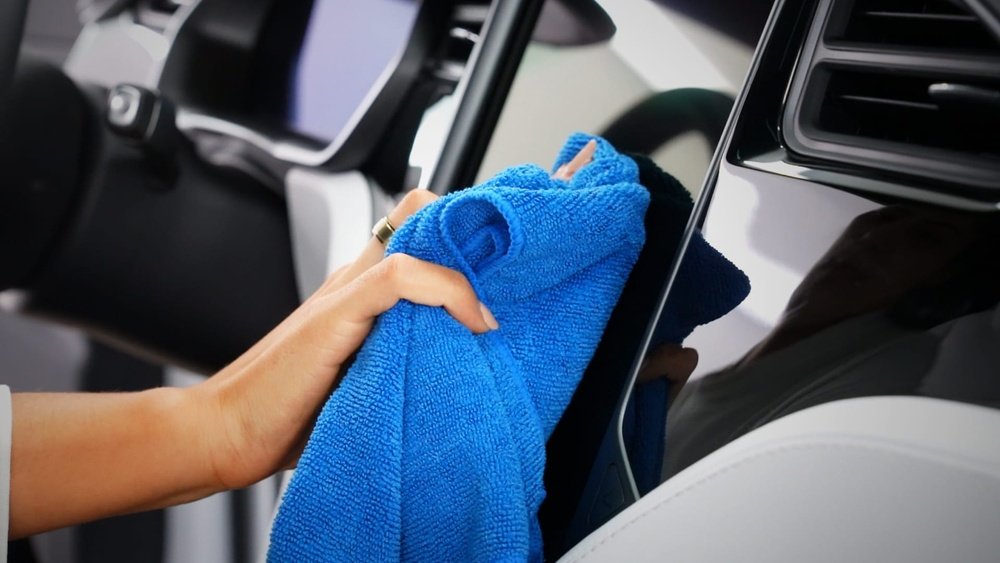
Use a soft cloth to buff the surface gently. Always move in the direction of the grain. This prevents scratches and keeps the finish smooth. After cleaning, dry the steel immediately. Use a dry microfiber cloth for best results. Removing moisture helps avoid water spots and streaks. Buffing also helps remove any leftover polish residue. It makes the surface shiny and smooth.
Preventing Fingerprints And Smudges
Fingerprints and smudges are common on stainless steel. Use a gentle cleaner or a mix of water and mild soap. Wipe the surface with a soft cloth. Avoid harsh chemicals that can damage the finish. Apply a small amount of mineral oil or baby oil to a cloth. Wipe the steel lightly to create a protective layer. This layer reduces fingerprints and makes cleaning easier. Repeat this step regularly for best protection.
Regular Care Routines
Set a schedule to clean stainless steel weekly. Light cleaning keeps dirt and grime from building up. Use warm water and a soft cloth for daily wipes. Avoid abrasive pads that can scratch the surface. Polish monthly to keep the shine strong. Check for stains or spots and clean them quickly. Consistent care saves time and effort in the long run. Your stainless steel will stay bright and beautiful.
Credit: www.reddit.com
Alternative Polishing Solutions
Alternative polishing solutions offer ways to restore the shine of stainless steel. These options suit different preferences and budgets. Some prefer natural ingredients for a gentle touch. Others select commercial polishes for quick results. Many enjoy mixing their own DIY polish recipes at home. Each method can bring back the bright, smooth finish stainless steel deserves.
Natural Ingredients For Shine
Natural ingredients are safe and easy to find. Olive oil adds a soft shine to stainless steel surfaces. Baking soda works well to remove stains and grime. White vinegar cuts through grease and enhances luster. Lemon juice acts as a mild acid to brighten dull areas. Use a soft cloth to apply these ingredients gently.
Commercial Polish Options
Commercial polishes are designed specifically for stainless steel. They clean and polish in one step. Many contain oils and waxes to protect the surface. Choose a polish free from harsh chemicals to avoid damage. Follow the instructions on the label for best results. Always test on a small area first.
Diy Polish Recipes
DIY polish recipes save money and reduce waste. Mix equal parts olive oil and vinegar for a simple cleaner. Combine baking soda and water to form a paste for tough spots. Add a few drops of lemon juice to boost shine. Apply with a microfiber cloth and wipe with the grain. Buff dry to reveal a polished finish.
Common Challenges And Fixes
Polishing stainless steel can be tricky due to common problems. These issues affect the final shine and smoothness. Knowing how to fix them saves time and effort. Below are common challenges and simple solutions for polishing stainless steel.
Removing Scratches
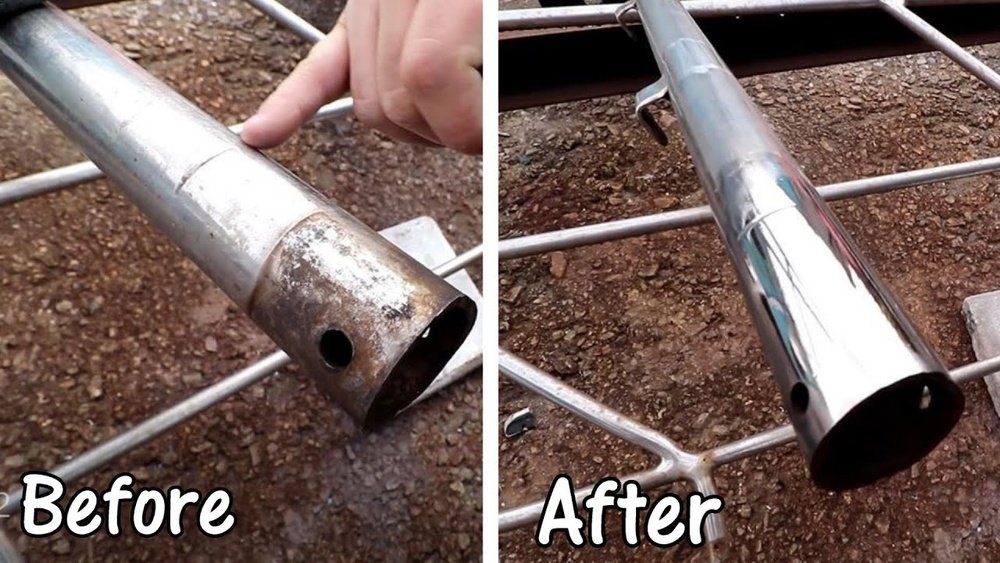
Scratches make stainless steel look old and worn. Use a soft cloth and a mild abrasive polish. Always polish along the grain to avoid more damage. For deep scratches, use fine sandpaper first, then polish gently. Repeat until the scratches fade. Finish with a clean cloth to restore shine.
Dealing With Stubborn Stains
Stains can be hard to remove from stainless steel. Try a paste of baking soda and water. Rub it on the stain with a soft cloth. Let it sit for a few minutes, then wipe clean. For tougher stains, use white vinegar or a commercial stainless steel cleaner. Always rinse and dry the surface well to prevent marks.
Restoring Dull Surfaces
Dull surfaces lose their bright, reflective look. Use a stainless steel polish or olive oil to bring back shine. Apply a small amount with a microfiber cloth. Buff in the direction of the grain until the surface shines. Regular polishing keeps stainless steel looking new and fresh. Avoid harsh chemicals that can make surfaces dull again.

Credit: www.theboldabode.com
Frequently Asked Questions
Does Wd-40 Polish Stainless Steel?
WD-40 can clean and add shine to stainless steel but does not polish it like a dedicated metal polish. Wipe thoroughly to avoid residue.
How Do You Make Stainless Steel Shine Again?
Spray stainless steel polish or olive oil onto a soft cloth. Wipe with the grain to clean and shine. Buff dry with a clean cloth. Avoid abrasive cleaners to prevent scratches. Repeat regularly to maintain the shine.
What Should You Not Use On Stainless Steel?
Avoid harsh abrasives, bleach, chlorine, oven cleaners, and ammonia-based cleaners on stainless steel to prevent scratches, corrosion, and discoloration.
Is There A Way To Buff Out Scratches On Stainless Steel?
Yes, gently buff scratches on stainless steel using a non-abrasive pad and stainless steel polish. Always rub with the grain.
Conclusion
Polishing stainless steel keeps it looking clean and shiny longer. Use gentle cleaners and soft cloths to avoid scratches. Always follow the grain when wiping to get the best shine. Regular polishing helps prevent stains and corrosion. Keep your stainless steel surfaces bright with simple, careful care.
This easy routine saves time and keeps your items looking new. Try these tips to enjoy polished, beautiful stainless steel every day.