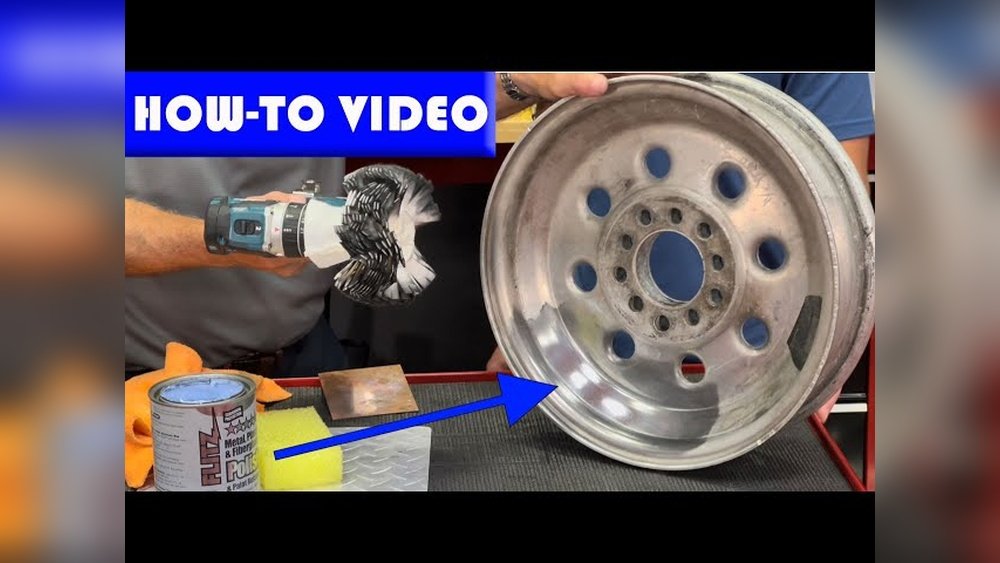
Your wheels say a lot about your ride—and keeping them polished can transform your car’s look from dull to dazzling. If your wheels have lost their shine or are covered with grime and brake dust, don’t worry.
You can bring back that showroom sparkle right at home. In this guide, you’ll learn simple, step-by-step techniques to polish your wheels effectively, whether they’re aluminum, chrome, or alloy. By the end, you’ll know exactly how to make your wheels gleam and impress everyone on the road.
Ready to give your wheels a fresh, eye-catching shine? Let’s dive in!
Credit: pitpad.com
Preparation Steps
Proper preparation is essential before polishing wheels. It ensures the polish works effectively and the wheels shine brightly. Start by thoroughly cleaning the wheels. This removes dirt and brake dust that can block polishing.
Next, remove any old polish and grime. This step creates a fresh surface for new polish to stick. It also helps reveal any damage or imperfections to address during polishing.
Finally, protect the surrounding areas of your vehicle. This avoids accidental damage or stains from polish or cleaning products. Preparation takes time but leads to better, longer-lasting results.
Cleaning The Wheels
Use a wheel cleaner suitable for your wheel type. Spray it evenly over the surface. Let it sit for a few minutes to loosen dirt. Use a soft brush to scrub gently. Focus on hard-to-reach areas and inside spokes. Rinse with water and dry with a microfiber cloth.
Removing Old Polish And Grime
Apply a wheel-specific degreaser or polish remover. Use a clean cloth to rub the surface in small circles. This breaks down old polish and stubborn grime. Wipe off residue with a damp cloth. Repeat until the wheel looks clean and dull, ready for fresh polish.
Protecting Surrounding Areas
Cover tires and brake parts with painter’s tape or plastic sheets. Protect the paintwork near the wheels with cloths or foam pads. This prevents accidental splashes of polish or cleaning chemicals. Take care with electrical components and sensors close to the wheels.
Tools And Materials
Polishing wheels requires the right tools and materials. Using proper items makes the job easier and gives better results. Quality tools help protect the wheel surface and bring out a bright shine. This section covers the key items needed for polishing wheels effectively.
Choosing The Right Polish
Select a polish designed for metal or aluminum wheels. These polishes remove oxidation and light scratches. Avoid harsh chemicals that can damage the wheel finish. Look for polishes with fine abrasives to create a smooth surface. Cream or paste polishes work well for hand application. Liquid polishes are ideal for machines and quick touch-ups.
Selecting Buffing Wheels And Cloths
Use buffing wheels made from soft materials like cotton or wool. These wheels hold polish well and prevent wheel damage. Choose the wheel size to fit your polisher or drill. For hand polishing, microfiber or soft cotton cloths are best. They help spread polish evenly and reduce swirl marks. Keep extra cloths handy to wipe off polish residue.
Using Sandpaper And Abrasives
Sanding helps remove deep scratches and corrosion before polishing. Start with coarse grit sandpaper, such as 400 or 600 grit. Move to finer grits like 1000 and 2000 grit for a smooth finish. Wet sanding reduces dust and keeps the wheel surface cool. Use sanding blocks for even pressure and better control. After sanding, clean the wheel well to prepare for polishing.
Polishing Techniques
Polishing wheels requires the right techniques to bring out a bright shine. Each step prepares the surface for the next. Careful polishing removes scratches and restores the metal’s natural glow. Using proper methods helps achieve a smooth, mirror-like finish that stands out.
These polishing techniques are simple and effective. They work well on most wheel types. Follow each step carefully for the best results.
Sanding For Scratch Removal
Start by sanding the wheel to remove scratches and rough spots. Use fine-grit sandpaper and wet the surface. Sand gently in circular motions. This evens out the surface and prepares it for polishing. Keep the wheel wet to avoid heat damage. Change to finer grits as the scratches fade. This step ensures a smooth base for polishing.
Applying Polish In Layers
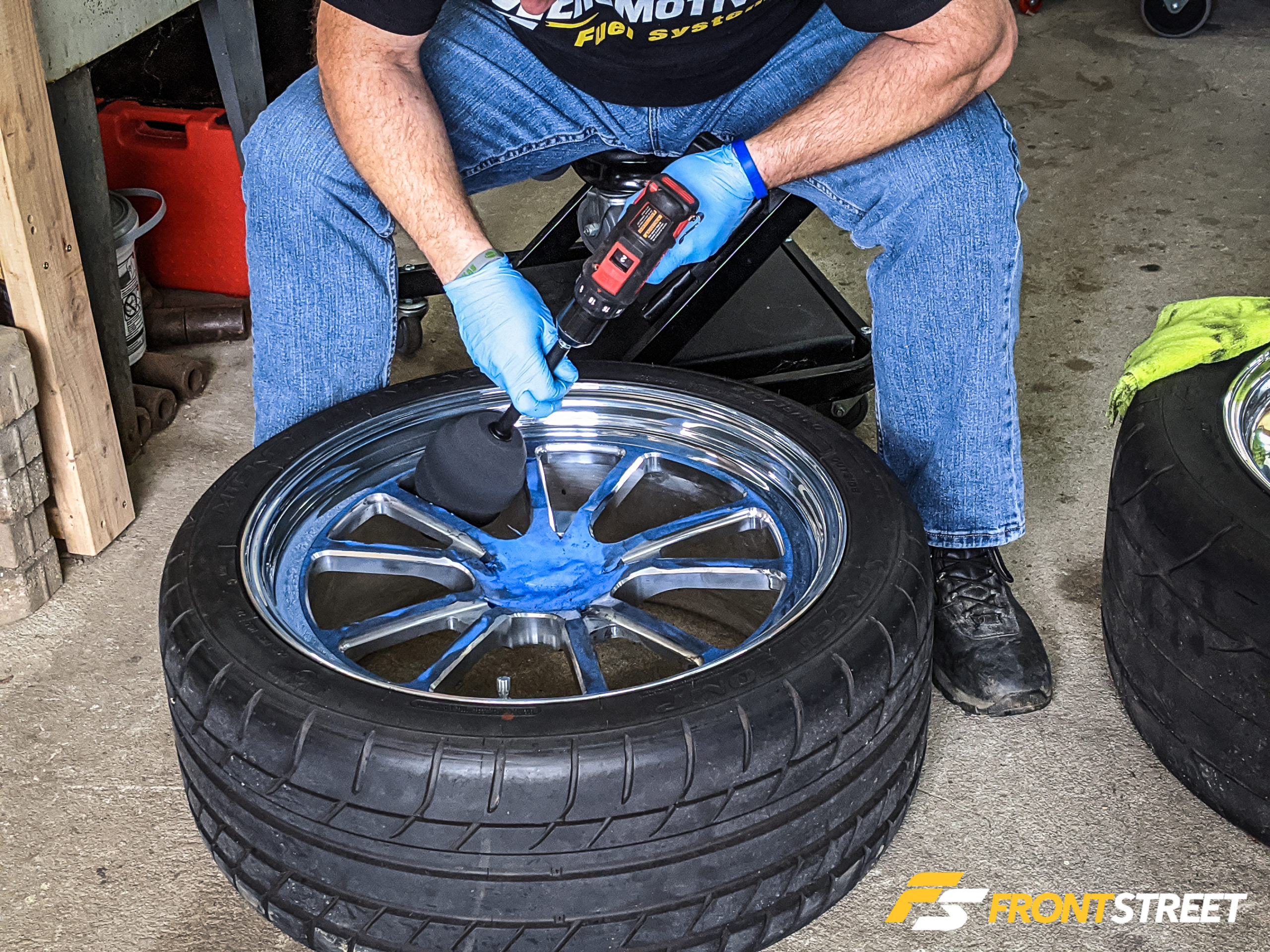
Apply polish in thin layers for better control. Use a soft cloth or applicator pad. Rub the polish in small circles across the wheel surface. Let each layer dry slightly before adding the next. Multiple layers build a deeper shine and protect the metal. Avoid applying too much polish at once. Patience in layering leads to a brighter finish.
Buffing For Mirror Shine
Buff the wheel using a clean, soft cloth or a mechanical buffer. Move the buffer in steady, overlapping circles. This step removes polish residue and enhances shine. Keep the buffer moving to avoid heat buildup. Buffing creates a reflective, mirror-like surface. Finish by wiping the wheel with a microfiber cloth for extra gloss.

Credit: www.renegadeproductsusa.com
Polishing Different Wheel Types
Polishing wheels improves their look and protects them from damage. Different wheel materials need different care. Using the right method keeps wheels shiny and safe. Learn how to polish aluminum, chrome, and alloy wheels properly.
Aluminum Wheels
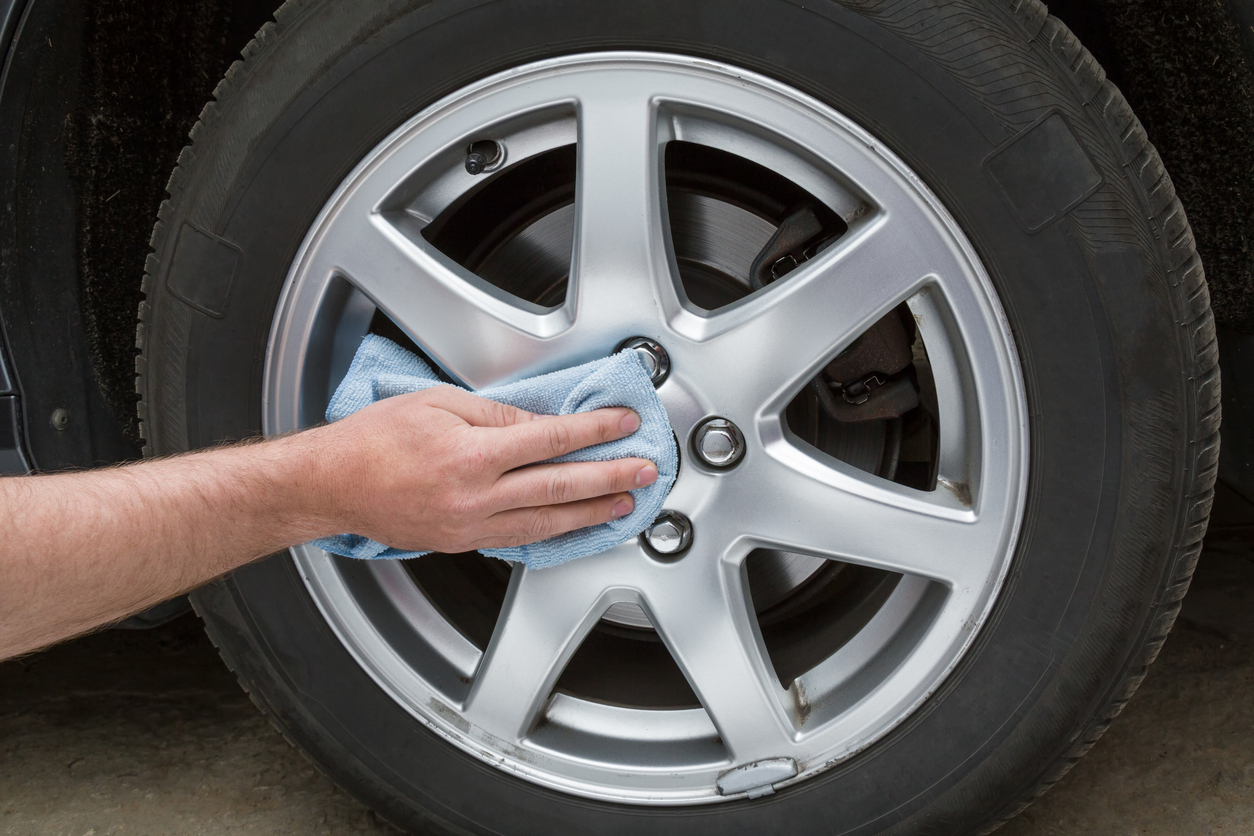
Aluminum wheels need gentle cleaning before polishing. Use a mild soap and water to remove dirt. Dry the wheels completely to avoid spots. Apply an aluminum polish with a soft cloth. Rub the polish in small circles for even coverage. Use a clean cloth to buff the wheel until it shines. Avoid harsh abrasives that can scratch aluminum surfaces.
Chrome Wheels
Chrome wheels require careful handling to keep their shine. Start by washing off dirt with soap and water. Dry the wheels fully before polishing. Use a chrome-specific polish for best results. Apply a small amount of polish and rub gently. Buff with a microfiber cloth to bring out the mirror finish. Avoid polishes not made for chrome, as they may cause damage.
Alloy Wheels
Alloy wheels combine metals and need special care. Clean the wheels with a gentle cleaner and water. Make sure to remove brake dust and grime completely. Use an alloy wheel polish to protect and shine the metal. Apply polish evenly using a soft cloth or applicator pad. Buff the wheels to a smooth finish with a clean cloth. Regular polishing helps prevent corrosion and keeps the wheels bright.
Detailing Tips
Detailing your wheels enhances their shine and extends their life. Small areas often get missed but matter a lot. Careful attention to these details gives your wheels a professional look. Use gentle tools and the right products for each part. Follow these tips to clean and polish every inch of your wheels.
Polishing Lug Nuts And Hard-to-reach Areas
Remove lug nuts carefully before polishing. Use a soft brush to clean dirt and brake dust. Apply polish with a small cloth or cotton swab. Work slowly to avoid scratches. For tight spots, use a toothbrush dipped in polish. Polish until the metal shines, then wipe off residue.
Cleaning Behind Valve Stems
Valve stems collect grime and affect wheel appearance. Spray a mild cleaner around the valve stem base. Use a small brush to scrub gently. Dry the area with a clean cloth. Apply polish carefully around the valve stem. This prevents buildup and keeps wheels looking fresh.
Removing Buffing Lines
Buffing lines appear after polishing and reduce shine. Use a fine polishing cloth to rub in circular motions. Apply a small amount of finishing polish or metal cleaner. Buff until the lines fade and the surface smooths out. Repeat if needed for a flawless finish.
Maintenance For Lasting Shine
Maintaining the shine on polished wheels requires consistent care. Without proper maintenance, the gleam fades quickly. A few simple steps help keep wheels looking fresh and bright longer. These steps protect your wheels from dirt, brake dust, and harsh weather. Follow these key practices for a lasting shine.
Regular Cleaning Routine
Clean your wheels regularly to avoid buildup of dirt and grime. Use a soft brush or sponge to remove loose debris. Wash wheels with water before applying any cleaner. Frequent cleaning prevents stains and corrosion. Set a schedule to clean wheels at least once a week. This habit keeps the polish intact and the surface smooth.
Using Ph-balanced Cleaners
Choose pH-balanced cleaners designed for wheels. These cleaners are gentle and do not strip the polish. Avoid harsh chemicals that can damage the wheel’s finish. Apply the cleaner with a soft cloth or sponge. Rinse thoroughly with water to remove any residue. Using the right cleaner preserves the polish and protects the metal underneath.
Applying Protective Coatings
Apply a protective coating after polishing for extra defense. Coatings create a barrier against dirt, salt, and brake dust. Use wax or sealant made for wheels to enhance shine. Reapply the coating every few months for best results. This step extends the life of your polish and keeps wheels looking new. Protective coatings make cleaning easier and reduce wear over time.
Common Mistakes To Avoid
Polishing wheels can transform your vehicle’s look, but many make avoidable mistakes. These errors reduce shine and may damage the wheel surface. Knowing what to avoid helps you achieve a smooth, bright finish every time.
Understanding common polishing pitfalls saves time and effort. It ensures the wheels look great and last longer.
Skipping Grits In Sanding
Sandpaper grit progression matters. Jumping from coarse to fine grit leaves scratches. These scratches show up after polishing.
Start with a rough grit to remove damage. Move gradually to finer grits for a smooth surface. Skipping grits wastes your work and harms the finish.
Overusing Polish
Polish is abrasive. Using too much wears down the wheel’s surface. Excess polish creates uneven shine and swirl marks.
Apply polish in small amounts. Use gentle pressure and check your progress often. Less polish keeps the wheel safe and shiny.
Ignoring Wheel Temperature
Polish wheels at a cool temperature. Hot wheels cause polish to dry too fast. This makes buffing harder and less effective.
Work in a shaded area or wait for the wheels to cool. Proper temperature helps polish spread evenly and shine bright.
Credit: www.chipsaway.co.uk
Frequently Asked Questions
What Is The Best Way To Polish Wheels?
Use a series of buffing wheels with abrasive compounds to smooth and polish wheels. Clean wheels first, then apply polish and buff until shiny. Regular rinsing and microfiber wiping maintain the finish and prevent grime buildup.
How To Make Wheels Look Shiny?
Clean wheels with a pH-balanced cleaner and rinse weekly. Apply polish using a microfiber cloth, then buff with a soft towel for shine.
Will Wd-40 Polish Aluminum?
WD-40 cleans and protects aluminum but does not polish it to a shine. Use proper aluminum polish for best results.
How To Bring Back Shine To Aluminum?
Clean aluminum with mild soap and water. Use fine sandpaper or Scotch-Brite pads to remove oxidation. Apply metal polish and buff with a soft cloth. Repeat polishing until the shine returns. Finish by wiping with a microfiber towel for a lasting shine.
Conclusion
Polishing wheels takes patience and the right tools. Start by cleaning your wheels thoroughly. Use sandpaper or a Scotch-Brite pad to remove rough spots. Apply polish evenly with a soft cloth. Buff the surface gently until it shines. Regular maintenance keeps wheels looking their best.
Clean often to avoid dirt buildup. A polished wheel not only looks great but lasts longer. Try these simple steps for a bright, smooth finish every time. Your wheels will thank you with a fresh, shiny look.