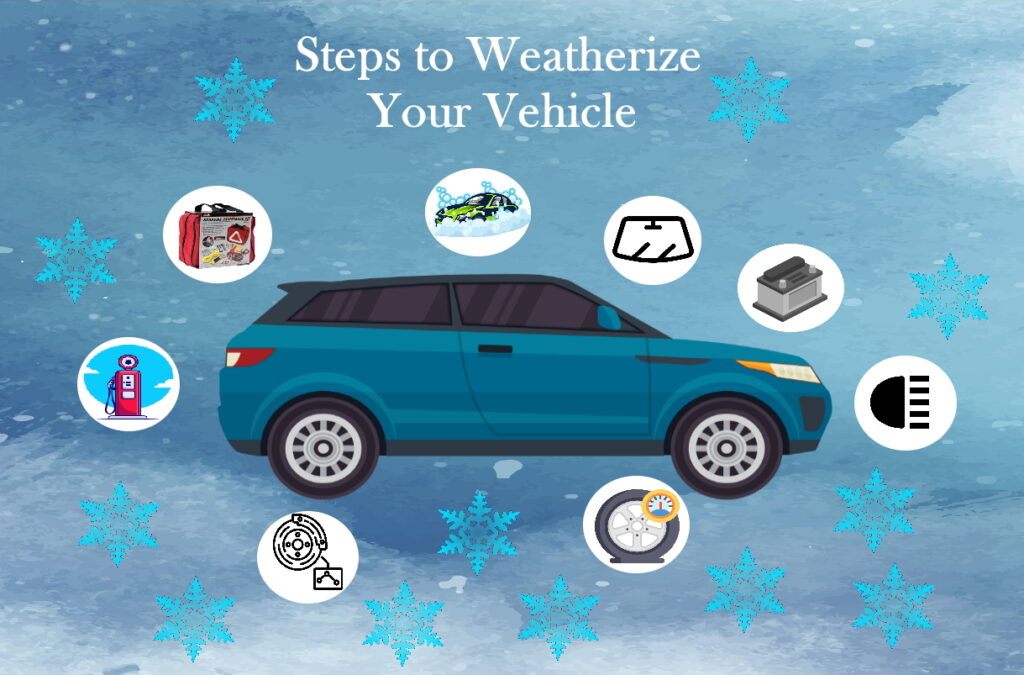
Winter in Austin might not be as harsh as in northern states, but preparing your car for colder months is still crucial. If you want to avoid unexpected breakdowns, slippery drives, and costly repairs, you need to get your vehicle ready before temperatures drop.
In this guide, you’ll learn simple and effective steps to protect your car, improve safety, and keep it running smoothly all winter long. Ready to face winter with confidence? Let’s dive in and make sure your car is prepared for whatever the season brings.

Credit: www.prnewswire.com
Winter Tire Selection
Selecting the right tires is vital for safe winter driving. Winter tire selection affects your car’s grip on icy and snowy roads. Choosing proper tires helps prevent accidents and improves control. Understanding the differences between tire types guides your decision. Timing your tire change ensures optimal performance and safety. Knowing when to switch back to summer tires protects your vehicle year-round.
All-season Vs Winter Tires
All-season tires work in mild winter conditions. They offer moderate traction on wet and light snow roads. Winter tires have special rubber that stays soft in cold weather. Their deeper tread and unique patterns improve grip on ice and snow. Winter tires provide better braking and handling on frozen surfaces. They are the best choice for harsh winters and heavy snow.
When To Install Winter Tires
Install winter tires before the temperature drops below 45°F (7°C). Cold weather hardens all-season tires, reducing traction. Changing tires early ensures your car is ready for winter roads. Do not wait for the first snowfall. Early installation helps prevent slipping and sliding. It also allows time to check tire condition and pressure.
Switching Back To Summer Tires
Switch to summer tires when temperatures rise above 45°F consistently. Summer tires perform better on warm, dry roads. Using winter tires in warm weather wears them out quickly. Summer tires improve fuel efficiency and road handling. Removing winter tires on time saves money and extends tire life. Store winter tires properly in a cool, dry place during off-season.
Safety And Performance Benefits
Winter tires reduce stopping distances on ice and snow. They improve vehicle stability in sharp turns and slippery conditions. Using winter tires lowers the risk of accidents during cold months. They boost driver confidence and comfort on challenging roads. Proper winter tire selection enhances overall car performance. Safety increases for both the driver and passengers in winter weather.
Credit: ceramicgaragemodesto.com
Fluid Maintenance
Proper fluid maintenance is vital to prepare your car for winter. Fluids protect your engine and other parts from freezing and damage. Cold temperatures can thicken fluids, reducing their effectiveness. Checking and replacing fluids keeps your car running smoothly in harsh weather. Focus on coolant, brake fluid, transmission fluid, and engine oil for best results.
Coolant And Antifreeze Check
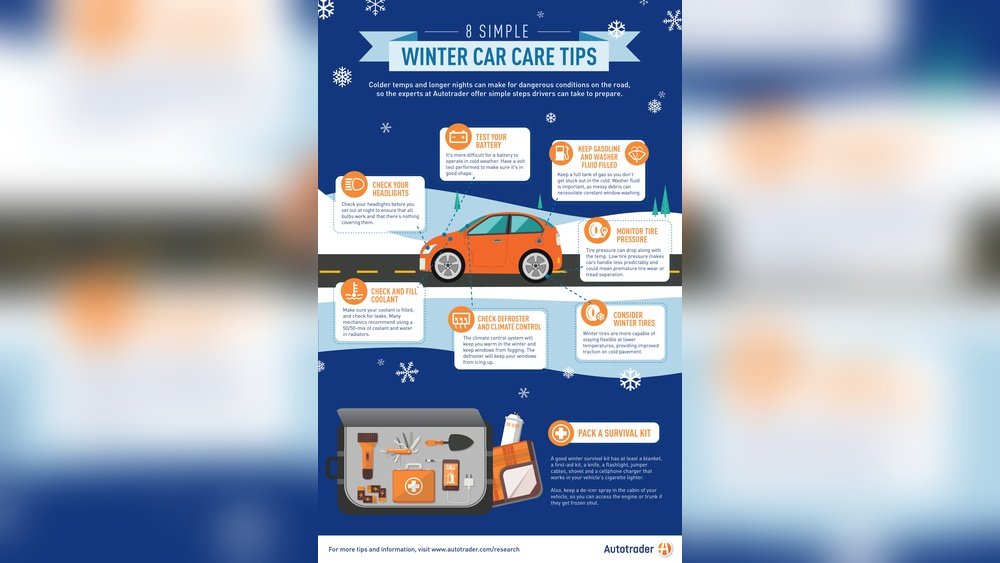
Coolant prevents your engine from freezing and overheating. Check the coolant level and concentration before winter. Use a 50/50 mix of antifreeze and water for optimal protection. Inspect hoses and radiator for leaks or cracks. Replace old coolant to avoid corrosion and freezing problems.
Brake Fluid Replacement
Brake fluid absorbs moisture over time, reducing braking power. Test the fluid’s condition using a brake fluid tester or at a service center. Replace brake fluid every two years or as recommended. Fresh fluid ensures safe braking on icy and slippery roads. Keep your brake system responsive to avoid accidents.
Transmission Fluid Care
Transmission fluid lubricates gears and prevents wear. Cold weather can thicken transmission fluid, causing shifting issues. Check the fluid level and color regularly. If dark or burnt smelling, replace the fluid. Use the type specified in your owner’s manual for best performance.
Oil And Filter Change
Engine oil lubricates and protects engine parts. Winter demands oil that flows well at low temperatures. Choose oil with the right viscosity for cold weather, often thinner oils. Change the oil and filter before winter starts. Clean oil helps your engine start easily and run efficiently.
Battery And Electrical Checks
Winter cold can drain your car battery fast. Electrical systems also face more strain. Checking these parts helps avoid roadside troubles. Prepare your car’s battery and electrical system before cold weather arrives.
Battery Testing And Inspection
Start by testing your battery’s charge and health. Use a voltmeter or visit an auto shop for a test. A healthy battery shows about 12.6 volts when the car is off. Look for signs like slow engine crank or dim lights. Replace the battery if it is weak or old.
Inspecting Battery Cables
Check battery cables for corrosion or damage. Corrosion looks like white or green powder on cable ends. Clean cables with a baking soda and water mix. Tighten any loose connections to ensure good contact. Damaged cables should be replaced to avoid starting issues.
Checking Interior And Exterior Lights
Test all car lights before winter driving. Check headlights, brake lights, turn signals, and interior lights. Replace any burned-out bulbs immediately. Clean light covers to improve visibility in snow and fog. Proper lighting keeps you safe on dark winter roads.
Brake And Suspension Care
Brake and suspension care is vital before winter arrives. Cold weather and icy roads make stopping and controlling your car harder. Proper checks help keep you safe. They also prevent costly repairs in harsh conditions.
Brakes must work perfectly in winter. Suspension and steering parts must handle rough roads and snow. Belts that run the engine need to be strong and reliable. These checks prepare your car for winter challenges.
Brake Pads And System Inspection
Check brake pads for wear. Thin pads reduce stopping power on slippery roads. Inspect brake discs for damage or rust. Test brake fluid level and quality. Old fluid can freeze or cause brake failure. Replace worn parts immediately to keep brakes strong.
Suspension And Steering Components
Inspect shocks and struts for leaks or damage. Worn suspension parts reduce control on icy surfaces. Check ball joints and tie rods for looseness. Tight steering parts improve handling in winter. Replace any damaged parts to avoid accidents.
Timing And Serpentine Belt Checks
Examine timing and serpentine belts for cracks or fraying. Cold weather can worsen belt damage. A broken belt can stop the engine suddenly. Replace belts that show signs of wear. This prevents breakdowns and keeps your car running smoothly.
Engine And Fuel System
The engine and fuel system play a vital role in your car’s winter performance. Cold weather puts extra strain on these parts. Proper care helps your car start easily and run smoothly in low temperatures.
Preparing your engine and fuel system for winter prevents breakdowns and costly repairs. It also improves fuel efficiency and reduces emissions. Check these components before the cold season begins.
Spark Plug Replacement
Spark plugs create the spark to ignite the fuel in the engine. Old or worn plugs cause hard starts and rough idling. Replace spark plugs every 30,000 miles or as recommended. New plugs improve engine power and fuel economy. Use plugs that fit your car’s make and model. Check for signs of wear like black deposits or cracks. Clean or replace plugs to ensure strong ignition this winter.
Fuel System Inspection And Cleaning
The fuel system delivers gasoline to the engine efficiently. Dirt or water in fuel lines can block flow and cause stalling. Inspect fuel filters and replace if dirty or clogged. Clean fuel injectors to maintain smooth engine operation. Use fuel system cleaners or ask a mechanic for help. Keep the fuel tank at least half full to avoid condensation. A clean fuel system helps your car run reliably in cold weather.
Preparing A Winter Safety Kit
Preparing a winter safety kit is a smart step before cold weather arrives. It helps you stay safe if your car breaks down or gets stuck. The kit should have useful tools and supplies for emergencies. Organizing this kit carefully makes winter driving less stressful.
Essential Items To Include
- Warm blankets or extra clothes to stay warm.
- Non-perishable snacks and bottled water for energy and hydration.
- Flashlight with extra batteries for visibility at night.
- Ice scraper and snow brush to clear windows and mirrors.
- Jumper cables to start a dead battery.
- First aid kit for minor injuries.
- Shovel for digging out snow around tires.
- Cat litter or sand to improve tire traction on ice.
- Reflective warning triangles or flares to alert other drivers.
- Multi-tool or basic toolkit for small repairs.
Tips For Storage And Accessibility
Store the winter safety kit in an easy-to-reach spot in your car. The trunk or under the back seat usually works well. Use a sturdy, waterproof bag to protect items from moisture. Check the kit regularly to replace expired supplies or batteries. Keep the kit organized for quick access during emergencies. Make sure all family members know where the kit is stored.
Additional Winter Tips
Winter brings unique challenges for your car beyond the basics. Paying attention to small details ensures safety and comfort. These additional winter tips help protect your vehicle inside and out. Prepare your car fully for colder months ahead.
Car Interior And Exterior Care
Keep the interior clean to prevent moisture buildup. Use floor mats to catch snow and salt. Wipe windows regularly to avoid fog and frost. For the exterior, wash your car often. Salt and grime can damage paint and metal. Apply a wax coat before winter to protect surfaces. Check door seals to stop cold air leaks.
Using Salt For Deicing
Salt helps melt ice on roads and driveways. Use it cautiously around your car. Salt can cause rust on metal parts. Rinse your car’s underbody after driving on salted roads. Avoid using too much salt near tires and brakes. Choose pet-safe salt alternatives if you have animals. Store salt safely away from children and pets.
Tire Chains And Emergency Gear
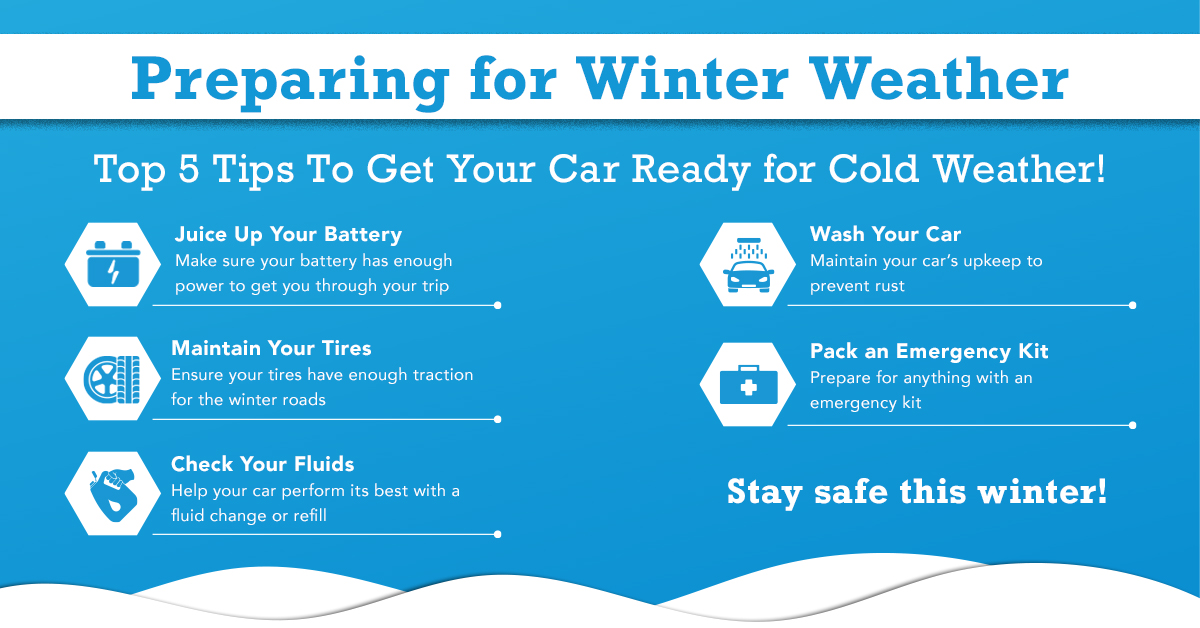
Tire chains improve traction on icy roads. Carry them if you live in snowy areas. Learn how to install chains before winter starts. Keep an emergency kit in your car. Include blankets, flashlights, water, and snacks. Add a small shovel and jumper cables. These tools help in case of breakdowns or getting stuck.
Credit: www.johnsoncityford.com
Frequently Asked Questions
What Should You Do To Your Car Before Winter?
Check tire tread and pressure; switch to winter tires. Test battery and replace if weak. Top off antifreeze and fluids. Inspect brakes, lights, and wipers. Keep a winter safety kit in your car.
What Is The 30-60-90 Rule For Cars?
The 30-60-90 rule for cars suggests servicing your vehicle every 30,000, 60, and 90,000 miles. This keeps performance optimal and prevents breakdowns.
What Is The 7’7 Rule For Winter Tires?
The 7’7 rule for winter tires means you need at least 7/32 inch tread depth on all four tires for safe winter driving.
Why Put A Glass Of Salt In Your Car?
Placing a glass of salt in your car absorbs moisture and reduces interior humidity. It helps prevent window fog and mold growth during winter.
Conclusion
Preparing your car for winter keeps you safe on icy roads. Check tires, fluids, battery, and lights regularly. Keep an emergency kit inside your vehicle. Small steps now prevent costly repairs later. Drive carefully and stay alert in harsh weather.
A well-prepared car handles winter challenges better. Protect yourself and your passengers this cold season. Stay warm, stay safe, and enjoy worry-free driving.