Winter road salt is tough on your car’s paint. If you don’t prepare your vehicle properly, salt can cause rust, chips, and costly damage that’s hard to fix.
But here’s the good news: with a few simple steps, you can protect your paint and keep your car looking great all winter long. You’ll learn exactly how to get your paint ready for the harsh winter conditions ahead. Follow these easy tips to save yourself time, money, and frustration—and enjoy a cleaner, more protected ride no matter what the season throws at you.
Keep reading to find out how to shield your paint from winter road salt today.
Pre-winter Wash And Wax
Preparing your car’s paint for winter road salt starts with a pre-winter wash and wax. This step removes dirt and grime from the warmer months. It also adds a protective layer to keep salt from damaging the paint. A clean and waxed surface helps prevent corrosion and rust during harsh winter conditions.
Thorough Cleaning
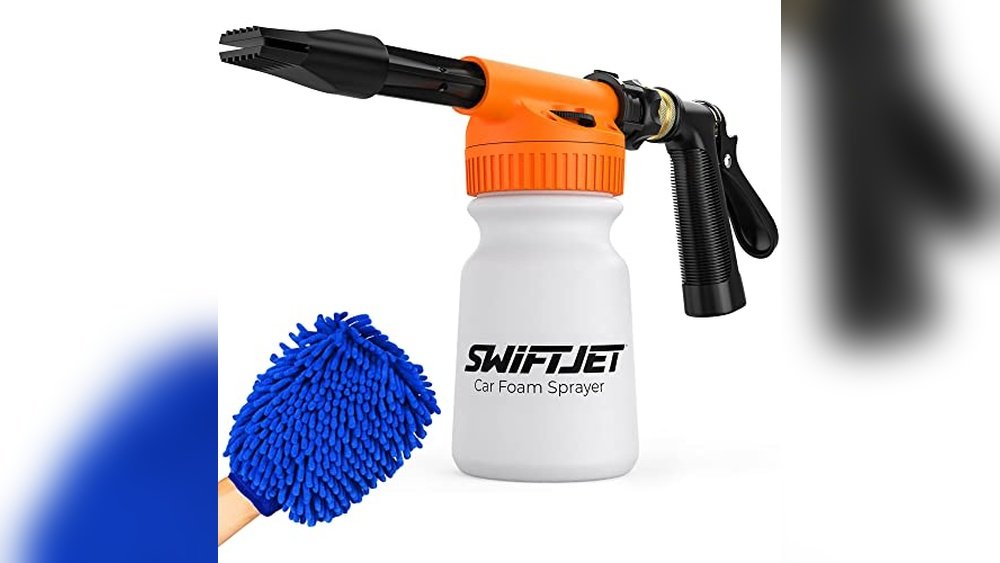
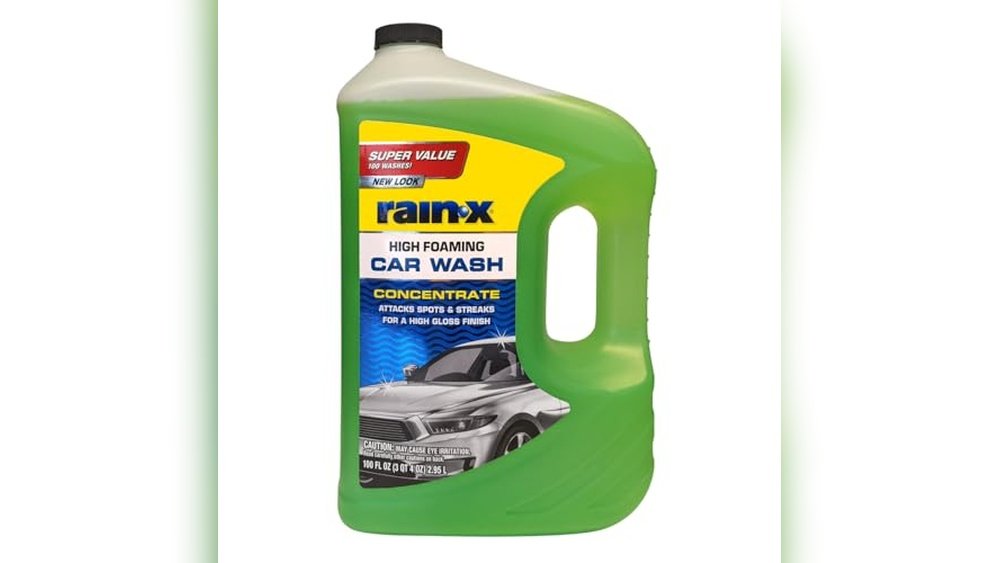
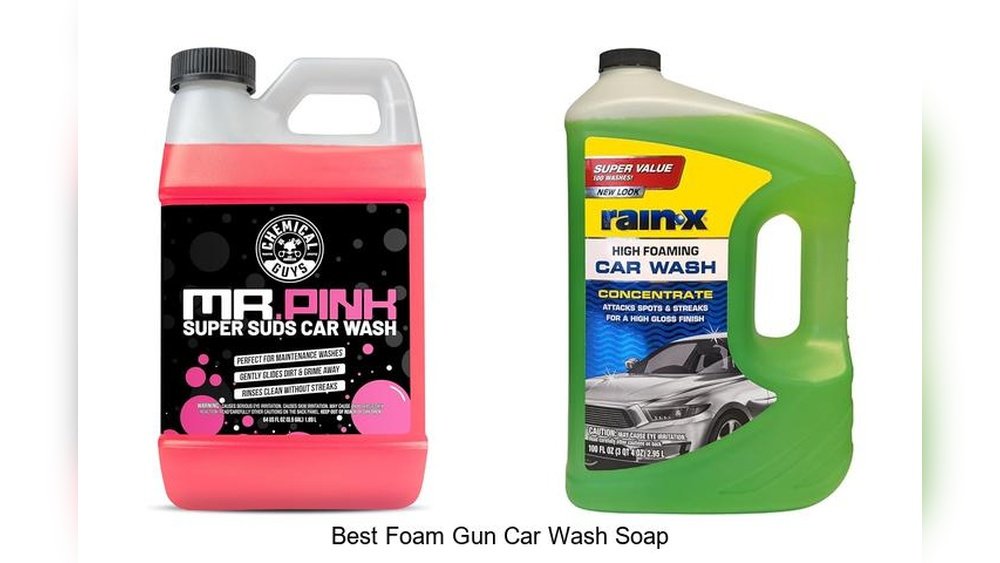
Begin with a deep wash of your car’s exterior. Use a car shampoo that removes dirt and old wax. Pay close attention to the wheel wells, bumpers, and lower panels. These areas collect the most salt and grime. Rinse the car well to remove all residues. Dry the car completely before moving to the next step.
Applying Protective Wax Or Sealant
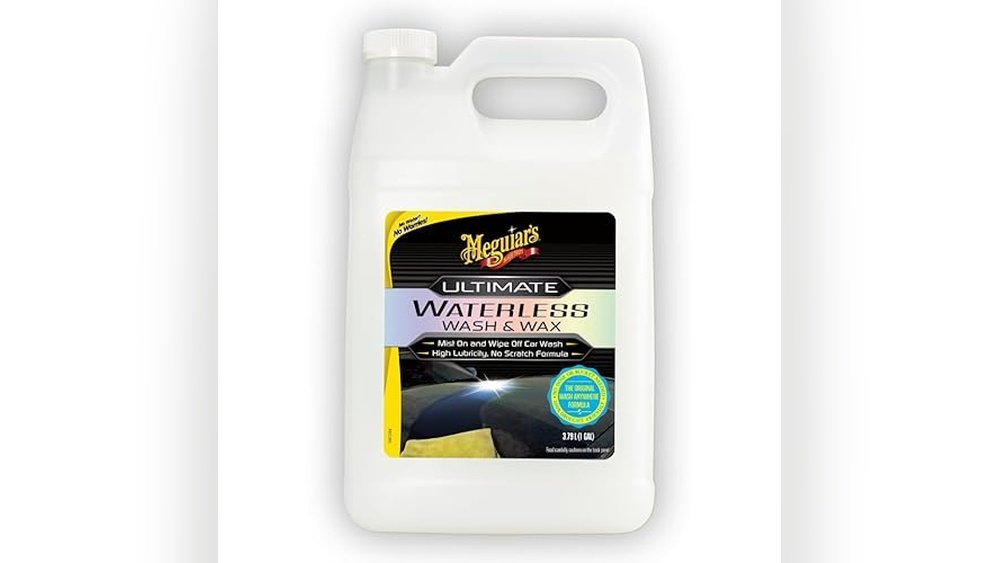
Apply a high-quality wax or paint sealant after washing. This layer acts like a shield against road salt and moisture. Use a soft cloth or applicator pad to spread the wax evenly. Focus on areas prone to salt exposure. Let the wax cure as per the product’s instructions. Buff the surface to a smooth finish for extra shine and protection.
Protecting The Undercarriage
The undercarriage of your vehicle faces the harshest effects of winter road salt. Salt accelerates rust and corrosion on metal parts beneath your car. Protecting this area helps keep your vehicle safe and extends its lifespan. Taking steps to shield the undercarriage reduces costly repairs later.
Applying protective coatings and cleaning regularly stops salt from causing damage. These measures create a barrier against moisture and salt buildup. Proper care prevents rust from spreading under your car’s body.
Professional Undercoating Options
Professional undercoating provides a strong, long-lasting shield. Experts apply thick layers of protective materials like rubberized sprays or wax-based coatings. These coatings block moisture and salt from reaching metal parts. The process often includes cleaning and drying the undercarriage first. Professionals ensure even coverage and durability. Investing in professional undercoating adds solid protection throughout the winter season.
Diy Spray Solutions
DIY sprays offer an affordable way to protect your undercarriage. Products such as fluid film or rust inhibitors create a thin protective film. They are easy to apply with a spray wand or brush. Clean the undercarriage thoroughly before applying. Reapply every few weeks to maintain protection. DIY solutions help slow down corrosion and keep salt from sticking to metal surfaces.
Regular Undercarriage Rinsing
Rinsing the undercarriage regularly flushes away salt and dirt. Use a high-pressure hose or car wash with an undercarriage spray feature. Focus on cleaning after every winter storm or road salt application. Washing helps prevent salt from bonding to metal and causing rust. Warm water is best when temperatures allow. Consistent rinsing is a simple habit that greatly reduces corrosion risks.
Repairing Paint Chips
Repairing paint chips is crucial before winter salt hits your vehicle. Salt can cause rust quickly on exposed metal. Fixing chips early protects your car’s body and keeps it looking good. Small chips may seem harmless but can lead to serious damage over time.
This section explains how to spot and repair paint chips to guard against rust.
Identifying Small Chips
Look closely at your car’s paint in bright light. Small chips often appear as tiny spots where paint is missing. Check areas prone to road debris, like the front bumper and hood. Use your fingernail to feel for rough or uneven spots. Catching chips early helps stop rust before it starts.
Fixing Chips To Prevent Rust
Clean the chipped area with soap and water, then dry it. Use a touch-up paint that matches your car’s color. Apply the paint carefully with a small brush or pen. Let it dry completely before adding a clear coat for extra protection. This seals the chip and stops salt from reaching the metal. Regularly check repaired spots during winter for any new damage.
Using All-weather Mats
Using all-weather mats is a smart step to protect your car’s interior during winter. These mats shield the floor from salt, mud, and water brought in by shoes. They help keep your vehicle clean and reduce wear caused by harsh winter elements. Choosing the right mats can make a big difference in maintaining your car’s condition.
Benefits Of Rubber Floor Mats
Rubber floor mats are durable and easy to clean. They resist water and salt, preventing damage to your car’s carpet. These mats fit snugly, covering the floor completely. They also provide extra grip, reducing slips inside the car. Rubber mats last longer than fabric mats in winter conditions.
Trapping Salt, Mud, And Water
All-weather mats catch salt, mud, and water before they reach the carpet. Their raised edges keep liquids contained, stopping spills from spreading. This feature protects the floor from corrosion and staining. Cleaning these mats is simple; just hose them off or wipe with a cloth. Using them helps maintain your car’s value.
Washing During Winter
Washing your car during winter protects the paint from road salt damage. Salt causes rust and paint corrosion if left on too long. Regular washing removes salt and grime buildup. Focus on areas where salt collects the most. Clean your vehicle well to keep the paint safe.
Frequency Of Washes
Wash your car at least once a week in winter. More often after heavy snow or rain. Salt sticks to your car quickly in cold weather. Frequent washing stops salt from eating the paint. Do not wait too long between washes.
Targeting Wheel Wells And Fenders
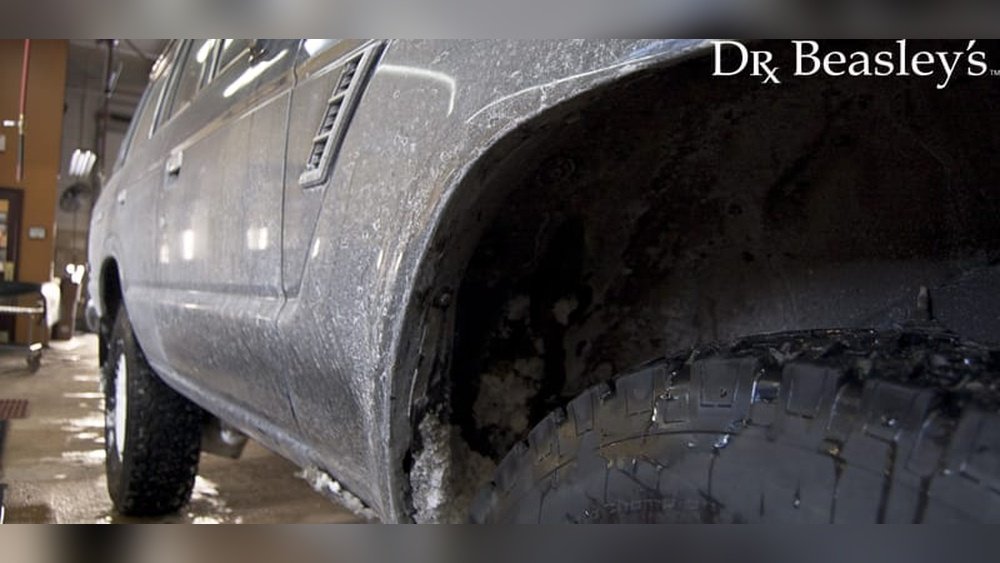
Wheel wells and fenders collect the most salt and dirt. Salt mixes with mud and water here, causing rust fast. Use a high-pressure spray to clean these areas well. Check these spots carefully and clean every wash. Removing salt here helps protect metal parts and paint.
Washing In Warm Temperatures
Wash your car when the temperature is above freezing. Warm water helps dissolve salt faster than cold water. Salt freezes to the paint in cold weather, making it hard to remove. Washing in warm weather stops salt from bonding with metal. Plan washes during the day when it is warmer.

Credit: cloud10smartwash.com
Smart Driving And Parking
Smart driving and parking habits help protect your car’s paint from winter road salt. Salt can cause corrosion and damage the paint if it stays on the surface too long. Being cautious on the road and choosing the right parking spots reduce salt exposure. These simple steps keep your vehicle looking new and extend its life.
Avoiding Puddles And Snowplows
Avoid driving through puddles mixed with salt and dirt. These puddles splash salt onto your car’s paint and undercarriage. Salt accelerates rust and paint damage. Also, keep distance from snowplows. Snowplows push salt and debris onto your vehicle. Driving behind them increases salt contact and paint wear. Staying clear helps keep your paint cleaner and safer.
Using Covered Or Garage Parking
Park in covered areas or garages whenever possible. Covered parking shields your car from salt spray and harsh winter weather. Salt from nearby roads can splash up and settle on your paint. A garage keeps your vehicle dry and reduces salt buildup. This simple action protects your car’s finish and lowers the need for frequent washes.
Key Areas To Focus On
Preparing your vehicle’s paint for winter road salt requires attention to specific areas. These zones face the most salt exposure and damage risk. Focusing on these key spots helps protect your paint and metal parts effectively. Regular care here reduces corrosion and keeps your car looking good.
Undercarriage Maintenance
The undercarriage is the most exposed to road salt. Salt collects on metal parts underneath your car. This buildup causes rust and damage over time. Clean the undercarriage often using a high-pressure spray. Applying a protective undercoating also helps prevent corrosion. Check for any damage and repair it promptly to stop rust from spreading.
Cleaning Wheel Wells And Fenders
Wheel wells and fenders trap salt, dirt, and moisture. Salt sticks to these curved and hidden areas easily. Use a strong hose or pressure washer to rinse them thoroughly. Pay close attention after snowstorms or long drives on salted roads. Keeping these areas clean stops salt from eating away at paint and metal.
Maintaining Paint Protection
Wax or sealant creates a barrier between salt and your car’s paint. Apply a high-quality wax before winter starts. This layer reduces salt damage and keeps paint shiny. Fix any chips or scratches quickly to avoid rust spots. Regular washing during winter removes salt residue and preserves the protective layer.

Credit: overflowpaint.co.uk

Credit: www.liberty-autobody.com
Frequently Asked Questions
How To Protect Your Car From Salt In The Winter?
Apply a protective wax or sealant before winter. Use undercarriage spray coatings and wash your car frequently, focusing on wheel wells. Avoid deep snow and puddles, park in a garage if possible, and fix paint chips promptly to prevent rust.
How To Prepare Car Paint For Winter?
Wash your car thoroughly and apply a quality wax or sealant before winter. Fix paint chips promptly. Use undercarriage coating for rust protection. Wash frequently during winter, focusing on wheel wells and undercarriage. Park in a garage and avoid driving through deep snow or puddles to protect paint.
Does Snow Salt Mess Up Car Paint?
Yes, snow salt can damage car paint by causing corrosion and rust. Regular washing and waxing protect the paint effectively.
What To Spray On Vehicles For Winter To Neutralize Salt?
Spray a rust-inhibitor or undercarriage coating like Fluid Film on your vehicle to neutralize winter salt. Apply wax or sealant for paint protection. Wash frequently, especially the undercarriage, to remove salt buildup.
Conclusion
Protecting your paint from winter road salt keeps your car looking good longer. Wash your vehicle often to remove salt buildup quickly. Apply wax or sealant to create a strong barrier. Don’t forget to treat the undercarriage and fix paint chips early.
Avoid driving through deep snow or puddles that splash salt. Park in a garage or covered spot to reduce salt exposure. These simple steps help prevent rust and paint damage. Stay proactive all winter for a clean, protected vehicle year-round.