Your car wheels often face the toughest conditions. Dirt, brake dust, and grime build up quickly, making your wheels look dull and worn.
But here’s the secret: cleaning your wheels properly can bring back that fresh, shiny look and even protect them from damage. In this guide, you’ll discover simple, effective steps to clean your car wheels the right way. Whether you’re a beginner or just want better results, this easy process will save you time and effort, leaving your wheels spotless every time.
Ready to transform your ride? Let’s dive in!
Credit: avalonking.com
Materials Needed
Preparing to clean car wheels requires gathering the right materials. Using proper tools and solutions ensures a safe and effective cleaning process. Each item plays a key role in removing dirt, brake dust, and grime without damaging the wheel surface.
Choose products designed specifically for wheels. Avoid harsh chemicals that can harm the finish. Selecting the correct brushes and cloths makes cleaning easier and more thorough. Below are essential materials needed for this task.
Cleaning Solutions
Use a wheel cleaner made for your wheel type. Options include spray-on cleaners and gel formulas. Look for pH-balanced cleaners to protect wheel coatings. Avoid acidic or abrasive solutions that may cause damage. Dish soap mixed with water can work for light dirt.
Brush Types
Soft-bristle brushes help remove brake dust gently. Choose brushes with nylon bristles to avoid scratching. A small detailing brush reaches tight spots. Wheel woolies or foam brushes work well for curved surfaces. Avoid metal brushes that can harm the finish.
Cloths And Towels
Microfiber cloths are ideal for drying and polishing wheels. They absorb water without leaving scratches or lint. Use separate cloths for cleaning and drying to avoid cross-contamination. Soft towels help remove remaining residue. Avoid rough fabrics that can cause damage.

Credit: www.huronautomotivegb.com
Preparing Wheels
Proper preparation is the first step to clean car wheels effectively. Dirt and brake dust can damage the wheel surface if not handled carefully. Taking time to prepare the wheels ensures a safer and better cleaning process.
Start by making sure the wheels are ready for cleaning. This helps protect the finish and removes loose grime before using any cleaners or brushes.
Cool Down Wheels
Wheels get very hot after driving. Cleaning hot wheels can cause damage or stains. Let the wheels cool down completely before starting. This prevents cleaning products from drying too fast and leaving marks.
Wait at least 30 minutes after driving. Avoid washing wheels in direct sunlight or on a hot day. Cool wheels help cleaning products work better and protect the wheel’s finish.
Pre-rinse To Remove Dirt
Use a hose or pressure washer to rinse the wheels. This removes loose dirt, brake dust, and road grime. Pre-rinsing prevents scratches during scrubbing. Dirt can act like sandpaper and damage the wheel surface.
Spray water evenly over the entire wheel, including the tire and inside the wheel wells. Pay attention to corners and edges where dirt collects. A thorough rinse makes the cleaning process easier and more effective.
Cleaning Process
Cleaning car wheels properly requires a clear step-by-step process. This ensures the wheels look great and last longer. The cleaning process removes brake dust, dirt, and grime that build up over time. Follow these simple steps to keep your wheels in top shape.
Apply Wheel Cleaner
Start by spraying a good wheel cleaner on the wheel surface. Use a cleaner designed for your wheel type. Cover the entire wheel, including spokes and rims. Let the cleaner sit for a few minutes. This loosens stubborn dirt and brake dust without harsh scrubbing.
Scrub With Soft Brush
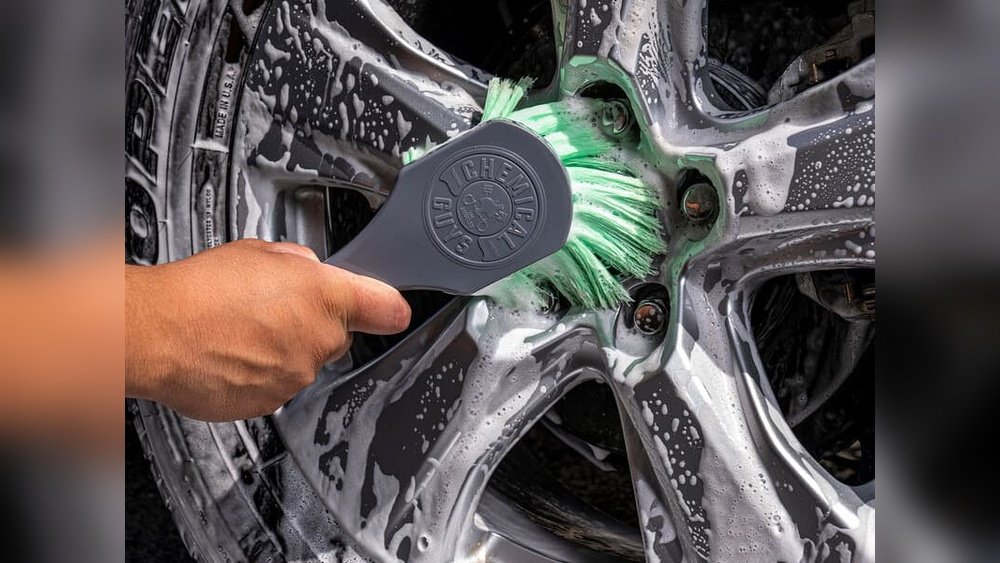
Use a soft-bristled brush to scrub the wheel gently. Focus on areas with heavy dirt and grime. Avoid hard brushes that can scratch the wheel finish. Work the cleaner into all crevices and curves. This step helps lift dirt for easy rinsing.
Focus On Lug Nuts
Lug nuts often collect dirt and brake dust. Use a smaller brush or detailing tool to clean around them. Scrubbing here improves the wheel’s overall look. Don’t miss this small but important area during cleaning.
Clean Wheel Wells
Wheel wells trap mud and road grime. Spray wheel wells with cleaner and scrub with a brush. Cleaning these areas prevents rust and keeps your car looking tidy. Rinse well to remove all loosened dirt.
Tackling Brake Dust
Brake dust is one of the toughest grime types on car wheels. It builds up fast and sticks tightly. Regular cleaning stops damage and keeps wheels shiny. Tackling brake dust right is key to wheel care.
Use Iron Remover
Iron remover is a special cleaner for brake dust. Spray it on the wheel surface and let it sit. The product breaks down iron particles in the dust. After a few minutes, rinse the wheel with water. This step loosens stubborn brake dust safely.
Multiple Cleaning Passes
One clean is not enough for heavy brake dust. Repeat the cleaning process several times. Spray cleaner, scrub gently, then rinse. Each pass removes more brake dust. This method ensures wheels become spotless without damage.
Detail With Microfiber
Use a soft microfiber cloth for the final touch. It reaches small corners and crevices easily. Wipe the wheel gently to remove leftover dust and cleaner. Microfiber prevents scratches and leaves a smooth finish. This detail step perfects the wheel’s look.
Tire Cleaning Tips
Cleaning tires is a key step to keep your car looking fresh and safe. Dirt, grime, and brake dust gather on tires and need proper removal. Good tire cleaning also helps prevent cracking and wear. Follow simple tips for the best results and longer tire life.
Use Stiff-bristled Brush
A stiff-bristled brush removes tough dirt and brake dust. It scrubs deep into the tire grooves. Use a brush designed for tires to avoid damage. Scrub gently but firmly to clear all grime. This step prepares the tire for a clean finish.
Avoid Slippery Residue
Rinse tires well to avoid slippery soap residue. Leftover cleaner can make tires slick and unsafe. Use water to wash away all cleaning products. Dry the tires with a clean cloth to remove moisture. This keeps tires safe and ready for the road.
Rinsing And Drying
Rinsing and drying are key steps in cleaning car wheels. They remove loosened dirt and prevent water spots. Proper rinsing clears away all cleaning agents and grime. Drying stops water marks and keeps wheels shiny. Follow careful rinsing and drying for the best results.
Thorough Final Rinse
Use a strong stream of water to rinse the wheel. Spray all surfaces to wash off dirt and cleaner. Focus on tight areas like lug nuts and spokes. Make sure no soap or residue remains. A good rinse helps prevent streaks and buildup.
Use Soft Cloth To Dry
Choose a soft microfiber cloth for drying wheels. Gently wipe all parts to absorb water. Avoid rough materials that can scratch the finish. Drying quickly reduces water spots and streaks. Take time to reach every curve and edge.
Protecting Wheels
Protecting your car wheels after cleaning is crucial. It keeps them looking new and guards against damage. Dirt, brake dust, and road salt can harm wheels if left unprotected. Applying a protective layer helps prevent stains and corrosion. This step also makes future cleaning easier and faster.
Apply Wheel Wax Or Sealant
Use a wheel wax or sealant designed for car wheels. These products create a thin, durable barrier on the surface. Apply wax or sealant with a clean cloth or applicator pad. Cover all areas, including the spokes and edges. Let it dry according to the product instructions. Then, buff gently with a soft cloth for shine.
Benefits Of Protection
Protection extends the life of your wheels by reducing wear. It repels dirt, brake dust, and water, keeping wheels cleaner longer. Sealants also prevent oxidation and fading caused by sun exposure. This reduces the need for harsh cleaners or scrubbing. Overall, protected wheels maintain their appearance and value better over time.
Common Mistakes To Avoid
Cleaning car wheels may seem simple but many make avoidable mistakes. These errors can damage your wheels or reduce cleaning effectiveness. Knowing what to avoid ensures your wheels look their best longer. Here are some common mistakes and how to prevent them.
Cleaning Hot Wheels
Cleaning wheels right after driving can harm them. Hot wheels make cleaning products dry too fast. This causes stains and streaks on the surface. Wait until wheels cool down before washing. This protects the finish and allows cleaner to work better.
Spraying Tires
Avoid spraying tire shine or cleaners directly on wheels. These products can damage the wheel finish if they drip or spread. Use a separate applicator for tires. Keep tire products only on the rubber sidewalls to prevent damage.
Skipping Rinse Steps
Rinsing is a key part of cleaning wheels. Skipping rinse steps leaves cleaner residue behind. This can cause spotting and corrosion over time. Always rinse wheels fully after applying cleaners. Repeat rinsing until water runs clear for the best results.

Credit: avalonking.com
Frequently Asked Questions
What Is The Best Way To Clean Car Wheels?
Rinse wheels to remove dirt. Spray wheel cleaner on one wheel at a time. Scrub gently with a soft brush. Rinse thoroughly and dry with a soft cloth for a spotless finish.
How To Properly Clean A Wheel?
Rinse wheels to remove loose dirt. Spray wheel cleaner on one wheel at a time. Scrub with a soft brush, including lug nuts. Rinse thoroughly and dry with a soft cloth. Clean wheel wells for complete maintenance.
How To Get Rid Of Heavy Brake Dust On Rims?
Rinse rims with water to remove loose dust. Spray wheel cleaner and scrub with a soft brush. Use iron remover for stubborn dust. Wipe edges with a microfiber cloth. Rinse thoroughly and dry with a soft towel for a clean finish.
Does Wd-40 Clean Car Wheels?
WD-40 can remove grime on car wheels but leaves a greasy residue. It may attract more dirt over time. Use dedicated wheel cleaners for best results.
Conclusion
Cleaning car wheels properly keeps them looking fresh and protects their finish. Start by rinsing to remove loose dirt and dust. Use a gentle cleaner and a soft brush to scrub carefully. Don’t forget to clean around lug nuts and inside wheel wells.
Rinse well to avoid leftover grime or cleaner residue. Dry wheels with a soft cloth for a clean shine. Regular cleaning prevents brake dust buildup and damage. Simple steps make wheel care easy and effective. Clean wheels improve your car’s appearance and help maintain its value.