You’ve just finished washing your car, and it’s sparkling clean. But wait—how you dry it now makes all the difference.
If you rush or use the wrong method, those hard-earned results can be ruined by stubborn water spots or even tiny scratches. You want your car to shine, not suffer from careless drying. In this guide, you’ll learn the best, easiest ways to dry your car properly, protecting its paint and keeping that fresh-from-the-wash look longer.
Keep reading, and discover simple tips that will save you time and give your car the care it deserves.
Choosing The Right Drying Tools
Choosing the right drying tools makes a big difference in how your car looks after washing. The right tools help prevent scratches and water spots. They also make drying faster and easier. Using poor tools can harm your car’s paint and leave marks. Below are some common drying tools and their key benefits.
Microfiber Towels Benefits
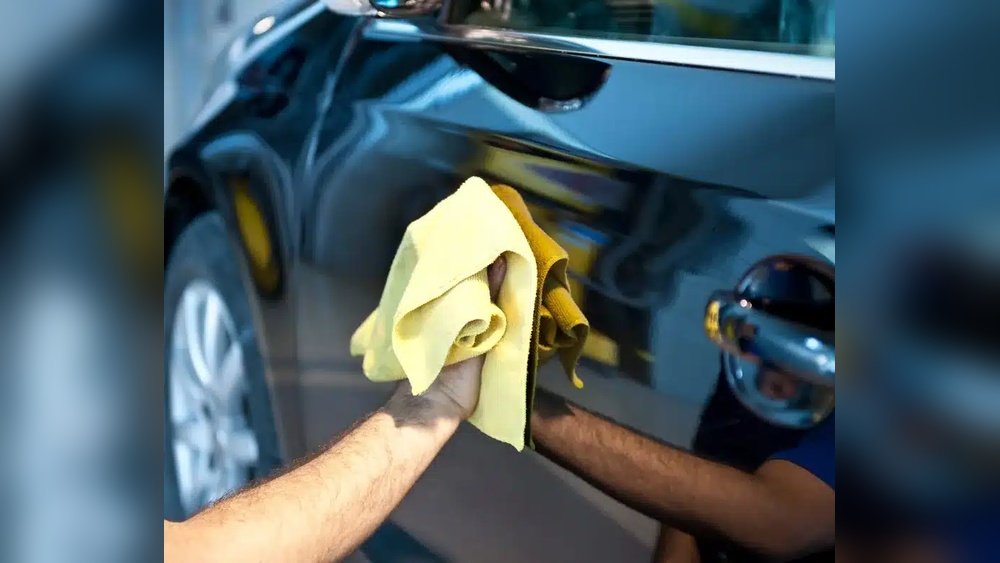
Microfiber towels are soft and gentle on car paint. They absorb water quickly without scratching. These towels trap dirt and dust, reducing swirl marks. Their lightweight design makes them easy to handle. Microfiber towels also dry faster after use. They are reusable and easy to clean. Using them helps keep your car shiny and smooth.
Using Chamois And Their Care
Chamois are traditional drying tools made from leather or synthetic materials. They hold a lot of water and release it slowly. Chamois are great for drying large areas quickly. To keep them soft, rinse with clean water after use. Avoid using harsh chemicals on chamois. Let them air dry flat or hang to prevent mold. Proper care extends their life and drying ability.
Advantages Of Air Blowers
Air blowers dry your car without touching the surface. They remove water from hard-to-reach spots like mirrors and grilles. This reduces the risk of scratches from towels or cloths. Air blowers speed up drying time, especially on hot days. They also prevent water spots by removing water quickly. Using an air blower saves effort and protects your car’s finish.
Preparing Your Car For Drying
Preparing your car for drying is an important step after washing. It helps avoid water spots and makes drying easier. Taking time here protects your car’s paint and finish.
Start by removing as much water as possible. Use proper tools and techniques to prevent scratches. Then, apply products that help water slide off quickly. Finally, dry the car starting from the top for best results.
Removing Excess Water With Sheeting
Sheeting removes large amounts of water fast. Tilt the car slightly to let water flow down. Use your hand or a soft squeegee to guide water off. This step reduces drying time and water spots.
Be gentle to avoid scratching the paint. Work section by section for even water removal.
Using Drying Aids And Sprays
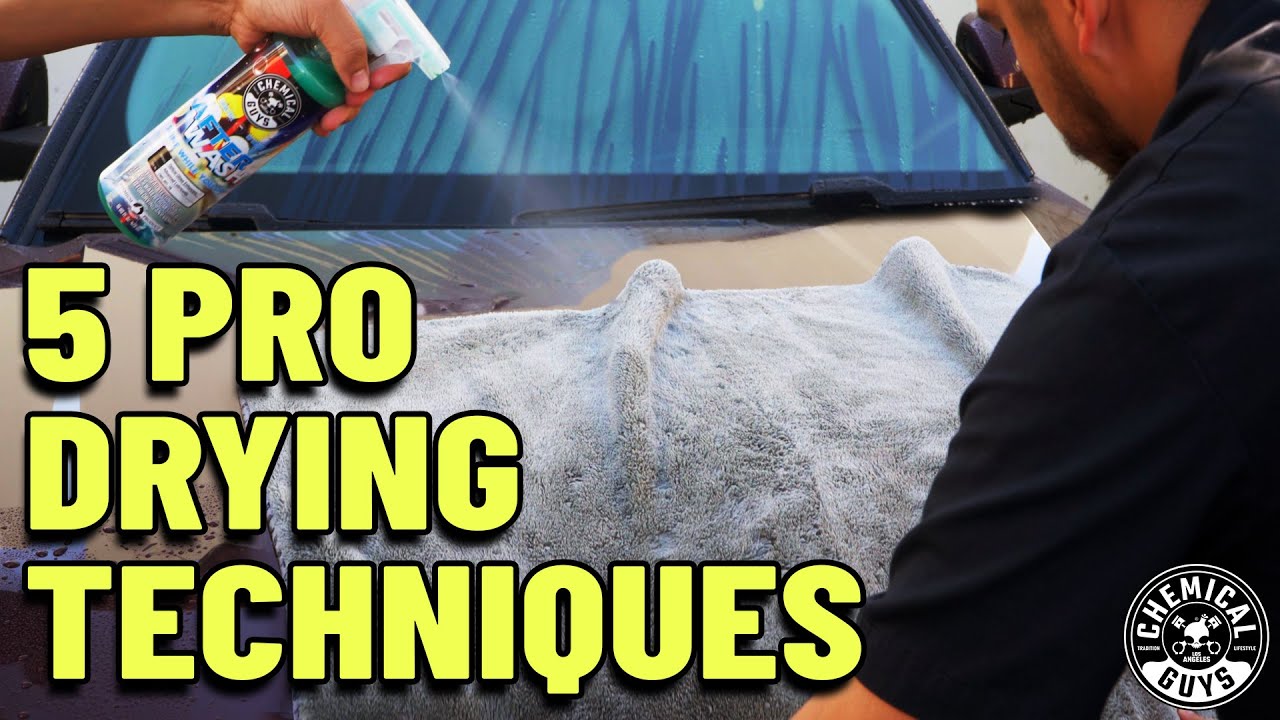
Drying aids help water slide off the surface easily. Spray them on wet areas before drying. These products add lubrication, reducing friction from towels.
They also protect your paint and add shine. Use a microfiber towel to spread the spray evenly. Avoid harsh chemicals that can damage the finish.
Starting From The Top
Always start drying from the roof and work down. Water runs downwards, so top-first drying stops drips on clean areas. Use a soft microfiber towel or drying cloth.
Dry in straight lines with light pressure. Avoid circular motions to prevent swirl marks. Take your time for a spotless, streak-free finish.
Effective Drying Techniques
Drying your car properly after washing helps avoid water spots and damage. Using the right techniques keeps your paint safe and shiny. Effective drying takes patience and the correct tools. Learn how to dry your car without causing scratches or swirls.
Patting Vs Wiping Methods
Patting absorbs water gently without rubbing the surface. It reduces the risk of pushing dirt into the paint. Wiping moves water across the paint and can cause scratches. Use a clean, soft microfiber towel. Start by patting large water drops off the car. Then, lightly wipe remaining moisture in one direction.
Drying In Straight Lines
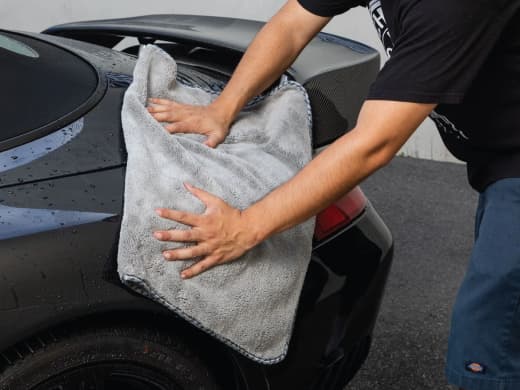
Dry your car using straight, overlapping strokes. Circular motions trap dirt and swirl marks. Straight-line drying is safer for the paint finish. Work from top to bottom for best results. Always keep the towel flat against the surface. This method removes water efficiently and reduces damage risks.
Avoiding Scratches And Swirls
Use clean towels to prevent dirt scratches. Change or rinse towels often during drying. Avoid pressing hard on the paint. Gentle pressure is enough to soak up water. Use separate towels for different parts, like wheels and body. Regularly check towels for grit or debris to protect your car’s finish.
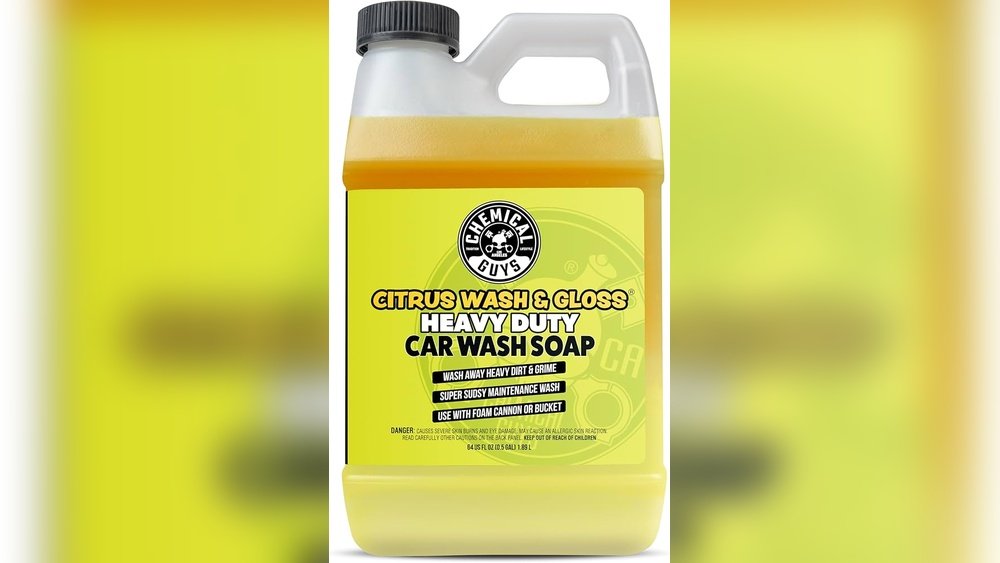
Credit: www.chemicalguys.com
Handling Hard-to-reach Areas
Drying a car thoroughly means reaching every corner, even the hidden ones. Water trapped in small spaces can cause spots and damage over time. Focus on these tricky areas to keep your car spotless and protected. Use the right tools and gentle techniques to avoid scratches and water marks.
Drying Mirrors And Emblems
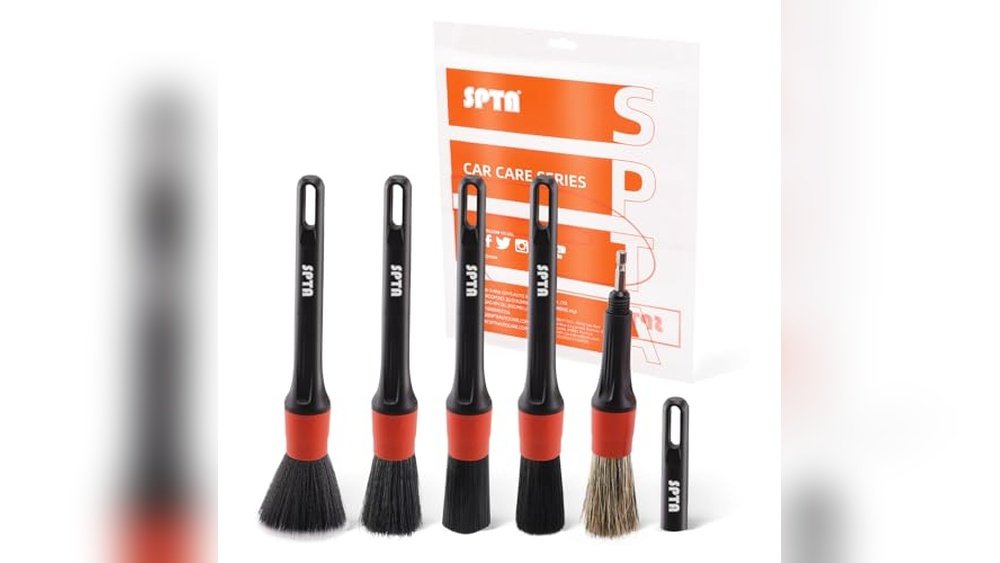
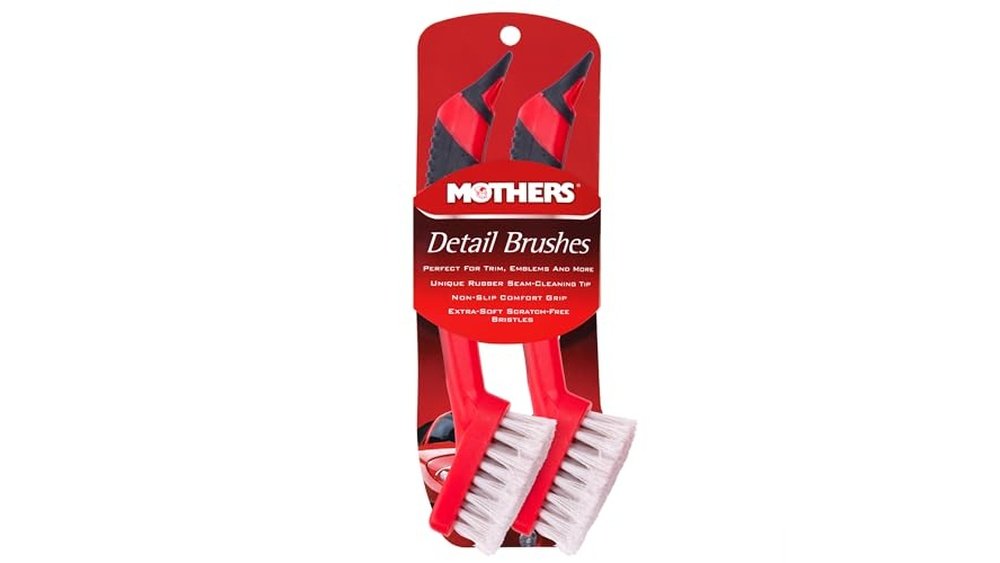
Mirrors and emblems often hold water in tight spots. Use a soft microfiber towel to gently dab these areas. Avoid rubbing hard, which can cause scratches. Small detailing brushes help remove water from crevices around emblems. Take your time to ensure no moisture remains.
Door Jambs And Crevices
Door jambs and crevices collect dirt and water easily. Open the doors and use a dry microfiber cloth to wipe inside these spaces. A small brush or cotton swab can reach narrow gaps. Drying these spots prevents rust and keeps seals fresh. Always check under door edges for hidden moisture.
Using Blowers For Hidden Spots
Blowers push water out from hard-to-reach places quickly. Use a car-specific air blower or leaf blower on low settings. Direct airflow into gaps like wheel wells, mirrors, and badges. Blowers reduce the risk of scratching compared to towels. Finish with a towel to catch any leftover dampness.
Managing Towels And Tools
Managing towels and tools properly is key to drying your car without causing damage. Using the right towels and keeping them clean helps avoid scratches and water spots. It also makes drying faster and more effective. Organizing your towels and tools ensures a smooth, safe drying process.
Using Separate Towels For Wheels
Wheels have dirt and brake dust that can scratch paint. Use a different towel just for wheels. This stops grit from moving to the car’s body. Clean, soft towels on the paint keep the surface safe. Change towels often to avoid spreading grime.
Maintaining Towel Cleanliness
Dirty towels can cause swirl marks and scratches. Rinse towels after each use to remove dirt. Wash them regularly with mild detergent. Avoid fabric softeners as they reduce towel absorbency. Store towels in a clean, dry place to keep them fresh.
Replacing Towels When Needed
Towels lose softness and absorbency over time. Replace old towels that feel rough or thin. Using worn towels risks damaging your paint. Keep a good supply of quality towels for best results. Fresh towels make drying faster and safer for your car.
Common Drying Mistakes To Avoid
Drying your car after washing is a vital step to keep its paint and finish flawless. Many people make simple mistakes that cause damage or leave marks. Avoiding these common drying errors will save time and protect your vehicle’s shine. The right drying method ensures your car looks clean and new for longer.
Never Air Dry In Sunlight
Air drying your car under direct sunlight causes water to evaporate too fast. This quick evaporation leaves water spots and mineral deposits on the paint. These spots are hard to remove and dull your car’s shine. Always dry your car in a shaded area or indoors for the best results.
Avoid Using Old Rags Or Paper Towels
Old rags and paper towels can scratch your car’s paint. They often have dirt or rough fibers trapped in them. Use clean, soft microfiber towels made for car drying. These towels absorb water well and prevent scratches. Change towels frequently to avoid spreading dirt around.
Preventing Water Spots And Streaks
Water spots and streaks happen when water dries unevenly on the car surface. Use a clean, damp microfiber towel with light pressure to dry the car. Dry the car in straight lines instead of circular motions to avoid streaks. A drying aid spray can help water slide off smoothly and leave a shiny finish.
Post-drying Tips
After drying your car, some important steps help keep its shine and prevent damage. These post-drying tips ensure your vehicle stays clean and protected longer. Follow these simple actions right after drying to maintain your car’s fresh look.
Storing Your Car After Drying
Store your car in a dry, shaded place to avoid dust and dirt buildup. Avoid parking under trees that drop sap or leaves. If possible, use a breathable car cover to protect the paint. Do not put your car away when it is still wet. Moisture trapped inside can cause mold and rust over time.
Inspecting For Missed Water Spots
Check the car carefully for any water spots or streaks left behind. Use a clean microfiber cloth to gently wipe these areas. Pay attention to windows, mirrors, and door handles where water often hides. Spotting and removing water marks early keeps your paint smooth and shiny. It also prevents hard mineral deposits that are hard to remove later.
Applying Wax Or Sealant For Protection
Apply a coat of wax or sealant after drying to protect your car’s paint. These products create a barrier against dirt, UV rays, and water. Use a soft applicator pad and work in small sections. Let the wax dry to a haze, then buff it off with a microfiber cloth. Regular waxing enhances shine and makes future washing easier.
Credit: www.youtube.com

Credit: www.chemicalguys.com
Frequently Asked Questions
What Is The Best Way To Dry Your Car After Washing It?
Use a leaf blower or air dryer to remove excess water from crevices. Then, gently pat the car dry with a clean microfiber towel. Spray a drying aid or quick detailer to prevent spots and enhance shine. Avoid circular motions; use straight, light strokes for best results.
Is It Better To Hand Dry Or Air Dry A Car?
Hand drying a car prevents water spots and removes moisture from hard-to-reach areas. Air drying often leaves mineral deposits and spots behind. Use microfiber towels with light pressure and drying aids for the best finish. Combining air blowers with hand drying offers optimal results and protects your car’s paint.
How To Wash And Dry A Car Properly?
Wash your car with soap and water, rinsing thoroughly. Use a leaf blower or air blower to remove excess water. Dry gently with a clean microfiber towel using straight strokes. Apply a drying aid or quick detailer for smooth finish and to prevent water spots.
Avoid circular motions.
Is It Okay To Put A Wet Car In The Garage?
Putting a wet car in a garage without ventilation traps moisture, promoting rust and corrosion. Always dry your car before storing it indoors.
Conclusion
Drying your car properly keeps its paint shiny and free from spots. Use a clean microfiber towel or chamois for best results. Start by removing most water with a gentle shake or air blower. Then, lightly wipe the surface with a damp towel sprayed with drying aid.
Always dry in straight lines, not circles, to avoid swirl marks. Finish by drying hidden areas like mirrors and door edges. Taking these simple steps helps your car look great longer. A well-dried car also reduces the chance of rust and damage.
Keep your vehicle protected and sparkling after every wash.