You want your car to look its best and stay protected for years to come. But did you know that simply washing your car isn’t enough to guard it against harsh weather, dirt, and UV damage?
That’s where a car sealant comes in. Applying a sealant creates a strong, invisible shield that keeps your paint looking fresh and shiny. You’ll discover exactly how to protect your car with a sealant, step-by-step. By the end, you’ll have the knowledge to make your car’s finish last longer and turn heads wherever you go.
Ready to give your car the ultimate protection it deserves? Let’s dive in!
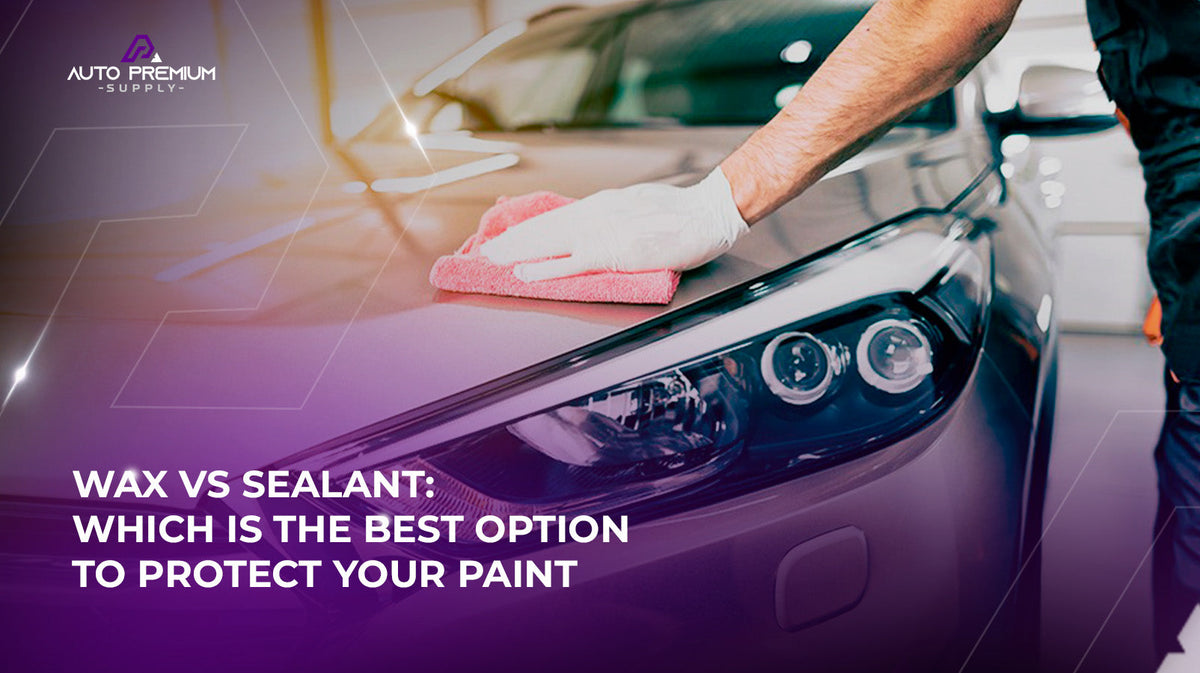
Credit: autopremiumsupply.com
Benefits Of Car Sealants
Car sealants offer many benefits that protect your vehicle’s paint and keep it looking new. They form a strong, protective layer on the surface. This layer helps to guard against damage and keeps the car shiny. Applying a sealant is a smart step for anyone who wants to maintain their car’s appearance for longer. Below are some key benefits of using car sealants.
Long-lasting Protection
Car sealants create a durable barrier on the paint. This barrier resists dirt, dust, and grime. Unlike wax, sealants last for several months before needing reapplication. This means less frequent maintenance and more consistent protection. The strong layer also helps prevent scratches and minor abrasions.
Uv And Environmental Defense
Sealants protect your car from harmful UV rays. UV rays cause paint to fade and lose its color. Sealants block these rays, keeping the paint vibrant. They also shield the car from rain, bird droppings, and road salt. This defense reduces the risk of corrosion and damage.
Enhanced Shine And Gloss
Sealants improve the car’s shine by creating a smooth surface. This surface reflects light better, making the paint look glossy and fresh. The glossy finish also highlights the car’s color depth. This boost in shine makes your car stand out on the road.
Types Of Car Sealants
Car sealants provide a strong layer of protection for your vehicle’s paint. They help guard against dirt, water, and UV rays. Different types of sealants offer varying benefits. Understanding these types helps you pick the right one for your car.
Synthetic Polymer Sealants
Synthetic polymer sealants use man-made chemicals to protect the paint. They create a tough, long-lasting barrier. These sealants repel water and dirt well. They usually last several months with proper care. Easy to apply, they give a glossy finish that enhances your car’s look.
Natural Wax Sealants
Natural wax sealants come from plant sources like carnauba wax. They give a warm, deep shine to the paint. These waxes offer decent protection but do not last as long as synthetic sealants. Applying wax often keeps the paint smooth and shiny. They are a good choice for those who prefer natural products.
Hybrid Sealants
Hybrid sealants mix synthetic polymers and natural waxes. This blend provides both durability and shine. Hybrid sealants protect paint well and look great. They balance the strengths of both types. This option suits drivers wanting strong protection with a natural glow.
Preparing Your Car For Sealant
Preparing your car for sealant is a key step for lasting protection. The surface must be clean and smooth. Dirt, old wax, or scratches can stop sealant from bonding well. Taking time to prep your car helps the sealant stick and shine better. Follow simple steps to get your car ready.
Thorough Washing And Drying
Start with a full wash to remove dirt and grime. Use a gentle car shampoo and a soft sponge. Wash section by section to avoid scratching. Rinse well to clear all soap residues. Dry your car with a clean microfiber towel. Avoid air drying as it leaves water spots. A dry surface ensures the sealant bonds properly.
Paint Correction Basics
Look closely at your car’s paint for scratches or swirl marks. These imperfections reduce shine and protection. Use a mild polish or compound to fix light defects. Work in small areas using a soft applicator pad. Wipe off residue with a clean cloth. Paint correction creates a smooth surface for the sealant to hold onto.
Removing Old Waxes And Sealants
Old wax or sealant layers block new sealant from bonding. Use an automotive paint cleaner or prep spray. Apply it with a microfiber cloth and wipe evenly. This step removes buildup and oils. Clean paint allows the new sealant to last longer. Make sure the surface feels clean and smooth before applying sealant.
Step-by-step Sealant Application
Applying a sealant to your car is a simple way to keep its paint safe and shiny. This process creates a strong, protective layer over the surface. Follow these steps carefully to get the best results. Proper application helps the sealant last longer and protects against dirt, water, and sun damage.
Choosing The Right Applicator
Pick an applicator suited for the sealant type you have. Soft foam pads work well for most liquid sealants. Microfiber cloths are great for paste sealants. Avoid rough sponges that can scratch the paint. The applicator should hold just enough product for smooth spreading. This step is key to even coverage.
Applying Thin And Even Layers
Apply the sealant in thin, even coats. Use gentle circular motions to spread it across the paint. Avoid thick layers; they take longer to dry and can leave streaks. Cover small sections at a time to ensure uniform application. Thin layers bond better and cure faster.
Curing And Buffing Techniques
Allow the sealant to cure as per the product instructions. This usually takes 15 to 30 minutes. Once dry, use a clean microfiber towel to buff the surface gently. Buffing removes excess sealant and enhances shine. Regular buffing keeps your car looking fresh and protected.
Maintaining Sealant Protection
Maintaining sealant protection keeps your car’s paint looking fresh and strong. The sealant creates a tough barrier against dirt, UV rays, and water. Over time, this protection can weaken without proper care. Regular upkeep ensures the sealant lasts longer and your car stays shiny. Simple habits help keep the sealant working at its best.
Regular Hand Washing Tips
Hand wash your car often to protect the sealant layer. Use a gentle car shampoo made for sealed surfaces. Avoid automatic car washes with harsh brushes that can scratch the paint. Rinse the car thoroughly to remove dirt and soap. Dry with a soft microfiber towel to prevent water spots. Clean your car in the shade to stop soap from drying too fast.
Using Sealant Boosters
Sealant boosters help refresh and strengthen the existing protection. Spray the booster on a clean surface after washing. Wipe gently with a microfiber cloth to spread it evenly. These boosters add extra shine and extend the sealant’s life. Use boosters every few weeks to keep the coating active and fresh.
Avoiding Harsh Chemicals
Harsh chemicals can break down the sealant and damage your paint. Stay away from strong detergents, acid-based cleaners, and abrasive products. Choose pH-balanced car cleaning products designed for coated vehicles. If bird droppings or tree sap land on your car, clean them quickly with mild soap and water. Protect your sealant by using safe, gentle cleaners only.
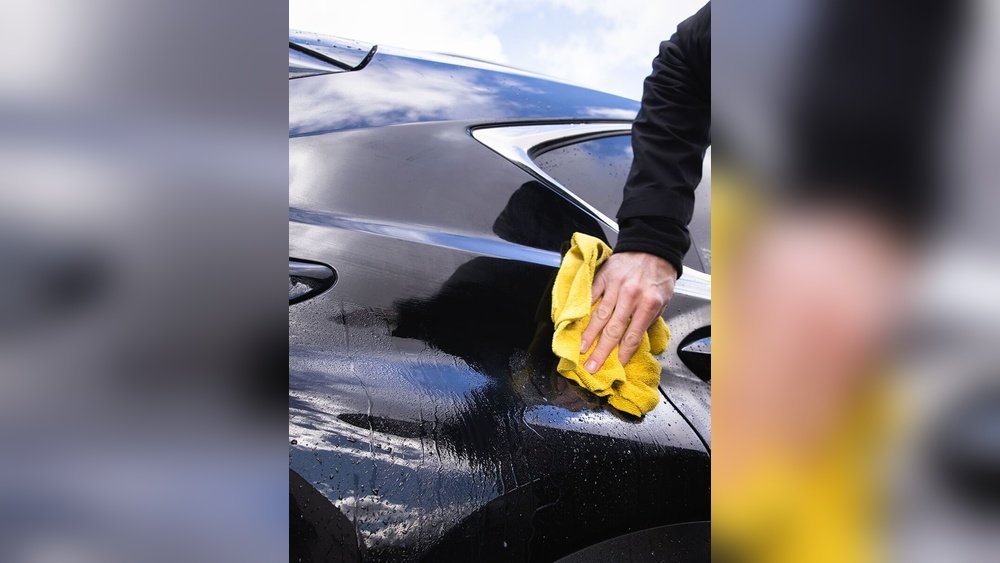
Credit: www.cadetailing.co.uk
Common Mistakes To Avoid
Applying a car sealant is a smart step to protect your vehicle’s paint. Avoiding common mistakes ensures the sealant works well and lasts longer. Many drivers make errors that reduce the sealant’s effectiveness. Learn what to avoid to keep your car looking great.
Applying On Dirty Surfaces
Never apply sealant on a dirty car. Dirt and dust block the sealant from bonding properly. This causes uneven coverage and weak protection. Always wash and dry your car fully before applying sealant. Clean surfaces help the sealant stick better and last longer.
Using Excessive Product
More sealant does not mean better protection. Using too much product leads to streaks and a cloudy finish. It also wastes the sealant and makes removal harder. Apply a thin, even layer instead. A little sealant goes a long way for strong, smooth protection.
Neglecting Maintenance
Sealant needs care after application to stay effective. Skipping regular washing or using harsh chemicals can wear it down quickly. Maintain your car by washing gently with mild soap. Reapply sealant every few months to keep the surface shiny and protected.
Sealant Vs Wax: Choosing What’s Best
Choosing between a sealant and wax is key to protecting your car’s paint. Both provide a protective layer but differ in several ways. Knowing these differences helps you pick the right product for your needs. This section breaks down how sealants and waxes compare in durability, appearance, cost, and effort.
Durability Comparison
Sealants last much longer than wax. They use synthetic polymers that bond tightly to the paint. This creates a strong shield against dirt, water, and UV rays. Wax offers good protection but wears off faster. Usually, wax lasts a few weeks, while sealants can protect for months.
Appearance And Finish
Wax gives a warm, deep shine that many car owners love. It enhances the paint’s natural color with a rich glow. Sealants give a glossy, slick finish but may look less natural. Sealants focus more on protection than on creating a deep shine.
Cost And Application Effort
Wax tends to be cheaper and easier to apply by hand. It requires less prep work and dries quickly. Sealants cost more but need fewer applications over time. Applying sealant takes more time and care for best results. Both need clean surfaces before application for proper bonding.
When To Reapply Sealant
Knowing when to reapply sealant is crucial for maintaining your car’s shine and protection. Sealants form a strong barrier on the paint, but this barrier wears down over time. Regular checks and timely reapplication keep your car safe from dirt, UV rays, and water damage. Here are key points to help you decide when to refresh your sealant.
Signs Of Wear
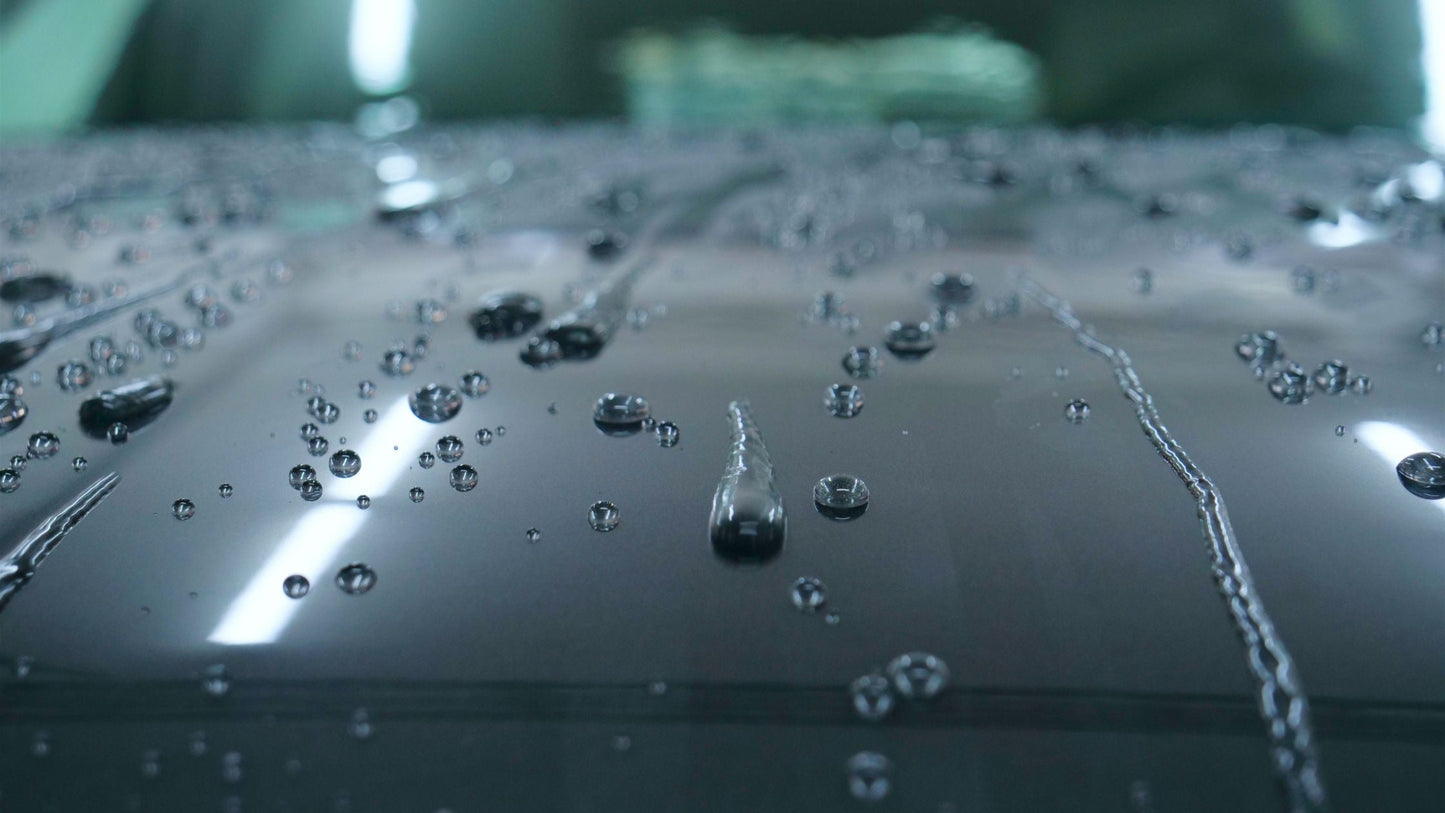
Look for dullness or loss of shine on your car’s surface. Water no longer beads up but spreads flat instead. Dirt and grime stick more easily to the paint. These signs indicate the sealant is fading. Testing with a water drop can quickly show if protection remains.
Seasonal Considerations
Sealants face different challenges each season. Winter salt and grime can wear it down faster. Summer sun and heat cause UV damage and fading. Reapply sealant before harsh weather to keep protection strong. Spring and fall are good times for maintenance and renewal.
Frequency Recommendations
Most sealants last about 3 to 6 months under normal conditions. High-quality products may protect for up to a year. Apply sealant every 4 to 6 months for steady protection. Check your car monthly to spot early wear. Regular application ensures lasting shine and defense.
Credit: stonercarcare.com
Frequently Asked Questions
How Long Does Sealant Last On A Car?
Car sealant typically lasts between 3 to 6 months, depending on weather and maintenance. Regular washing extends protection.
Can I Use Sealant On My Car?
Yes, you can use sealant on your car to protect its paint. Sealants create a durable, glossy barrier against dirt and UV rays. Apply regularly for long-lasting shine and protection.
How To Maintain Car Sealant?
Wash your car regularly with mild shampoo to avoid stripping the sealant. Apply a maintenance spray after each wash to restore shine and protection. Avoid harsh chemicals and abrasive tools to keep the sealant intact and your paint glossy longer.
Are Car Sealants Worth It?
Car sealants provide long-lasting protection by forming a durable barrier against dirt, UV rays, and contaminants. They enhance shine and reduce the need for frequent polishing, making them a worthwhile investment for maintaining your car’s paint condition.
Conclusion
Protecting your car with a sealant keeps its paint strong and shiny. Sealants form a tough barrier against dirt, rain, and sun damage. Applying sealant regularly helps your car look new longer. It also makes cleaning easier by repelling grime.
Choose the right sealant and follow the steps carefully. Small efforts now save big repair costs later. Your car deserves this simple, effective protection. Keep it safe and beautiful every day.