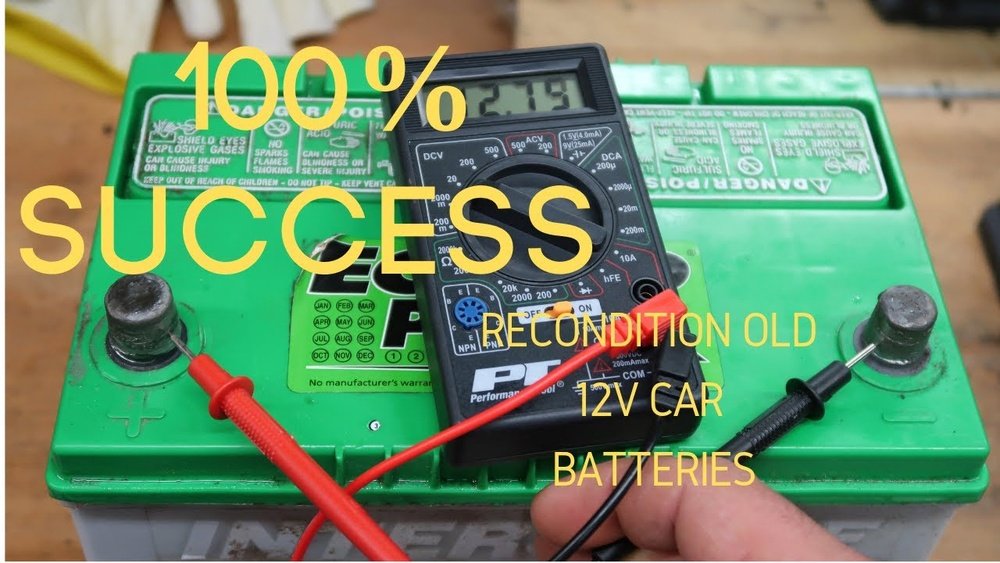
Is your car battery leaving you stranded at the worst times? Before rushing to buy a new one, what if you could bring your old battery back to life?
Reconditioning a car battery is a smart, cost-effective way to save money and avoid the hassle of replacement. You don’t need to be a mechanic or have fancy tools—just a little know-how and some simple steps can restore your battery’s power.
In this guide, you’ll discover exactly how to recondition your car battery safely and effectively, so you can keep your vehicle running strong without breaking the bank. Ready to unlock the secret to a longer-lasting battery? Let’s dive in.
Safety Precautions
Working with car batteries can be risky without the right safety measures. Batteries contain acid that can burn skin or damage eyes. They also produce gases that may ignite. Taking safety precautions protects you and your workspace. Follow these steps carefully to avoid accidents and injuries.
Essential Safety Gear
Always wear safety gloves to protect your hands from acid. Use safety glasses or goggles to shield your eyes. Wear old clothes or a protective apron to avoid acid spills on your skin. Rubber boots are helpful to keep your feet safe. Have a fire extinguisher nearby just in case. Avoid metal jewelry, which can cause shorts or sparks.
Ventilation And Workspace Tips
Work in a well-ventilated area to disperse harmful gases. Open windows and doors or work outdoors if possible. Avoid smoking or sparks near the battery. Keep your workspace clean and free of clutter. Place the battery on a stable, non-metallic surface. Dispose of old electrolyte safely and follow local regulations.

Credit: www.youtube.com
Preparing The Battery
Cleaning battery cells is a key step in reconditioning a car battery. Dirt and acid residue build up on the cells over time. This buildup reduces battery performance and can cause short circuits. Proper cleaning restores the battery’s ability to hold a charge. It also helps prevent damage during the reconditioning process.
Use the right tools and safety gear before starting. Gloves and safety glasses protect you from harmful acid and debris. Work in a well-ventilated space to avoid inhaling fumes. Careful cleaning extends your battery’s life and improves reliability.
Neutralizing Acid Residue
Acid residue on battery cells is corrosive and dangerous. Neutralize it by applying a baking soda solution. Mix one tablespoon of baking soda in a cup of water. Use a brush to spread the solution on the cells and terminals. The mixture will fizz, indicating it reacts with the acid. Let it sit for a few minutes to fully neutralize.
After neutralizing, wipe the cells clean with a damp cloth. This step stops corrosion and prepares cells for rinsing. Never use plain water first, as acid can spread and cause more damage.
Flushing With Distilled Water
Flush the battery cells with distilled water to remove leftover residue. Tap water contains minerals that can harm the battery. Pour distilled water into each cell slowly. Swirl gently to rinse all surfaces inside. Carefully drain the water out after rinsing.
Repeat the flushing process two or three times for best results. Make sure no residue or baking soda remains inside. Clean cells improve battery efficiency and help the reconditioning chemicals work better.
Cleaning Battery Cells
Charging and testing are key steps in reconditioning a car battery. These processes restore battery power and check its health. Correct charging revives the battery’s energy slowly and safely. Testing ensures the battery can hold a charge and work properly. Follow these simple methods to bring your battery back to life.
Slow Charging Techniques
Use a low amp charger to charge the battery slowly. Slow charging prevents damage and allows the battery to absorb power fully. Connect the charger to the battery terminals correctly. Set the charger to a low current, around 2 amps or less. Charge the battery for 12 to 24 hours. Monitor the battery temperature during charging. Stop charging if the battery becomes too hot. Slow charging helps break down lead sulfate crystals inside the battery. This improves the battery’s ability to hold a charge.
Measuring Specific Gravity
Specific gravity shows the battery’s electrolyte strength. Use a hydrometer to measure it. Draw electrolyte from each cell with the hydrometer. Note the reading for each cell. Healthy cells usually have a specific gravity between 1.265 and 1.299. A low reading means the battery needs more charging or maintenance. Compare readings from all cells to find weak ones. This test helps identify if the battery can still perform well.
Adjusting Electrolyte Levels
Check electrolyte levels inside the battery cells. Use distilled water to fill cells that are low. Do not overfill; keep the electrolyte just above the plates. Avoid using tap water, as it contains minerals that harm the battery. After adding water, charge the battery slowly again. This keeps the electrolyte balanced and improves battery life. Proper electrolyte levels prevent damage and enhance battery performance.
Refilling With Reconditioning Solution
After restoring your car battery’s internal condition, some final steps help keep it in good shape. These steps prevent corrosion and ensure a strong connection. Proper maintenance extends the battery life and improves performance. Follow these simple actions to finish the reconditioning process.
Cleaning Terminals
Battery terminals collect dirt and corrosion over time. Use a wire brush or sandpaper to scrub the terminals gently. Remove any white or greenish powder build-up. Clean terminals ensure a better electrical connection. After cleaning, wipe the terminals with a dry cloth. This step improves the flow of electricity to your car.
Applying Protective Coating
Apply a thin layer of petroleum jelly or a battery terminal protector on the terminals. This coating stops moisture and air from causing corrosion. Use a small brush or your finger to spread it evenly. Protecting the terminals helps avoid future cleaning and keeps the battery working longer. This simple step saves time and effort in the future.
Charging And Testing
Reconditioning a car battery often brings it back to life. Some batteries, though, resist all efforts. Knowing when reconditioning fails helps avoid wasted time and money. Certain signs show that a battery needs replacement rather than repair.
Physical Damage Signs
Check the battery case for cracks or leaks. Swelling or bulging means internal pressure has built up. These damages let acid escape, making the battery unsafe. Corroded terminals also indicate severe wear. Such physical damage cannot be fixed by reconditioning.
Plate Wear And Tear
Inside, the battery contains lead plates that store energy. Over time, these plates degrade and lose capacity. If plates are heavily worn or broken, charging will not restore power. Sulfation buildup on plates blocks chemical reactions. Deep damage to plates means the battery is beyond repair.
Final Maintenance Steps
Reconditioning a car battery is a useful skill. Sometimes, reconditioning is not an option. Alternative solutions help keep your car running smoothly without delay. These choices save time and effort while ensuring reliable power.
Buying Reconditioned Batteries
Reconditioned batteries come tested and ready to use. Professionals restore these batteries to good working condition. They often cost less than brand-new ones. Most sellers provide a short warranty for added confidence. This option suits those who want a quick, affordable fix. Check the battery’s age and condition before buying.
Choosing A New Battery
New batteries offer the best performance and lifespan. They come with full warranties and updated technology. Look for batteries that fit your car’s make and model. Consider the battery’s cold cranking amps and reserve capacity. Proper installation ensures optimal function and safety. Though more expensive, new batteries reduce the risk of failure.
When Reconditioning Fails
Extending the life of your car battery saves money and prevents unexpected breakdowns. Simple daily habits and correct charging can keep your battery healthy. These tips help maintain power and performance over time.
Regular Maintenance Habits
Check the battery terminals for dirt and corrosion often. Clean them with a mixture of baking soda and water if needed. Tighten loose connections to ensure good contact. Keep the battery case dry and free from debris. Inspect the battery for cracks or leaks regularly. Replace worn-out parts or the entire battery if damaged. Avoid leaving electrical devices on when the engine is off. This prevents deep discharges that shorten battery life.
Proper Charging Practices
Use a quality charger designed for car batteries. Charge slowly to avoid overheating and damage. Avoid overcharging by monitoring the charging process carefully. Disconnect the charger once the battery is full. If possible, use a smart charger with automatic shutoff. Start your car regularly to keep the battery active. Long periods of inactivity can cause the battery to lose charge. Store the battery in a cool, dry place if unused for long times.

Credit: www.wrightgrid.com

Credit: www.jdpower.com
Frequently Asked Questions
Is It Possible To Recondition A Car Battery?
Yes, you can often recondition a lead-acid car battery to extend its life by cleaning, refilling with Epsom salt solution, and slow charging. Reconditioning fails if the battery has physical damage or worn plates. Always follow safety precautions during the process.
What Can You Put In A Car Battery To Rejuvenate It?
You can add a mixture of distilled water and Epsom salt to rejuvenate a car battery. This helps dissolve sulfate buildup on plates. Avoid using tap water or acids without proper knowledge. Always wear safety gear and follow correct procedures to ensure safety and effectiveness.
Can A Weak Car Battery Be Revived?
Yes, a weak car battery can often be revived by cleaning, refilling with Epsom salt solution, and slow charging.
How To Make A Weak Battery Strong Again?
To make a weak battery strong again, clean terminals, flush cells with distilled water, add Epsom salt solution, then charge slowly. Replace if damaged or worn.
Conclusion
Reconditioning a car battery can save money and reduce waste. Follow safety steps carefully for best results. Not every battery can be fixed, especially if damaged inside. Use proper tools and materials to avoid accidents. Regular maintenance helps extend battery life significantly.
Always check battery health before deciding to recondition. This simple process often restores useful power to old batteries. Keep your car running smoothly with a well-maintained battery. Reconditioning is a practical skill for anyone owning a vehicle. Try these steps and see if your battery improves today.