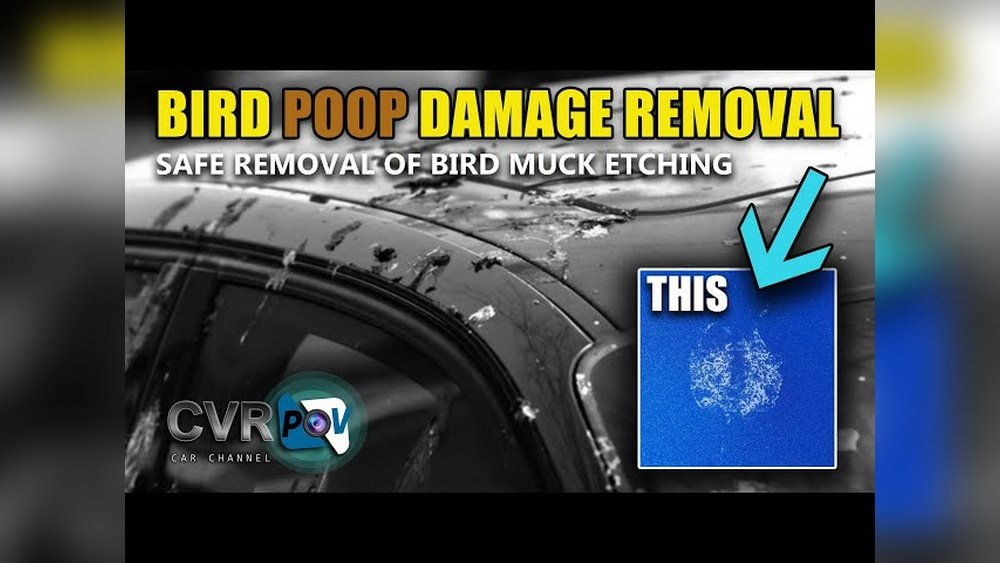
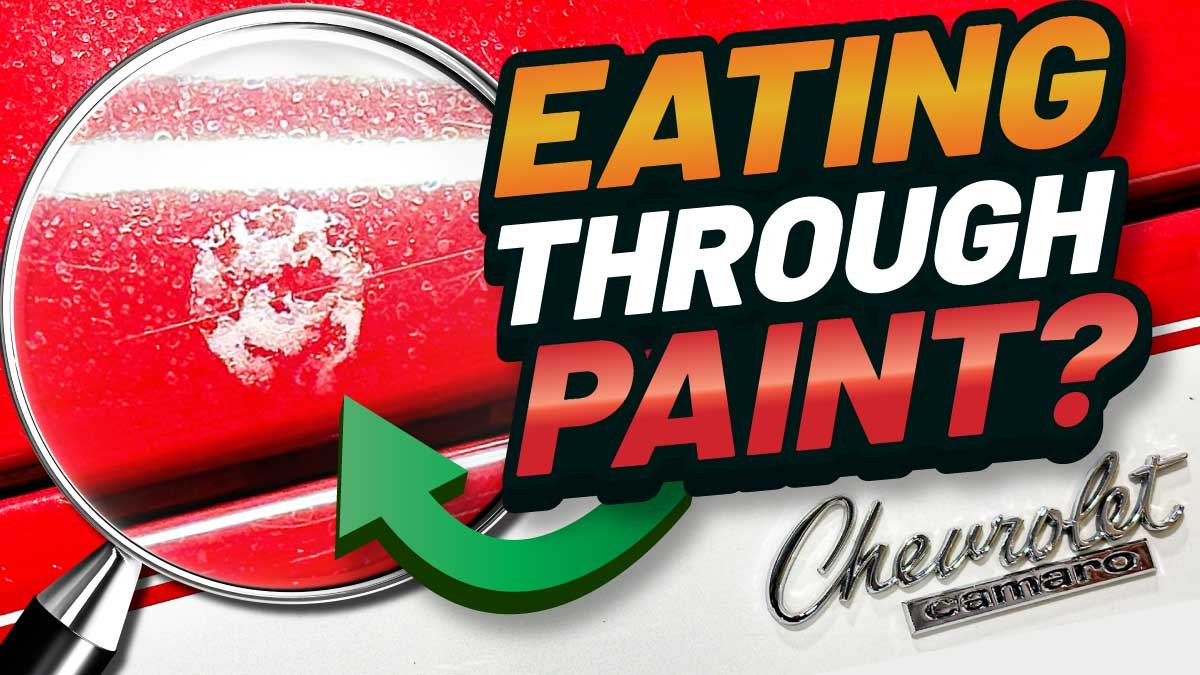
You’ve just stepped outside and noticed fresh bird droppings on your car’s paint. It might seem like a minor annoyance, but if left untreated, these stains can cause ugly etching that eats into your car’s finish.
You want your car to look great, right? The good news is that with the right steps, you can remove bird dropping etching and restore your paint’s shine without expensive trips to the shop. In this guide, you’ll learn simple, proven techniques to safely clean and repair your car’s paint—whether the damage is fresh or more stubborn.
Keep reading, because protecting your car’s appearance starts with knowing exactly what to do, and how to do it right.
Credit: www.youtube.com
Fresh Stains Removal
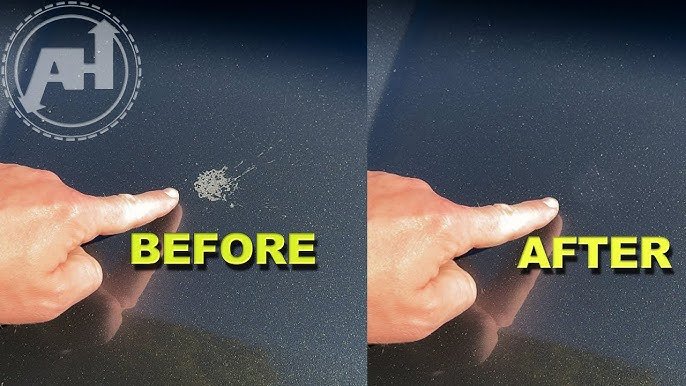
Fresh bird droppings on car paint can damage the surface quickly. Act fast to prevent stains and etching. Removing fresh stains is easier and protects your paint’s shine. Use gentle methods to avoid scratching or worsening damage. Follow these simple steps to clean fresh bird droppings safely and effectively.
Soften And Wipe Technique
Spray the stained area with clean water or a bird dropping remover. Let it sit for a few minutes to soften the droppings. Use a soft microfiber towel to gently wipe away the residue. Avoid rubbing hard, which can scratch the paint. Work carefully to lift the stain without spreading it.
Proper Washing Method
Wash the affected area with car shampoo and water. Use a soft sponge or mitt to clean around the stain. Rinse thoroughly to remove all soap and loosened debris. Dry the area with a clean microfiber cloth. This step removes loose dirt and prepares the surface for deeper cleaning.
Using Clay Bar For Contaminants
Apply a clay bar with lubricant to the stained section. Gently glide the clay over the surface to pick up tiny contaminants. This removes particles that washing alone cannot. Keep the surface moist to avoid scratching. Wipe off any residue with a microfiber towel.
Polishing Basics
Use a mild polish to restore the paint’s smoothness. Apply a small amount to a foam applicator or pad. Rub the polish in gentle, circular motions over the stain. Buff the area with a clean microfiber cloth to remove excess polish. This step helps erase minor etching and brightens the paint.
Applying Paint Protection
Finish by applying a wax or paint sealant. This layer shields the paint from future stains and UV damage. Use a foam applicator to spread protection evenly. Let it dry, then buff with a clean cloth for a glossy finish. Regular protection keeps your car looking fresh longer.
Deeper Etching Repair
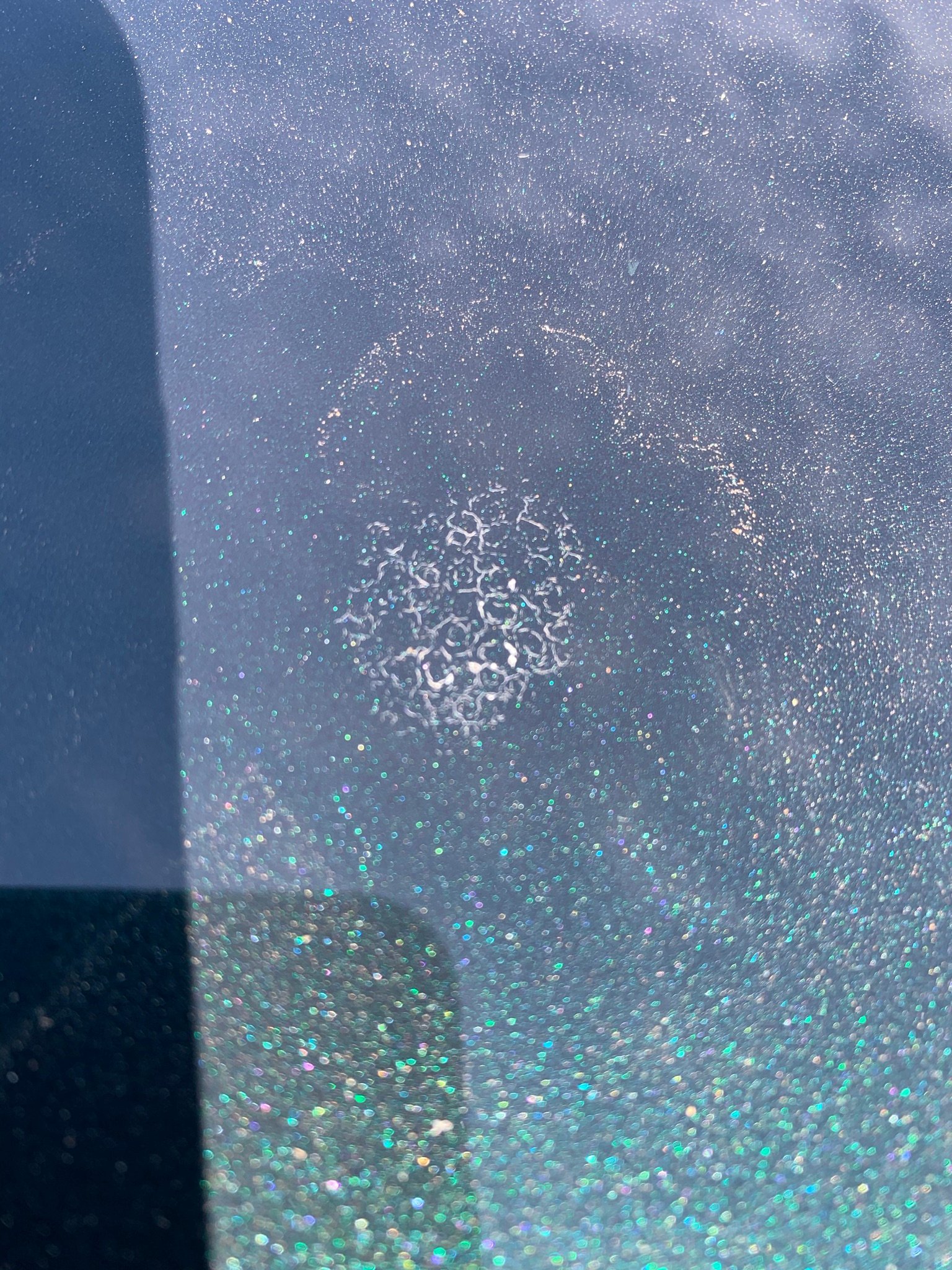
Deeper etching from bird droppings can damage your car’s paint severely. Simple washing or polishing may not fix it. This type of damage often leaves noticeable marks or dull spots. Repair needs careful steps to restore the paint’s smooth surface and shine. The process involves removing damaged layers of clear coat and paint very gently. Below are the key steps for deeper etching repair.
Wet Sanding Process
Wet sanding smooths the surface by removing damaged paint layers. Use fine grit sandpaper, usually 1500 to 3000 grit. Keep the sandpaper wet to avoid scratching the paint further. Sand lightly and evenly in small circular motions. Check progress frequently to avoid sanding through the paint. This step reduces the depth of the etching marks. It prepares the surface for polishing and restoring shine.
Compounding And Polishing
After wet sanding, compounding removes sanding marks and smooths the paint. Use a rubbing compound with a polishing pad on a buffer or by hand. Work in small sections and apply moderate pressure. Wipe off residue with a clean microfiber cloth. Follow up with polish to restore gloss and clarity. Polishing enhances the paint’s smoothness and shine. This step refines the surface for a nearly new look.
Paint Thickness Inspection
Inspect paint thickness before and after repair. Use a paint thickness gauge to measure accurately. This prevents sanding through the paint layers. Maintaining enough paint thickness is crucial for protection and durability. If the paint is too thin, stop sanding and consult a professional. Proper inspection ensures safe and effective etching repair. It protects the car’s finish from further damage.
When To Seek Professional Help
Bird dropping etching on car paint can cause serious damage if left untreated. DIY methods work well for light stains and fresh droppings. Some situations need a professional’s skill and tools. Knowing when to seek expert help saves your car’s finish and your time.
Limits Of Diy Methods
DIY methods use mild cleaners, clay bars, and polish. They work on fresh droppings and light stains. Deep etching often goes beyond DIY tools and skills. Aggressive scrubbing or harsh chemicals can worsen damage. Professionals have access to special compounds and machines. They know how to restore paint without causing more harm.
Risks Of Thin Paint
Many cars have thin paint layers. Aggressive polishing or sanding can wear paint down to primer or metal. Thin paint loses protection and looks uneven. DIYers may not see how thin paint is until it’s too late. Professionals can measure paint thickness and adjust their methods. They protect the car’s original finish and value.
Handling Severe Damage
Severe bird dropping etching may cause visible pits or discoloration. Deep scratches and clear coat damage need expert repair. Professionals use wet sanding, compounding, and repainting techniques. These steps restore smoothness and color balance. Proper sealing and waxing protect the repair. Without professional care, damage may worsen or become permanent.
Prevention And Maintenance
Preventing bird dropping etching on car paint is easier than fixing it later. Proper maintenance helps keep your car’s finish smooth and shiny. Regular care reduces damage risk and saves money on repairs.
Simple habits protect paint from bird droppings and other contaminants. Clean spots quickly and handle your car gently. Use the right products to avoid scratches or etching.
Acting Quickly
Remove bird droppings as soon as you see them. The longer droppings stay, the more damage they cause. Use water or a gentle cleaner to soften droppings first. Never scrub hard to avoid scratching the paint.
Working In Shade
Clean and treat your car in a shaded area. Sunlight dries cleaners too fast and may leave spots. Shade keeps products working longer on the paint. It also prevents heat damage during cleaning and polishing.
Using Gentle Tools And Products
Choose soft microfiber towels for wiping droppings and cleaning. Avoid rough cloths or brushes that can scratch paint. Use car-safe shampoos and cleaners made for delicate finishes. Test products on a small area before full use.
Tools And Products Needed
Removing bird dropping etching from car paint requires the right tools and products. Each item plays a key role in cleaning and restoring your car’s surface. Using proper supplies ensures safe and effective results.
Gathering these essentials helps you tackle stains gently. Prepare to clean, polish, and protect your paint with ease. Here are the main tools and products needed for the job.
Microfiber Towels
Microfiber towels are soft and non-abrasive. They prevent scratches while wiping bird droppings. Use multiple towels to avoid spreading dirt. These towels absorb moisture well and help lift contaminants.
Car Shampoo And Cleaners
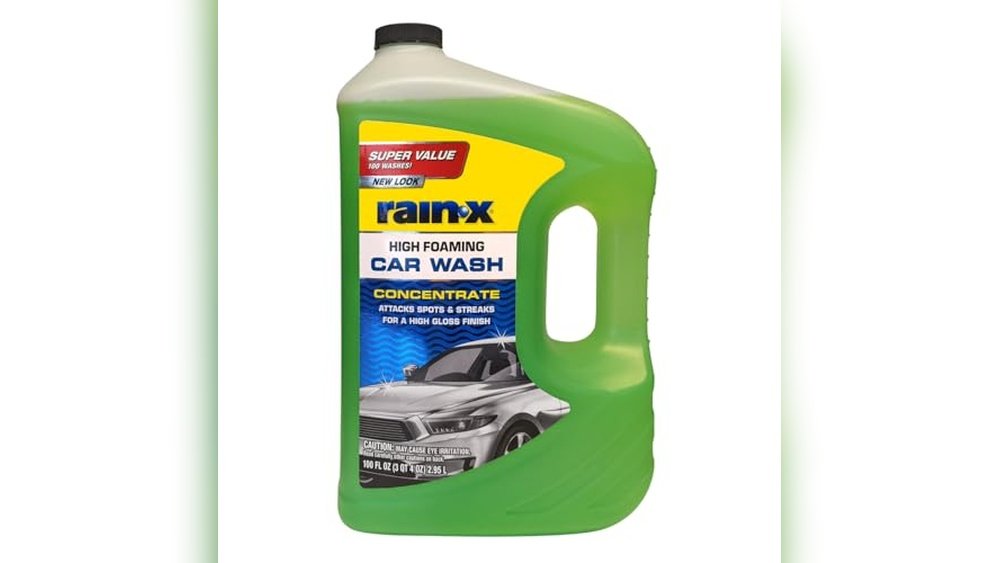
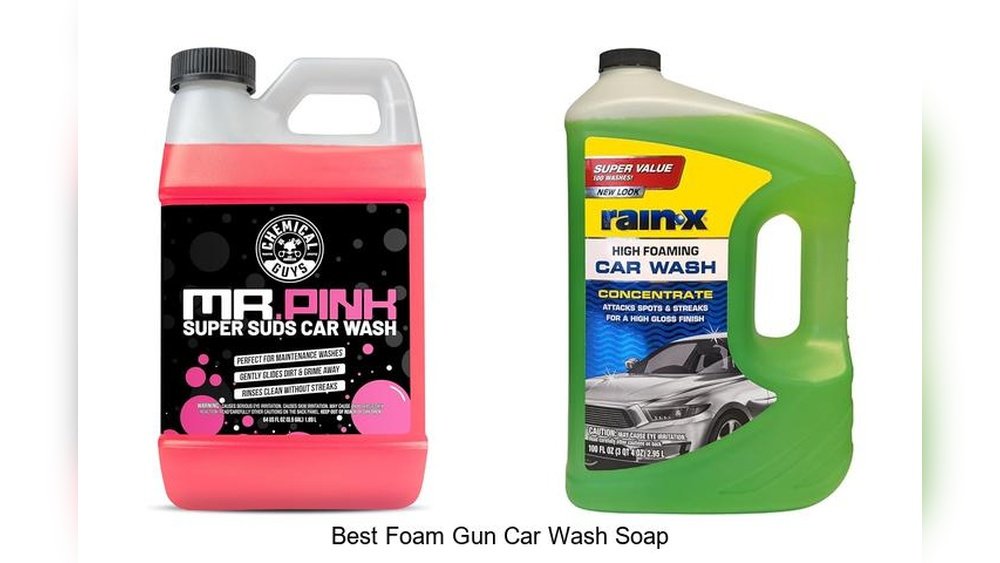
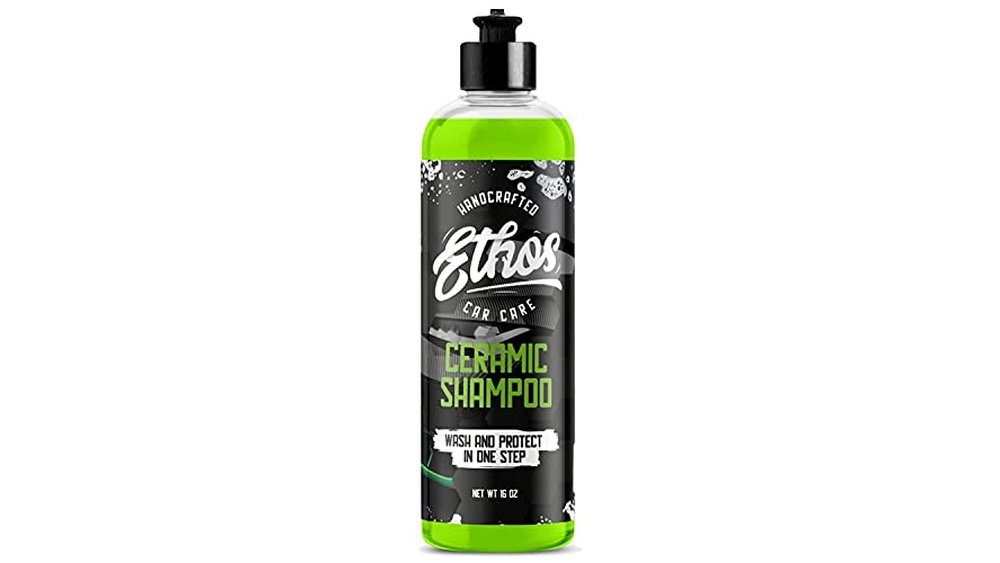
A gentle car shampoo removes dirt without harming paint. Choose a product made for automotive surfaces. Some cleaners target bird droppings specifically. Washing the affected area first softens stains for easier removal.
Clay Bar And Lubricants
Clay bars remove embedded particles safely from paint. Use with a lubricant to avoid scratching. This process smooths the surface and lifts contaminants. It prepares the paint for polishing by creating a clean base.
Polishers And Buffers
Polishers help erase light etching and swirl marks. Dual-action buffers work well for even polishing. Apply polish in small sections for better control. Buffing restores shine and smoothness to the paint.
Waxes And Sealants
Waxes and sealants protect paint after cleaning and polishing. They create a barrier against future damage. Choose a product suited for your car’s finish. Regular application keeps the paint looking fresh and glossy.
Credit: www.drbeasleys.com
Credit: www.adamsforums.com
Frequently Asked Questions
How To Remove Bird Poop Etching On Car Paint?
Spray water or remover on bird poop, let it soften, then gently wipe with a microfiber cloth. Wash the area, use a clay bar to remove contaminants, and polish lightly. For deep etching, consider professional wet sanding and compounding, then apply wax or sealant to protect the paint.
How To Restore Car Paint After Bird Droppings?
Gently soak fresh droppings with water, wipe with a microfiber cloth. Use a clay bar, then polish lightly. For deep etching, consider wet sanding and compounding. Always finish by applying wax or sealant to protect the paint. Work in shade and avoid harsh scrubbing.
How To Get Rid Of Etching On Car Paint?
Gently clean fresh droppings with water and microfiber towel. Use clay bar and polish for stains. For deep etching, wet sand and compound carefully or consult a professional. Always work in shade and protect paint with wax or sealant afterward.
What Polish Removes Bird Poop Etching?
Use a mild polish or swirl remover for light bird poop etching. For deeper damage, compound or wet sand cautiously. Always finish with wax or sealant to protect the paint.
Conclusion
Removing bird dropping etching from car paint requires care and patience. Start with gentle cleaning to avoid further damage. Use clay bars and polish for light stains to restore shine. For deeper etching, consider wet sanding or professional help. Always protect your paint afterward with wax or sealant.
Regular maintenance keeps your car looking fresh and prevents future etching. Act quickly to minimize damage and maintain your car’s finish. Simple steps and proper tools can make a big difference. Keep your paint smooth and bright by addressing bird droppings soon.