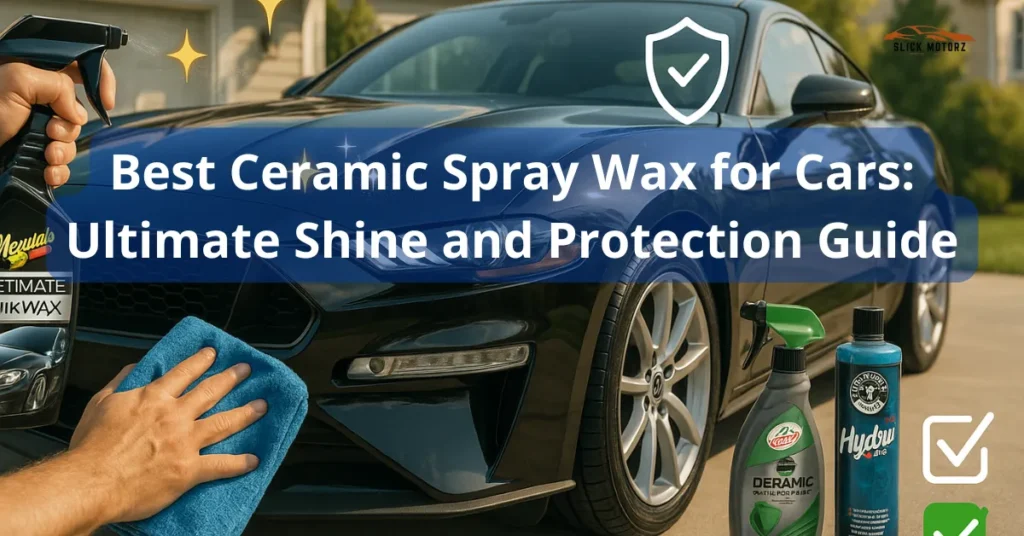
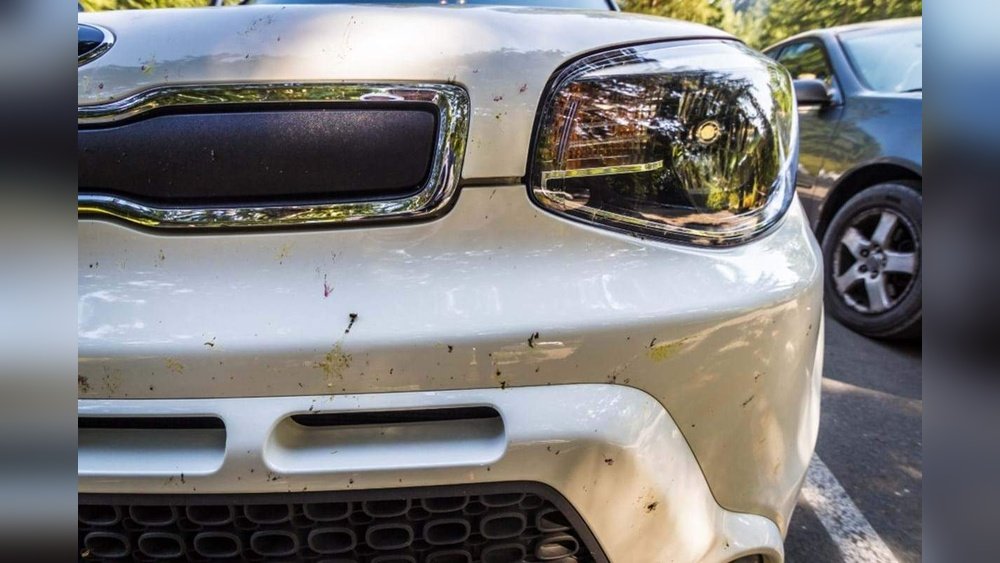
Bugs and tar can quickly turn your vehicle’s shiny finish into a frustrating mess. You want your car to look great, but scrubbing too hard might damage the paint.
So, how can you remove these stubborn spots without causing harm? In this guide, you’ll discover simple, effective ways to get rid of bugs and tar safely and keep your vehicle looking fresh and clean. Keep reading to learn easy steps that save your paint and restore your car’s sparkle!
Credit: avalonking.com
Common Causes Of Bugs And Tar
Bugs and tar often stick to vehicles during drives. They can damage your car’s paint and look unpleasant. Understanding where bugs and tar come from helps prevent buildup.
Short trips on highways or country roads increase bug splatter. Tar spots appear more on roads under repair or with fresh asphalt.
Driving Through Bug-heavy Areas
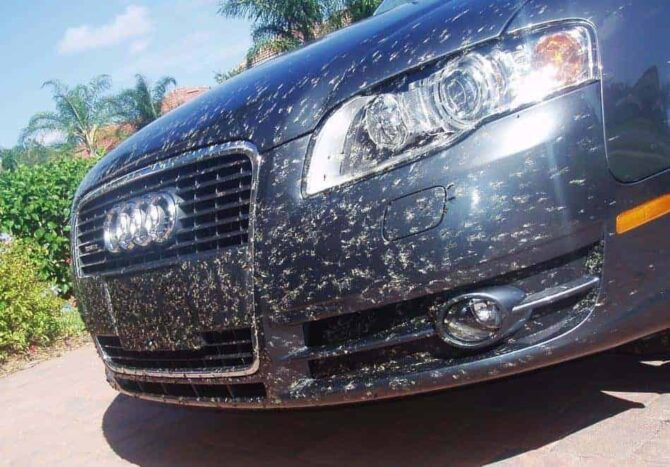
Insects swarm near lights and plants at night or in spring. Cars driving fast hit many bugs on the front bumper and windshield. Bugs burst and leave stains that are hard to remove.
Traveling On Fresh Asphalt Or Road Repairs
Newly paved roads have sticky tar and oil. Cars driving on these roads pick up tar spots on tires and lower panels. Tar hardens quickly and bonds to paint.
Warm Weather And Humidity
Heat softens tar and makes bugs more active. Warm, humid weather increases bugs on roads. Both conditions cause more bugs and tar to stick to cars.
Long Road Trips And High Speeds
Long drives expose cars to many bugs and road tar. Driving fast increases the chance of bugs hitting the vehicle. Tar and bugs spread over a larger area.
Risks Of Ignoring Residue
Bugs and tar may seem harmless on your vehicle’s surface. Leaving them there causes real damage over time. These residues stick firmly to the paint and harden. This makes removal harder and risks permanent stains.
Ignoring bug and tar residue harms your car’s look and value. It also weakens the paint protection. Small spots can turn into large patches of damage. The longer the residue stays, the deeper it can eat into the paint.
Paint Damage And Discoloration
Bugs contain acids that eat away at the clear coat. Tar is sticky and traps dirt and grime. Both cause discoloration and dull spots on the paint. If not cleaned quickly, they may cause permanent marks.
Corrosion And Rust Formation
Residue blocks water from drying on the surface. Moisture stays trapped, leading to corrosion under the paint. Rust can form on metal parts, spreading quickly. This weakens the vehicle’s body and lowers its lifespan.
Costly Repairs And Resale Impact
Removing old residue often needs professional help. Repairing paint damage can be expensive. Neglected residue lowers your car’s resale value. Buyers notice stains and scratches and offer less money.
Prepping Your Vehicle
Before removing bugs and tar from your vehicle, proper preparation is key. Prepping your car ensures effective cleaning without damage. It also makes the process quicker and safer for your paint. Taking time to ready your vehicle sets the stage for best results.
Gathering Supplies
Collect all necessary items before starting. You will need bug and tar remover, microfiber cloths, a spray bottle, and warm water. A soft sponge or detailing brush helps reach tight spots. Having everything ready prevents interruptions and keeps the cleaning smooth.
Choosing The Right Location
Pick a shaded, well-ventilated area to work. Direct sunlight can dry cleaners too fast, leaving spots. Avoid dusty or windy places to stop dirt from settling back on your car. A flat surface helps keep cleaning supplies stable and your vehicle safe during the process.
Credit: www.turtlewax.com
Safe Bug Removal Methods
Removing bugs and tar from your vehicle needs care. Using harsh methods can damage paint and finish. Safe methods protect your car’s surface while cleaning effectively. Choose gentle options that dissolve residue without scrubbing hard. Here are some safe bug removal methods that keep your vehicle looking great.
Using Bug And Tar Removers
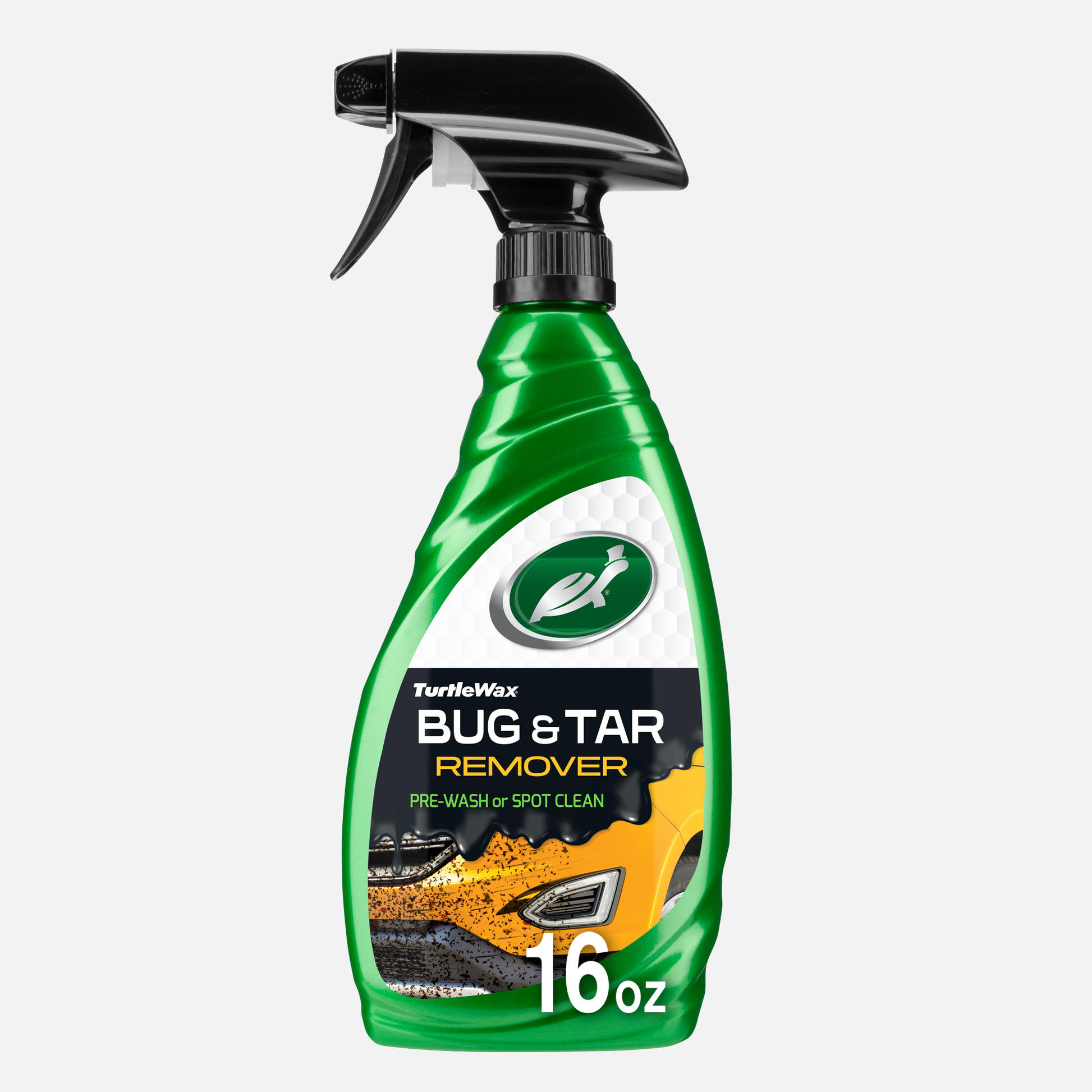
Specialized bug and tar removers work well on tough residues. These products are designed to soften bugs and tar quickly. Spray the remover on the affected area and wait a few minutes. Then, gently wipe with a soft cloth or sponge. Avoid scrubbing hard to prevent scratches. These removers are safe for most paint types and clear coats.
Natural Solutions Like Baby Shampoo And Vinegar
Baby shampoo mixed with water creates a gentle cleaner for bugs. Use a soft cloth soaked in this mix to wipe the surface. White vinegar can also dissolve bug residue and tar. Dilute vinegar with water before applying. Apply with a soft cloth and let it sit briefly. Rinse the area well afterward. These natural solutions are safe and eco-friendly.
Hydrogen Peroxide Technique
Hydrogen peroxide helps break down bug remains without harming paint. Fill a spray bottle with hydrogen peroxide and spray on the bugs. Let it bubble and work for a few minutes. Then wipe off gently with a microfiber cloth. This method is cheap and effective for fresh bug splatter. Always test a small spot first to ensure no damage occurs.
Effective Tar Removal Tips
Tar can stick stubbornly to your vehicle’s surface. Removing it properly protects your paint and keeps your car looking clean. Use the right methods to avoid damage and make cleaning easier. Below are effective tar removal tips that work well for most vehicles.
Commercial Tar Removers
Commercial tar removers are made to dissolve tar quickly. Apply the product directly to the tar spots. Let it sit for a few minutes to soften the tar. Use a soft cloth or sponge to wipe away the residue. Always follow the instructions on the label. These removers are safe for car paint when used correctly.
Home Remedies Including Kerosene
Kerosene is a popular home remedy for tar removal. Dab a small amount on a cloth and gently rub the tar spots. Kerosene softens the tar without harming the paint. After removing the tar, wash the area with soap and water. Test kerosene on a small area first. Avoid using harsh chemicals that can damage the finish.
Avoiding Paint Damage
Use gentle pressure when removing tar to protect your paint. Avoid scrubbing with abrasive tools or brushes. Always rinse the area with water before and after cleaning. Applying wax or sealant after tar removal helps protect the paint. If unsure, consult a professional to prevent costly damage. Proper care keeps your vehicle’s surface smooth and shiny.
Tools To Make Cleaning Easier
Cleaning bugs and tar from your vehicle can be tough without the right tools. Using proper tools makes the job quicker and protects your car’s paint. These tools help remove sticky residues gently and effectively. Here are some essential items to keep handy.
Clay Bars
Clay bars remove stubborn dirt and tar stuck on your car’s surface. They glide smoothly over paint to lift impurities without scratching. Use clay bars after washing your vehicle for best results. Keep the surface wet during use to avoid damage. Clay bars restore a smooth, clean finish.
Soft Cloths And Dryer Sheets
Soft cloths are gentle and perfect for wiping bug splatters. Dryer sheets work surprisingly well to loosen sticky tar and bug residue. Dampen the area and rub lightly with a dryer sheet to lift grime. Both options prevent scratches and help clean hard-to-reach spots.
Microfiber Towels
Microfiber towels are great for drying and polishing after cleaning. They absorb moisture without leaving lint or streaks. Use microfiber towels to buff the paint and bring out a shine. These towels protect your vehicle’s finish while making cleanup easier.
Polishing And Protecting Paint
Polishing and protecting your vehicle’s paint is key after removing bugs and tar. Polishing smooths the surface and restores the shine lost during cleaning. Protecting the paint prevents future damage from bugs, tar, and harsh elements. This section explains how to polish and shield your car’s paint effectively.
Using Polish For Glossy Finish
Polish removes small scratches and dullness from the paint. Apply a small amount on a soft cloth or applicator pad. Rub gently in circular motions over the affected areas. The polish helps restore the car’s original gloss and shine. Use a clean microfiber cloth to buff the surface afterward. This step prepares the paint for protection and gives a smooth finish.
Applying Wax And Sealants
Wax and sealants protect the polished paint from dirt and damage. Choose a quality wax or paint sealant for your vehicle. Apply it evenly using a foam applicator or cloth. Let it dry to a haze before buffing with a clean microfiber towel. Wax adds a glossy layer, while sealants provide longer-lasting protection. Both help repel bugs, tar, and road grime, keeping your paint fresh and clean longer.

Credit: www.turtlewax.com
Tips For Preventing Bugs And Tar Build-up
Preventing bugs and tar from building up on your vehicle keeps it looking clean and shiny. Simple steps can reduce the need for tough cleaning later. Protecting your car’s surface and keeping it clean helps maintain its value and appearance. Use these easy tips to keep bugs and tar off your vehicle.
Regular Washing Routine
Wash your car often to stop bugs and tar from sticking. Dirt and grime make it easier for bugs and tar to cling. Use gentle car soap and a soft cloth or sponge. Rinse well to remove all residue. A quick wash after each trip keeps your car fresh.
Protective Coatings
Apply wax or sealant to your vehicle’s paint. These coatings create a smooth surface that bugs and tar cannot stick to easily. Wax your car every few months. Use high-quality products for the best protection. This step also makes cleaning easier and faster.
Safe Driving Habits
Drive carefully through areas with many bugs or tar spots. Avoid driving too close behind trucks or on freshly paved roads. Slow down on highways with lots of insects. Choose routes with less traffic when possible. These habits help reduce the amount of bugs and tar hitting your car.
Frequently Asked Questions
How Do You Get Rid Of Bugs And Tar On Car Paint?
Apply a bug and tar remover to the affected area. Gently wipe with a microfiber cloth. Use a clay bar for stubborn spots. Finish by polishing and applying wax to protect the paint. Repeat as needed for a clean, glossy finish.
How Do I Get Rid Of Bugs On My Car Without Damaging Paint?
Spray bug remover or a mix of baby shampoo and vinegar on bugs. Let sit, then gently wipe with a soft cloth. Use clay bar for stubborn residue. Finish by polishing and applying wax to protect paint. Avoid harsh scrubbing to prevent damage.
How To Remove Tar From Car Without Damaging Paint?
Apply a bug and tar remover on the affected area. Gently wipe with a microfiber cloth. Use a clay bar for stubborn spots. Finish by polishing and waxing to protect the paint. Avoid harsh scrubbing to prevent damage.
How To Get Bugs And Tree Sap Off A Car?
Spray bug and tar remover or a vinegar-baby shampoo mix on the affected area. Let it sit briefly, then gently wipe with a soft cloth. Use a clay bar for stubborn residue. Finish by polishing and applying wax to protect the paint.
Conclusion
Removing bugs and tar keeps your vehicle looking fresh and clean. Use gentle cleaners to protect your paint. Always work carefully to avoid scratches. Regular cleaning prevents buildup and damage. Protect your car with wax or sealant after cleaning. This simple care helps maintain your vehicle’s shine and value.
Clean your car often for the best results. Your vehicle will thank you with a smooth, bright finish.