If you’ve ever faced a car that won’t start, you might suspect the battery is the problem. Knowing how to remove your car battery safely can save you time and money, and even prevent a trip to the mechanic.
But if you’re unsure where to begin or worried about causing sparks or damage, you’re not alone. This guide will walk you through each simple step to disconnect your car battery the right way—without stress or risk. By the end, you’ll feel confident handling this task yourself, keeping your car ready to roll whenever you need it.
Ready to take control? Let’s dive in.
Safety Precautions
Removing a car battery involves handling electrical parts and heavy equipment. Safety is the top priority to avoid injuries or damage. Follow these key precautions before starting the removal process. These steps protect you and your vehicle during battery removal.
Turn Off All Power
Ensure the car engine is completely off. Remove the key from the ignition. Switch off all electrical devices inside the car. This stops any current flow to the battery. It reduces the risk of electric shock or short circuits.
Wear Protective Gear
Always wear safety gloves and goggles. Gloves protect your hands from battery acid and dirt. Goggles shield your eyes from sparks or acid splashes. Use old clothes or a protective apron to avoid stains. Proper gear keeps you safe during the battery removal.
Identify Battery Terminals
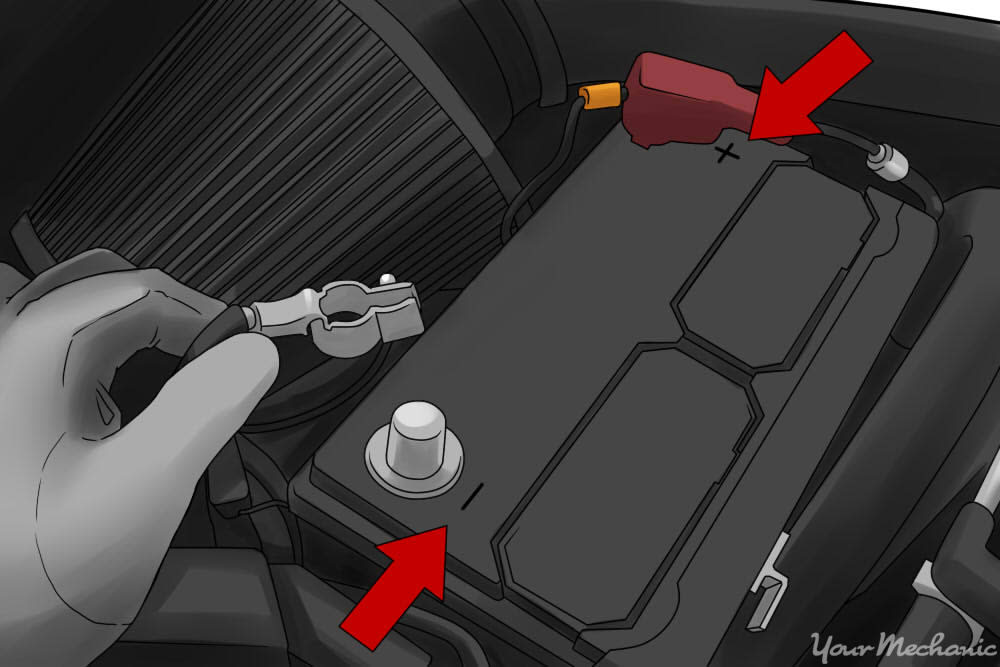
Locate the positive and negative terminals on the battery. The positive terminal usually has a red cover or a plus (+) sign. The negative terminal has a black cover or a minus (–) sign. Knowing this helps avoid mistakes that can cause sparks or damage.
Credit: sigra.com
Tools Needed
Removing a car battery requires a few simple tools. Having the right tools makes the process safer and easier. Prepare all tools before starting to avoid delays.
Safety Gloves
Wear safety gloves to protect your hands. Car batteries contain acid that can cause burns. Gloves also prevent dirt and grease from sticking to your skin.
Safety Glasses
Use safety glasses to shield your eyes. Battery acid or sparks can cause serious eye injuries. Protecting your eyes is important during removal.
Wrench Or Socket Set
A wrench or socket set is needed to loosen battery terminals. Usually, a 10mm wrench fits most battery bolts. Check your battery bolts size before starting.
Battery Terminal Puller
This tool helps remove tight battery terminals without damage. It makes lifting cables from the battery posts easier. Not always necessary but useful.
Battery Carrier Or Strap
Use a battery carrier or strap for safe lifting. Car batteries are heavy and awkward to carry. This tool helps avoid dropping or spilling acid.
Cleaning Brush
A cleaning brush removes corrosion on battery terminals and clamps. Clean terminals ensure a good connection when reinstalling. Wire brushes work well for this task.
Locate The Battery
Locating the car battery is the first step in removing it safely. Knowing where the battery sits helps you work faster. Most car batteries are easy to find under the hood. Some cars may have batteries in less common spots. Finding the battery will prepare you to disconnect it without trouble.
Open The Hood
Start by opening the car’s hood. Look for the hood release lever inside the car. It is usually near the driver’s side footwell. Pull the lever to unlock the hood. Then, move to the front of the car. Lift the hood carefully and secure it with the prop rod. Now, you have full access to the engine compartment.
Find Battery Position
Look around the engine compartment for a rectangular box with two thick cables. This is the battery. It often sits near the front, on either the driver or passenger side. Some cars have the battery under a plastic cover. Remove the cover if needed. In rare cases, the battery may be in the trunk or under a seat. Check your car’s manual if you cannot find it under the hood.
Disconnecting The Battery
Disconnecting the car battery is a crucial step before any repair or replacement. It stops electrical flow and prevents sparks. Always start with the correct terminal to avoid damage or injury.
Remove Negative Terminal
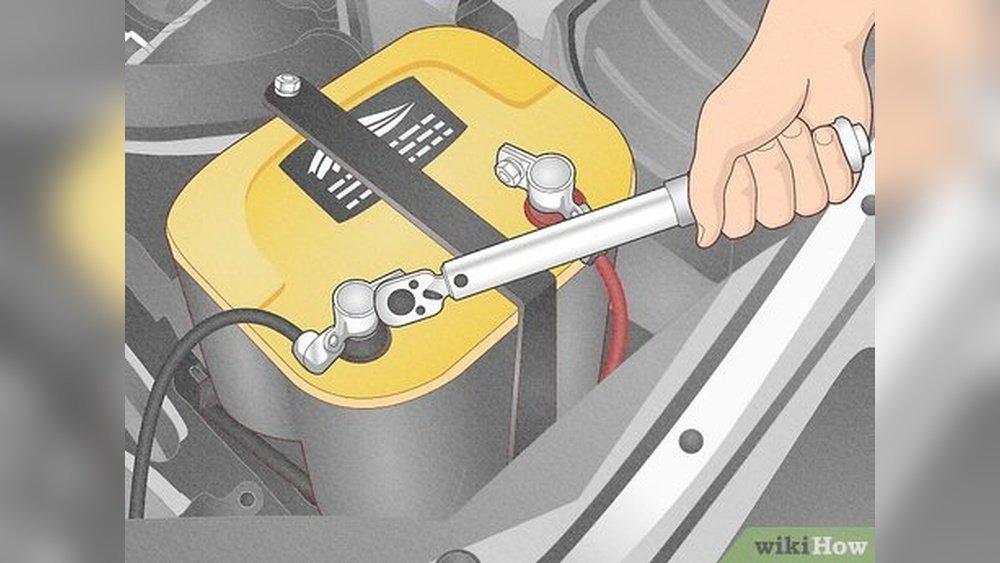
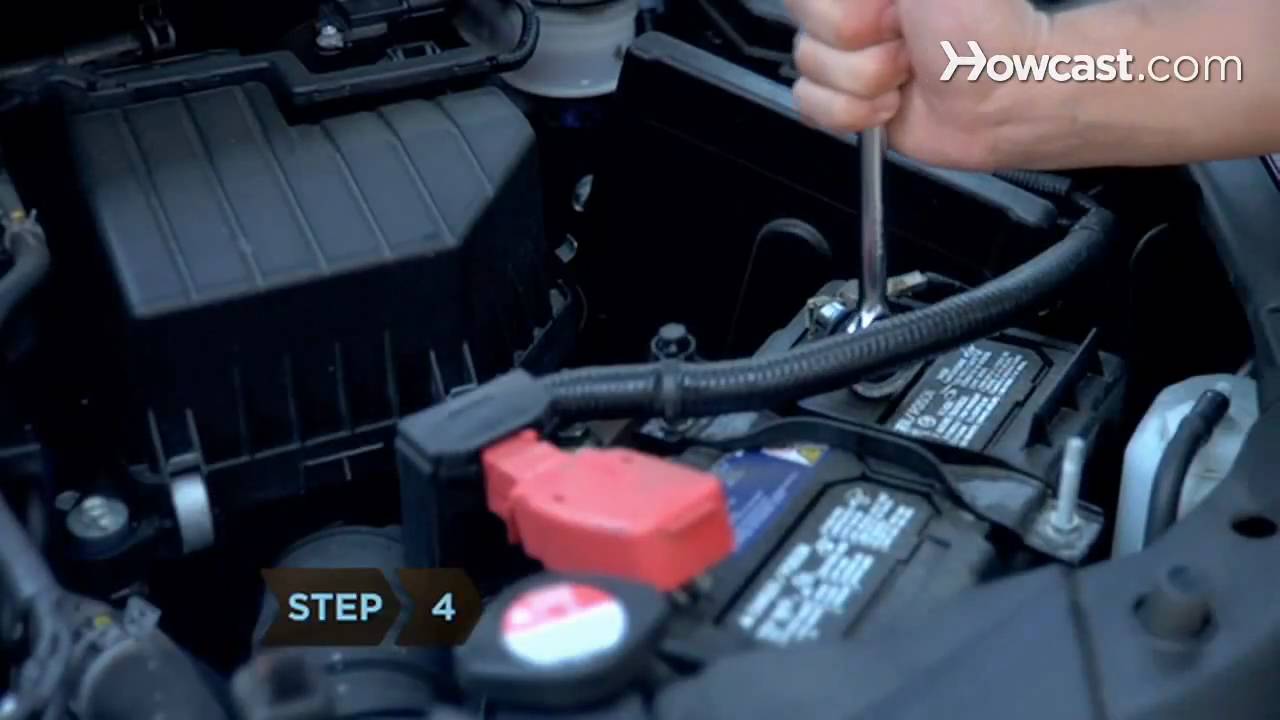
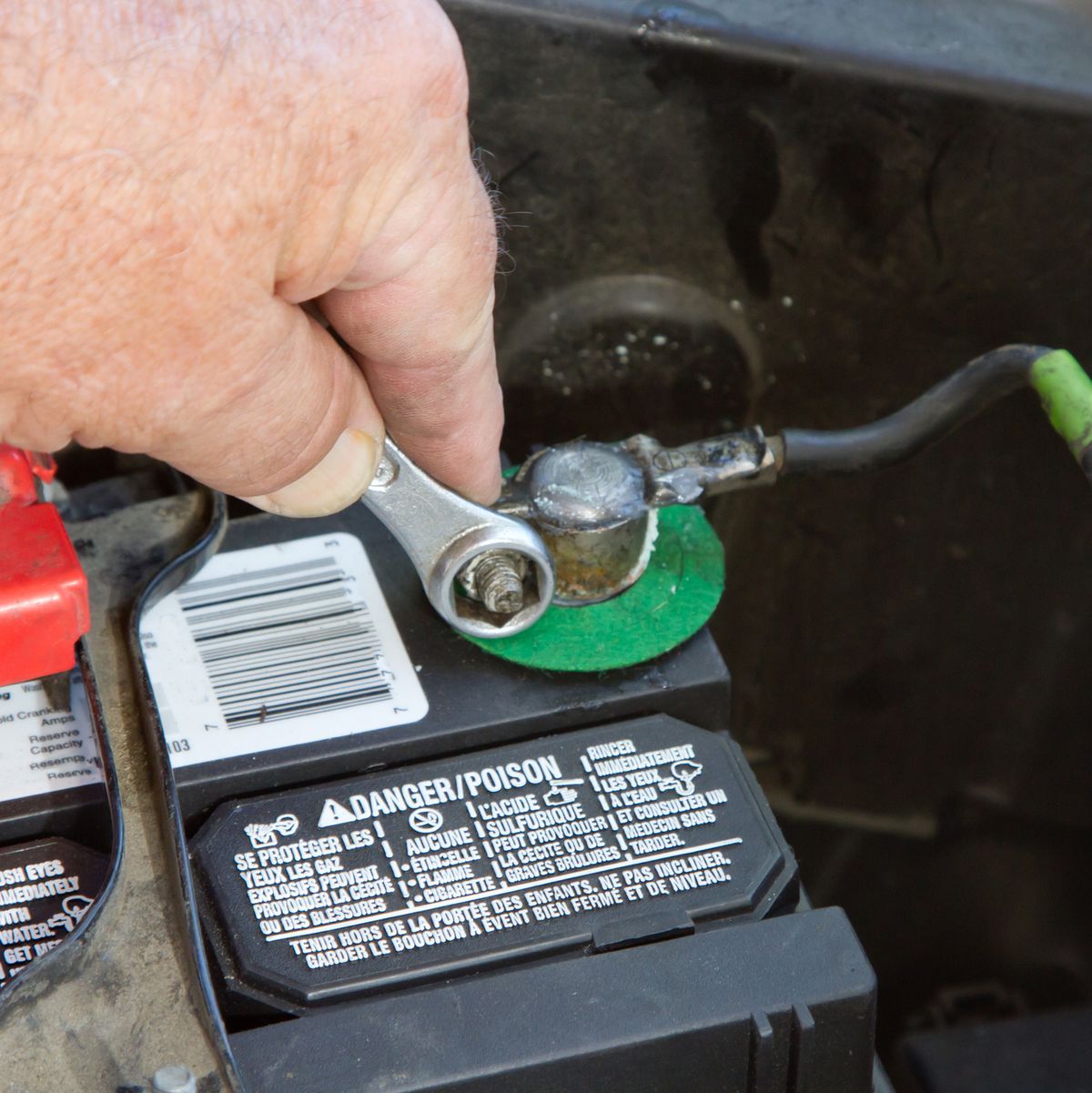
Locate the negative terminal; it usually has a black cover or cable. Use a wrench to loosen the nut carefully. Pull the negative cable off the battery post. Keep the cable away from the battery to avoid contact. This step cuts the ground connection and reduces short circuit risks.
Remove Positive Terminal
Next, find the positive terminal marked with a red cover or cable. Loosen the nut on this terminal with your wrench. Remove the positive cable from the battery post. Place the cable aside, ensuring it does not touch any metal parts. Removing the positive terminal last prevents sparks and protects the car’s electrical system.
Removing The Battery
Removing the car battery is a key step in many vehicle maintenance tasks. It requires care to avoid damage or injury. This section guides you through the safe removal of the battery once you have disconnected the terminals.
Loosen Battery Hold-down
Locate the battery hold-down clamp or bracket securing the battery. Use the correct sized wrench or socket to loosen the clamp bolts. Turn the bolts counterclockwise until the clamp is free. Remove the clamp carefully and set it aside. This frees the battery to be lifted out easily.
Lift Out Battery Safely
Grab the battery firmly by its handles or sides. Lift it straight up without tilting to avoid acid spills. Keep the battery upright at all times. Place it on a stable, flat surface away from children and pets. Avoid touching terminals together or with metal objects during removal.
Reconnecting The Battery
Reconnecting your car battery is a simple yet important step after removal. Doing it correctly prevents sparks and keeps you safe. Follow the right order and use the proper technique to connect the terminals. This ensures your car starts without problems and avoids damage to the electrical system.
Attach Positive Terminal First
Start by attaching the positive terminal, usually marked with a plus (+) sign. This terminal often has a red cable. Place the connector on the battery post and tighten the nut securely. Make sure it fits snugly to avoid loose connections that can cause starting issues.
Attach Negative Terminal Last
Next, connect the negative terminal, marked with a minus (-) sign and usually a black cable. Attach this terminal only after the positive one is secure. Tighten the nut firmly to ensure a good ground connection. This step reduces the risk of sparks and short circuits during installation.
Disposal And Maintenance
Proper disposal and maintenance of your car battery are vital for safety and the environment. Batteries contain harmful chemicals and metals that must not pollute the earth. Taking care of your battery terminals helps maintain a strong connection and extends battery life.
Recycle Old Battery
Old car batteries contain lead and acid. These materials can harm soil and water. Take your old battery to a recycling center or an auto parts store. Many places accept used batteries for free. Recycling recovers valuable metals and reduces pollution. Never throw a car battery in the trash.
Clean Battery Terminals
Corrosion on battery terminals causes poor electrical contact. Use a mixture of baking soda and water to clean terminals safely. Apply the paste with a brush and scrub gently. Rinse with water and dry with a cloth. Clean terminals improve battery performance and start your car easily.
Credit: www.youtube.com
Common Mistakes To Avoid
Removing a car battery may seem simple but mistakes can cause damage. Some errors can create sparks or harm your vehicle’s electrical system.
Knowing these common mistakes helps you stay safe and protect your car. Avoiding them saves time and money.
Not Disconnecting The Negative Terminal First
Always remove the negative (black) terminal before the positive (red) one. The negative terminal is the car’s ground. Removing it first prevents accidental short circuits.
Disconnecting the positive terminal first can cause sparks. This happens if your tool touches the grounded metal frame while on the positive terminal.
Failing To Secure Loose Cables
After removing a cable, never leave it loose near the battery. Loose cables can touch terminals and cause sparks or damage.
Use a cloth or rubber cover to keep cables away from the battery posts. This simple step prevents accidental contact.
Using Incorrect Tools Or Excessive Force
Use the right size wrench or socket to loosen terminals. Using the wrong tool can strip nuts or damage terminals.
Do not force tight connections. Apply steady pressure and check for rust or corrosion that may need cleaning first.
Ignoring Safety Gear
Always wear gloves and eye protection. Battery acid can harm your skin and eyes if spilled.
Work in a well-ventilated area to avoid inhaling harmful gases. Safety gear keeps you protected from unexpected hazards.
Credit: www.caranddriver.com
Conclusion
Removing a car battery is simple when you follow the right steps. Always disconnect the negative terminal first to stay safe. Use basic tools and work slowly to avoid mistakes. Keep the battery cables clear from the posts after removal.
Reattach the battery by connecting the positive terminal first, then the negative. Taking these careful actions helps protect you and your vehicle. Now you can handle battery removal with confidence and ease.