
Have you ever found yourself staring at stubborn car wax that just won’t come off no matter how hard you try? Whether you accidentally applied too much or are dealing with old, hardened wax, removing it can feel frustrating.
But here’s the good news: you don’t need expensive tools or harsh chemicals to get your car’s surface looking flawless again. In this guide, you’ll discover simple, safe, and effective ways to remove car wax without damaging your paint. Keep reading, and you’ll learn the tricks that professionals use to make your car shine like new—because your vehicle deserves the best care, and you deserve an easy solution.
Credit: www.autotrainingcentre.com
Types Of Car Wax
Car wax comes in different types, each with unique features. Knowing these types helps to remove wax properly without harming your car’s paint. This guide explains the main categories of car wax.
Understanding wax types makes the removal process easier and safer. It also helps to select the right products for your car care.
Natural Vs Synthetic Wax
Natural wax uses ingredients from nature. Carnauba wax is the most popular natural wax. It gives a deep shine and a smooth finish. It lasts for a few weeks but may need frequent reapplication.
Synthetic wax is made from man-made chemicals. It often lasts longer than natural wax. Synthetic wax can protect your paint for several months. It is easier to apply and remove in many cases.
Hard Vs Soft Wax Varieties
Hard wax is solid at room temperature. It usually comes in a paste or block form. Hard wax requires more effort to apply and remove. It offers strong protection and a glossy look.
Soft wax is usually liquid or cream. It spreads easily on the car surface. Soft wax is simpler to remove with a cloth or machine. It provides good shine but may not last as long as hard wax.
Tools And Materials Needed
Removing car wax requires the right tools and materials for safe and effective results. Preparing these items before starting saves time and protects your car’s paint. Each tool has a specific role in loosening and wiping away wax without damage. Below are the essential tools and materials you need.
Microfiber Cloths
Microfiber cloths are soft and non-abrasive. They safely remove wax without scratching the paint. Use clean, dry microfiber cloths for wiping and buffing. Avoid regular towels or paper towels as they can cause micro-scratches. Multiple cloths help separate the wax removal and final cleaning steps.
Mild Solvents And Cleaners
Mild solvents help dissolve wax residues gently. Common options include isopropyl alcohol (IPA), mineral spirits, or a vinegar and water mix. Test any solvent on a small hidden area first. Use these cleaners sparingly to avoid paint damage. They break down wax for easier removal with a cloth.
Heat Sources
Heat softens hardened wax, making removal easier. A hairdryer on low heat or a warm cloth works well. Avoid high heat settings that may damage paint. Use heat carefully to loosen wax without melting or spreading it further. Heating the wax helps the solvents work better and speeds the cleaning process.
Preparing Your Vehicle
Preparing your vehicle is the first step to successfully remove car wax. This process ensures the surface is clean and ready. It also helps avoid damage during wax removal. Taking time to prepare your car makes the task easier and more effective.
Wash And Dry The Car
Start by washing your car thoroughly. Use a car-safe soap to remove dirt and grime. Avoid household detergents as they can harm the paint. Rinse the car well with water to remove soap residue. After washing, dry the car completely with a soft microfiber towel. Drying prevents water spots and streaks. A clean, dry surface allows wax removal products to work better.
Choose A Shaded Work Area
Find a shaded spot to work on your car. Direct sunlight can cause wax and cleaning products to dry too fast. Fast drying makes wax removal harder and less effective. A cool, shaded area keeps the car’s surface steady. This helps you see wax spots clearly. Working in shade protects the paint from heat damage during the process.
Removing Fresh Wax
Removing fresh car wax is easier than dealing with old, hardened layers. Acting quickly prevents buildup and keeps your car’s surface smooth. Fresh wax can be wiped away with simple household items, avoiding harsh chemicals or scrubbing. Follow easy steps to safely remove wax without harming your paint.
Use Warm Water And Soap
Start with warm water to soften the wax. Mix a gentle car soap or dish soap in the water. Avoid strong detergents that can strip your paint’s protection. Dip a soft cloth or sponge into the soapy water. Gently apply it over the waxed area. The warm water helps break down the wax for easy removal.
Gentle Wiping Technique
Use a soft microfiber cloth for wiping. Avoid rough materials that can scratch the paint. Lightly wipe in circular motions to lift the wax off. Do not press hard or scrub vigorously. Rinse the cloth often to remove wax residue. Repeat until the surface feels smooth and clean.
Removing Hardened Wax
Hardened car wax can be tough to remove. It sticks firmly to your vehicle’s surface. Removing it needs care to avoid damaging the paint. Using the right method helps clear wax without scratching or dulling. Follow these simple steps to deal with hardened wax safely and effectively.
Apply Gentle Heat To Soften Wax
Use a hairdryer on low heat to warm the wax. Keep the dryer moving to avoid overheating one spot. Heat softens the wax, making it easier to remove. Stop once the wax feels slightly sticky or soft to the touch. Avoid using a heat source that is too hot or close.
Scrape With Plastic Tools
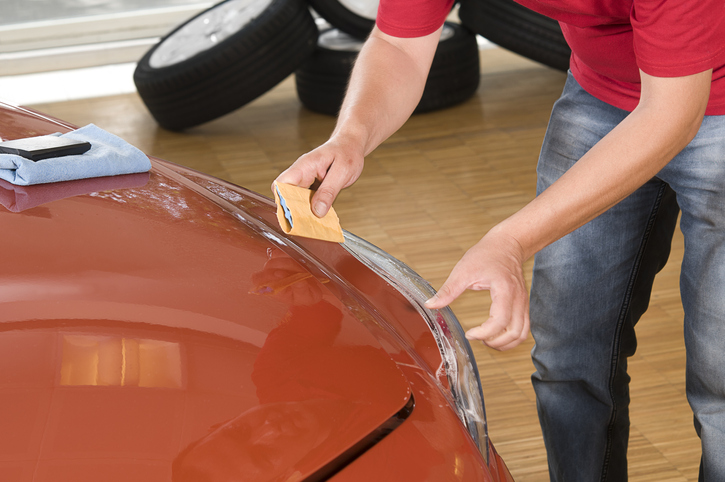
Use a plastic scraper or old credit card to lift the wax. Gently push the tool under the softened wax edges. Avoid metal tools, which can scratch the paint. Work slowly and carefully to prevent damage. Remove as much wax as possible without forcing the tool.
Wipe With Microfiber Cloth
Take a clean microfiber cloth and wipe away wax residue. Use light pressure and circular motions to clean the surface. Microfiber cloths trap wax particles without scratching the paint. For stubborn spots, slightly dampen the cloth with water or rubbing alcohol. Dry the area well after wiping to prevent streaks.
Using Solvents To Remove Residue
Using solvents to remove car wax residue is a practical method to clean your vehicle’s surface. Solvents break down wax buildup quickly, making it easier to wipe away. This approach works well for areas where wax has hardened or layered unevenly. Proper use of solvents can restore your car’s shine without harming the paint. Safety and testing are important to avoid damage to your vehicle’s finish.
Isopropyl Alcohol Application
Isopropyl alcohol (IPA) is a common solvent for removing wax residue. It dissolves wax without harsh effects on most paint finishes. Use a clean microfiber cloth to apply IPA gently. Dab or wipe the waxed area until the residue softens and lifts. Avoid soaking the surface to prevent damage. Repeat the process as needed for thick wax layers.
Mineral Spirits For Stubborn Areas
Mineral spirits offer a stronger solution for tough wax spots. They work well on hardened or thick wax buildup. Apply a small amount on a cloth and rub the affected area gently. Mineral spirits evaporate quickly, reducing the risk of paint harm. Use with care and avoid prolonged contact with rubber or plastic parts.
Testing Solvents Safely
Always test solvents on a hidden part of your car first. This step ensures the solvent does not discolor or damage the paint. Apply a small amount and wait a few minutes to observe any reaction. If no damage occurs, proceed with removing wax from visible areas. Testing protects your car’s finish and avoids costly repairs.
Special Surfaces Care
Special surfaces on your car need careful wax removal to avoid damage. Each surface reacts differently to cleaning products and methods. Knowing how to handle plastic, trim, and painted areas protects your vehicle’s look and value. Follow these tips for safe and effective wax removal from delicate areas.
Handling Plastic And Trim
Plastic and trim pieces often get wax buildup and stains. Use a gentle cleaner designed for plastics. Avoid harsh chemicals that can cause fading or cracking. Apply the cleaner with a soft cloth and rub gently in circular motions. Rinse with water and dry with a clean towel. Repeat only if necessary to prevent damage.
Wax Removal From Painted Surfaces
Painted surfaces require extra care during wax removal. Start by softening the wax with warm water or a hairdryer on low heat. Use a microfiber cloth to wipe the wax off gently. For stubborn spots, apply a small amount of isopropyl alcohol on a cloth. Test on a hidden area first. Avoid scrubbing hard to prevent scratches.
Avoiding Damage On Enamel Paint
Enamel paint is delicate and prone to damage from strong solvents. Use mild soap and water to clean wax residue. If needed, use a product specifically made for enamel finishes. Always apply with a soft cloth and avoid abrasive pads. Dry the area gently to maintain the paint’s shine and prevent dullness.
Credit: www.autotrainingcentre.com
Common Mistakes To Avoid
Removing car wax may seem simple, but many make avoidable errors. These mistakes can harm your car’s paint or leave wax residue behind. Avoiding common pitfalls helps keep your vehicle looking smooth and shiny. Learn which actions to skip during wax removal.
Using Harsh Chemicals
Harsh chemicals can damage your car’s paint and finish. Avoid strong solvents not made for cars. Products like acetone or paint thinner strip wax but harm paint layers. Choose gentle, car-safe wax removers instead. Always read product labels carefully.
Excessive Scrubbing
Scrubbing too hard can scratch your car’s surface. Use soft cloths or microfiber towels for removal. Rubbing harshly wears down paint and clear coat. Light pressure with circular motions removes wax safely. Patience is key to protect your car’s finish.
Ignoring Test Spots
Skipping a test spot risks unexpected damage. Always test wax removers on a small, hidden area. Watch for color changes or surface dullness. Testing prevents widespread issues and saves time. It ensures the method suits your car’s paint type.
Aftercare Tips
Proper aftercare is key to keep your car’s paint healthy after removing wax. It helps protect the surface and maintains its shine. Without good care, dirt and damage can happen quickly. Follow these tips to extend the life of your car’s finish and keep it looking fresh.
Reapplying Protective Wax
After removing old wax, apply a new layer of protective wax. This shields the paint from dirt and weather. Use a soft applicator and thin, even coats. Let the wax dry before buffing gently with a microfiber cloth. This restores protection and enhances the car’s gloss.
Maintaining The Shine
Keep the car shining by wiping it regularly with a clean microfiber cloth. Remove dust and light dirt to avoid scratches. Use a quick detailer spray for extra gloss between washes. This keeps the paint smooth and reflective without harsh chemicals.
Regular Cleaning Routine
Wash your car often using a gentle car shampoo. Avoid household soaps that strip wax and damage paint. Rinse thoroughly to remove all soap residue. Dry the car with a soft towel to prevent water spots. A regular cleaning routine keeps the surface clean and ready for waxing.

Credit: www.wikihow.life
Frequently Asked Questions
Will Dawn Dish Soap Remove Car Wax?
Dawn dish soap can break down old car wax but usually won’t remove fresh wax effectively. It helps degrease surfaces safely.
Will Rubbing Alcohol Remove Wax From A Car?
Rubbing alcohol can remove wax residue from a car’s surface effectively. Apply it with a microfiber cloth and wipe gently. Repeat as needed for thick wax layers. Always test on a small area first to avoid paint damage. Avoid harsh scrubbing to protect the finish.
How Do You Remove Wax Without Damaging Paint?
Use gentle heat like a hairdryer to soften wax, then wipe with a microfiber cloth. Remove residue with rubbing alcohol or mineral spirits. Always test methods on a hidden spot first to protect paint and avoid scratches.
Will Wd-40 Remove Wax?
WD-40 can remove wax by breaking down its residue. Spray it lightly, wipe with a clean cloth, then wash the surface. Always test on a small area first to avoid damage.
Conclusion
Removing car wax can be simple with the right steps. Start by softening hardened wax using gentle heat. Wipe it away carefully with a clean cloth. For leftover residue, apply rubbing alcohol or a mild solvent. Always test products on a small area first.
Use microfiber cloths to protect your car’s paint. Repeat the process if needed, but avoid harsh scrubbing. Keeping these tips in mind helps maintain your car’s finish. Clean and wax-free surfaces improve your vehicle’s look and feel.