Are you tired of staring at those stubborn hard water stains ruining the shine of your faucets, shower doors, or glass surfaces? You’re not alone.
Hard water stains don’t just look bad—they can make your home feel less clean and inviting. But here’s the good news: removing these spots is easier than you think. You’ll discover simple, effective methods to get rid of hard water stains using ingredients you probably already have at home.
Stick with me, and you’ll learn how to restore your fixtures to their sparkling best—no harsh chemicals or expensive cleaners needed. Ready to bring back that fresh, spotless look? Let’s dive in!
Sources Of Hard Water Stains
Hard water stains appear from minerals in water. These minerals leave marks on surfaces. Understanding where stains come from helps to remove them better.
Hard water contains calcium and magnesium. These minerals do not dissolve easily. When water evaporates, minerals stay behind. Over time, they build up and form stains.
Sources Of Hard Water Stains In Bathrooms
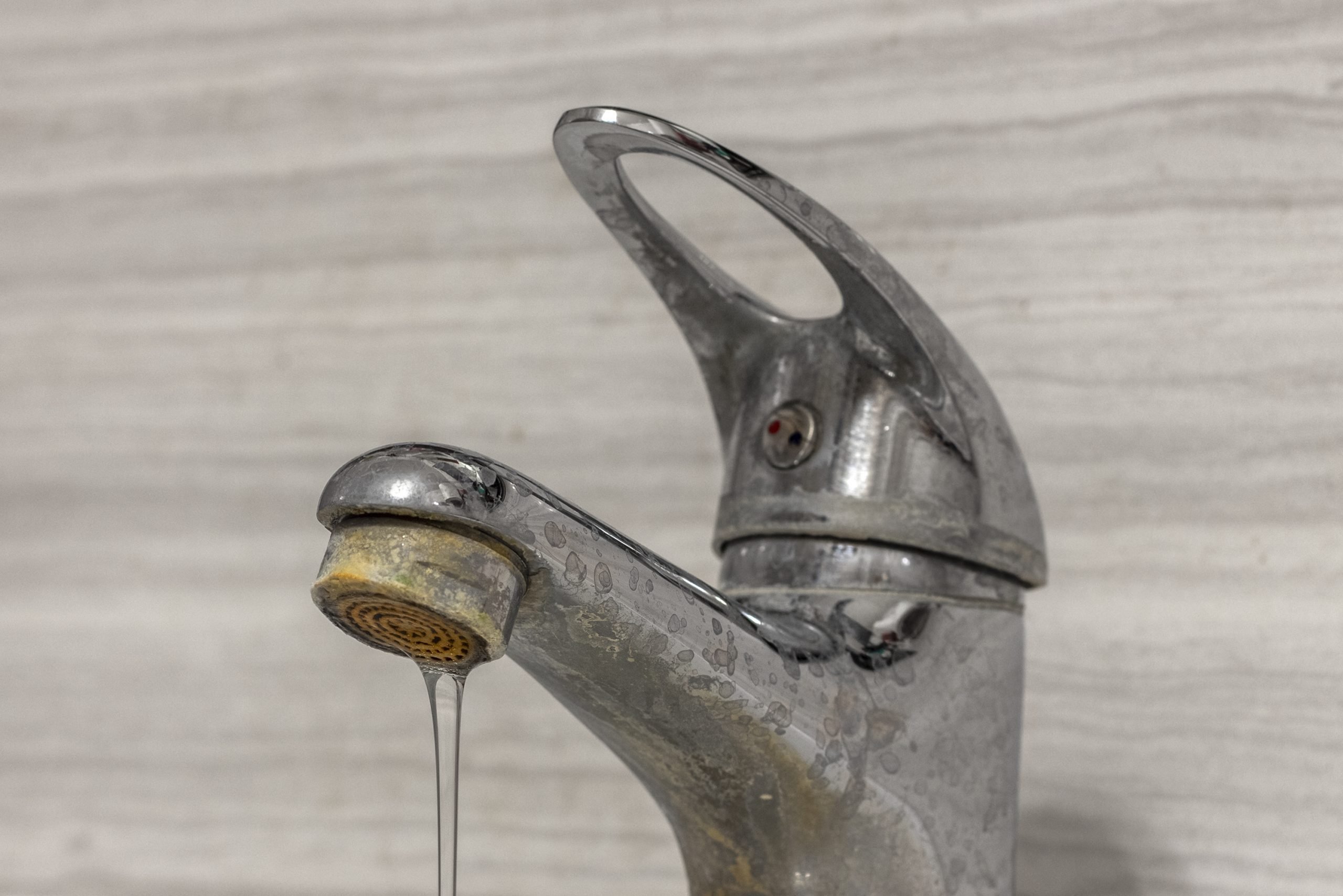
Showers, sinks, and bathtubs often show hard water stains. Water splashes and dries on these surfaces. Tiles and glass shower doors collect mineral deposits. Faucets also get covered with white or cloudy marks.
Sources Of Hard Water Stains In Kitchens
Sinks and faucets in kitchens face hard water stains. Water used for cooking and cleaning leaves mineral spots. Dishwashers can also cause buildup on dishes and glasses. Kitchen appliances with water tanks may develop stains too.
Sources Of Hard Water Stains On Appliances
Washing machines and coffee makers use water regularly. Minerals inside these machines can build up over time. This causes stains and reduces appliance efficiency. Water heaters may also show mineral deposits.
Outdoor Sources Of Hard Water Stains
Garden hoses and outdoor faucets often drip water. This water leaves mineral stains on patios and walls. Pools and fountains may develop white crusty marks. Car windows and windshields can also get spotted.

Credit: www.lalalisette.com
Vinegar Solutions
Vinegar is a simple and natural solution for removing hard water stains. Its mild acid breaks down mineral deposits easily. Using vinegar can restore shine to fixtures, glass, and tiles. It is safe, affordable, and easy to find in most homes.
Soaking Fixtures
Soak a cloth or paper towel in white vinegar. Wrap it around faucets or showerheads with hard water stains. Leave it for several hours or overnight. The vinegar softens and dissolves the mineral buildup. After soaking, scrub gently with a brush. Rinse well with water to remove residue. This method works well on chrome, stainless steel, and brass fixtures.
Spray For Glass And Tile
Fill a spray bottle with equal parts vinegar and water. Spray the solution directly on glass shower doors or tile surfaces. Let it sit for 10 to 15 minutes. The vinegar loosens hard water spots and soap scum. Wipe clean with a soft cloth or sponge. For tough stains, repeat the process or scrub lightly. Always rinse thoroughly to prevent streaks and keep surfaces shiny.
Baking Soda Remedies
Baking soda is a natural and gentle cleaner perfect for hard water stains. It works by breaking down mineral deposits without damaging surfaces. Easy to find and safe, baking soda offers a simple solution for many cleaning tasks around the home. Its mild abrasive nature helps scrub off stains while neutralizing odors.
Using baking soda alone or combined with other ingredients boosts its cleaning power. It removes spots on faucets, tiles, glass, and more. Baking soda remedies require minimal effort but deliver great results.
Paste For Stubborn Spots
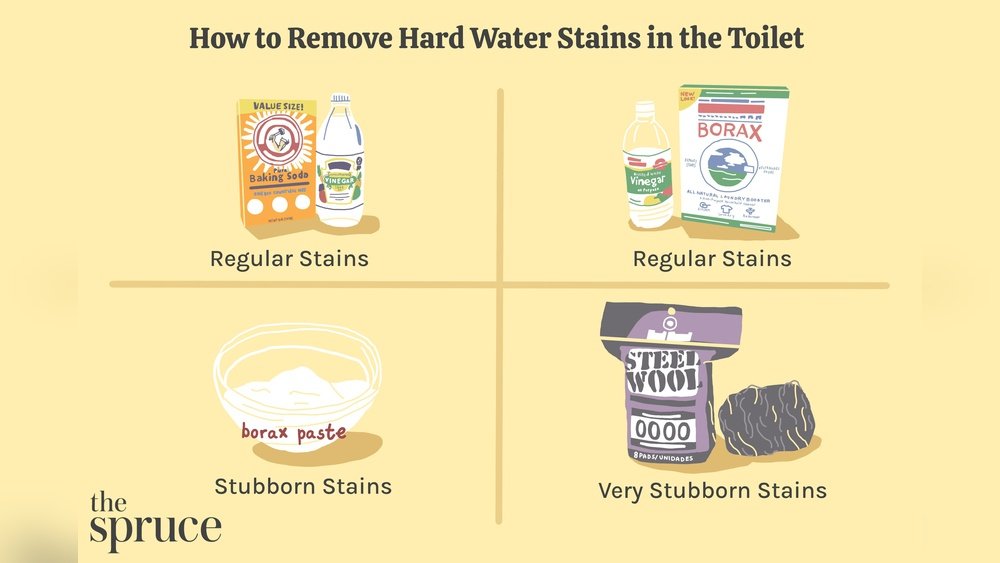
Make a thick paste by mixing baking soda with a small amount of water. Apply this paste directly to hard water stains. Let it sit for 10 to 15 minutes to soften the deposits. Then, scrub gently with a soft cloth or sponge. Rinse the area with warm water and wipe dry. This method works well on glass shower doors and bathroom fixtures. Repeat if necessary for tough stains.
Combination With Vinegar
Mix baking soda and white vinegar for stronger stain removal. Sprinkle baking soda on the stained surface first. Next, spray or pour vinegar over it slowly. The mixture will fizz and bubble, helping to lift minerals away. Let it sit for 5 to 10 minutes. Scrub lightly with a brush or cloth. Rinse thoroughly with water and dry the surface. This combo is ideal for sinks, taps, and tiles. It cleans deeply without harsh chemicals.
Credit: www.reddit.com
Lemon And Salt Scrub
The lemon and salt scrub offers a natural way to remove hard water stains. Lemon’s acid breaks down mineral deposits. Salt acts as a gentle abrasive to scrub away buildup. Together, they clean without harsh chemicals.
This method works well on glass, faucets, and tiles. It is simple and uses ingredients found in most kitchens. It is safe for many surfaces but still effective against tough stains.
Lemon And Salt Scrub Preparation
Start by cutting a fresh lemon in half. Sprinkle salt generously on the cut side. Use coarse salt for better scrubbing power. This combination creates a natural cleaning paste on the lemon.
Applying The Scrub To Hard Water Stains
Rub the salted lemon directly on the stained surface. Use gentle pressure and circular motions. The lemon juice dissolves minerals, while salt scrubs away the residue. Continue until stains fade.
Rinsing And Drying The Surface
After scrubbing, rinse the area with warm water. Wipe dry with a clean cloth. Drying prevents new mineral buildup. Repeat the process if stains remain for best results.
Cleaning Delicate Surfaces
Cleaning delicate surfaces requires gentle care to protect their finish. Hard water stains can damage metals and stones if cleaned harshly. Use mild cleaners and soft cloths to keep these surfaces looking new. Avoid abrasive tools that can scratch or dull the finish. Proper cleaning helps maintain beauty and extends surface life.
Brushed Nickel And Brass
Brushed nickel and brass need soft cleaning methods. Mix a small amount of mild soap with warm water. Use a soft cloth to wipe the surface gently. Avoid vinegar or acidic cleaners on brass as they can tarnish it. Rinse with clean water and dry with a soft towel. For tough spots, use a diluted vinegar solution but test on a small area first.
Stone And Tile Care
Stone and tile surfaces require special attention to avoid damage. Avoid acidic cleaners like vinegar or lemon juice on natural stone. Use a pH-neutral cleaner made for stone or a mild soap solution. Apply with a soft sponge or cloth. Rinse well and dry to prevent water spots. Regular wiping helps reduce hard water stains and keeps stone and tile looking fresh.
Prevention Tips
Preventing hard water stains is easier than removing them. Small habits and smart tools keep your surfaces clean and shiny. Consistent care stops mineral buildup early. These prevention tips save time and effort in the long run.
Water Softeners
Water softeners reduce minerals in your water supply. They replace calcium and magnesium with sodium or potassium. This process stops minerals from sticking to surfaces. Soft water helps extend the life of pipes and appliances. Installing a water softener is a smart investment. It protects your home from hard water damage.
Regular Dry Wiping
Wipe down wet surfaces after use to prevent stains. Use a soft cloth or towel for best results. Drying stops water droplets from leaving mineral marks. This simple step works well on glass, tiles, and faucets. Make it a habit to wipe after showers or dishwashing. Regular dry wiping keeps hard water stains away.
What To Avoid
Removing hard water stains requires care. Some common cleaning tools and chemicals can damage surfaces. Knowing what to avoid helps keep your fixtures safe and shiny. Avoid products that harm your materials or worsen the stains. Use gentle methods for the best results.
Abrasive Scrubbers
Abrasive scrubbers can scratch glass, tile, and metal surfaces. Avoid steel wool, scouring pads, or rough brushes. These tools can create tiny scratches that trap more dirt and water stains. Instead, use soft cloths or sponges to protect the finish. Gentle scrubbing removes stains without damage.
Harsh Chemicals
Strong chemical cleaners can harm your fixtures and skin. Avoid bleach, ammonia, or acid-based cleaners unless specified safe for your surface. These chemicals may cause discoloration or corrosion. Use natural acids like vinegar or lemon juice for safer stain removal. They break down mineral deposits without harsh effects.
Effective Commercial Products
Effective commercial products provide a quick and reliable way to remove hard water stains. These products target mineral deposits and restore the shine of surfaces. They come in various forms like sprays, gels, and liquids. Choosing the right product depends on the surface and stain severity.
Many commercial cleaners contain acids that break down calcium and lime buildup. They save time and effort compared to homemade solutions. Using these products correctly ensures effective stain removal without damage.
Commercial Hard Water Stain Removers
These removers are specially made to dissolve hard water deposits. They often include ingredients like citric acid or sulfamic acid. Apply them to the stained area, let sit for a few minutes, then scrub gently. Rinse well to avoid residue. They work well on glass, tiles, and metal fixtures.
Lime And Calcium Dissolvers
Lime and calcium dissolvers target the minerals causing hard water stains. They quickly break down thick deposits. Use a cloth or sponge to apply and wipe off the loosened stains. These products can be strong, so follow safety instructions. They are safe for most bathroom and kitchen surfaces.
All-purpose Bathroom Cleaners
Many all-purpose bathroom cleaners contain ingredients to fight hard water stains. They clean soap scum and mineral buildup in one step. These cleaners are easy to use and often safe for multiple surfaces. Regular use helps prevent stain buildup and keeps surfaces fresh.
Eco-friendly Commercial Cleaners
Eco-friendly cleaners use natural acids like vinegar or citric acid. They remove stains without harsh chemicals. These products are biodegradable and safer for home use. They work well for light to moderate stains and are gentle on surfaces. Ideal for people who prefer green cleaning options.
Diy Cleaning Mixes
DIY cleaning mixes offer simple and effective ways to remove hard water stains. These mixes use common household ingredients. They break down mineral deposits and restore shine. You can prepare these solutions quickly and save money. They work well on faucets, tiles, glass, and other surfaces affected by hard water.
Using natural ingredients reduces harsh chemicals in your home. Most of these mixes also help prevent future buildup. Regular cleaning with DIY solutions keeps your surfaces looking fresh and clean.
Vinegar And Dish Soap Blend
White vinegar dissolves mineral deposits easily. Dish soap cuts through grease and grime. Mix one cup of vinegar with a tablespoon of dish soap. Stir gently to avoid bubbles.
Apply the blend to stained areas using a sponge or cloth. Let it sit for 10 to 15 minutes. Scrub lightly with a soft brush or cloth. Rinse with warm water and dry with a clean towel.
This mix works great on glass shower doors, faucets, and sinks. Repeat the process if stains are stubborn. Vinegar’s acidity and soap’s cleaning power make a strong duo.
Other Homemade Solutions
Baking soda and lemon juice create a powerful paste. Combine two tablespoons of baking soda with enough lemon juice to form a thick paste. Apply to stains and let sit for 10 minutes. Scrub gently and rinse well.
Baking soda acts as a mild abrasive, while lemon juice adds acidity. This combo is safe on most surfaces and leaves a fresh scent.
For tougher stains, soak a cloth in white vinegar and wrap it around faucets or showerheads. Leave it for a few hours or overnight. Then scrub and rinse.
Salt mixed with lemon juice also works well. Dip a lemon half in salt and scrub the stained area. The salt scrubs away buildup, and lemon juice breaks down minerals.
Credit: www.tasteofhome.com
Frequently Asked Questions
How Do You Remove Calcified Hard Water Stains?
Soak a cloth in white vinegar and wrap it around the stain for hours. Scrub with baking soda paste if needed. Rinse well.
Does Dawn And Vinegar Remove Hard Water Stains?
Dawn and vinegar can remove hard water stains. Vinegar dissolves mineral deposits, while Dawn helps break grease and grime for easier cleaning.
What Is The Best Hard Water Stain Remover?
The best hard water stain remover is white vinegar. It effectively dissolves mineral buildup on faucets and glass surfaces. For tough stains, use a baking soda paste or specialized cleaners like CLR. Avoid abrasive scrubbers to prevent surface damage. Regular wiping and water softeners help prevent stains.
Does Wd-40 Remove Hard Water Stains From Glass?
WD-40 can loosen some hard water stains on glass but does not fully remove mineral deposits. Use vinegar or baking soda for better results.
Conclusion
Removing hard water stains is simple with the right steps. Use natural cleaners like vinegar or baking soda for best results. Avoid harsh scrubbing to protect surfaces. Regular cleaning helps keep stains away longer. Try gentle methods first to save time and effort.
Clean surfaces dry after use to prevent buildup. With patience and care, your fixtures will look clean and bright again. Small habits make a big difference in maintaining your home. Stay consistent, and hard water stains won’t stand a chance.