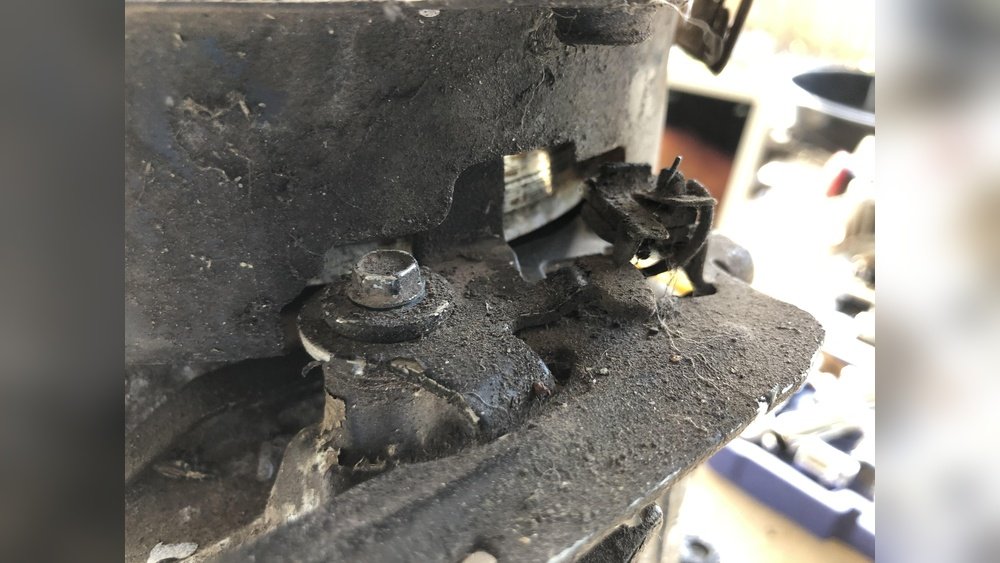
When oil and grease build up on your car parts, it not only looks messy but can also cause serious damage over time. You might be wondering how to get rid of that stubborn grime quickly and effectively without spending hours scrubbing or using harsh chemicals that could harm your vehicle.
The good news is, you don’t have to be a professional mechanic to clean your car parts like a pro. In this guide, you’ll discover simple, safe, and proven methods to remove oil and grease, bringing your car parts back to their clean, smooth state.
Ready to tackle that greasy mess and save time and money? Keep reading to learn exactly what you need to do!
Tools And Materials Needed
Removing oil and grease from car parts requires the right tools and materials. These help clean effectively and protect both you and the parts. Having a clear list of what you need makes the job easier and faster. Prepare your workspace with all supplies before starting to avoid interruptions.
Essential Cleaning Supplies
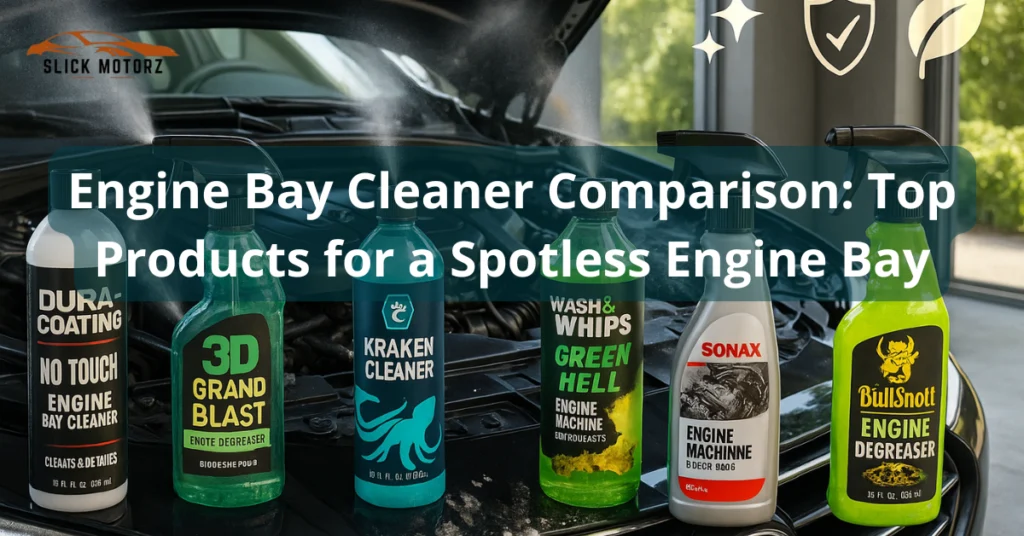
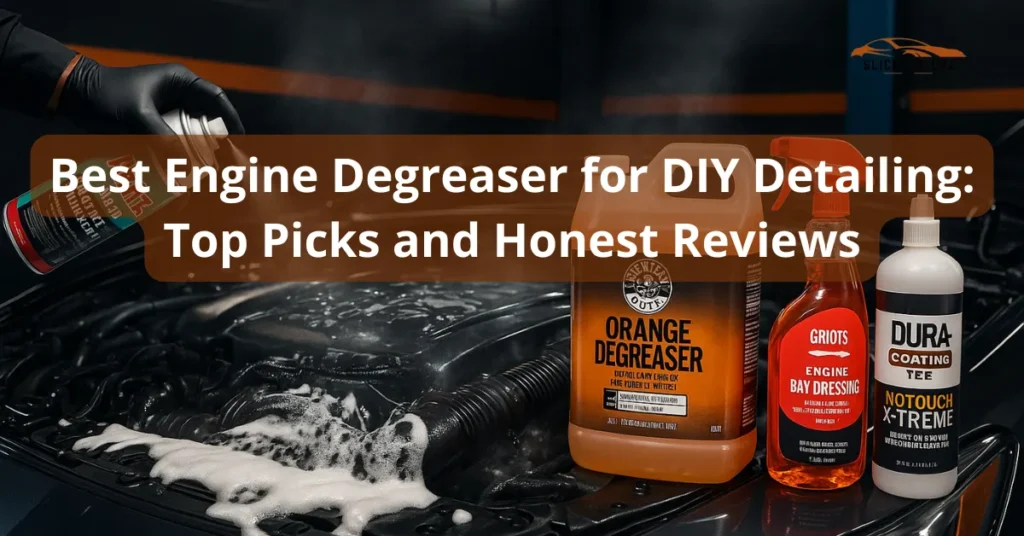
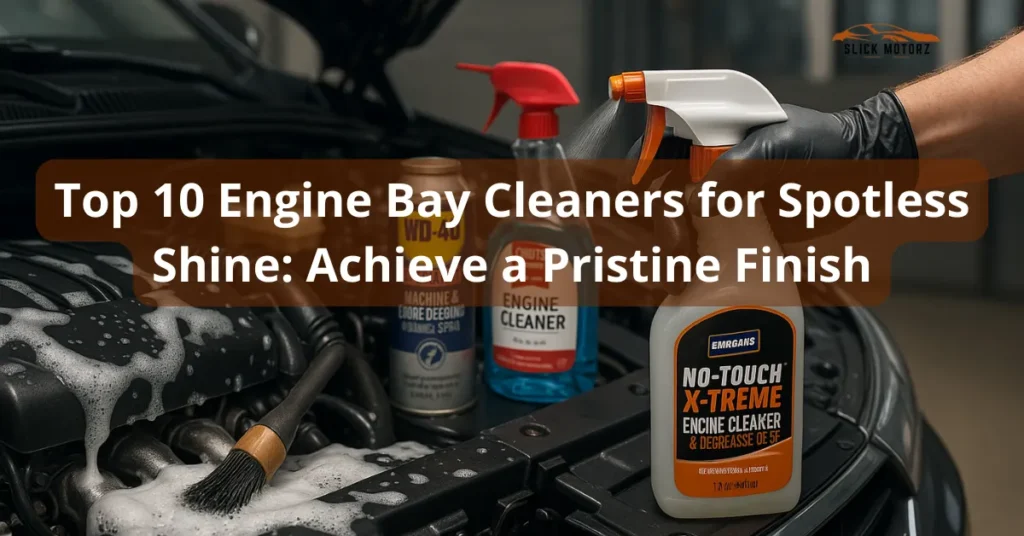
- Degreaser or engine cleaner – breaks down oil and grease quickly
- Dish soap – useful for light grease and oily residues
- Brushes with stiff bristles – reach tight spots and scrub off grime
- Microfiber cloths or rags – wipe surfaces clean without scratching
- Plastic scraper – removes thick grease without damaging metal
- Bucket of warm water – aids rinsing and diluting cleaning agents
- Spray bottle – applies degreaser evenly on parts
- Compressed air or air blower – dries parts after washing
Protective Gear
- Rubber gloves – protect skin from harsh chemicals and oils
- Safety goggles – shield eyes from splashes and debris
- Old clothes or coveralls – keep your clothing clean
- Face mask – prevents inhaling fumes from cleaners and solvents
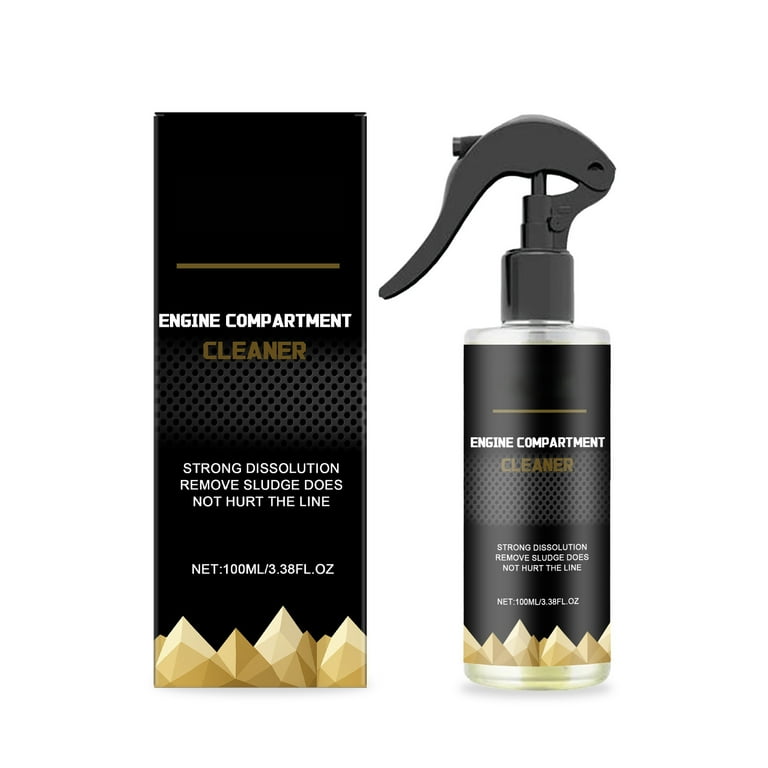
Credit: www.walmart.com
Preparation Steps
Before tackling oil and grease on car parts, proper preparation is essential. Preparation ensures safety and improves cleaning results. Follow these initial steps carefully to get your car parts ready for cleaning.
Safety Precautions
Wear gloves to protect your hands from harsh chemicals. Use safety glasses to shield your eyes from splashes. Work in a well-ventilated area to avoid inhaling fumes. Keep a fire extinguisher nearby, as some cleaners are flammable. Avoid loose clothing that might catch on parts or tools.
Removing Loose Dirt And Debris
Start by wiping off loose dirt with a dry cloth or brush. Use compressed air to blow away dust from hard-to-reach areas. Removing debris helps the degreaser work better. Clean surfaces allow deep cleaning of grease and oil. Take your time to clear every corner before applying cleaning agents.
Choosing The Right Cleaner
Choosing the right cleaner is key to removing oil and grease from car parts safely and effectively. The cleaner must break down tough grease without damaging the parts. Different cleaners suit different materials and levels of dirt. Picking a cleaner that matches your needs saves time and effort. It also protects your car parts and the environment.
Degreasers And Solvents
Degreasers are strong cleaners designed to cut through heavy oil and grease. They come in liquid, spray, or gel form. Solvents dissolve grease quickly but can be harsh. Common solvents include acetone and mineral spirits. Use them carefully, as they can harm plastics and rubber. Wear gloves and work in a well-ventilated area. Degreasers work well on metal parts like engine blocks and gears. They remove grime fast and leave surfaces clean.
Natural Alternatives
Natural cleaners offer a safer way to remove grease. They use plant-based ingredients or household items. Examples include vinegar, baking soda, and citrus-based cleaners. These are gentle on parts and better for the environment. Natural alternatives may need more scrubbing or time to work. They are great for light to moderate grease on delicate parts. Using natural cleaners reduces exposure to harsh chemicals. This method suits those who prefer eco-friendly solutions.
Cleaning Methods
Removing oil and grease from car parts requires the right cleaning methods. Each method targets different levels of dirt and grime. Choosing the best method depends on the part and the degree of contamination.
Some methods work well for light grease, while others handle heavy buildup. Understanding these techniques helps you clean effectively without damage.
Hand Scrubbing Techniques
Hand scrubbing uses brushes and cleaners to remove grease manually. Start by applying a degreaser or soap on the part. Use a stiff brush or sponge to scrub hard-to-reach areas. This method is simple and low cost. It works well on small parts or delicate components. Scrubbing breaks down grease and dirt, making it easier to rinse off. Always wear gloves to protect your skin.
Using Pressure Washers
Pressure washers blast water at high speed to remove grime quickly. They are excellent for large or heavily soiled parts. Spray the degreaser first and let it sit for a few minutes. Then, rinse the parts with the pressure washer. Avoid spraying electrical parts directly to prevent damage. Pressure washing saves time and effort. Make sure to use proper water pressure to avoid bending or breaking parts.
Ultrasonic Cleaning
Ultrasonic cleaning uses sound waves in a liquid to clean parts deeply. This method reaches tiny crevices and removes tough grease. Place the parts in an ultrasonic cleaner filled with cleaning solution. The machine creates bubbles that scrub the parts gently but effectively. It is ideal for intricate or precision components. Ultrasonic cleaning is fast and safe for metal parts. It helps restore parts to near-new condition without harsh scrubbing.
Dealing With Stubborn Grease
Stubborn grease on car parts can resist simple cleaning methods. It often sticks tightly to surfaces and requires more effort. Tackling this tough grime needs patience and the right approach. Below are two effective ways to handle stubborn grease.
Soaking And Reapplication
Start by soaking the greasy part in a strong degreaser. Let it sit for at least 10 to 15 minutes. This allows the product to break down the thick grease. For very stubborn spots, repeat the soaking process. Reapply the degreaser to ensure deep cleaning. Use a brush to gently scrub after soaking. This helps lift grease without damaging the part.
Mechanical Removal Tools
For grease that won’t budge, use mechanical tools. A wire brush or scrubbing pad works well on metal parts. These tools scrape off hardened grease effectively. Be careful not to scratch delicate surfaces. Small picks or scrapers can reach tight spaces. Use them gently to avoid damage. Combining these tools with degreaser improves results. Mechanical removal is key for heavy, stuck-on grease.
Cleaning Different Car Parts
Cleaning different car parts requires careful attention to the materials involved. Oil and grease can damage some surfaces if not treated properly. Knowing how to clean each part ensures longer life and better performance. Use the right products and methods to avoid harm and achieve the best results.
Engine Components
Engine parts often collect thick grease and oil. Use a strong degreaser made for engines. Spray it on and let it sit for a few minutes. Then, gently scrub with a soft brush to remove grime. Rinse with water carefully, avoiding electrical parts. Dry the components thoroughly to stop rust.
Metal Parts
Metal car parts need a cleaner that removes oil without corrosion. Dish soap or a simple degreaser works well. Apply the cleaner and scrub with a brush or cloth. Rinse with warm water to remove residue. Dry the metal surfaces quickly to prevent water spots and rust.
Plastic And Rubber Surfaces
Plastic and rubber can crack if harsh chemicals are used. Choose a mild soap or a cleaner made for these materials. Apply gently with a soft cloth or sponge. Avoid scrubbing hard to protect the surface. Rinse with water and wipe dry to keep the parts flexible and clean.
Post-cleaning Care
After removing oil and grease from car parts, proper post-cleaning care is vital. This step ensures parts remain in good condition and ready for use. Neglecting this phase can lead to rust, damage, or poor performance. Follow simple steps to protect and maintain cleaned parts for longer life and efficiency.
Drying And Inspection
Thorough drying prevents rust and corrosion on metal parts. Use a clean cloth or air compressor to remove all moisture. Check every part carefully for leftover grease or oil spots. Look for cracks, wear, or damage that cleaning might have revealed. Address any issues before reassembling or reinstalling parts. Proper inspection avoids future problems and keeps your car running smoothly.
Protective Coatings
Applying protective coatings shields parts from rust and dirt. Use a light layer of oil or specialized spray designed for car parts. This coating creates a barrier against moisture and contaminants. Focus on metal surfaces and joints prone to corrosion. Avoid over-applying, which can attract dirt. Protective coatings extend the life of your cleaned parts and keep them working well.
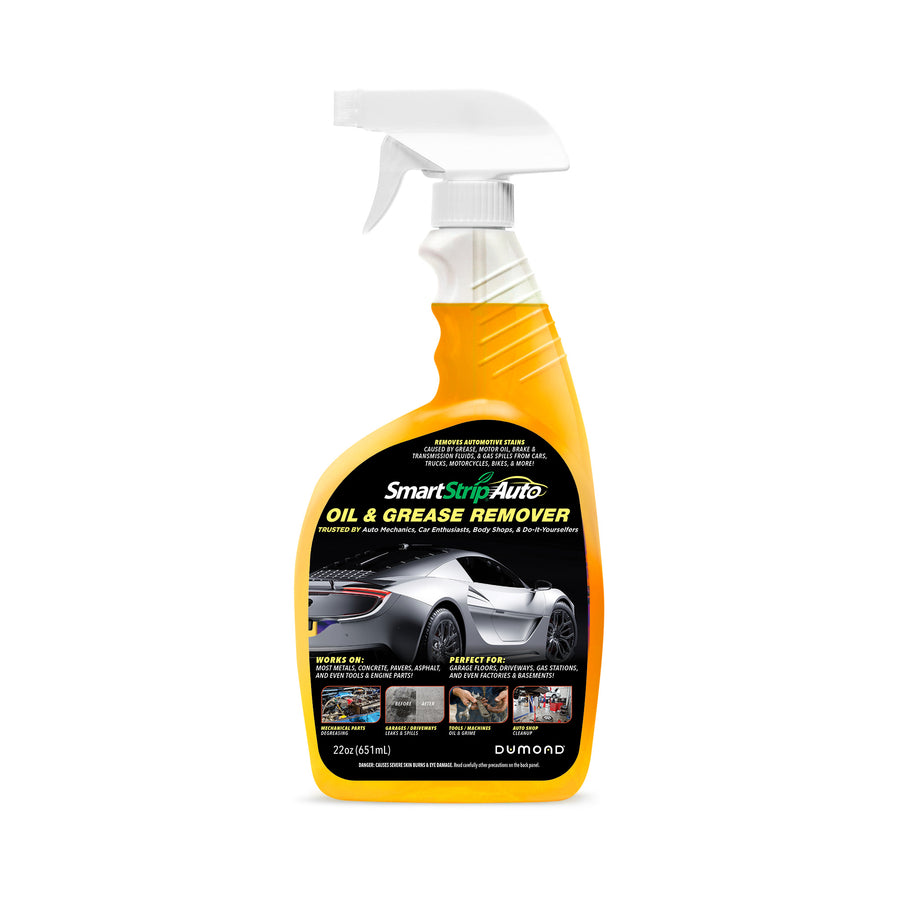
Credit: dumondglobal.com
Common Mistakes To Avoid
Removing oil and grease from car parts requires care and attention. Mistakes can make cleaning harder or damage parts. Avoiding common errors saves time and keeps parts safe.
Many people rush or use the wrong products. This leads to poor results and frustration. Learning what to avoid helps achieve a clean, grease-free surface efficiently.
Using Harsh Chemicals That Damage Parts
Strong solvents may remove grease fast but harm plastic and rubber. Avoid acetone on sensitive materials. Choose degreasers labeled safe for all car parts.
Ignoring Safety Precautions
Some cleaners are flammable or toxic. Wear gloves and work in a ventilated area. Keep chemicals away from sparks or open flames.
Applying Degreaser Without Letting It Sit
Spray degreaser then immediately rinse. This reduces cleaning power. Let the product sit for a few minutes before scrubbing or washing.
Using High-pressure Water Too Close
Pressure washers can force water into electrical parts. Keep a safe distance and avoid spraying sensitive areas directly. Use low pressure when possible.
Not Removing Loose Dirt Before Degreasing
Cleaning thick dirt or dust first prevents grime from spreading. Brush or wipe off debris before applying degreaser for better results.
Skipping Drying After Cleaning
Water left on parts causes rust and corrosion. Dry parts thoroughly with a clean cloth or air compressor after washing.
Tips For Maintaining Clean Parts
Keeping car parts free from oil and grease extends their life and improves performance. Clean parts work better and prevent damage. Regular maintenance helps avoid buildup that can cause problems later.
Simple habits can keep your parts clean and functioning well. Use the right tools and cleaners for the job. Avoid harsh chemicals that might harm the parts.
Use Proper Cleaning Agents
Choose cleaners made for automotive parts. Dish soap can remove light grease. For tough grease, use a degreaser. Always follow product instructions carefully. Avoid harsh solvents that damage rubber or plastic.
Clean Parts Regularly
Set a schedule to clean parts often. Frequent cleaning stops grease buildup. It also makes the job easier each time. Don’t wait for heavy grime to form. Regular washing keeps parts visible for inspection.
Protect Electrical Components
Keep water and chemicals away from wiring. Cover sensitive parts before cleaning. Use low-pressure water sprays. Avoid soaking electrical areas. Dry parts thoroughly to prevent rust or shorts.
Dry Parts Completely
After washing, wipe parts dry with a clean cloth. Use compressed air to remove water from tight spots. Moisture can cause rust and corrosion. Dry parts faster to prevent damage.
Wear Protective Gear
Use gloves and eye protection when cleaning. Chemicals can irritate skin and eyes. Work in a well-ventilated area. Keep cleaners out of reach of children and pets.
Credit: www.ebay.com
Frequently Asked Questions
How Do You Get Oil Out Of Car Parts?
Spray a degreaser on oily car parts and let it sit for a few minutes. Scrub with a brush, then rinse with water or a pressure washer. Avoid direct contact with electrical components. Repeat if necessary for thorough cleaning.
What Dissolves Heavy Grease And Oil?
Acetone and commercial degreasers effectively dissolve heavy grease and oil. Dish soap and hot water also help remove grease from surfaces.
Does Wd-40 Remove Grease And Oil?
WD-40 can loosen and remove light grease and oil but is not a heavy-duty degreaser. Use specialized cleaners for tough grease.
How To Get Oil And Grease Off Metal?
Use a degreaser or dish soap to scrub metal surfaces. Rinse with warm water and dry thoroughly. Repeat if needed.
Conclusion
Cleaning oil and grease from car parts is easier with the right steps. Use suitable cleaners and gentle scrubbing to avoid damage. Always protect sensitive parts and wear gloves for safety. Regular cleaning keeps your car parts working well and looking good.
Taking time to clean properly saves money and effort later. Keep these tips in mind for a cleaner, better-performing vehicle.