You’ve just washed your car, but those annoying water spots keep ruining its shiny finish. They’re stubborn, unsightly, and can make your car look neglected—even if you take great care of it.
But don’t worry, removing water spots doesn’t have to be a headache. In this guide, you’ll discover simple, effective ways to get rid of those spots and bring back your car’s smooth, spotless shine. Keep reading, and you’ll learn easy tips that anyone can follow to protect your car’s paint and keep it looking its best.
Causes Of Water Spots
Water spots on cars form when water droplets dry and leave marks behind. These marks can look like stains or spots on the paint. Understanding what causes water spots helps prevent and remove them effectively. The main causes include minerals in water, hard water effects, and environmental factors.
Mineral Deposits
Water contains minerals like calcium and magnesium. When water dries on your car, these minerals stay on the surface. They form white or cloudy spots that can be hard to remove. Over time, mineral deposits can build up and damage the car’s paint.
Hard Water Effects
Hard water has a high concentration of minerals. It leaves stronger spots than soft water. Hard water spots often look like rings or patches on your car. These spots can etch into the paint if not cleaned quickly. Using hard water for washing your car can increase the chance of water spots.
Environmental Factors
Dust, pollen, and pollution mix with water on your car. This mix can make water spots worse. Sunlight can also dry water spots fast, making them harder to remove. Parking your car under trees or near construction can increase these risks.
Types Of Water Spots
Water spots on your car can vary in type and severity. Knowing the kind of water spot helps choose the right removal method. Some spots sit on the surface, while others damage the paint. Understanding these differences saves time and effort in cleaning.
Topical Spots
Topical spots are the easiest to remove. They form when water evaporates and leaves mineral residue on the paint. These spots appear as light white or cloudy marks. Usually, washing and wiping with a microfiber cloth removes them. They do not cause permanent damage if cleaned quickly.
Etched Spots
Etched spots are more serious. Minerals in water eat into the clear coat and paint. These spots look like small pits or dull patches on the surface. Simple washing won’t remove them. Polishing or professional treatment is often needed. Etched spots can worsen if ignored over time.
Hard Water Spots
Hard water spots come from water high in minerals like calcium and magnesium. They leave stubborn, white marks on the car’s surface. These spots may feel rough or textured. Vinegar or special water spot removers help dissolve the minerals. Immediate rinsing after cleaning prevents new spots.
Basic Removal Tools
Removing water spots from your car starts with the right tools. Basic removal tools help clean spots effectively without harming the paint. These tools are easy to find and use at home. Using the correct materials prevents damage and saves time. Here are the most common and useful options to have on hand.
Microfiber Towels
Microfiber towels are soft and gentle on car paint. They absorb water and dirt without scratching the surface. Use them to wipe away water spots after applying a cleaning solution. Always use clean, dry towels for best results. Avoid rough cloths that can cause tiny scratches.
Vinegar Solutions
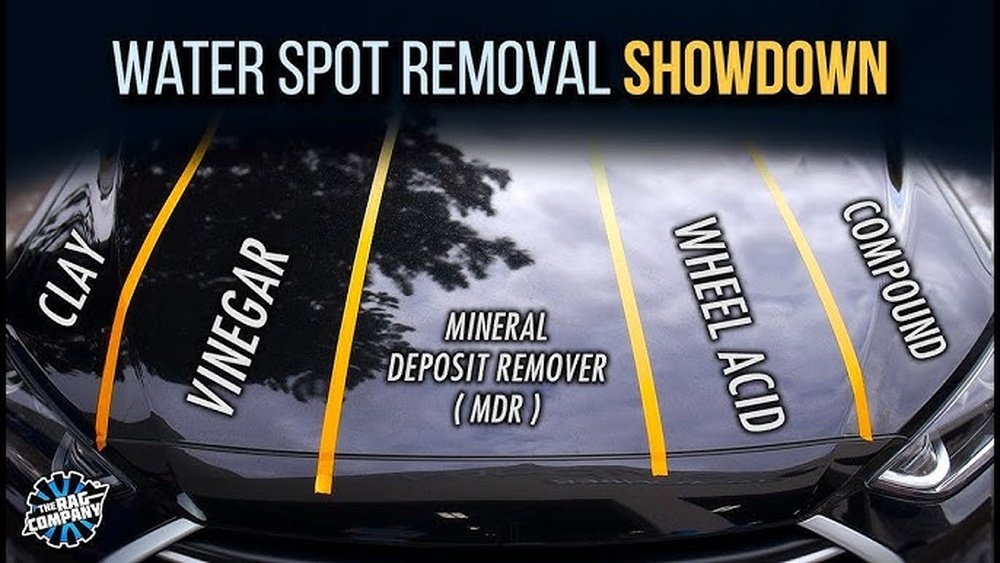
White vinegar diluted with water works well to break down mineral deposits. Mix one part vinegar with one part water in a spray bottle. Spray the solution on water spots and let it sit for a minute. Then, wipe gently with a microfiber towel. Test on a small area first to avoid damage to your paint.
Commercial Cleaners
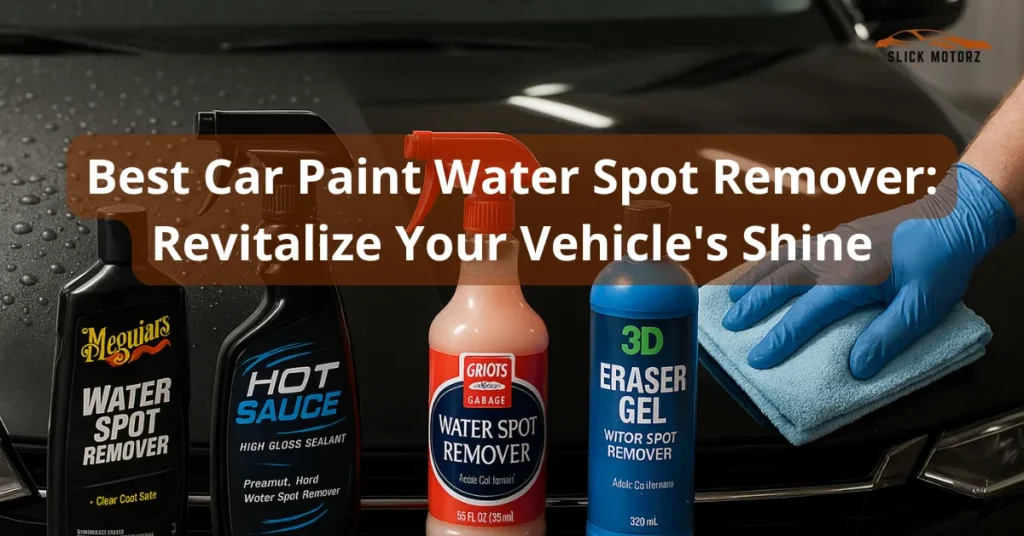
Commercial water spot removers are designed to target tough stains. Choose products made specifically for car paint. Follow the instructions carefully for safe use. These cleaners often work faster than home solutions. Use with a microfiber towel to wipe off the spots thoroughly.
Credit: www.championautoglass.com.au
Quick Diy Removal Methods
Removing water spots from your car does not require expensive products or professional help. Simple items found at home can quickly tackle these stubborn marks. These quick DIY methods save time and keep your car shining between washes.
Vinegar And Water Mix
Mix equal parts of white vinegar and water in a spray bottle. Spray the solution on the water spots and let it sit for 30 seconds. Use a soft microfiber cloth to gently wipe the area. Rinse with clean water and dry with a towel. Vinegar breaks down mineral deposits without harsh chemicals.
Dish Soap Combinations
Combine a few drops of mild dish soap with warm water in a bucket. Dip a clean cloth or sponge into the soapy water. Rub the water spots gently to lift the residue. Rinse the area thoroughly with plain water. Dry with a soft towel to avoid new spots forming. Dish soap cuts through grime and light mineral buildup effectively.
Using Clay Bars
Clay bars remove contaminants that washing misses. Spray a clay lubricant or soapy water on the spotted area. Rub the clay bar slowly over the surface in straight lines. The clay pulls out tiny particles and water spots. Wipe the area clean with a microfiber cloth. Finish by applying wax to protect the paint.
Dealing With Stubborn Spots
Stubborn water spots can ruin your car’s shine. These spots often form from hard minerals left behind after water evaporates. Simple washing may not remove them. You need stronger, yet safe, methods to clear these marks without harming your paint.
Try gentle options first, then move to more intensive treatments. Each method targets different spot severity and paint conditions. Careful polishing can restore your car’s smooth, glossy finish.
Light Polishing
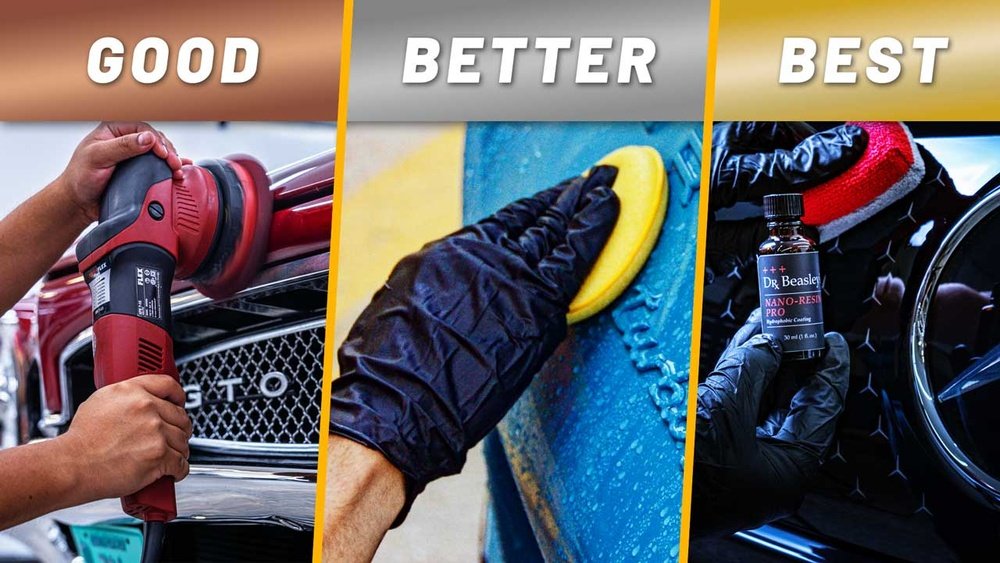
Light polishing works well for mild water spots. Use a soft cloth and a small amount of polish. Rub gently in circular motions over the spots. This removes the thin mineral layer without damaging the paint. Repeat if needed, but avoid heavy pressure.
All-in-one Polishes
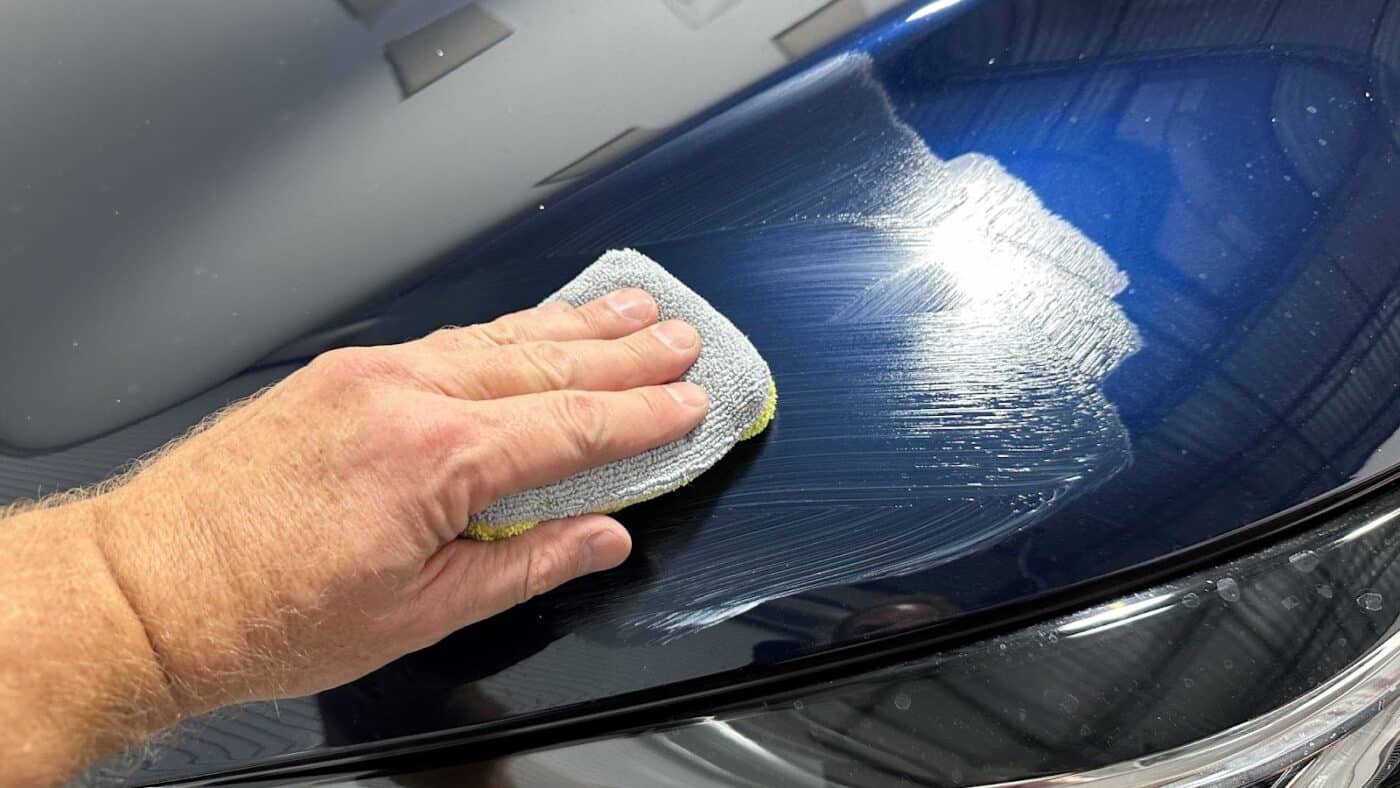
All-in-one polishes combine cleaning and polishing agents. They can remove moderate water spots and restore shine. Apply with a foam applicator or microfiber pad. Work on a small area at a time. Wipe off residue with a clean towel. These products save time and effort.
Machine Polisher Use
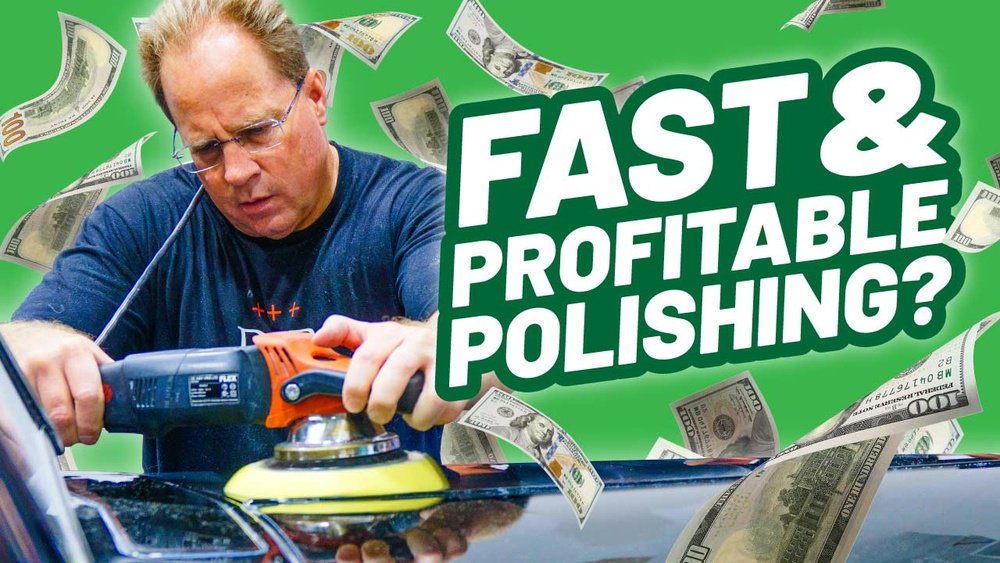
A machine polisher suits tough, etched water spots. It uses a spinning pad to polish deeper layers. Start with a low speed and gentle pad. Move the machine steadily over spots to avoid damage. Always test on a hidden spot first. Use quality polishing compounds designed for cars.
Credit: www.drbeasleys.com
Glass Surface Water Spots
Water spots on your car’s glass surfaces can be stubborn and unsightly. These spots form when mineral-rich water dries, leaving behind tough deposits. Removing them restores clear visibility and enhances your car’s appearance. Use the right methods to avoid damaging the glass or surrounding areas.
Hydrochloric Acid Application
Hydrochloric acid can dissolve mineral deposits effectively. Use a very diluted solution for safety. Apply it gently with a soft cloth or makeup remover pad. Let it sit for a few seconds to break down the spots. Wipe away carefully with a clean microfiber towel. Rinse the glass thoroughly with water after treatment. Avoid letting the acid touch paint or rubber parts.
Safety Tips
Always wear gloves and eye protection when handling acids. Work in a well-ventilated area to avoid inhaling fumes. Keep children and pets away from the work zone. Test the acid solution on a small, hidden part first. Have plenty of water nearby for rinsing and emergencies. Never mix hydrochloric acid with other chemicals.
Alternatives To Acid
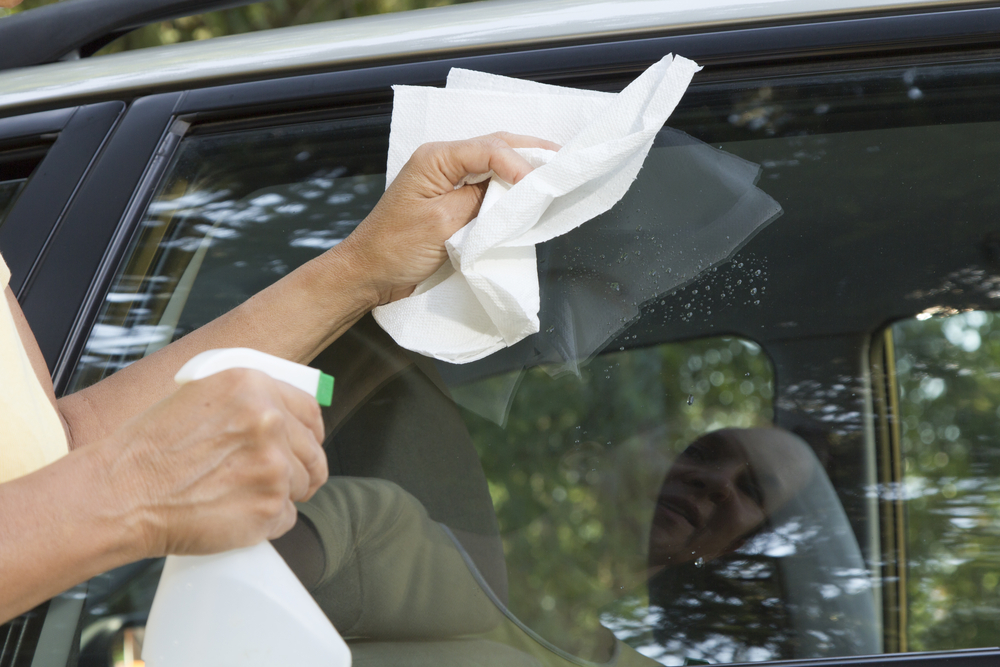
Vinegar is a mild acid that can remove water spots gently. Mix equal parts of vinegar and water in a spray bottle. Spray onto the glass and let it sit for a few minutes. Wipe with a soft cloth and rinse well. Commercial water spot removers are also available. Baking soda paste can scrub spots without harsh chemicals. Choose methods based on spot severity and surface sensitivity.
Preventing Future Water Spots
Preventing future water spots on your car is key to keeping its paint smooth and shiny. Water spots happen when minerals in water dry on the surface and leave marks. Taking simple steps can protect your car and save you time cleaning later. Focus on protecting the paint and drying the car properly. Regular care keeps your car looking its best.
Applying Sealants And Waxes
Sealants and waxes create a protective layer on your car’s paint. This layer stops minerals from sticking and makes water bead off easily. Apply a good-quality sealant or wax after washing. This adds shine and guards against water spots. Reapply every few months for best results. Choose products made for your car’s paint type.
Proper Drying Techniques
Dry your car fully after washing or rain. Use a clean microfiber towel or a soft chamois. Avoid air drying, which lets water evaporate and leave spots. Pat or gently wipe the surface instead of rubbing hard. Dry all areas, including windows and mirrors. Quick drying reduces the chance of water spots forming.
Regular Maintenance
Wash your car regularly to remove dirt and minerals. Frequent cleaning stops buildup that causes water spots. Check your car for spots after rain or washing. Remove any spots right away with a gentle cleaner. Keep a spray bottle with water and a microfiber cloth in your car for touch-ups. Consistent care keeps your car spotless longer.
Important Considerations
Removing water spots from your car requires care and attention. These spots can harm your car’s paint if treated incorrectly. Understanding key points helps protect your vehicle during cleaning. Follow these important considerations to keep your car’s finish safe and clean.
Avoiding Paint Damage
Water spots may contain minerals that can etch your car’s paint. Use gentle cleaning products made for cars. Avoid harsh chemicals or abrasive tools that scratch the surface. Wash the car in shade to prevent quick drying and watermarks. Rinse thoroughly to remove all cleaning agents after treatment.
Testing Products First
Always test any cleaner on a small, hidden area first. This helps check for adverse reactions like discoloration or damage. Use a soft cloth to apply a small amount of product. Wait a few minutes, then wipe and inspect the area. If no harm appears, continue with the full cleaning.
Dealing With Streaking
Streaks can happen if residue remains after cleaning. Use clean microfiber towels to dry and buff the surface. Wipe gently in circular motions for an even finish. Avoid cleaning in direct sunlight, which causes faster drying and streaks. Reapply cleaner in small amounts to prevent buildup.

Credit: bigsmobile.com
Conclusion
Water spots can dull your car’s shine and paint. Removing them quickly keeps your car looking fresh. Use gentle cleaners like diluted vinegar or specialized products. Always test cleaners on small areas first. Wipe spots carefully with a soft microfiber cloth.
Avoid harsh scrubbing to protect the paint surface. Regular washing helps prevent water spots from forming. Keep your car dry after washing or rain. Clear water spots improve your car’s appearance and value. Simple care routines make a big difference over time.
Your car will thank you with a smooth, clean finish.