If you’re planning to store your car battery for a while, you need to know the right way to keep it safe and ready to go. Leaving a battery unused without proper care can drain its power or even cause damage.
You don’t want to face a dead battery the moment you need your car again. In this guide, you’ll discover simple but effective steps to store your car battery properly. Follow these tips, and you’ll keep your battery alive, extend its life, and save yourself from unexpected hassles.
Keep reading to learn how to protect your investment and ensure your car starts smoothly every time.
Credit: www.batteriessunshinecoast.com.au
Battery Life Factors
Battery life depends on several key factors. Understanding these helps preserve your car battery during storage. Proper care extends battery health and prevents unexpected failures. Below are the main influences on battery life.
Battery Age Impact
Older batteries lose charge more quickly than new ones. Over time, chemical reactions inside reduce their ability to hold power. A battery past its prime may fail even if fully charged. Check the manufacturing date before storing a battery for long periods.
Parasitic Power Drain
Modern cars have electronics that draw small power amounts constantly. Alarms, clocks, and computers cause this drain, even when the car is off. This slow drain can empty a battery if left disconnected. Use a battery maintainer or disconnect the battery to avoid drain.
Temperature Effects
Extreme temperatures harm battery performance and lifespan. Heat speeds up chemical reactions, causing faster self-discharge. Cold reduces battery capacity and slows recharge. Store batteries in cool, dry places away from sunlight to maintain charge longer.

Credit: knowhow.napaonline.com
Storage Duration Insights
Understanding how long a car battery can stay stored helps keep it healthy and ready. Storage duration impacts battery life and performance. Proper care prevents damage and extends usability. Different storage times need different approaches.
Shelf Life For Disconnected Batteries
A disconnected car battery can last several months without use. Typically, 3 to 6 months is safe on a shelf. After this, the battery slowly loses charge. Self-discharge happens even when not connected.
Cold temperatures slow down discharge but do not stop it. Warm conditions make batteries lose charge faster. Checking the battery monthly is a good practice. Using a charger or maintainer helps keep the battery healthy.
Short-term Storage Tips
For storage under three months, keep the battery in a cool, dry place. Avoid direct sunlight and damp areas. Clean the terminals to prevent corrosion before storage. Store the battery upright to prevent acid leaks.
Disconnect the battery from the car to stop power loss. If possible, use a trickle charger to maintain charge. This keeps the battery ready for quick use. Regularly inspect for any signs of damage or leakage.
Long-term Storage Strategies
Long-term storage requires more care to protect the battery. Use a smart battery maintainer to keep it charged. Store in a ventilated area to avoid gas buildup. Temperatures between 32°F and 77°F (0°C to 25°C) are ideal.
Before storage, fully charge the battery to prevent deep discharge. Every 30 to 60 days, check the battery voltage. Recharge if it drops below 12.4 volts. Avoid freezing temperatures to prevent damage to battery cells.
Ideal Storage Conditions
Storing a car battery properly extends its life and keeps it ready for use. Ideal storage conditions protect the battery from damage and performance loss. The storage area must be stable and safe to maintain battery health.
Cool And Dry Environment
Store the battery in a place with a temperature between 50°F and 70°F. Cooler temperatures slow down the battery’s self-discharge rate. Avoid freezing cold or very hot areas as they can harm the battery. A dry environment prevents corrosion on battery terminals and connections.
Avoiding Moisture And Heat
Moisture causes rust and damages the battery casing. Keep the battery away from damp floors and leaks. Heat speeds up chemical reactions inside the battery, reducing its lifespan. Do not place the battery in direct sunlight or near heat sources like heaters or engines.
Ensuring Proper Ventilation
Batteries can emit small amounts of gases, especially lead-acid types. A well-ventilated area prevents gas buildup, reducing the risk of explosion. Good airflow also helps keep the battery cool. Avoid sealed containers or tight spaces without air circulation.
Battery Maintenance Tools
Proper battery maintenance tools keep your car battery healthy during storage. These tools help prevent battery drain and damage. Using the right equipment can extend battery life. They maintain the right charge and avoid deep discharge. Learn about common tools for battery care.
Using Battery Maintainers
Battery maintainers keep the battery charged at a safe level. They provide a low, steady charge without overcharging. This stops the battery from dying during long storage. Maintainers connect easily and work automatically. They are ideal for seasonal vehicles or long storage times.
Benefits Of Trickle Chargers
Trickle chargers supply a small, constant current to the battery. They help keep the battery near full charge. This avoids sulfation, which reduces battery life. Trickle chargers are simple and affordable tools. They prevent the battery from losing power slowly over time.
Monitoring Charge Levels
Regularly checking your battery’s charge helps prevent surprises. Use a voltmeter or multimeter to measure voltage levels. Healthy car batteries usually read around 12.6 volts when fully charged. If voltage drops below 12.4 volts, recharge the battery. Monitoring charge avoids deep discharge and damage.
Safe Handling Practices
Handling a car battery safely is crucial before storing it. Batteries contain acid and can emit gases that harm health and damage property. Always follow safe handling rules to protect yourself and the battery.
Wear gloves and safety glasses during all steps. Avoid sparks or open flames near the battery. Work in a well-ventilated area to reduce gas buildup. These simple precautions prevent accidents and keep you safe.
Disconnecting Battery Terminals
Start by turning off the car engine. Use a wrench to loosen the negative terminal first. This reduces the risk of short circuits. Then, remove the positive terminal. Keep cables away from the battery to avoid contact.
Removing Batteries For Storage
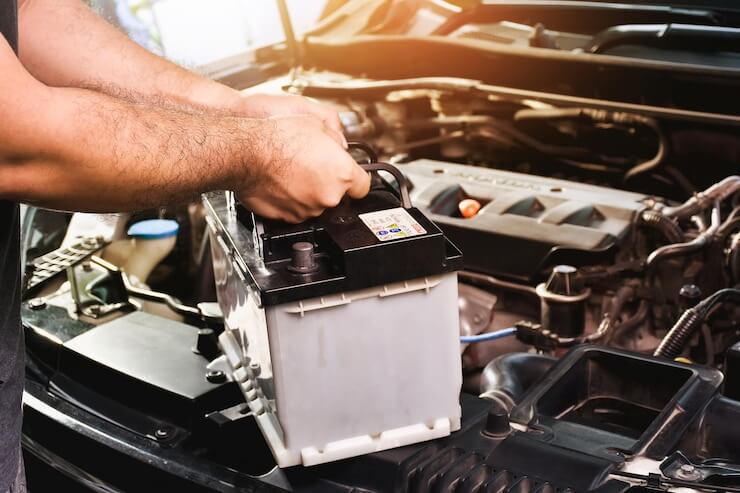
Lift the battery carefully using both hands. Batteries can be heavy and contain acid. Place the battery on a sturdy, non-metal surface. Clean terminals with a mixture of baking soda and water. Dry the battery completely before storing.
Indoor Vs Outdoor Storage
Indoor storage protects batteries from extreme weather. Store in a cool, dry place away from direct sunlight. Avoid basements that may be damp. Outdoor storage is less ideal but possible if covered and elevated. Keep the battery away from rain and dirt.
Reviving Dead Batteries
Dead car batteries can often be brought back to life with the right steps. Reviving a battery saves time and money. It also keeps your car ready to go without delay. Understanding the signs of battery failure is key. Knowing how to jump-start the battery safely helps avoid damage. Sometimes, the battery is beyond repair and needs replacement. This section explains these points clearly.
Signs Of Battery Failure
Slow engine crank is a common sign of a weak battery. The dashboard lights may dim or flicker. You may notice a rotten egg smell near the battery. Corrosion around battery terminals shows poor health. The battery warning light on the dashboard might turn on. Difficulty starting the car on cold mornings also indicates trouble.
Jump-starting Methods
Use jumper cables and another car with a good battery. Connect the positive cable to the dead battery’s positive terminal first. Then connect the other end to the good battery’s positive terminal. Connect the negative cable to the good battery’s negative terminal. Connect the other end to a metal part of the dead car’s engine. Start the good car and let it run for a few minutes. Then try starting the dead car. Remove cables in reverse order after the dead car starts.
When To Replace Battery
Replace the battery if it won’t hold a charge after multiple jump-starts. If the battery is more than three to five years old, consider replacement. Severe corrosion or leaks mean the battery is unsafe. Swollen or cracked battery cases indicate internal damage. If the car frequently stalls or electronics act up, the battery may fail soon. Always test battery health at a shop if unsure.
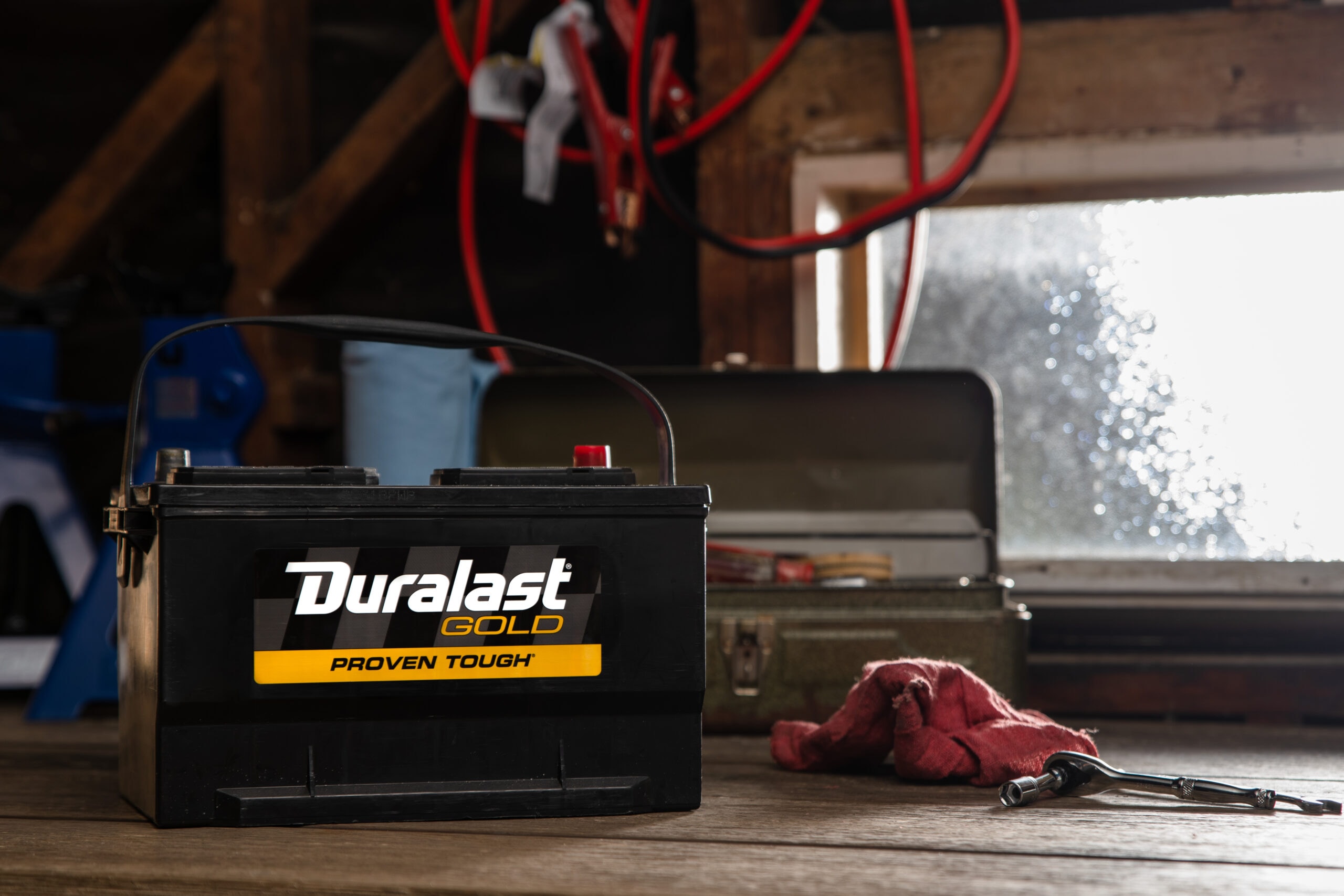
Credit: www.autozone.com
Frequently Asked Questions
How Should You Store A Car Battery When Not In Use?
Store a car battery in a cool, dry, and well-ventilated place. Keep it away from moisture and direct sunlight. Disconnect the negative terminal. Use a battery maintainer or trickle charger to keep it charged during long storage. Check and clean terminals regularly.
Is It Safe To Store Car Batteries In The House?
Storing car batteries indoors can be safe if kept in a cool, dry, and well-ventilated area. Avoid heat, moisture, and direct sunlight. Ensure proper ventilation to prevent gas buildup. Always place batteries on a non-conductive surface away from flammable materials for safety.
How Long Can A Car Battery Sit Unused?
A car battery can sit unused for 2 to 4 weeks before losing charge. Use a battery maintainer to extend storage time. Disconnect the negative terminal and store the battery in a cool, dry place to prevent damage.
How To Preserve The Battery Of A Car That You Don’t Use?
Disconnect the negative terminal and store the battery in a cool, dry place. Use a battery maintainer or trickle charger to keep it charged. Avoid moisture, direct sunlight, and extreme temperatures. Regularly check the battery to prevent discharge and corrosion.
Conclusion
Properly storing your car battery helps keep it healthy and ready to use. Always place it in a cool, dry spot away from direct sunlight. Use a battery maintainer to keep the charge steady during long storage. Disconnect the battery from the car to avoid power drain.
Check the battery regularly to catch any issues early. Taking these simple steps prevents damage and extends battery life. Safe storage means your car will start smoothly when you need it.