Is your car battery dying overnight without any obvious reason? You might be dealing with a parasitic draw—a hidden electrical drain that slowly saps your battery’s power when your vehicle is off.
Knowing how to test parasitic draw can save you time, money, and frustration by pinpointing the exact cause before it leaves you stranded. In this guide, you’ll learn simple, step-by-step methods using just a multimeter and basic tools to find and fix these sneaky battery drains.
Ready to take control of your car’s electrical health? Let’s dive in and get your battery back to full strength.
Credit: www.cdxlearning.com
Parasitic Draw Basics
Identifying the faulty circuit is a key step in testing parasitic draw. It helps locate which electrical system causes the battery to drain. This process saves time and money on repairs. You need a systematic approach to find the problem quickly.
The main goal is to isolate the circuit that draws extra current when the car is off. This involves checking each fuse and watching the current draw change. Careful observation and patience are essential during this step.
Pulling Fuses One By One
Start with the car completely off and the multimeter connected. Pull one fuse from the fuse box slowly. Watch the multimeter for any change in current draw. If the draw drops, that fuse controls the faulty circuit.
Put the fuse back and move to the next one. Test all fuses in each fuse box. Some cars have multiple fuse boxes in different locations. Be thorough to avoid missing the faulty circuit.
Noting Changes In Draw
Note the multimeter reading before and after pulling each fuse. Write down any fuse that causes a drop in current. This helps narrow down the possible problem circuits. A significant drop means less battery drain from that circuit.
Small changes might be normal for some circuits. Focus on large drops to identify the main issue. This step guides you to the exact system or component causing the parasitic draw.
Tools You’ll Need
Accurate testing is key to finding parasitic draw issues in your vehicle. Small mistakes can lead to wrong results. Follow these tips to get a clear and true reading of your car’s battery drain. Proper preparation and patience improve your testing accuracy.
Waiting For Sleep Mode
Cars need time to enter sleep mode after turning off. Electronic systems stay active for several minutes. Wait at least 15 to 30 minutes before testing. This ensures all modules shut down completely. Testing too soon shows higher current draw and false results.
Keep all doors, trunk, and hood closed during this wait. Interior lights and sensors turn off only in sleep mode. If you open doors or press buttons, the timer resets. Be patient for the most accurate test.
Avoiding False Readings
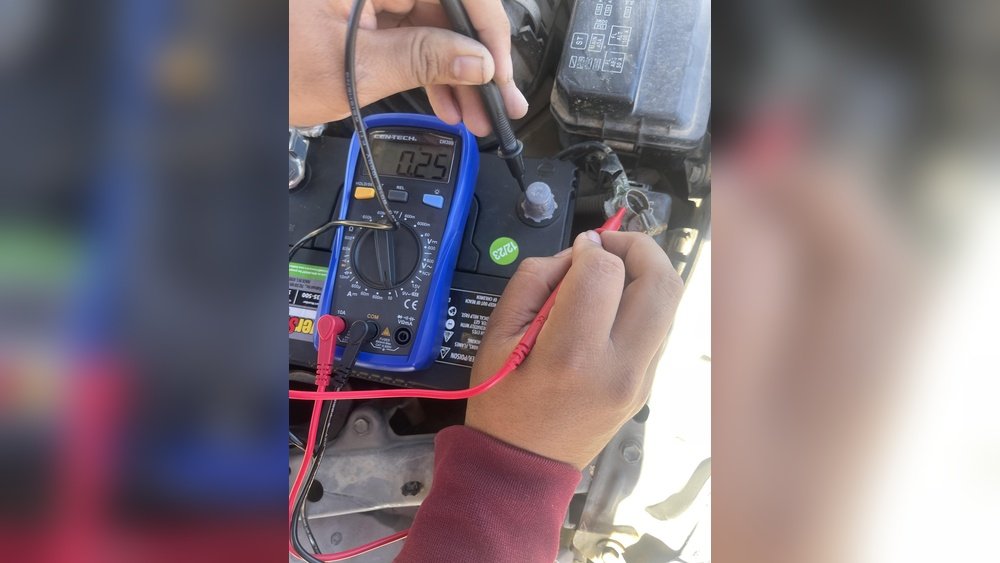
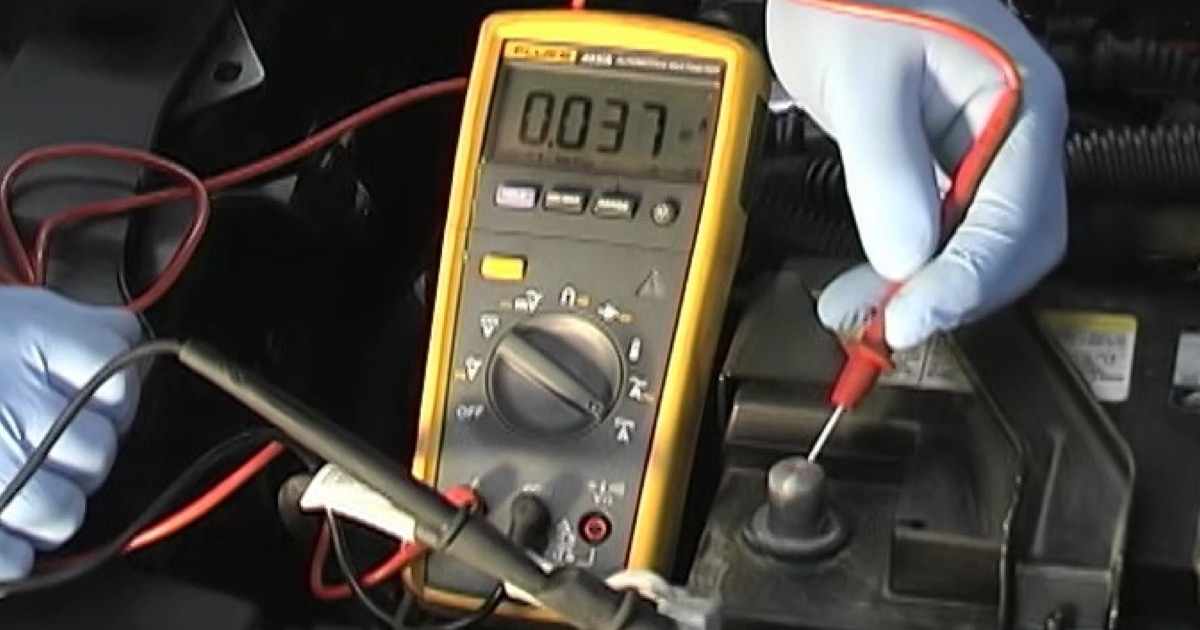
False readings happen if the multimeter is set wrong or connected incorrectly. Use the correct setting for DC amps, usually the 10A or mA range. Connect the meter in series between the battery negative terminal and cable. Never connect it directly across the battery terminals.
Ensure all accessories, lights, and ignition are off. Remove key fob from the car to stop remote signals. Check for any accessories that may draw power like alarms or aftermarket devices. Pull fuses one by one during testing to isolate the problem circuit.
Preparing Your Vehicle
Testing for parasitic draw can be straightforward for some car owners. Yet, certain situations require expert help. Knowing when to seek professional assistance saves time and prevents damage to your vehicle. This section highlights key signs that indicate the need for a mechanic’s expertise.
Complex Electrical Systems
Modern cars have complicated electrical systems. Multiple modules and sensors interact constantly. A simple parasitic draw test might not locate the problem. Professionals have advanced tools to diagnose complex circuits accurately.
Unusual Or Intermittent Battery Drain
Batteries that drain unpredictably can be tricky. The draw might occur only under specific conditions. Professionals can perform detailed tests over time. They identify hidden issues that standard tests may miss.
Lack Of Proper Tools Or Experience
Testing parasitic draw requires specific tools like a quality multimeter. Incorrect use can cause damage or false readings. Mechanics have the right equipment and training. They ensure accurate testing and safe handling.
Multiple Electrical Problems
Cars with several electrical faults need thorough inspection. A parasitic draw could be one of many issues. Professionals can address all problems together. This approach saves money and avoids repeated repairs.
After Failed Diy Attempts
DIY tests sometimes fail to fix the issue. Persistent battery drain after your efforts means a deeper problem. Experts can perform advanced diagnostics. They find and repair hard-to-detect faults efficiently.

Credit: www.youtube.com

Credit: www.carparts.com
Frequently Asked Questions
How Do You Test For Parasitic Draw With A Multimeter?
Turn off the vehicle and all accessories. Disconnect the negative battery cable. Set the multimeter to DC amps. Connect the meter in series between the battery negative post and cable. Read the current; a high reading indicates parasitic draw. Pull fuses one by one to find the faulty circuit.
How To Check If You Have A Parasitic Draw?
Turn off all vehicle electronics and close doors. Disconnect the negative battery cable. Connect a multimeter in series to measure current. A draw over 50 milliamps indicates a parasitic draw. Pull fuses one by one to identify the faulty circuit causing the drain.
How To Test For Parasitic Draw Without Disconnecting Battery?
Use a multimeter set to DC amps and connect it in series with the battery’s negative terminal. Keep the vehicle off and doors closed. Monitor the current draw without disconnecting the battery, then pull fuses one at a time to identify the circuit causing the parasitic draw.
Can Old Wiring Cause A Parasitic Draw?
Old wiring can cause parasitic draw by creating shorts or faulty connections that drain the battery when the vehicle is off.
Conclusion
Testing parasitic draw helps keep your car battery healthy. Use a multimeter to check current flow carefully. Make sure the vehicle is fully off before testing. Pull fuses one at a time to find the problem circuit. Fix or replace faulty parts in that circuit.
Regular checks prevent unexpected battery drain and car trouble. Stay patient and follow each step for accurate results. This simple test saves time and money on repairs.