Keeping your car interior clean is more than just about looks—it helps protect surfaces, keeps the air fresh, and maintains your car’s value. Many people reach for an all-purpose cleaner because it’s affordable and easy to find. But is it really safe for your car’s interior surfaces? The answer depends on the type of cleaner, your car’s materials, and how you use it.
Car interiors are made of different materials like leather, plastic, vinyl, fabric, and sometimes wood or metal details. Each of these needs a little different care. Using the wrong cleaner can lead to fading, cracking, sticky residue, or even strong chemical smells that stay for days.
In this article, you’ll learn what all-purpose cleaners really are, how they interact with common car interior materials, and how to clean safely. You’ll also see real-world examples, expert advice, and common mistakes to avoid.
What Is An All-purpose Cleaner?
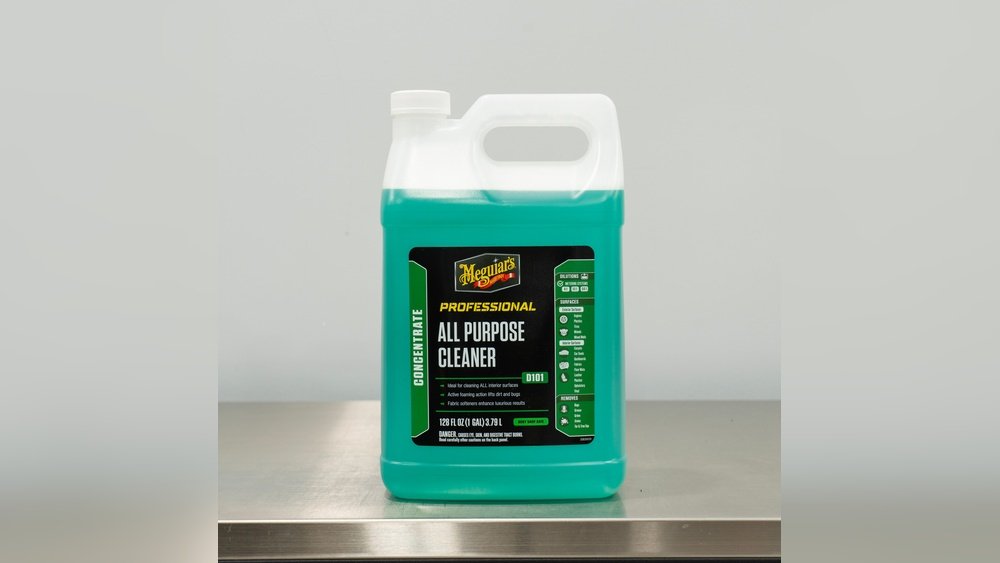
An all-purpose cleaner is a cleaning product made to remove dirt, grease, and stains from many surfaces. You’ll find them in homes, offices, and garages. They often come as sprays, liquids, or wipes.
Most all-purpose cleaners contain:
- Surfactants: Chemicals that lift dirt and oil
- Solvents: Help break up tough grease or sticky messes
- Fragrances: Add a fresh smell after cleaning
- PH agents: Balance acidity or alkalinity for better cleaning
They are designed for surfaces like countertops, floors, and sometimes bathrooms. But car interiors are different because of sensitive materials and enclosed spaces.
All-purpose Cleaner Vs. Dedicated Car Interior Products
Car interior cleaners are made for the unique materials inside cars. They’re usually gentler and have additives to protect surfaces from UV rays or drying out. All-purpose cleaners can be stronger, which is good for tough jobs at home, but not always safe for leather or touch screens in your car.
Here’s a side-by-side comparison:
| Feature | All-Purpose Cleaner | Car Interior Cleaner |
|---|---|---|
| Surface Compatibility | Many, but not all car materials | Specifically for car interiors |
| pH Level | Can be neutral or alkaline | Usually neutral |
| Additives | Few, mainly for cleaning | UV protection, conditioners |
| Fragrance | Often strong | Mild, less likely to linger |
Key insight: Many beginners think all-purpose means “safe for everything.” In truth, these cleaners are not always tested for car use. Always check the label for material compatibility.
Car Interior Materials And Their Needs
Your car’s interior is a mix of different materials, each with its own cleaning needs and risks.
Leather
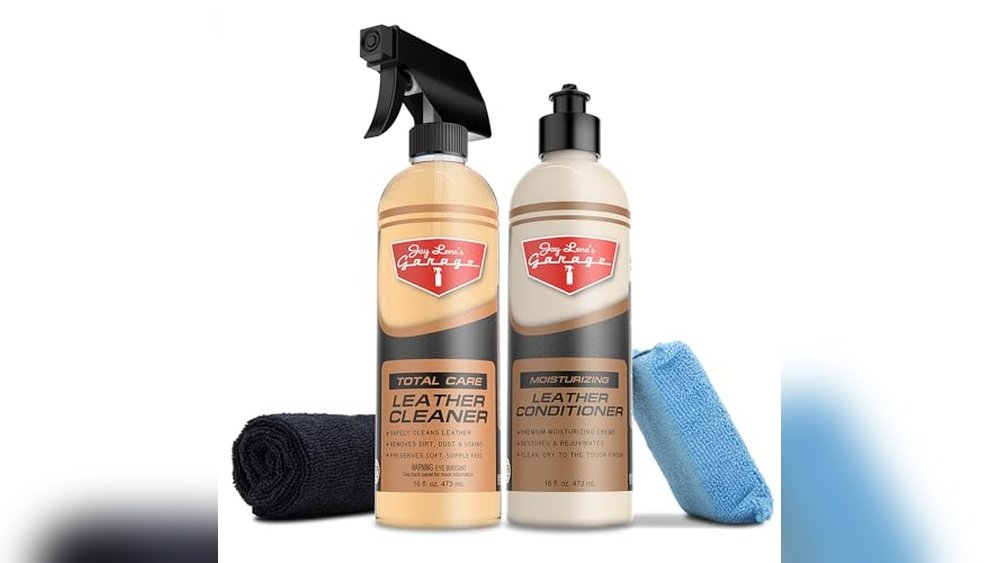
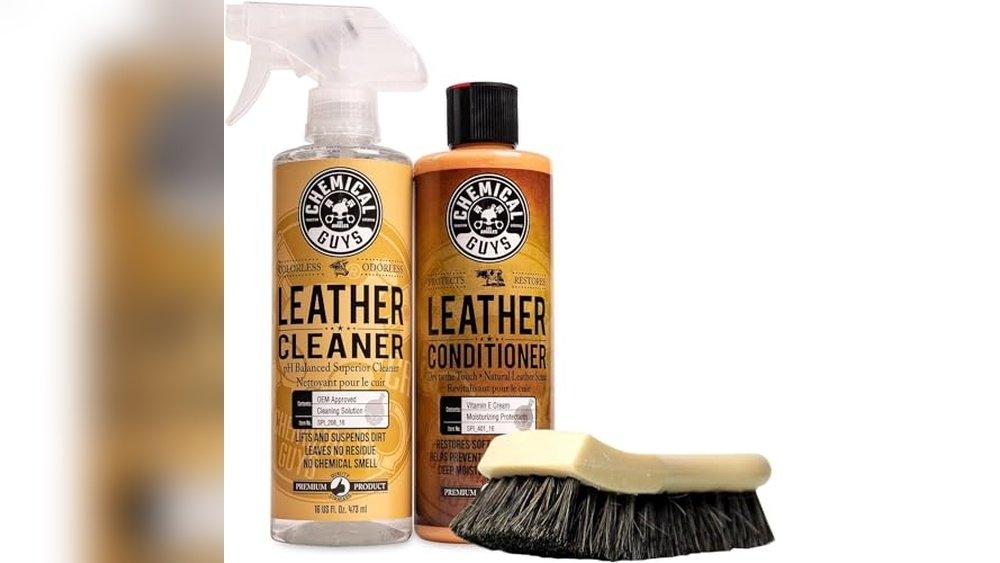
Leather seats and steering wheels look great, but they need gentle care. Harsh chemicals can remove natural oils, causing the leather to dry, crack, or fade. Even some “mild” all-purpose cleaners can be too strong.
Best practice: Use pH-neutral cleaners or products made for leather. Always follow with a conditioner.
Vinyl And Plastic
You’ll find vinyl on dashboards, door panels, and sometimes seats. Plastic is everywhere—knobs, buttons, trim. These materials are usually tough, but all-purpose cleaners with strong solvents can cause fading, sticky residue, or shine that attracts dust.
Tip: Test on a hidden area first. Avoid ammonia-based cleaners, which can damage plastic surfaces.
Fabric And Upholstery
Fabric seats and carpets handle gentle all-purpose cleaners, but soaking them can cause stains or mold. Strong cleaners can fade colors, especially with repeated use.
Non-obvious insight: Never spray cleaner directly on fabric. Apply it to a cloth first, then dab the surface.
Glass And Screens
Car windows and touch screens are sensitive. All-purpose cleaners may leave streaks or damage anti-glare coatings. Ammonia, found in some cleaners, can cause plastics to yellow or cloud.
Advice: Use a dedicated glass cleaner for windows and a gentle screen wipe for displays.
Wood And Metal Trim
Some cars have wood or metal details inside. These are usually coated, but strong cleaners can dull the finish or cause spotting.
Guidance: Use a damp cloth with mild soap. Buff dry right after cleaning.
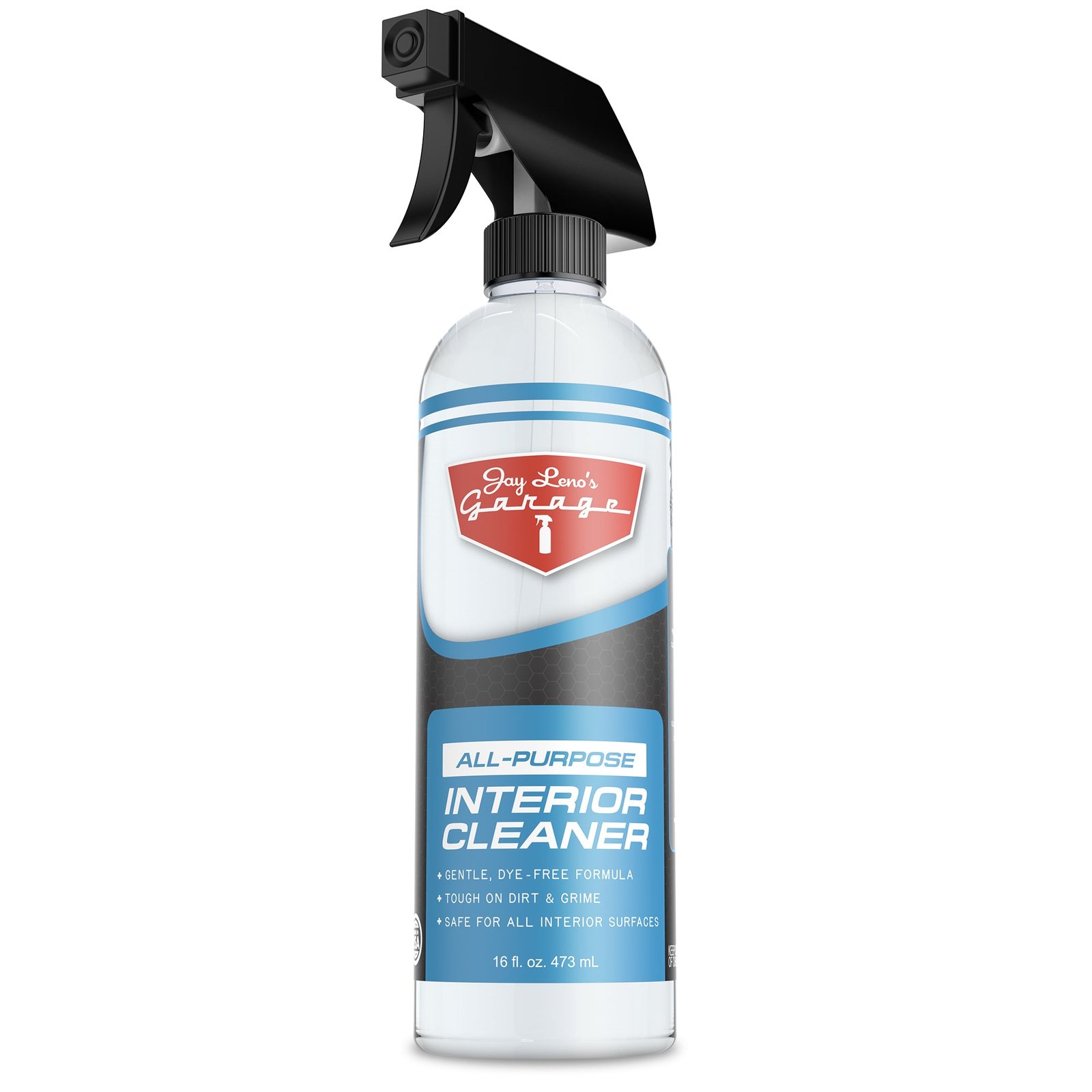
Credit: www.lenosgarage.com
How All-purpose Cleaner Interacts With Car Interior Materials
Each material reacts differently to all-purpose cleaners, depending on the chemical formula.
- Leather: Most all-purpose cleaners are too harsh. They strip oils, fade color, and may leave residue.
- Vinyl/Plastic: Mild cleaners may be okay, but always check for ammonia, which can degrade surfaces over time.
- Fabric: If diluted, some all-purpose cleaners are safe. Strong or undiluted formulas can bleach or stain.
- Glass: Most all-purpose cleaners leave streaks and may damage tints or coatings.
- Metal/Wood: Can cause spots or dullness if not wiped off quickly.
Here’s a quick compatibility reference:
| Surface | All-Purpose Cleaner Safe? | Notes |
|---|---|---|
| Leather | No | Use dedicated leather cleaner |
| Vinyl/Plastic | Sometimes | Test and avoid ammonia |
| Fabric | With dilution | Apply to cloth, not surface |
| Glass/Screens | No | Use glass/screen cleaner |
| Wood/Metal | No | Use mild soap and water |
Non-obvious tip: Even if a cleaner is “safe” for vinyl, it can still make surfaces slippery—dangerous for steering wheels or pedals.
Risks Of Using All-purpose Cleaner On Car Interiors
If you use the wrong cleaner, you may not notice damage right away. Problems often appear weeks or months later.
Fading And Discoloration
Strong cleaners can fade upholstery and cause dark colors to turn dull. Sunlight makes this worse by speeding up chemical reactions.
Cracking And Drying
Leather and vinyl lose moisture when cleaned with harsh chemicals, leading to cracks and stiff surfaces.
Sticky Or Greasy Residue
Some all-purpose cleaners leave behind a sticky film. This attracts dust and makes the surface look dirty again quickly.
Allergies And Smell
Fragrances and chemical residues can irritate skin, eyes, or breathing—especially in small, closed spaces like a car.
Damage To Electronics
Touch screens, sensors, and buttons can malfunction if liquid gets inside or if coatings are damaged by chemicals.
Warranty Issues
Using the wrong cleaner can void your car’s warranty for interior damage. Always check your car’s owner manual for recommended products.
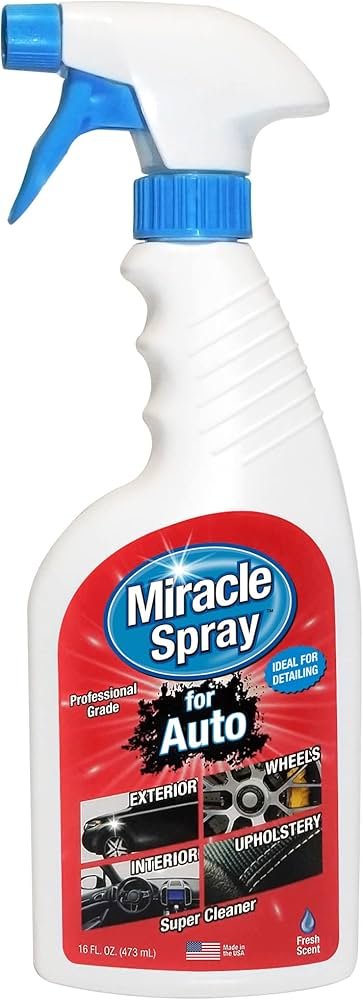
Credit: www.amazon.com
How To Clean Car Interiors Safely
If you want to use an all-purpose cleaner, or you have no other choice, follow these steps for safer cleaning.
Read The Label
Look for warnings about surfaces to avoid, dilution instructions, and ventilation needs. If the label says “not for use on leather, fabric, or electronics,” don’t use it inside your car.
Test First
Choose a small, hidden spot (like under a seat). Apply a little cleaner and wait for an hour. Check for changes in color, texture, or shine.
Dilute As Directed
If the bottle says “dilute with water,” follow the instructions exactly. More is not always better—strong solutions can do more harm than good.
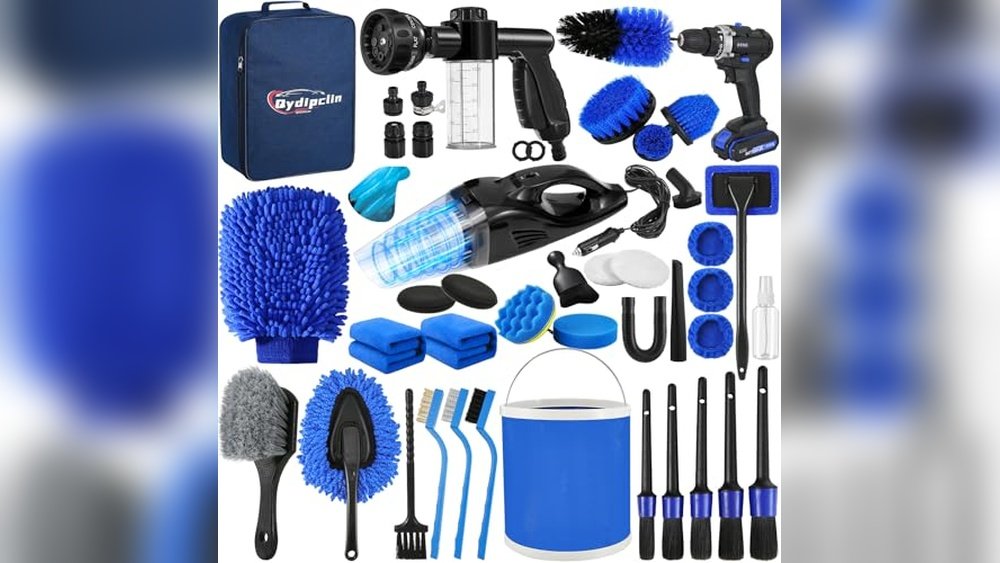
Use The Right Tools
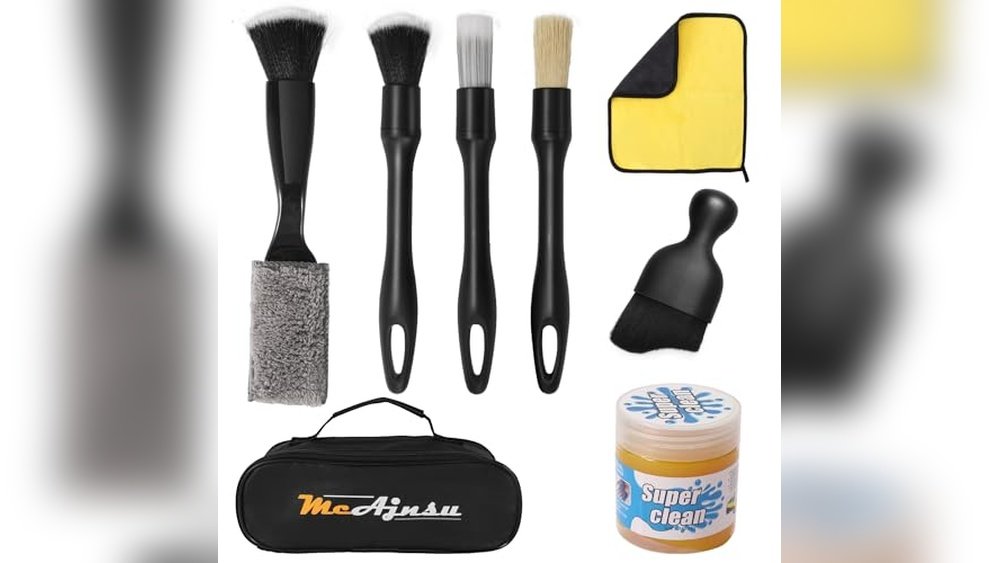
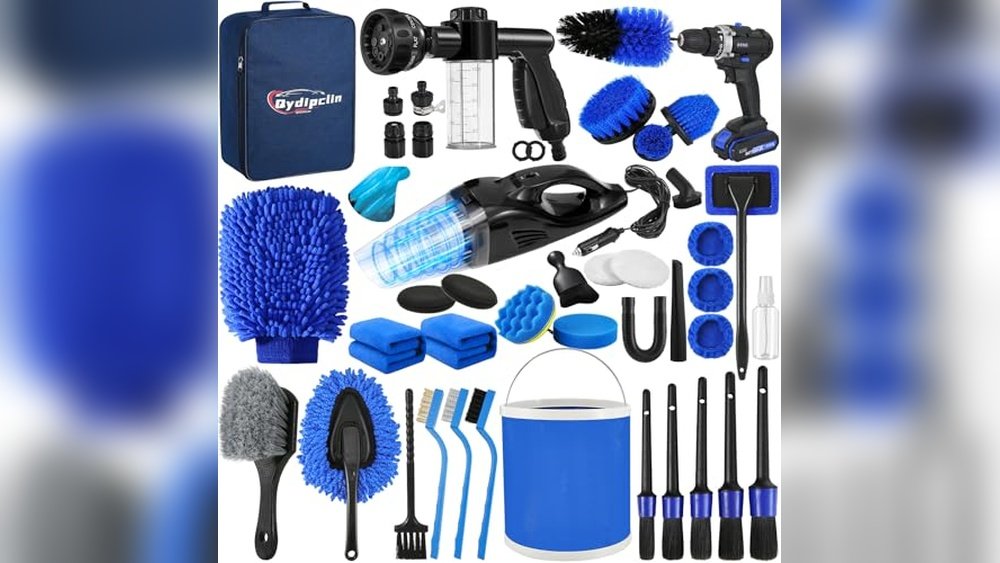
- Microfiber cloths: Gentle, don’t scratch surfaces
- Soft brushes: Good for fabric or small crevices
- Vacuum: Removes loose dirt before wet cleaning
Avoid paper towels (they can scratch screens) or rough sponges.
Clean One Surface At A Time
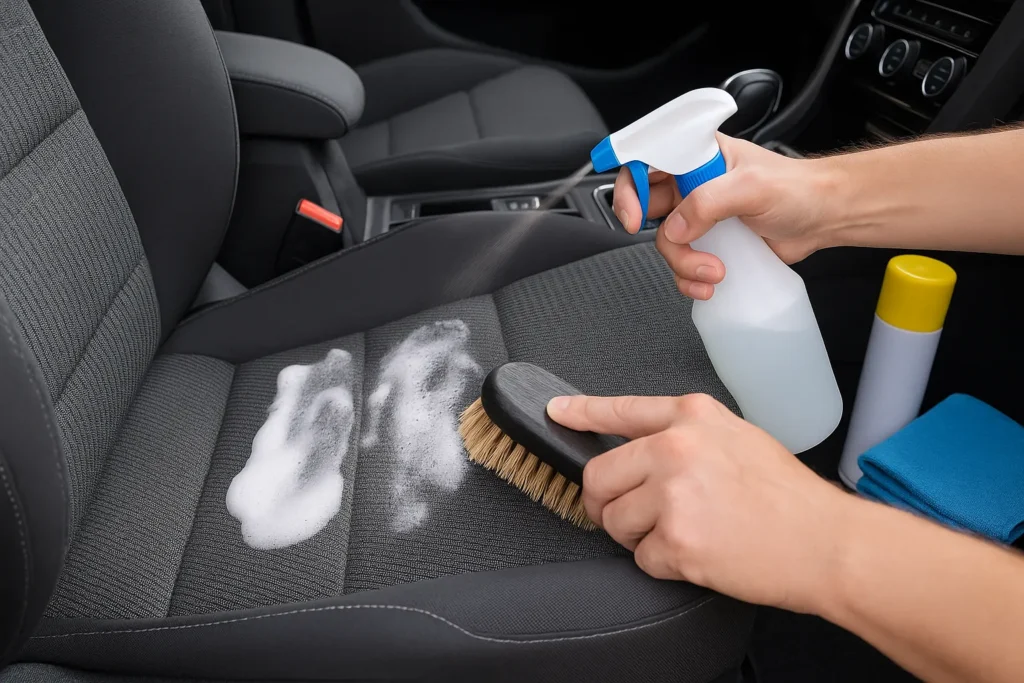
Spray the cleaner onto your cloth, not directly onto the car. Wipe gently. For tough spots, let the cleaner sit for a few seconds, then wipe again.
Dry Immediately
Use a clean, dry cloth to remove extra moisture. This prevents water spots and streaks.
Condition And Protect
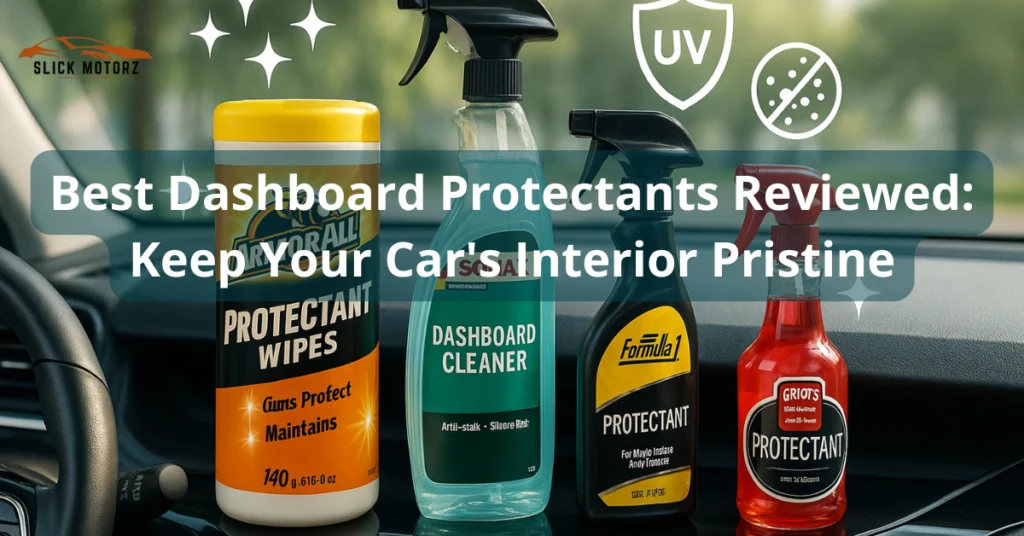
If you clean leather or vinyl, follow up with a conditioner or protectant. This replaces lost oils and adds UV protection.
Ventilate
Open doors or windows to let out chemical fumes. This is especially important after using any product with a strong smell.
Pro tip: Don’t mix different cleaners. This can create dangerous fumes or sticky messes.
When Is It Okay To Use All-purpose Cleaner In A Car?
There are times when an all-purpose cleaner can be handy, as long as you’re careful.
- Cleaning plastic door sills or trunk areas: These spots handle more abuse and are less sensitive.
- Removing sticky spills on rubber mats or hard plastic: Diluted cleaner works well here.
- Cleaning seat belts: Use a mild, diluted cleaner on a cloth.
Still, always rinse with a damp cloth and dry right after.
When To Avoid All-purpose Cleaner In Your Car
Some areas should never be cleaned with general cleaners:
- Leather seats and steering wheels
- Touch screens and infotainment systems
- Cloth headliners (ceiling fabric)
- Airbag covers
- Wood or metal trim
For these, use only recommended products or just a damp microfiber cloth.
Safe Alternatives To All-purpose Cleaner
If you’re unsure, there are safer options for each surface inside your car.
- Leather: Dedicated leather cleaner and conditioner
- Fabric: Upholstery or carpet cleaner, or a mix of water and a drop of gentle dish soap
- Plastic and vinyl: Interior detailer or diluted mild soap
- Glass: Ammonia-free glass cleaner
- Screens: Electronics-safe screen wipes
You’ll find many choices at auto parts stores or online. For more tips, check resources like the Consumer Reports Car Interior Cleaning Guide.
Real-world Examples And Lessons
Let’s look at a few examples people often face:
Example 1: Sarah used a popular all-purpose cleaner on her car seats. After a few weeks, she noticed the leather looked dull and felt rough. She switched to a leather conditioner, but some damage stayed. She learned to always check the label and use the right product.
Example 2: Mike cleaned his dashboard with an all-purpose spray. The dashboard became shiny and sticky. Dust started sticking every day. He found out later that the cleaner left a residue. He now uses a product made for car interiors and wipes with a dry cloth after cleaning.
Non-obvious lesson: Over time, residue from the wrong cleaner can build up, making cleaning harder and surfaces less attractive.
Example 3: Nia tried her kitchen cleaner on her car windows. The glass was clean, but a few weeks later, she saw streaks, and the tint started peeling. She switched to an ammonia-free window cleaner to protect her windows.
Common Myths About All-purpose Cleaners And Car Interiors
Many car owners believe myths that can lead to costly mistakes.
- Myth: “All-purpose means safe for everything.”
*Truth:* All-purpose means for many surfaces, not all. Always check compatibility.
- Myth: “If it works on countertops, it’s fine for my dashboard.”
*Truth:* Car interiors are exposed to heat, sunlight, and more wear. Countertop cleaners may be too harsh.
- Myth: “Stronger cleaning is better.”
*Truth:* Strong chemicals can cause long-term damage. Gentle cleaning is safer.
- Myth: “A good smell means it’s clean.”
*Truth:* Fragrances can cover up problems but may irritate allergies or cause build-up.
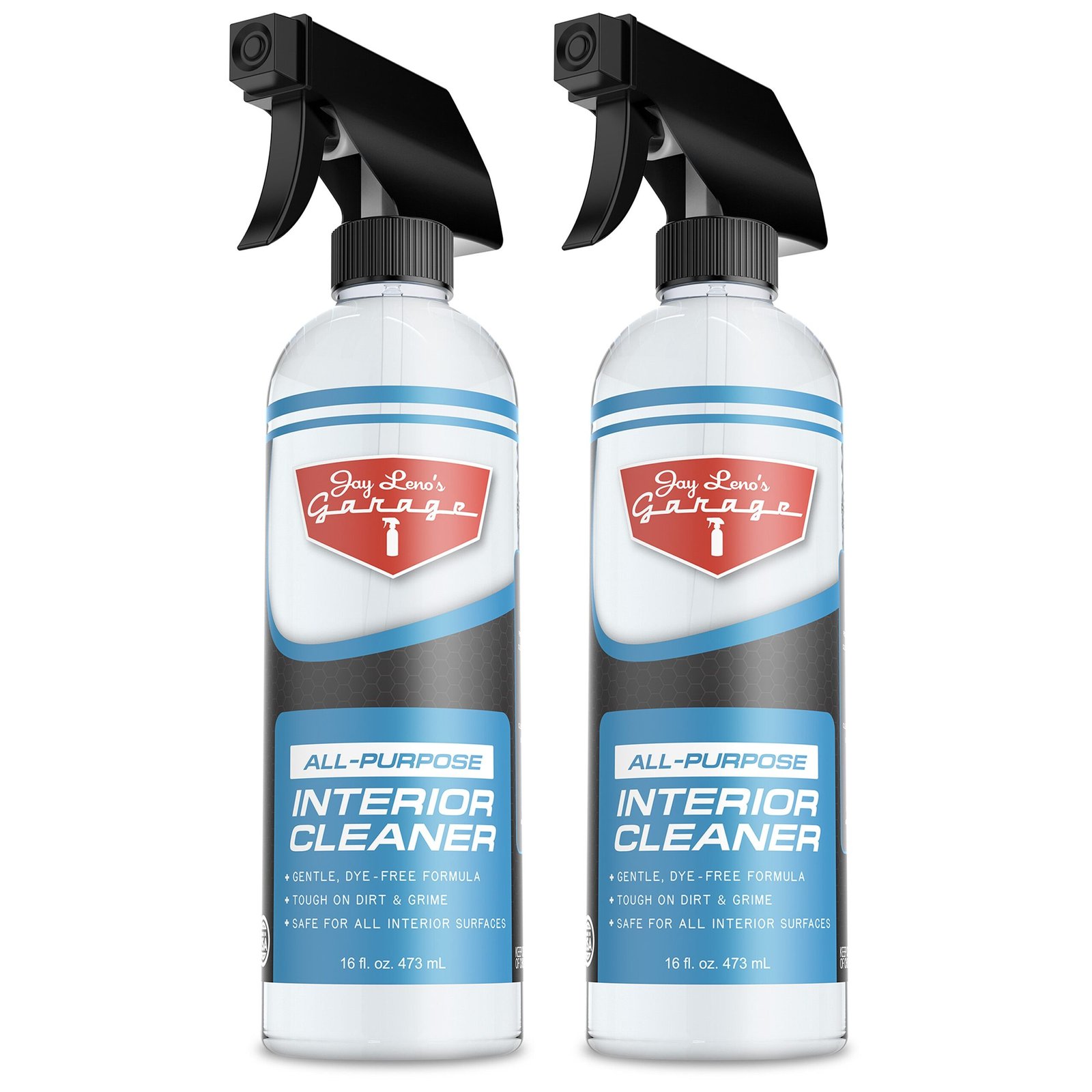
Credit: www.lenosgarage.com
How To Choose The Right Cleaner For Your Car Interior
If you want your car’s interior to look good for years, choose products carefully.
Know Your Materials
Check your owner’s manual or look at your seats, dashboard, and panels. Are they leather, vinyl, fabric, or plastic?
Check The Label
Look for cleaners that say “safe for car interiors,” or better, for the exact material you have.
Avoid Strong Chemicals
Stay away from ammonia, bleach, or strong solvents for most car surfaces.
Test First
Always try on a hidden spot, even if the label says “safe. ”
Consider Allergies
If you or your family have allergies, pick fragrance-free or hypoallergenic cleaners.
Look For Added Protection
Many car-specific cleaners add UV protection or conditioners to help your car last longer.
Environmental And Health Considerations
Cleaning products can affect both your health and the environment.
- Ventilation: Always clean with windows open to reduce inhaling fumes.
- Biodegradable Cleaners: Look for products that are safer for the environment.
- Child Safety: Some cleaners can be harmful if kids touch surfaces and put their hands in their mouths. Wipe down surfaces with clean water after using strong cleaners.
Non-obvious tip: Even “natural” cleaners can be too strong for some surfaces. Always test first.
Long-term Care Tips For Car Interiors
A clean car interior lasts longer and feels better to use. Here’s how to keep it in top shape:
- Vacuum regularly: Dirt and dust scratch surfaces over time.
- Wipe spills quickly: Don’t let food or drink dry on seats or carpets.
- Use sunshades: Sunlight fades and dries out dashboards and seats.
- Condition leather and vinyl: Every few months, use a conditioner after cleaning.
- Avoid eating in the car: Food crumbs lead to stains and bad smells.
Practical insight: Prevention is easier than repair. Small, regular cleaning is better than a big deep clean after months of neglect.
Frequently Asked Questions
Is All-purpose Cleaner Safe For Leather Car Seats?
No, most all-purpose cleaners are too harsh for leather seats. They can strip oils, leading to cracks and fading. Always use a dedicated leather cleaner and conditioner.
Can I Use All-purpose Cleaner On My Car’s Dashboard?
You can use a mild, diluted all-purpose cleaner on plastic or vinyl dashboards, but it’s safer to use a product made for cars. Avoid cleaners with ammonia, and always test on a small area first.
What Happens If I Accidentally Use All-purpose Cleaner On My Car Interior?
If you use a cleaner by mistake, quickly wipe the area with a damp cloth to remove as much as possible. Watch for changes like fading, stickiness, or cracks. Switch to a safe product and condition the area if needed.
What’s The Best Alternative To All-purpose Cleaner For Car Interiors?
The best choice is a dedicated car interior cleaner matched to the surface—leather cleaner for leather, upholstery cleaner for fabric, and so on. For glass, use an ammonia-free window cleaner.
Can All-purpose Cleaner Damage Touch Screens Or Electronics In My Car?
Yes. All-purpose cleaners can damage touch screens and electronic surfaces. Use only products made for electronics, or a barely damp microfiber cloth. Avoid spraying any cleaner directly on screens.
Final Thoughts
All-purpose cleaners are great for many jobs, but car interiors need special care. The wrong product can cause fading, cracking, or even electronic problems. Always check your car’s materials, read cleaner labels, and test before using. Safer options exist for every surface, and a little care means your car will look and feel good for years.
If you’re ever unsure, choose a product made for cars or ask a professional detailer for advice. Clean smart, and your car will reward you with comfort and style every time you drive.