You want your car to look its best, shiny and flawless, right? Buffing seems like a quick fix to get rid of those annoying scratches and dull spots.
But have you ever wondered, is buffing a car bad for your paint? Could this common practice actually harm your vehicle’s finish instead of improving it? Before you grab that buffer or book a session, it’s important to understand what buffing really does, the risks involved, and how to protect your car’s paint.
Keep reading to discover the truth behind buffing—so you can make the best decision for your car’s appearance and long-term care.

Credit: www.e90post.com
Buffing Basics
Understanding the basics of buffing helps you decide if it suits your car care routine. Buffing can restore your car’s shine and remove minor surface damage. It involves using tools and compounds to smooth the paint’s surface. Knowing what buffing does and how it differs from polishing is key.
What Buffing Does
Buffing removes small scratches, oxidation, and surface blemishes from car paint. A buffer machine applies a cutting compound to the paint. This process smooths the clear coat by gently sanding its surface. Buffing can bring back a glossy, even finish. It helps older paint look fresher and brighter. However, too much buffing can wear down the clear coat over time.
Buffing Vs Polishing
Buffing is more aggressive than polishing. It uses a heavier compound to cut into the paint’s surface. Polishing is gentler and focuses on cleaning and shining the paint. Polishes remove very fine scratches and restore gloss without removing much clear coat. Buffing is best for deeper scratches and oxidation. Polishing is suitable for regular maintenance and light imperfections. Knowing the difference helps protect your car’s paint.
Common Risks
Buffing a car can improve its look but also comes with risks. Knowing these common risks helps avoid damage. Buffing removes a thin layer of paint or clear coat. Too much buffing causes problems that are hard to fix. Below are key risks linked to buffing a car.
Clear Coat Damage
Buffing can wear down the clear coat. The clear coat protects the paint underneath. If it gets too thin, the paint may fade or peel. Over-buffing may even burn through the clear coat. Repairing clear coat damage often needs professional work.
Swirl Marks And Holograms
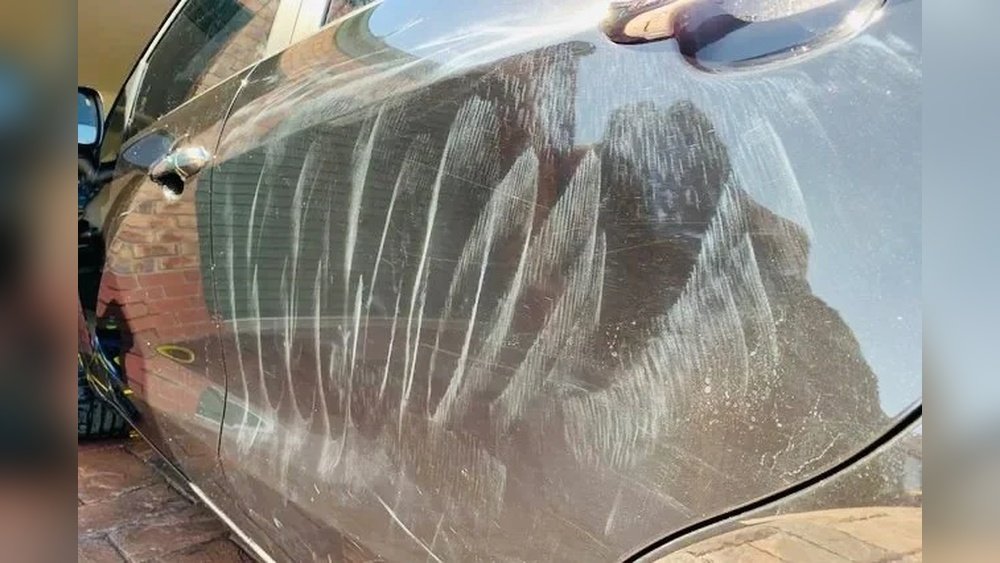
Improper buffing can leave swirl marks on the paint. These look like tiny circular scratches. Buffing with the wrong pad or technique causes holograms. Holograms appear as rainbow-like patterns on the surface. Both marks reduce the shine and smoothness of paint.
Uneven Paint Finish
Buffing unevenly results in patches of different shine. Some spots become dull while others stay glossy. This uneven finish looks unattractive and may catch dirt. It can happen when pressure or speed varies during buffing. Consistent technique is important to avoid this risk.
Scratch Repair
Scratches on a car can be frustrating to see. They make your vehicle look old and worn. Buffing is a common way to fix light scratches. It smooths out the surface and brings back shine.
Not all scratches can be fixed by buffing. Knowing which scratches can be buffed helps avoid damage. It also saves time and money. Below, we explain the types of scratches that respond well to buffing and when buffing does not work.
Types Of Scratches Buffable
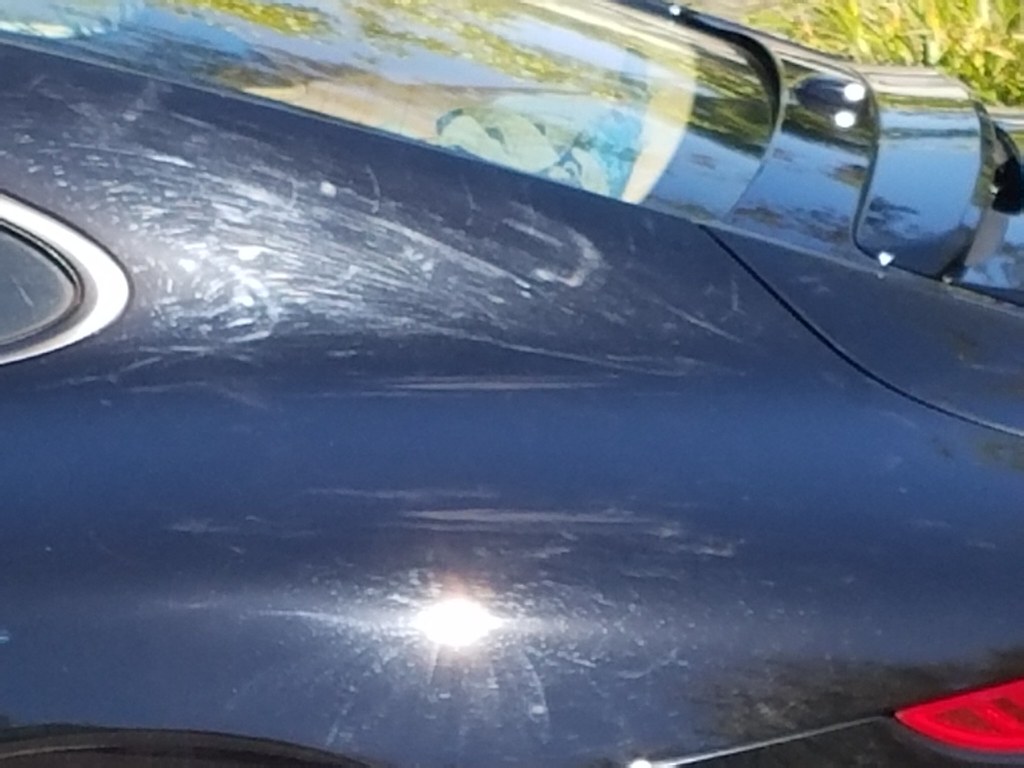
Buffing works best on scratches that only affect the clear coat. These are the topmost layer of paint. They are usually light and do not cut deep into the paint.
Surface scratches from keys, branches, or dirt can often be buffed out. Swirl marks from washing or drying may also disappear with buffing. These scratches are shallow and do not reach the color layer.
Buffing removes a thin layer of the clear coat, smoothing out the scratch. This restores the paint’s smooth look and shine. It is a safe and effective method for minor damage.
When Buffing Fails
Deep scratches that go through the clear coat and paint cannot be fixed by buffing. These scratches show the primer or metal underneath. Buffing will not remove or hide them.
Using a buffer on deep scratches can make damage worse. It may remove too much clear coat and expose the paint below. This can cause rust or require repainting.
In cases of deep scratches, touch-up paint or professional repair is needed. Do not use buffing as the only solution for these marks. It will not fix the problem and may harm your car’s finish.
Diy Buffing Dangers
Buffing your car at home might seem easy and cost-saving. Yet, DIY buffing carries real risks. Without proper knowledge, you can harm your car’s paint instead of improving it.
Understanding these dangers can help protect your vehicle. Below are key risks to watch out for during DIY buffing.
Improper Technique Hazards
Using the wrong buffing method can damage your car’s clear coat. Too much pressure or speed can cause burns or swirl marks. Buffing in one spot for too long wears down the paint. Uneven strokes leave patches of uneven shine. Lack of experience often leads to permanent blemishes.
Tool And Product Quality
Cheap or wrong tools increase the chance of damage. Low-quality buffers may spin unevenly or overheat. Using harsh compounds can eat through the clear coat. Pads that are too rough scratch the surface. Always choose products made for automotive use and follow instructions carefully.
Environmental Factors To Avoid
Buffing under direct sunlight heats the paint and worsens damage risk. Dusty or dirty environments cause particles to scratch the surface. High humidity or rain affects how compounds work. Buff your car in a cool, shaded, clean place for best results. Ignoring these conditions can ruin your work.
Professional Buffing Benefits
Professional buffing offers many benefits for your car’s appearance and paint health. Experts use proper tools and techniques to enhance the shine without causing damage. This process improves the car’s look and protects the paint over time.
Choosing professional buffing ensures your vehicle gets the best care for a long-lasting finish. It helps avoid common mistakes that can harm the paint or clear coat layer.
Expertise And Equipment
Professionals have training to buff cars safely and effectively. They know the right pressure and speed to use. Special machines and pads help remove scratches and oxidation gently. This skill prevents paint damage and keeps your car smooth and shiny.
Safe Chemical Use
Experts select chemicals that clean and polish without harming the paint. They avoid harsh abrasives that could thin the clear coat. Using safe products protects the car’s surface and improves its look. Proper chemical use reduces risks of fading or stains.
Long-term Paint Protection
Professional buffing prepares the paint for wax or sealant application. This adds a protective layer against dirt, UV rays, and water spots. The result is a durable shine that lasts longer. Regular professional buffing helps maintain your car’s value and beauty.
Credit: www.detailedimage.com
Buffing Frequency
Knowing how often to buff your car is key to keeping its paint safe and shiny. Buffing removes small scratches and oxidation, restoring the car’s surface. Too much buffing can wear down the clear coat, which protects the paint underneath. Finding the right balance helps maintain your car’s look without damage.
How Often To Buff
Most cars benefit from buffing once or twice a year. This depends on your car’s age, use, and exposure to elements. Newer cars with fresh paint may need buffing less often. Older cars or those parked outside a lot might need it more.
Buffing too often can thin the clear coat, causing permanent damage. Using gentle products and proper techniques also affects how often you should buff. A safe rule is to buff only when necessary, not on a fixed schedule.
Signs You Need Buffing
Look for dullness, swirl marks, or light scratches on your car’s surface. These signs mean the clear coat is worn or dirty. Oxidation makes the paint look faded and rough. Buffing can remove these imperfections and restore shine.
Water spots that don’t wash off and small surface blemishes also show it’s time to buff. If the paint feels rough or uneven to touch, buffing might help smooth it out. Always check your car closely before deciding to buff.

Credit: www.reddit.com
Conclusion
Buffing a car can improve its look if done right. Using the wrong tools or technique can harm your paint. Buffing removes small scratches but can thin the clear coat. Avoid buffing too often to protect your car’s finish. For deep scratches, professional help works best.
Regular care keeps your car shiny and safe. Balance is key to keep your paint healthy. Buff carefully, and your car will stay beautiful longer.