You love your car and want to keep it looking sharp for years to come. But with so many options out there, you might be wondering: is ceramic coating really worth the cost and effort?
Before you decide, it’s important to understand what ceramic coating can and can’t do for your vehicle. Will it protect your paint from scratches and chips? How much time and money will you need to invest? And are there any hidden downsides you should know about?
Keep reading to get the honest truth about ceramic coating so you can make the best choice for your car and your wallet.
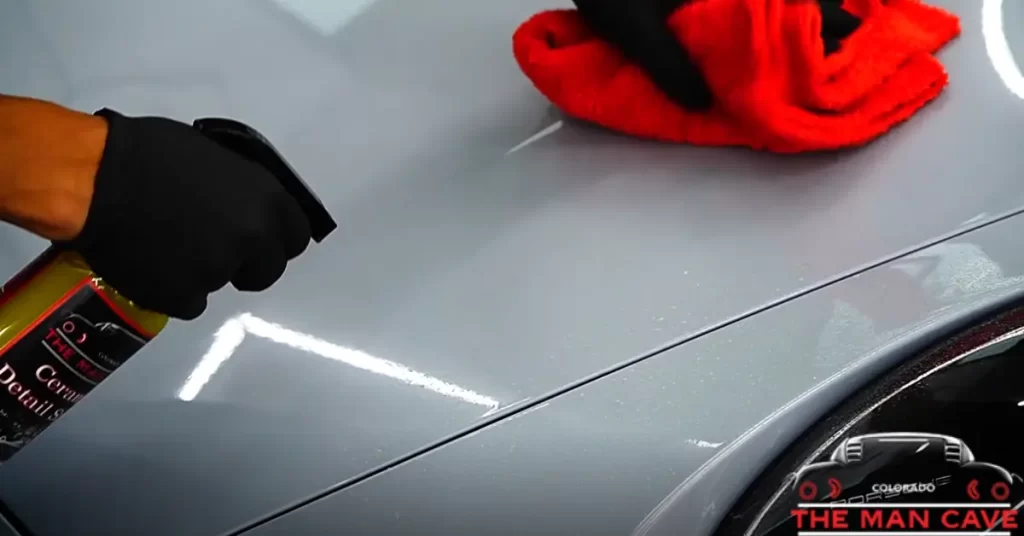
Credit: mancavedetail.com
Benefits Of Ceramic Coating
Ceramic coating offers several clear benefits for vehicle owners. This protective layer improves the car’s appearance and durability. It adds value by preserving the paint and reducing maintenance. The following points explain why ceramic coating is worth considering.
Enhanced Paint Protection
Ceramic coating forms a hard shield over the paint. It guards against minor scratches and swirl marks. The coating also protects from UV rays that cause fading. This layer reduces damage from dirt, chemicals, and bird droppings. The paint stays vibrant and fresh for longer.
Hydrophobic Surface And Water Repellency
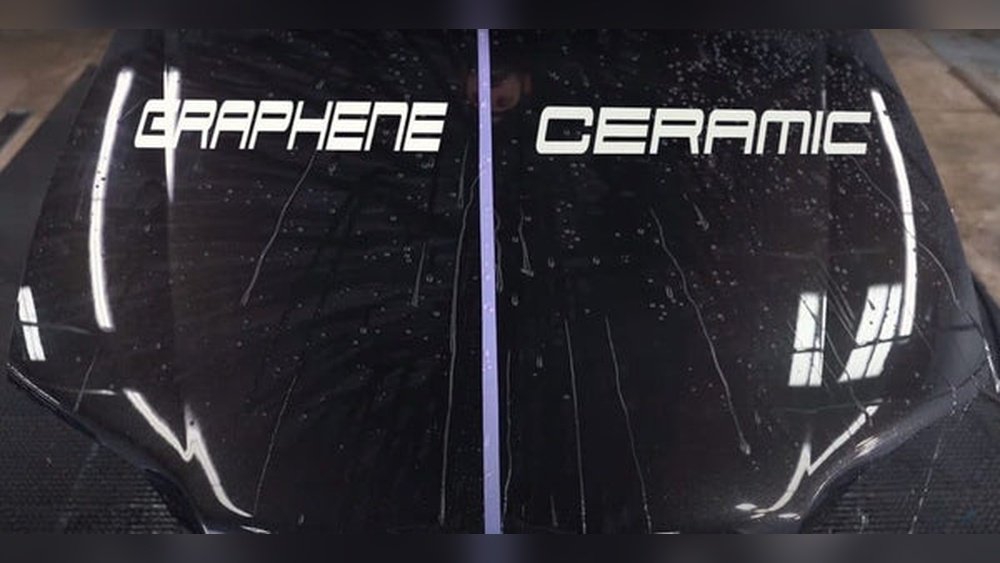
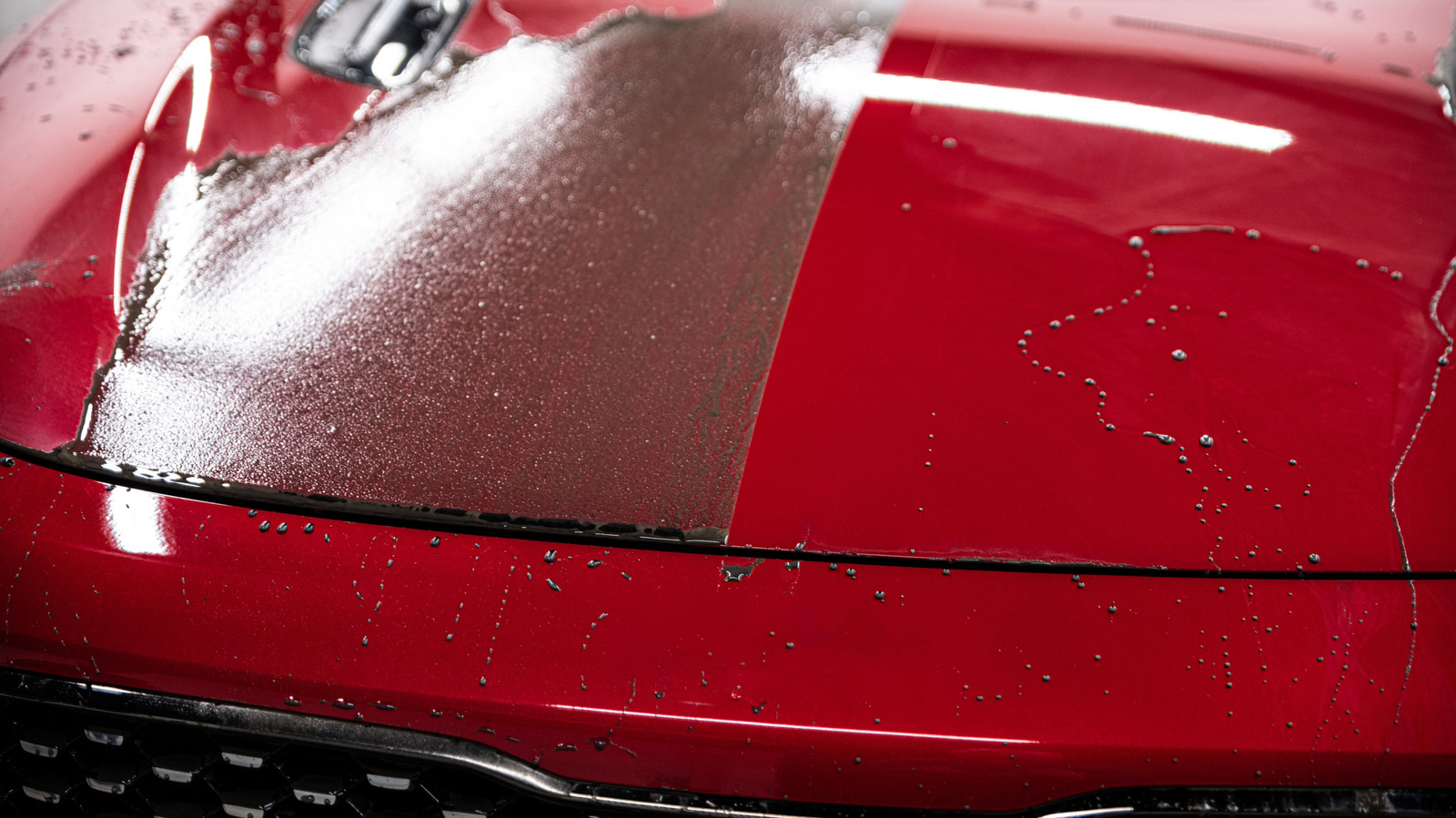
The coating creates a water-repellent surface. Water beads and slides off easily. This effect prevents water spots and stains. It also reduces rust caused by trapped moisture. The hydrophobic surface keeps the car cleaner after rain.
Ease Of Cleaning
Dirt and grime do not stick strongly to the coated surface. Cleaning requires less effort and time. Simple washing removes most contaminants without harsh scrubbing. This reduces the risk of scratches during cleaning. The car looks cleaner and shinier with less work.
Long-term Cost Savings
Though ceramic coating has an upfront cost, it saves money over time. Less frequent waxing and polishing are needed. The paint stays in better condition, reducing repair expenses. The coating extends the life of the vehicle’s finish. This makes it a smart investment for car care.
Drawbacks Of Ceramic Coating
Ceramic coating offers many benefits, but it also has notable drawbacks. Understanding these downsides helps set realistic expectations. This section covers the main disadvantages you should consider before investing.
While ceramic coating adds a strong protective layer, it does not make your car invincible. The process involves costs, time, and care that may not suit everyone.
High Initial Cost
Applying ceramic coating professionally can cost hundreds to over a thousand dollars. This price is much higher than traditional wax or sealants. The upfront investment may not fit all budgets.
Intensive Preparation Process
The paint must be carefully cleaned, corrected, and polished before coating. This prep work takes many hours and must be done right. Skipping steps leads to poor results and shorter durability.
Limited Scratch And Chip Protection
Ceramic coating helps resist minor scratches but cannot prevent deep scratches or rock chips. It is not a substitute for paint protection film. Expect some damage from harsh impacts.
Maintenance Requirements
Coated cars still need regular washing and care to stay looking good. Hard water spots and stains can become more visible if not cleaned properly. Reapplication every few years is necessary.
Potential For Misleading Expectations
Some buyers expect ceramic coating to be a permanent, flawless shield. This leads to disappointment when damage or wear occurs. Understanding its limits ensures better satisfaction.
Application Process
The application process of ceramic coating plays a crucial role in its effectiveness and durability. Proper preparation and careful application ensure the coating bonds well with the car’s surface. This process demands attention to detail and patience.
Whether applied professionally or as a DIY project, the steps involved require precision. Skipping or rushing any part can reduce the coating’s benefits. Understanding the time and effort needed helps set realistic expectations.
Professional Vs Diy Application
Professionals have training and experience for flawless application. They use high-quality products and tools to prepare and apply the coating. Their work often includes paint correction to fix imperfections first.
DIY kits are more affordable but need careful handling. They may lack the expertise to prepare the paint properly. Mistakes can cause uneven coating or reduce protection. For best results, follow instructions closely.
Steps Involved In Application
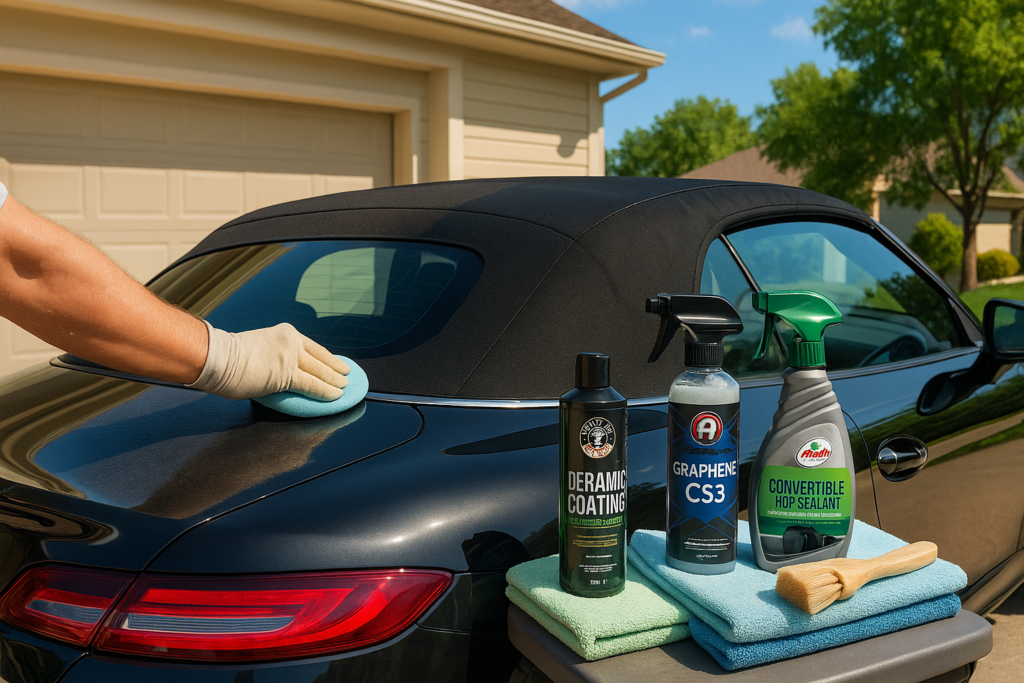
First, wash the car thoroughly to remove dirt and grime. Next, decontaminate the surface with clay bars or chemicals. Then, polish the paint to remove scratches and swirl marks.
After surface prep, apply the ceramic coating in thin, even layers. Allow it to bond for a few minutes before wiping off excess. Finally, cure the coating by letting the car sit in a dry place.
Time Investment Needed
The entire process can take several hours to a full day. Preparation alone often requires 3 to 5 hours, depending on the car’s condition. Application and curing add more time, especially for multiple layers.
Professionals may complete the job faster due to experience. DIY enthusiasts should plan for a full day or weekend project. Rushing will compromise the coating’s performance and appearance.
Comparing Ceramic Coating With Other Options
Choosing the right protection for your vehicle means understanding the differences. Ceramic coating is popular but other options exist. Comparing these helps find the best fit for your needs and budget. Each offers unique benefits and drawbacks. This section breaks down ceramic coating against wax and paint protection film.
Ceramic Coating Vs Wax
Wax is an old-school method to protect car paint. It is cheap and easy to apply at home. Wax creates a shiny finish but lasts only a few weeks. Ceramic coating costs more but lasts years. It forms a hard, durable layer on the paint. Wax needs frequent reapplication, while ceramic coating resists dirt and water better. Wax offers good gloss but less protection. Ceramic coating guards against minor scratches and UV rays.
Ceramic Coating Vs Paint Protection Film
Paint protection film (PPF) is a clear plastic layer. It protects the car from rock chips and deep scratches. PPF is thicker and more impact resistant than ceramic coating. Ceramic coating adds shine and repels water but cannot stop all damage. PPF is more expensive and harder to install. Ceramic coating is easier to maintain and shows a smoother finish. Both can be combined for extra protection.
Which Option Suits Your Needs?
Think about your driving habits and budget. Wax suits those who want low-cost, short-term shine. Ceramic coating fits owners wanting long-lasting protection and gloss. Paint protection film is best for rough roads and high impact risk. Each option requires different care and investment. Choose based on how much time and money you want to spend. Your car’s environment also matters in decision-making.
Common Myths And Misconceptions
Ceramic coating has become popular among car owners. Many believe it solves all paint protection problems. Some ideas about ceramic coatings are not accurate. Knowing the truth helps set the right expectations. Let’s clear up some common myths and misconceptions.
Scratch-proof Claims
Ceramic coatings do not make your car scratch-proof. They add a layer that resists light scratches and swirl marks. Deep scratches from keys or rocks can still damage the paint. The coating helps reduce minor damage but is not a hard shield. Expect protection, not invincibility.
Permanent Protection Expectations
Ceramic coatings are not permanent. They last longer than wax but wear off over time. Factors like weather, washing, and sunlight reduce their effectiveness. Most coatings need reapplication every two to five years. Regular checks help keep your car protected.
Maintenance-free Beliefs
Some think ceramic coating removes all car care needs. It does lower dirt and water buildup but does not stop all cleaning. The coating still requires washing and occasional care. Ignoring maintenance can cause water spots and stains. A clean car stays shiny longer with proper care.
Credit: www.jalopnik.com
Cost Considerations
Cost considerations play a crucial role in deciding if ceramic coating is worth it for your vehicle. Understanding the different expenses involved helps you plan better. The overall cost depends on how you apply the coating and the quality you choose. We will explore price ranges for professional application, DIY kit costs, and analyze the long-term value of ceramic coatings.
Price Range For Professional Application
Professional ceramic coating services usually cost between $500 and $2,000. The price depends on the size of the vehicle and the quality of the coating used. Premium coatings with longer durability or extra layers increase the cost. Preparation work like paint correction and cleaning can add to the final price. Professionals guarantee a smooth and even finish, which can justify the higher price.
Diy Kit Costs
DIY ceramic coating kits are more affordable, ranging from $50 to $150. These kits include the coating product and sometimes basic tools for application. They require careful preparation and steady hands to avoid mistakes. The results may not last as long or look as perfect as professional work. DIY kits suit those on a budget and who enjoy hands-on car care.
Long-term Value Analysis
Ceramic coating can save money on frequent waxing and minor paint repairs. It offers lasting protection against dirt, UV rays, and light scratches. The coating usually lasts 2 to 5 years depending on care and product quality. The upfront cost may seem high but reduces ongoing maintenance expenses. Consider how much you spend yearly on car detailing to decide if ceramic coating is a smart investment.
Is Ceramic Coating Right For You?
Choosing whether ceramic coating suits your vehicle depends on several factors. Understanding your habits and environment helps decide if this investment fits your needs. Consider how you drive, the climate you live in, and your vehicle’s usage and age. These points clarify if ceramic coating will add value and protection.
Assessing Your Driving Habits
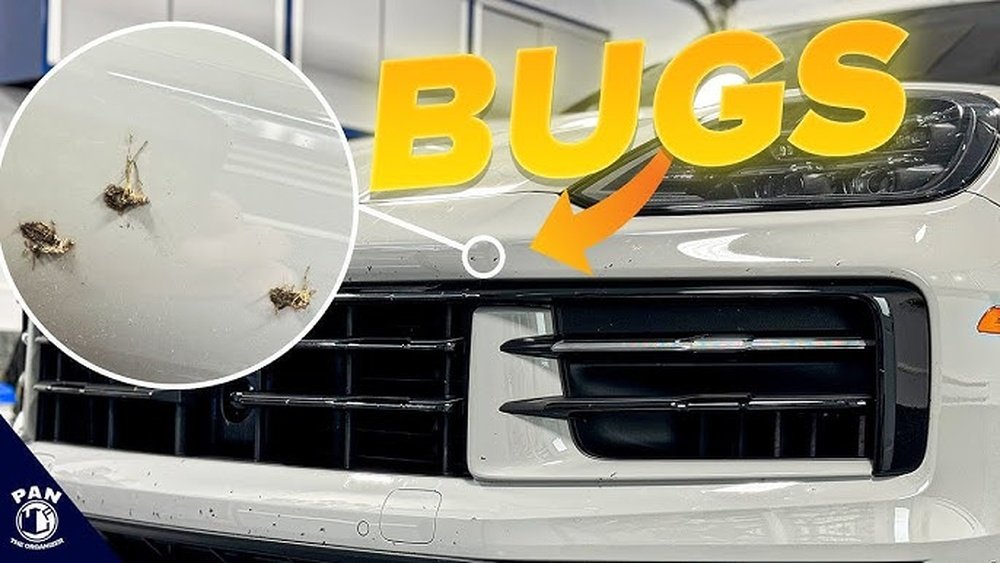
Do you drive mostly in the city or on highways? City driving exposes your car to more dirt and debris. Highways can cause small rock chips and bugs to hit your paint. Frequent short trips mean your car does not fully dry, increasing dirt build-up. If you drive daily and want easier cleaning, ceramic coating helps protect your paint longer. For occasional drivers, it might not be as necessary.
Climate And Environmental Factors
Living in harsh climates affects your car’s paint. Hot sun can fade paint and cause oxidation. Rain and snow bring water spots and salt damage. Dusty or sandy areas scratch paint over time. Ceramic coating creates a barrier that resists UV rays, water spots, and dirt. In mild climates, the benefits may be less visible. In harsh weather, the coating offers more protection and easier maintenance.
Vehicle Usage And Age
New cars benefit most from ceramic coating to keep the paint fresh. Older cars with worn paint may need polishing before applying coating. If your vehicle sees heavy use, like off-roading or long trips, ceramic coating adds a durable layer. For classic or rarely driven cars, the cost might not be worth the protection level. Consider your vehicle’s condition and how much you want to preserve its look over time.

Credit: www.youtube.com
Tips For Maintaining Ceramic Coating
Maintaining ceramic coating is essential to keep your car looking fresh and protected. Proper care extends the coating’s life and preserves its shine. Simple steps can prevent damage and make your coating work better.
Proper Washing Techniques
Use a gentle car shampoo designed for coated surfaces. Avoid harsh detergents or household cleaners. Wash your car with a soft microfiber mitt to reduce scratches. Rinse thoroughly to remove all soap residues. Dry the car with a clean microfiber towel to prevent water spots.
Dealing With Water Spots
Water spots can dull the coating’s finish if left untreated. Remove spots quickly using a dedicated water spot remover or a mild vinegar solution. Always test on a small area first. Avoid abrasive scrubbers that can damage the coating. Regular washing helps reduce water spot buildup.
Reapplication And Longevity
Ceramic coatings are not permanent and will wear over time. Plan to reapply the coating every 2 to 3 years for best results. Some products may last longer depending on quality and care. Regular inspections help identify when reapplication is needed. Professional reapplication ensures even coverage and lasting protection.
Frequently Asked Questions
What Are The Disadvantages Of Ceramic Coating?
Ceramic coating has a high upfront cost and requires professional prep. It won’t prevent deep scratches or chips. Regular washing and maintenance remain necessary. Hard water spots may become more visible. The coating needs reapplication every few years and may create false protection expectations.
Is It Worth Putting Ceramic Coating On A Car?
Ceramic coating protects paint, repels dirt, and enhances shine, but costs high and needs professional prep. It resists light scratches, not chips, and requires regular cleaning. Expect reapplication every few years; it’s not a permanent shield. Benefits often outweigh drawbacks for long-term car care.
How Long Will A Ceramic Coating Last?
A ceramic coating typically lasts 2 to 5 years, depending on the product quality and maintenance. Proper care extends its durability.
How Much Does 5 Year Ceramic Coating Cost?
A 5-year ceramic coating typically costs between $800 and $2,000, depending on vehicle size and detailer expertise.
Conclusion
Ceramic coating offers good protection for your car’s paint. It resists light scratches and keeps dirt off. The coating lasts for years but needs regular cleaning. It cannot fully prevent chips or deep scratches. Applying it takes time and usually requires a professional.
The cost is higher than traditional waxes. Weigh the benefits against the price and upkeep. For many, ceramic coating is a helpful step in car care. Decide based on your budget and how much effort you want to spend.