Are you tired of seeing those annoying scratches and swirl marks dulling your car’s shine? You’re not alone.
Many car owners struggle with deciding whether to rely on machine polishing or hand polishing to get their paint looking flawless again. But here’s the thing: knowing when and how to lose the machine and switch to hand polishing can make all the difference in removing those unwanted imperfections without risking damage.
You’ll discover simple, effective techniques to tackle scratches and swirl marks by hand, saving you time, money, and stress. Ready to bring back that smooth, glossy finish your car deserves? Keep reading to learn exactly how to do it right.
Causes Of Scratches And Swirl Marks
Scratches and swirl marks on a vehicle’s paint are common issues that affect its appearance. These imperfections reduce the shine and make the paint look dull. Understanding the causes helps prevent new damage and keeps the paint smooth and glossy. Many factors contribute to these paint defects, often linked to daily use and maintenance habits.
Common Sources On Vehicle Paint
Scratches often come from keys, branches, or stones hitting the paint. Dust and dirt particles can also scratch the surface if rubbed. Birds and insects leave marks that can damage the paint if not cleaned quickly. Road salt and chemicals cause small abrasions that build up over time. Even parking too close to other cars can lead to minor paint damage.
Impact Of Improper Washing Techniques
Washing the car incorrectly causes many swirl marks and scratches. Using dirty or rough towels drags dirt across the paint, creating fine lines. Washing in circular motions with a harsh sponge often leaves swirls. Using automatic car washes with stiff brushes can damage the paint. Skipping proper rinsing traps dirt, which scratches during drying. Gentle washing with clean tools is vital to protect the paint.
Credit: superceramiccoating.com
Hand Polishing Basics
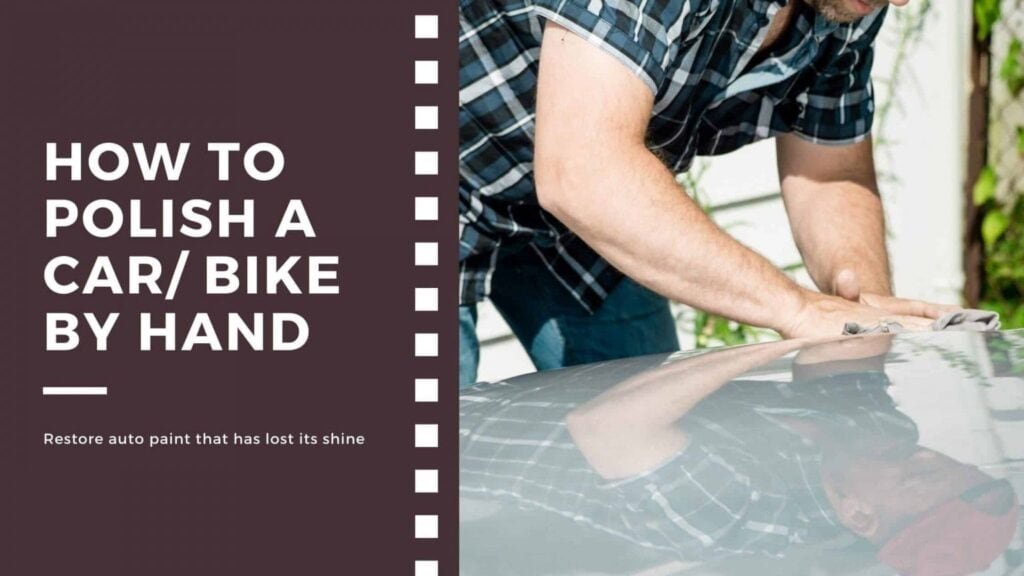
Hand polishing is a simple and gentle way to remove scratches and swirl marks from your car’s surface. It uses manual effort instead of machines. This method works well for light imperfections and small areas. Understanding the basics helps to achieve a smooth, shiny finish without damaging the paint.
Patience is key in hand polishing. The process involves careful rubbing with polishing products to restore the paint’s clarity. It is a cost-effective option for those who prefer a hands-on approach or want to avoid machine use.
When To Choose Hand Polishing
Hand polishing suits minor scratches and swirl marks. It works best on small areas or delicate surfaces. Choose this method if you want more control and less risk of paint damage. It is ideal when a machine is unavailable or too aggressive for the task. Hand polishing also helps maintain paint protection layers during light correction.
Essential Tools And Products
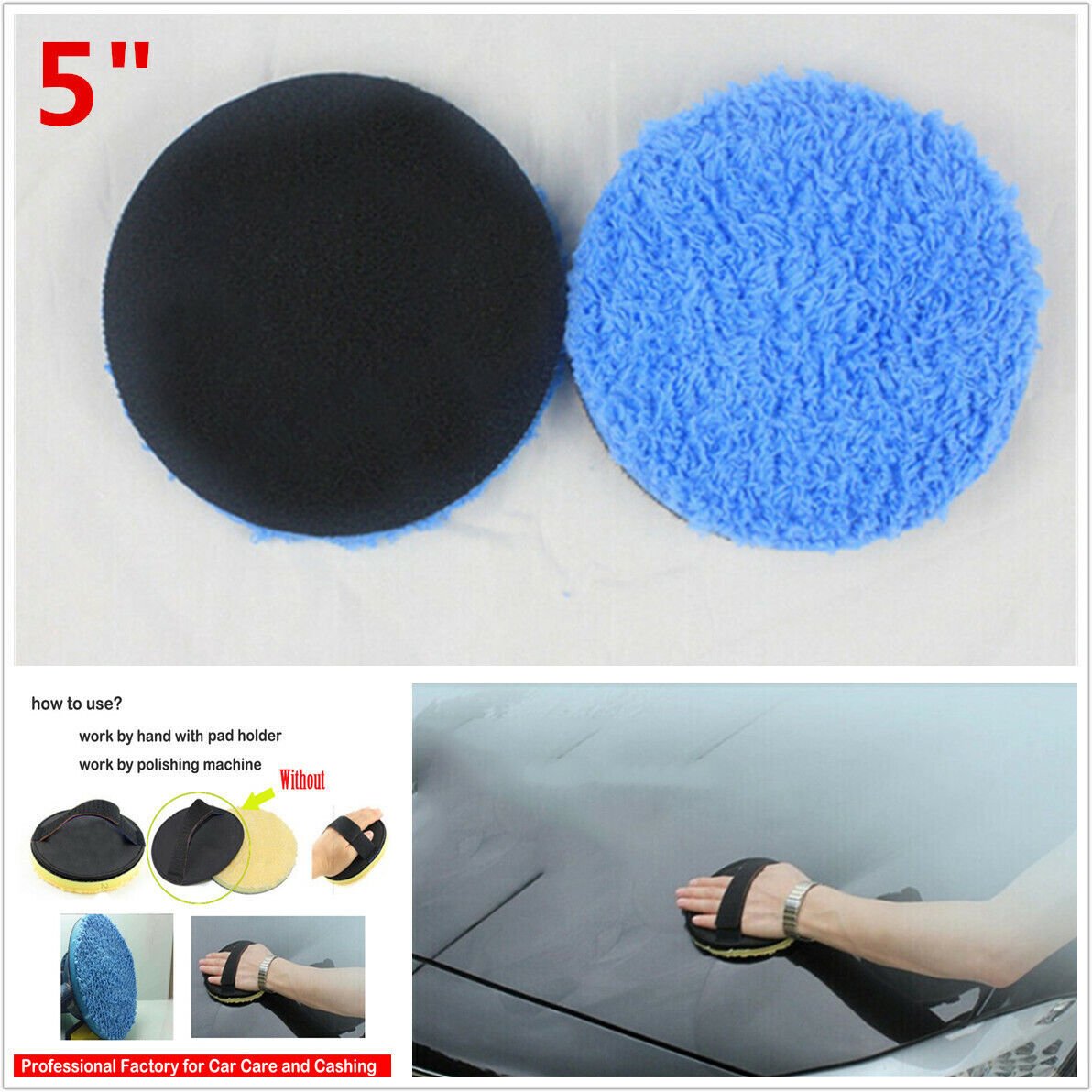
Start with a soft foam or microfiber applicator pad. Use a quality polish designed for hand application. Microfiber towels are necessary for wiping off residue gently. Gloves protect your hands and improve grip. A clean workspace and good lighting help spot imperfections clearly. These simple tools make hand polishing effective and safe.
Step-by-step Hand Polishing Process
Hand polishing is a careful and effective way to remove scratches and swirl marks. It requires patience and the right technique. The step-by-step process helps to restore shine and smoothness to your vehicle’s paint. This guide breaks down each stage for clear understanding and easy application.
Preparing The Surface
Start by washing the vehicle thoroughly. Remove all dirt and dust to avoid further scratches. Use a clean microfiber cloth to dry the surface completely. For better results, use a clay bar to clear embedded contaminants. This step ensures the paint is ready for polishing without extra damage.
Applying Polish By Hand
Apply a small amount of polish onto a foam or microfiber applicator pad. Work on a small section at a time, about 2×2 feet. Use gentle, circular motions to spread the polish evenly. Press lightly to avoid damaging the paint. Keep the polish moving until it starts to break down and becomes clear.
Buffing And Wiping Techniques
After applying polish, let it haze for a few minutes. Use a clean microfiber cloth to buff the area with soft, circular motions. This removes polish residue and brings out shine. Change cloth sides often to avoid reapplying polish. Repeat the process on all sections until the surface looks smooth and glossy.
Machine Polishing Advantages
Machine polishing offers clear benefits over hand polishing for removing scratches and swirl marks. It saves time and effort while providing a more consistent finish. The powered action allows deeper paint correction in less time. This method is popular among car detailers for restoring shine and clarity quickly. Machine polishing also reduces the risk of uneven results that hand polishing can cause.
Using a machine polisher improves control and precision. It spreads polish evenly across the surface. This even coverage helps remove defects more efficiently. The process also minimizes fatigue, making it easier to handle larger areas. Overall, machine polishing delivers professional-quality results with less strain.
Effectiveness On Deeper Swirls
Machine polishers handle deeper swirls better than hand polishing. The rotating or oscillating motion works abrasives into the paint more thoroughly. This action breaks down stubborn swirl marks and scratches effectively. Hand polishing often struggles with these deeper imperfections because it lacks power and speed. Machine polishing can restore paint to a smooth, glossy finish faster and with less effort.
Deeper swirls require consistent pressure and speed. Machines maintain this better than human hands. This consistency ensures more uniform correction across the surface. It reduces the chance of new marks forming during polishing. The result is a cleaner, clearer paint surface that looks almost like new.
Types Of Polishers And Pads
Different polishers suit different needs. Dual-action (DA) polishers are safe for beginners and provide good results. They move in both circular and orbital motions, reducing the risk of damaging paint. Rotary polishers offer more power and speed but need experience to avoid mistakes.
Pads come in various materials and cutting levels. Foam pads are common and come in soft, medium, and hard types. Soft pads are for finishing, while hard pads remove heavy defects. Wool pads cut deeper but require careful use to prevent paint damage. Choosing the right pad depends on the paint condition and desired finish.
Machine Polishing Method
Machine polishing is a popular method to remove scratches and swirl marks from a car’s paint. It uses a powered polisher that moves a polishing pad over the surface. This method is faster and more effective than hand polishing. It helps restore the paint’s smoothness and shine. Proper technique and preparation are key to avoid damage and get great results.
Pad Preparation And Product Application
Choose the right pad for the level of scratches you want to fix. Clean the pad before use to avoid trapping dirt. Apply a small amount of polish to the pad evenly. Spread the polish on the paint surface before turning on the machine. This prevents splatter and ensures smooth application. Use products designed for machine polishing to get the best finish.
Correct Polishing Movements
Hold the polisher firmly but do not press too hard. Move the polisher in slow, overlapping passes. Use a crosshatch pattern: first horizontal, then vertical strokes. Keep the pad flat on the surface to avoid creating new marks. Work in small sections for better control. Always keep the machine moving to prevent overheating the paint.
Post-polishing Cleanup
After polishing, wipe the surface with a clean microfiber cloth. Remove all polish residue to reveal a smooth finish. Inspect the paint under good light to check for missed spots. If needed, repeat the process on problem areas. Finish with a wax or sealant to protect the paint and keep it shiny longer. Proper cleanup helps maintain the results of machine polishing.
Credit: www.ebay.com
Choosing The Right Polish And Pads
Choosing the right polish and pads is key to effective hand polishing. The correct combination removes scratches and swirl marks without damaging the paint. Different scratches need different polishes and pads. This helps achieve a smooth, glossy finish safely. Understanding polish types and pad functions guides the selection process. It improves polishing results and protects the vehicle’s paintwork.
Polish Types For Different Scratch Levels
Polishes vary by abrasiveness. Heavy scratches require cutting polishes with strong abrasives. These remove deep marks and rough surface layers. Medium scratches respond well to polishing compounds. They smooth the paint and reduce swirl marks. Light scratches and fine swirls need finishing polishes. These contain minimal abrasives for a glossy shine. Choose polish based on scratch depth for best results.
Selecting Pads For Cutting, Polishing, And Finishing
Pads come in different textures and densities. Cutting pads are firm and coarse. They work with heavy polishes to remove deep scratches. Polishing pads are softer and less abrasive. They help refine the paint surface after cutting. Finishing pads are the softest. They apply light polishes or waxes for a smooth finish. Match pads with polish type to avoid paint damage.
Common Mistakes To Avoid
Removing scratches and swirl marks through hand polishing takes patience and care. Many people make simple errors that cause more damage or waste time. Avoiding common mistakes helps you achieve smooth, clear paint with less effort.
Below are key mistakes to avoid while polishing by hand. Following these tips will protect your paint and improve results.
Overworking The Paint
Polishing too long in one spot can harm your paint. It may cause heat buildup and burn the clear coat. This leads to dull spots or discoloration. Move the applicator evenly and work in small sections. Stop polishing once the scratches start to fade. Excess work does not improve results and can cause damage.
Using Incorrect Pressure Or Speed
Pressing too hard can leave new marks on the paint. Light, even pressure works best for hand polishing. Using too little pressure may not remove scratches effectively. Slow, steady movements help the polish work well. Avoid fast, harsh rubbing that creates swirl marks. Find the right balance for gentle but effective polishing.
Finishing Touches For Gloss And Protection
Finishing touches bring out the best gloss and protect your car’s paint. After removing scratches and swirl marks, these steps seal your work. They add depth to the shine and create a shield against dirt and damage. Proper finishing ensures your car looks polished longer and stays protected from the elements.
Applying Finishing Polish
Finishing polish refines the paint surface. It removes any light haze left from earlier steps. Use a soft foam pad or microfiber cloth for best results. Work in small sections with gentle pressure. This polish boosts clarity and increases the paint’s gloss. It also smooths the surface, helping sealants stick better later.
Sealants And Protective Coatings
Sealants protect your paint and keep it shiny longer. They form a durable barrier against water, dust, and UV rays. Synthetic sealants last for months and are easy to apply. For stronger protection, use ceramic coatings. These bond to the paint and resist scratches and chemicals. Apply sealants or coatings evenly and let them cure fully. This step locks in the shine and guards your finish.
Maintenance Tips To Prevent Future Swirls
Maintaining a swirl-free finish requires consistent care. Scratches and swirl marks often appear due to improper washing or neglect. Avoiding these marks keeps your vehicle’s paint smooth and glossy longer. Simple habits protect your car’s appearance and reduce the need for polishing.
Follow these maintenance tips to help prevent future swirls on your paintwork.
Proper Washing Techniques
Use two buckets: one for soap, one for rinsing. This reduces dirt transferring back onto the paint. Use a soft microfiber mitt instead of a sponge. Wash the car in straight lines, not circles. Avoid washing in direct sunlight to prevent water spots. Rinse thoroughly before and after washing to remove loose dirt. Dry the car with a clean microfiber towel by blotting, not rubbing.
Regular Use Of Detailing Products
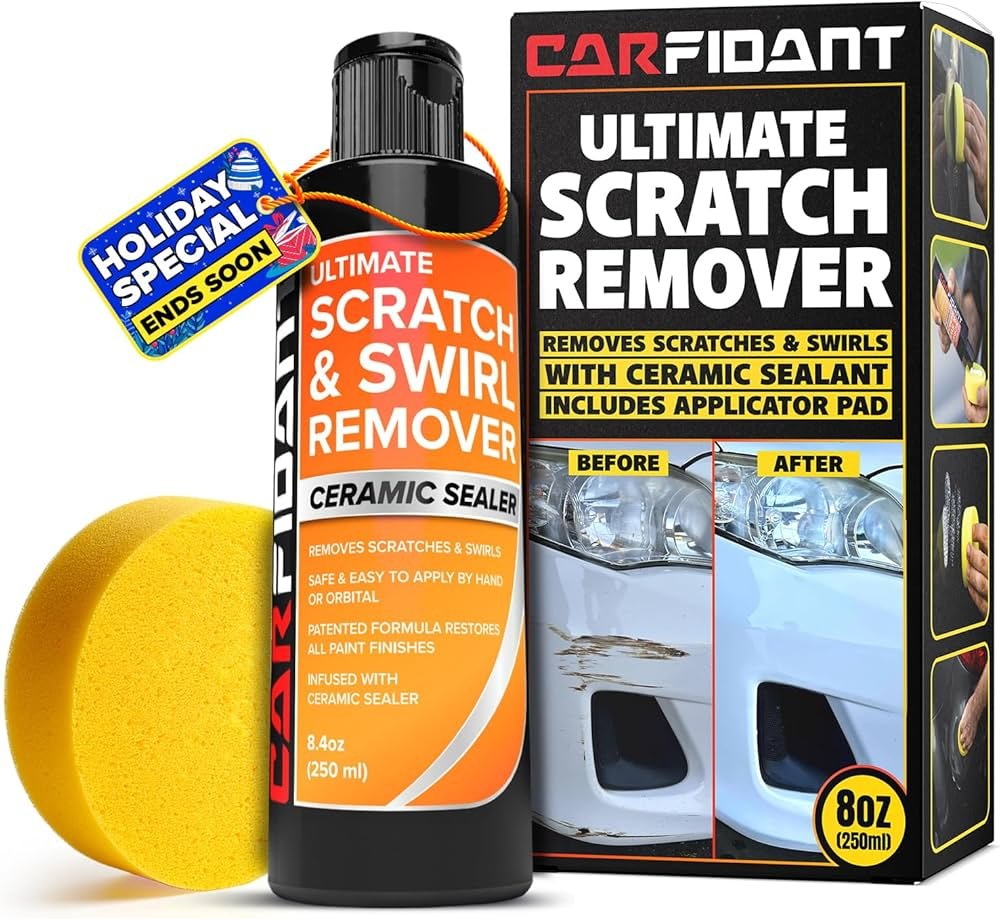
Apply a good quality wax or paint sealant regularly. These products add a protective layer to the paint. Use a quick detailer spray between washes to remove light dust and fingerprints. Choose products designed to be gentle on your car’s finish. Follow the instructions carefully to avoid buildup. Regular detailing keeps the surface smooth and less prone to scratches.
Credit: www.amazon.ae
Frequently Asked Questions
Does Hand Polishing Remove Swirl Marks?
Hand polishing can remove light swirl marks using fine abrasives on small areas. It works best for minor imperfections.
Will Machine Polishing Get Rid Of Scratches?
Machine polishing effectively removes light to moderate scratches by smoothing the paint surface. Deep scratches may need professional repair. Regular polishing restores shine and reduces swirl marks. Use appropriate pads and polish for best results.
How To Get Rid Of Swirl Marks After Polishing?
Wash and dry your car thoroughly. Apply a swirl remover with a foam pad or microfiber towel. Use a dual-action polisher or hand polish in small sections. Buff with overlapping motions until swirls vanish. Wipe clean with a microfiber towel for a high-gloss, swirl-free finish.
What Is The Best Polish For Removing Swirl Marks?
The best polish for removing swirl marks is a dedicated swirl remover or fine polish. Use a dual-action polisher or hand apply with a foam pad. Work in small sections, buff until clear, then wipe with a microfiber towel for a high-gloss, swirl-free finish.
Conclusion
Hand polishing can effectively reduce light scratches and swirl marks. It works best on small areas with gentle pressure. For deeper swirls, machine polishing offers faster, more consistent results. Always start with a clean, dry surface to avoid adding new scratches.
Use quality polish and soft applicators to protect your paint. Take your time and work in small sections for even coverage. Regular maintenance keeps your car’s finish smooth and shiny. Choose the right method based on your needs and patience.
Clear, swirl-free paint boosts your vehicle’s appearance and value.