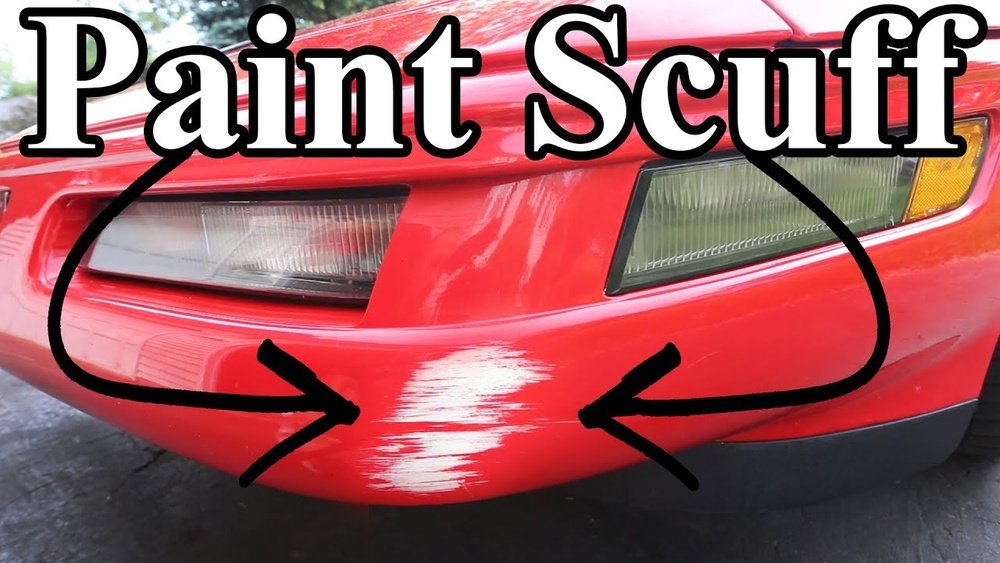
Have you ever noticed an annoying paint scuff ruining the smooth look of your car? Whether it’s from a close parking encounter or an unexpected brush with a shopping cart, these marks can be frustrating.
You want your car to shine, not show off those unsightly blemishes. The good news? Removing paint scuffs from your car doesn’t have to be a headache or a costly repair. You’ll discover simple, effective ways to get rid of those scuffs safely and quickly.
Keep reading, because your car deserves to look its best—and you’ll learn exactly how to make that happen.
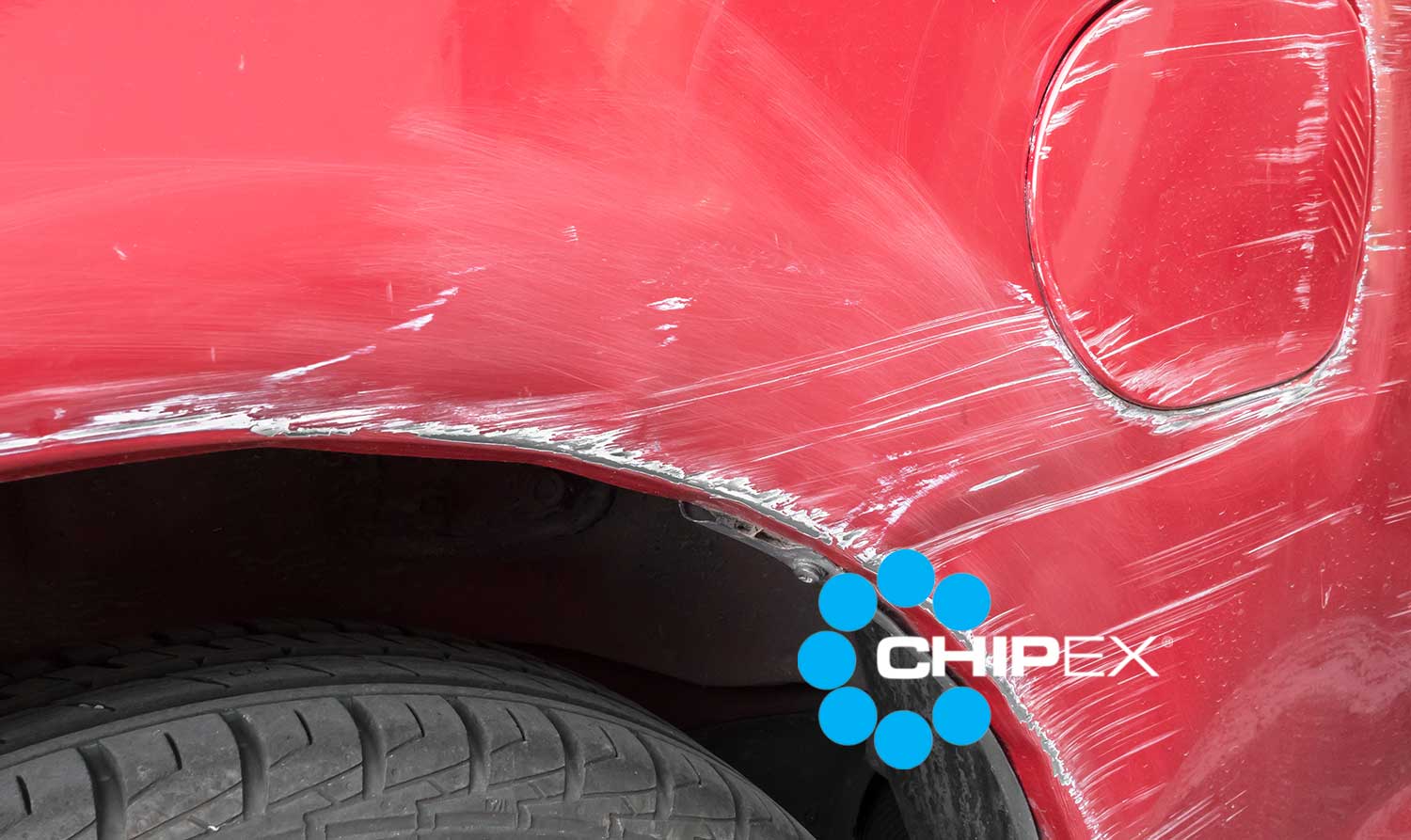
Credit: chipex.com
Common Causes Of Paint Scuffs
Assessing the damage is the first step in removing paint scuffs from your car. It helps you understand the severity of the scuff and choose the right cleaning method. Careful inspection prevents further harm to your car’s paint and saves time.
Light Scuffs Vs Deep Scratches
Light scuffs are surface marks that usually do not penetrate the clear coat. These can often be removed with simple cleaning or mild polishing. Deep scratches cut through the paint layers and may expose the metal underneath. They require more intensive repair methods like touch-up paint or professional help.
Testing On Hidden Areas
Always test any cleaning product on a hidden spot first. This step ensures the product will not damage or discolor your car’s paint. Use a small amount and wait a few minutes to check for any adverse effects. Testing protects your car’s finish and gives confidence before full application.

Credit: wd40.com.au
Assessing The Damage
Removing paint scuffs from your car needs the right tools. Using proper materials protects your car’s finish. It also makes the job easier and faster. Below are the key tools and materials you will need to remove paint scuffs effectively.
Microfiber Cloths
Microfiber cloths are soft and gentle on car paint. They prevent scratches during cleaning. Use them to wipe off dirt and residue. Multiple cloths help keep the process clean. Always use a clean cloth to avoid spreading scuffs.
Magic Eraser
A Magic Eraser works well on light paint scuffs. It gently removes marks without harsh chemicals. Use it with water and test on a small area first. Be careful not to rub too hard. This tool is not for heavy or deep paint damage.
Rubbing Compound And Polish
Rubbing compound helps remove tougher scuffs by smoothing the paint surface. Apply it sparingly with a soft cloth. Follow with polish to restore shine and blend the area. These products require gentle, circular motions. Avoid overuse to protect your car’s clear coat.
Wax And Sealants
Wax and sealants protect the paint after scuff removal. They add a layer that resists future marks. Apply a thin, even coat with a microfiber cloth. Buff the surface for a glossy finish. Regular waxing keeps your car looking new longer.
Tools And Materials Needed
Using a Magic Eraser can be a quick way to remove paint scuffs from your car. It works like a gentle abrasive sponge that lifts marks without harsh chemicals. Safety is key to avoid damaging your car’s paint. Follow simple steps and precautions for the best results.
When To Use It
Use a Magic Eraser for light paint scuffs only. It is best for fresh marks that sit on the surface. Avoid using it on deep scratches or chipped paint. Test on a small, hidden area first. This checks if the eraser harms your car’s finish.
Precautions And Risks
The Magic Eraser can wear down your car’s clear coat if used too hard. Do not scrub aggressively. Avoid using it on matte or satin paint finishes. Always wet the eraser slightly before use. This reduces friction and prevents damage. Keep children and pets away during cleaning.
Step-by-step Application
- Rinse the area with water to remove dirt and grit.
- Wet the Magic Eraser and squeeze out excess water.
- Gently rub the scuff mark with light pressure.
- Check the area frequently to avoid over-scrubbing.
- Wipe the spot with a soft microfiber cloth to remove residue.
- Dry the area and inspect the result.
- Repeat if necessary, but use caution.
Using A Magic Eraser Safely
Removing paint scuffs from your car can be done in several ways beyond basic washing. Alternative removal methods offer effective solutions that restore the car’s finish. These techniques focus on gently removing marks without damaging the paint. They suit various scuff types and paint conditions. Using the right method helps maintain your car’s look and value.
Rubbing Compound Techniques
Rubbing compound works by lightly sanding the paint surface. It removes scuffs and minor scratches by smoothing the damaged layer. Apply a small amount on a soft cloth or applicator pad. Rub the affected area with gentle, circular motions. Avoid pressing too hard to prevent paint damage. After working the compound, wipe off the residue with a clean microfiber cloth. Repeat if needed, but do not overuse rubbing compounds.
Polishing For A Smooth Finish
Polishing refines the paint surface after using a rubbing compound. It removes fine scratches and restores shine. Use a polish designed for automotive paint. Apply polish in small amounts and buff with a soft cloth or polishing pad. Work in circular motions until the surface feels smooth and looks glossy. Polishing helps blend the repaired area with the rest of the paint. It also prepares the surface for waxing.
Waxing To Protect Paint
Waxing seals and protects the paint after scuff removal. It adds a layer that repels dirt, water, and UV rays. Choose a car wax suitable for your paint type. Apply wax evenly using a foam or microfiber applicator. Let it dry to a haze, then buff off with a clean cloth. Waxing enhances shine and prolongs the paint’s life. Regular waxing keeps the car looking fresh and guards against new scuffs.
Alternative Removal Methods
Removing paint scuffs from your car requires care to protect its finish. Different finishes react differently to cleaning methods. Avoid harsh scrubbing or strong chemicals that can cause more harm. Gentle techniques keep your car looking fresh and new.
Avoiding Matte And Satin Finish Damage
Matte and satin finishes are delicate and easily damaged by abrasive products. Avoid polishing or waxing these finishes as they can add unwanted shine. Use a soft, damp microfiber cloth to gently lift scuffs. Test any cleaner on a small hidden area first. Avoid rubbing too hard to prevent scratches or loss of texture.
Protecting Clear Coat And Glossy Paint
Clear coat and glossy paint layers protect your car from elements. Use mild, car-specific cleaners to remove paint scuffs safely. Avoid strong solvents or rough tools that can strip or dull the clear coat. Apply light pressure when wiping and rinse often. After cleaning, consider a gentle wax to restore shine and add protection.
Keeping Glass And Leather Scratch-free
Paint scuffs can transfer onto glass and leather surfaces, causing scratches. Use separate soft cloths for these areas to avoid cross-contamination. Clean glass with a non-abrasive glass cleaner and a microfiber towel. For leather, use a leather cleaner and conditioner to maintain softness. Avoid scrubbing to protect these sensitive materials.
Handling Stubborn Paint Scuffs
Protecting your car’s paint keeps it looking fresh and new. Preventing scuffs saves time and money on repairs. Simple habits and care routines reduce damage and maintain your car’s shine.
Regular Washing And Waxing
Wash your car often to remove dirt and grime. Use gentle car soap and a soft cloth. This stops small particles from scratching the paint. Wax your car every few months. Wax adds a protective layer to the paint. It helps prevent scuffs and makes cleaning easier.
Using Protective Films
Apply clear protective films on areas prone to scuffs. These films act as a shield against scratches and paint transfer. They are thin and almost invisible. Protective films save your car’s finish from daily wear and tear. Replace the film if it gets damaged or worn out.
Safe Parking Practices
Park away from crowded spots and tight spaces. Avoid parking close to shopping carts or bikes. Choose parking spots with plenty of room on both sides. This lowers the risk of accidental bumps and scrapes. Always check for obstacles before opening doors to prevent hits.

Credit: www.youtube.com
Frequently Asked Questions
Does Wd-40 Remove Paint From A Car?
WD-40 can remove some paint scuffs but may damage your car’s clear coat. Test on a small area first. Use gently and follow with polish to restore shine. Avoid heavy paint removal or scratches.
Will Magic Eraser Remove Paint Scuffs From A Car?
A Magic Eraser can remove light paint scuffs gently. Use sparingly to avoid dulling or damaging the car’s paint. Always test first.
How Do You Get Paint Off A Car After Hitting Something?
Use a soft microfiber cloth and gentle car-safe cleaner to remove paint transfer. For light scuffs, a damp Magic Eraser may help. Always test on a hidden area first. Avoid harsh scrubbing to prevent damage. Finish by polishing or waxing the spot to restore shine.
Is 70% Isopropyl Alcohol Safe For Car Paint?
70% isopropyl alcohol can safely remove light dirt from car paint if used sparingly. Always test on a small area first. Avoid frequent use to prevent paint damage or dulling. Use a soft cloth and rinse thoroughly after application.
Conclusion
Removing paint scuffs from your car does not have to be hard. Use gentle methods like a soft cloth or mild cleaner. Always test products on a small area first. Avoid harsh scrubbing to protect your car’s paint finish. Patience and care bring the best results.
Keep your car looking clean and well-maintained with simple steps. Remember, small fixes can prevent bigger problems later. Taking time now saves money and effort in the future. Your car deserves gentle treatment to keep its shine bright.