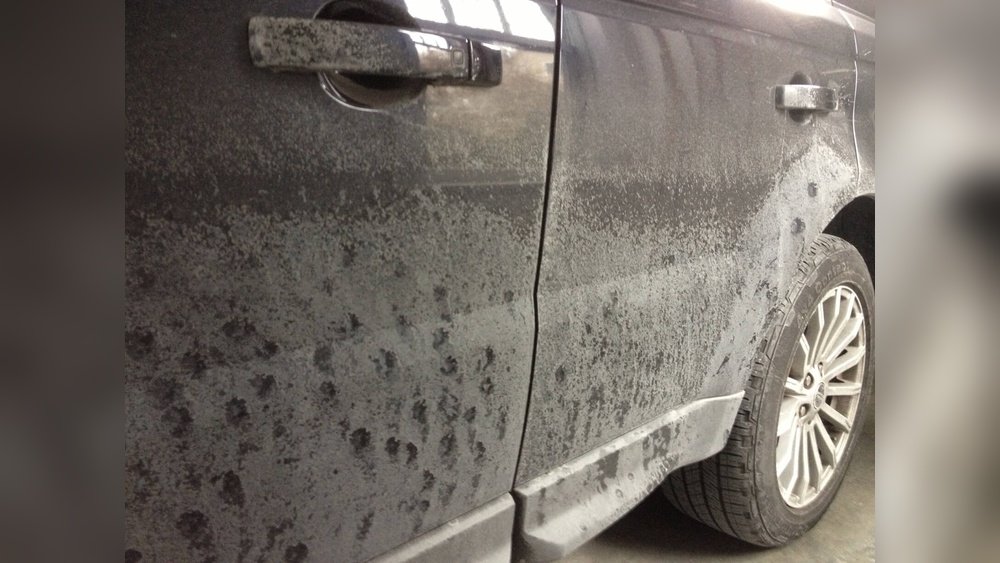
You rely on your car every day, especially during winter months when icy roads become a hazard. To keep those roads safe, salt is spread everywhere—but have you ever stopped to think about what that road salt is doing to your car?
While it helps melt ice and snow, road salt can silently cause serious damage to your vehicle. From accelerating rust to harming crucial parts like brake lines and the undercarriage, road salt poses hidden risks that could cost you a fortune in repairs.
But don’t worry—you can protect your car and keep it looking great all winter long. Keep reading to discover exactly how road salt affects your car and the simple steps you can take to fight back against corrosion and wear. Your car will thank you for it!
Credit: www.garageliving.com
Road Salt Risks
Road salt plays a key role in keeping roads safe during winter. Yet, it poses serious risks to your car. Salt clings to many parts of the vehicle. This can lead to long-term damage that costs money and time. Understanding these risks helps you protect your car better.
Corrosion On Undercarriage
The undercarriage faces the most salt exposure. Salt mixes with moisture and creates a harsh environment. This speeds up metal corrosion. Rust can weaken important parts like the frame and exhaust system. Over time, corrosion can cause structural damage and costly repairs.
Damage To Brake And Fuel Lines
Salt can harm brake and fuel lines hidden beneath your car. Corrosion here can lead to leaks or failures. Damaged brake lines affect stopping power and safety. Fuel line damage can cause fuel leaks and fire risks. Regular checks and cleaning help prevent these dangers.
Paint And Surface Wear
Salt also affects your car’s paint and outer surface. It can cause paint to chip, crack, or fade. Once paint breaks down, metal parts become exposed. This exposure allows rust to form faster. Protecting your car’s paint keeps it looking good and safe from damage.
Accelerated Rust Formation
Salt speeds up the natural rusting process on metal surfaces. Rust starts in small spots and grows quickly if untreated. It can spread to critical car parts, reducing vehicle life. Timely cleaning and rust-proofing slow down rust formation effectively.
Salt Effects On Vehicle Parts
Road salt plays a major role in winter safety, but it harms vehicles too. Salt sticks to many car parts, causing rust and damage over time. The effects often start on the underside and spread to key components. Understanding how salt affects your car helps you protect it better.
Frame And Suspension Damage
The frame and suspension face constant exposure to road salt. Salt causes metal parts to rust quickly, weakening their structure. Rust on the frame can lead to cracks or breaks. Suspension parts like springs and control arms also corrode. This damage reduces ride quality and safety. Regular washing removes salt and slows rust formation.
Exhaust System Corrosion
The exhaust system sits low and catches salt from the road. Salt accelerates corrosion on pipes, mufflers, and clamps. Rust holes may form, causing loud noises and exhaust leaks. Exhaust system damage affects engine performance and emissions. Protecting this system with coatings and timely cleaning is vital.
Mechanical Component Risks
Mechanical parts under your car face serious risks from salt. Salt can damage the oil pan, transmission housing, and brake lines. Corrosion may cause fluid leaks and mechanical failures. Salt also affects bolts and fasteners, making repairs harder. Keeping these parts clean reduces the chance of costly damage.
Effective Salt Removal
Road salt can cause serious damage to your car if not removed properly. Effective salt removal protects your vehicle from rust and corrosion. Cleaning salt off quickly is key to maintaining your car’s condition.
Focus on areas where salt collects most. Use the right washing methods to get rid of salt completely. This keeps your car safe through winter and beyond.
Thorough Washing Techniques
Start with a full car wash using warm water and car shampoo. Pay attention to the wheel wells and lower panels. These areas catch the most salt. Use a soft sponge or mitt to scrub gently. Avoid harsh brushes that might scratch the paint. Rinse well to remove all soap and salt residue.
Undercarriage Cleaning Tips
The undercarriage holds salt from roads and is prone to rust. Use a hose or pressure washer to spray underneath your car. Remove salt from metal parts like the frame, exhaust, and suspension. Clean undercarriage regularly, especially after snowy drives. Consider professional undercarriage washes for deep cleaning.
Using High-pressure Hoses
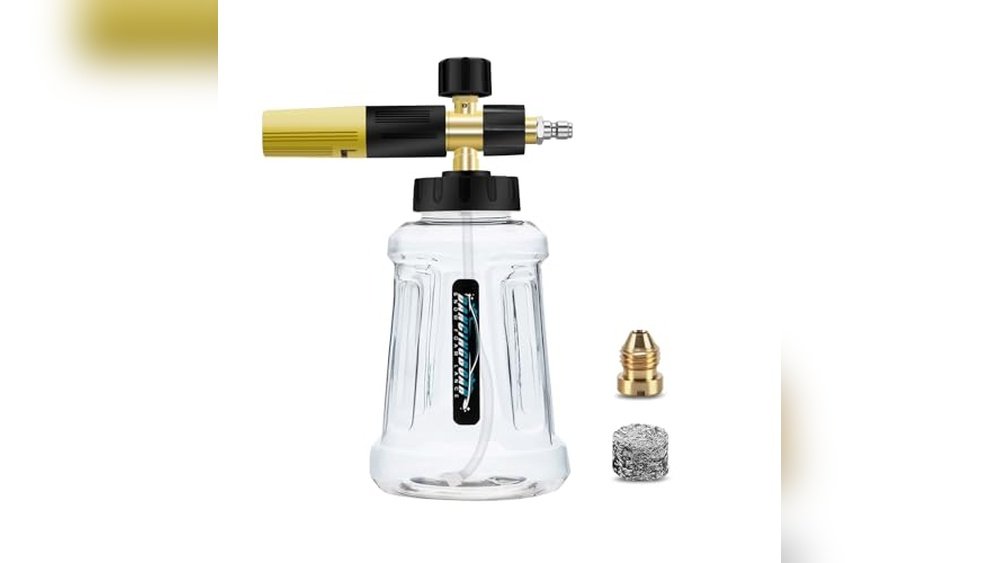
High-pressure hoses blast away salt effectively. They reach tight spots that normal washing misses. Use a pressure setting safe for car paint to avoid damage. Spray slowly and evenly across the car’s surface. Focus on seams, crevices, and wheel areas. Finish with a thorough rinse to wash away loosened salt.

Credit: www.mycarwashking.com
Cleaning Frequency
Road salt can cause serious damage to your vehicle’s paint and metal parts. Keeping a regular cleaning schedule helps protect your car. The right frequency prevents corrosion and extends the life of your vehicle. Understanding when and how often to wash your car is key. Follow these tips for effective cleaning frequency.
Weekly Washing Importance
Washing your car every week removes salt buildup. Salt sticks to the paint and undercarriage, causing rust over time. Weekly cleaning stops salt from settling deeply. It keeps the metal parts safe and the paint shiny. This routine is especially important during winter months.
Post-storm Rinse Timing
Rinse your car soon after a snowstorm or salt application. Waiting too long lets salt dry and harden on surfaces. A rinse within 24 hours removes most salt before damage starts. Use a hose or visit a car wash with undercarriage cleaning. Quick action limits corrosion risks.
Risks Of Delayed Cleaning
Delaying cleaning allows salt to eat away at metal parts. Rust can form under the paint and on hidden spots. This damage spreads and weakens the vehicle’s structure. Repair costs rise when corrosion goes unchecked. Clean your car promptly to avoid costly problems.
Protective Measures
Protecting your car from road salt is essential during winter months. Salt speeds up rust and corrosion on metal parts. Taking preventive steps helps keep your vehicle in good shape. Several protective measures reduce salt damage effectively.
Wax And Ceramic Coatings
Wax creates a thin barrier on your car’s paint. It repels water and salt, preventing direct contact. Applying wax regularly keeps the paint safe from salt stains. Ceramic coatings offer stronger protection than wax. They form a hard, durable layer that shields paint from salt and dirt. This coating also makes cleaning easier and faster.
Undercoating Applications
Undercoating covers the car’s underside with a protective layer. This layer blocks salt from touching metal parts under the car. It prevents rust on the frame, exhaust, and suspension. Applying undercoating before winter adds long-term protection. It is important to check and reapply the coating as needed.
Fluid Film Treatments
Fluid film is a rust-preventive spray for metal surfaces. It penetrates into seams and hard-to-reach areas. This treatment stops salt from causing corrosion on the undercarriage. Fluid film stays flexible and does not dry out quickly. Regular application keeps metal parts safe throughout winter.
Maintaining Safety
Road salt plays a big role in keeping roads safe in winter. Yet, it poses risks to cars, especially to safety parts. Protecting these parts keeps your vehicle safe to drive. Taking care of brake lines, fuel lines, and regular checks helps avoid serious problems caused by salt. Here are key steps for maintaining safety against road salt damage.
Preventing Brake Line Failure
Brake lines are metal tubes that carry brake fluid. Salt causes these tubes to rust and weaken. Rusty brake lines may leak or break, leading to brake failure. To prevent this, rinse the undercarriage often after salty road trips. Use a rust inhibitor spray on brake lines to slow corrosion. Check brake performance regularly and replace any damaged lines fast.
Fuel Line Protection
Fuel lines deliver gas from the tank to the engine. Salt speeds up rust on these parts too. A damaged fuel line can cause leaks, risking fire or engine trouble. Clean the underside of the car thoroughly in winter. Applying protective coatings can block salt from touching fuel lines. Watch for signs like strong fuel smells or engine problems, and fix issues promptly.
Regular Vehicle Inspections
Frequent inspections catch salt damage early. Look under the car for rust spots or salt build-up. Check brake and fuel lines carefully during inspections. Clean and treat any areas showing corrosion. A mechanic can spot hidden damage and repair it before it worsens. Regular checks keep your car safe and extend its life despite road salt exposure.
Winter Driving Tips
Winter driving can be tough on your car. Road salt helps melt ice but harms your vehicle. Salt causes rust and corrosion, especially on the metal parts underneath. Protecting your car during winter is important. Use simple tips to reduce salt damage and keep your car safe and clean.
Minimizing Salt Exposure
Wash your car often to remove salt buildup. Focus on the undercarriage where salt collects the most. Use a high-pressure hose to clean hard-to-reach places. Avoid driving through large puddles or slushy roads. Salt water splashes can increase corrosion risks. Applying a protective wax coat before winter helps shield paint and metal.
Safe Parking Practices
Park your car away from salted areas if possible. Avoid parking near salted sidewalks or roads. Salt piles near curbs can splash onto your car. Use covered parking or garages to reduce salt exposure. If you must park outside, try to find spots that receive sunlight. Sunlight helps dry salt faster, reducing corrosion time.
Choosing Salt-free Routes
Plan your drives on roads less salted or treated with sand. Residential streets or highways may have less salt than city roads. Use maps or apps to find salt-free or low-salt routes. Avoid shortcuts that pass through heavily salted areas. Taking longer but cleaner routes protects your car from salt damage.

Credit: knowhow.napaonline.com
Frequently Asked Questions
Will Road Salt Damage My Car?
Yes, road salt can damage your car by causing corrosion and rust, especially on the undercarriage and metal parts. Regular washing, focusing on the undercarriage, helps prevent salt buildup and protects your vehicle from long-term damage.
How Do You Get Road Salt Off Your Car?
Wash your car thoroughly using a high-pressure hose. Focus on the undercarriage to remove all salt residue. Clean frequently during winter to prevent corrosion and rust.
How Long Can I Leave Road Salt On My Car?
Do not leave road salt on your car for more than a few days. Prolonged exposure speeds corrosion and rust. Wash your car weekly in winter, focusing on the undercarriage, to prevent damage and maintain safety.
Does Salt Ruin An Undercarriage?
Salt causes corrosion and rust on the undercarriage by accumulating on metal parts. Regular washing prevents damage.
Conclusion
Road salt can harm your car if left on too long. It causes rust and damages metal parts. Clean your car often, especially the undercarriage. Washing removes salt and slows corrosion. Taking care now saves costly repairs later. Stay safe and keep your car strong this winter.