
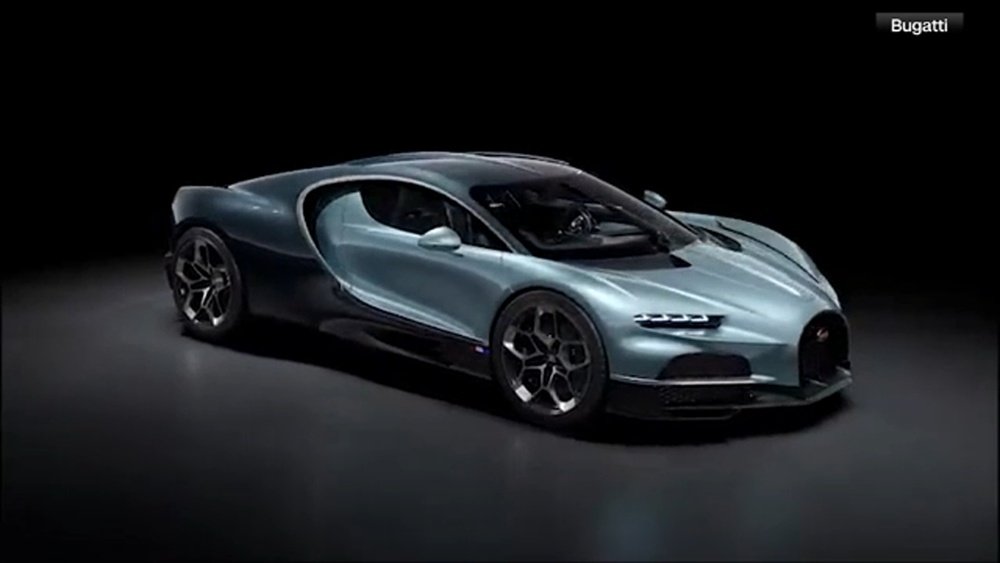
Imagine your daily drive transforming from the roar of a powerful engine to the quiet hum of electric motors. Cars have come a long way—from relying on raw horsepower to embracing clean, electric power that’s reshaping how you move.
But how exactly did this shift happen? What does it mean for your car’s performance, your wallet, and the planet? If you’ve ever wondered about the journey from gas guzzlers to electric vehicles, this article will guide you through the fascinating evolution of cars.
Stick with us to discover how technology, innovation, and your own choices are driving the future of transportation.
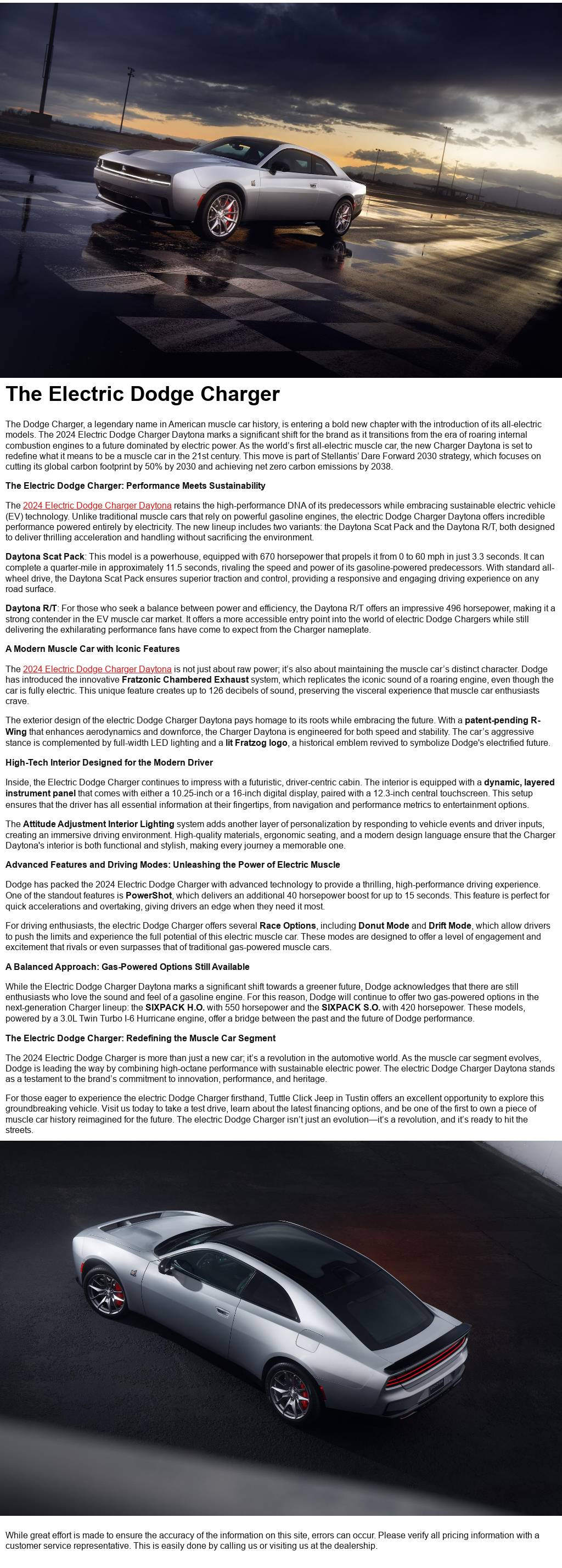
Credit: www.tuttleclickstustinjeep.com
Horsepower Origins
The origins of horsepower trace back to the era before engines powered vehicles. Understanding this concept helps us see how early machines shaped the future of cars. Horsepower started as a way to measure the strength of horses compared to machines. It gave inventors a standard to compare power and efficiency.
Early Transportation Methods
Before cars, people used horses for travel and work. Horse-drawn carriages and carts were common for moving goods and people. This method was slow and limited by the horse’s endurance. Roads were rough, and journeys took a long time. The need for faster and stronger transport sparked new ideas.
The Birth Of Horsepower Concept
James Watt introduced the term horsepower in the late 1700s. He needed a way to show how powerful his steam engines were. Watt observed how much work a horse could do in a minute. He calculated that one horse could turn a mill wheel with a specific force. This measurement became the unit called horsepower.
Impact On Vehicle Design
Horsepower became a key factor in designing early vehicles. Engineers used it to compare steam engines and later gasoline engines. It helped them build cars that could go faster and carry heavier loads. The term also influenced marketing, as higher horsepower meant better performance. This legacy continues today in how we describe car power.
Rise Of Internal Combustion
The rise of internal combustion engines marked a turning point in car history. It shifted power sources from horses to machines. This change made cars faster, more reliable, and easier to use. The internal combustion engine used gasoline to create energy. This engine type grew quickly and shaped the automotive world for over a century.
Invention Of Gasoline Engines
The gasoline engine was invented in the late 19th century. Engineers built small engines that burned gasoline inside cylinders. This process created controlled explosions to move pistons. These pistons then powered the car’s wheels. Early inventors like Nikolaus Otto and Karl Benz played key roles. Their work laid the foundation for modern cars. Gasoline engines were more powerful than steam or electric engines at that time.
Mass Production And Accessibility
Mass production began with Henry Ford in the early 1900s. His assembly line cut the cost of making cars. This made cars affordable for many families. More people could now own a car and travel freely. Roads and cities grew to support this new travel style. The internal combustion engine became the standard for most vehicles. It helped build the modern transportation system worldwide.
Environmental And Efficiency Challenges
Internal combustion engines burn fossil fuels, causing pollution. Cars release carbon dioxide and other harmful gases. This contributes to air pollution and climate change. Engines also waste energy as heat, lowering efficiency. Over time, governments introduced rules to reduce emissions. Automakers worked to make engines cleaner and more fuel-efficient. Despite improvements, challenges remain in balancing power and pollution.
Early Electric Vehicles
Early electric vehicles marked an important chapter in automotive history. They appeared in the late 19th and early 20th centuries, before gasoline cars dominated the market. These vehicles showcased new technology, offering a different way to power automobiles.
Many inventors and companies developed initial electric car models. These early cars were simple yet effective, using batteries to run electric motors. They provided a quiet and smooth ride, attracting urban drivers and women.
Initial Electric Car Models
The first electric cars used lead-acid batteries and had limited speed. Models like the 1890s Baker Electric and Columbia Electric gained popularity. These cars could travel around 30 miles on a single charge. They featured easy controls and no manual gear shifting.
Advantages Over Gasoline Cars
Electric cars did not produce smoke or noise, making them cleaner and quieter. They required less maintenance because they had fewer moving parts. Starting an electric car was easier, needing no hand cranking. These benefits made them attractive in cities with short trips.
Reasons For Decline
Electric vehicles faced challenges as gasoline cars improved. Gas cars gained longer range and faster refueling options. The discovery of cheap Texas oil lowered gasoline prices. Also, mass production of gasoline cars made them affordable. Limited battery technology kept electric cars from traveling far. These factors caused electric vehicles to lose popularity by the 1920s.
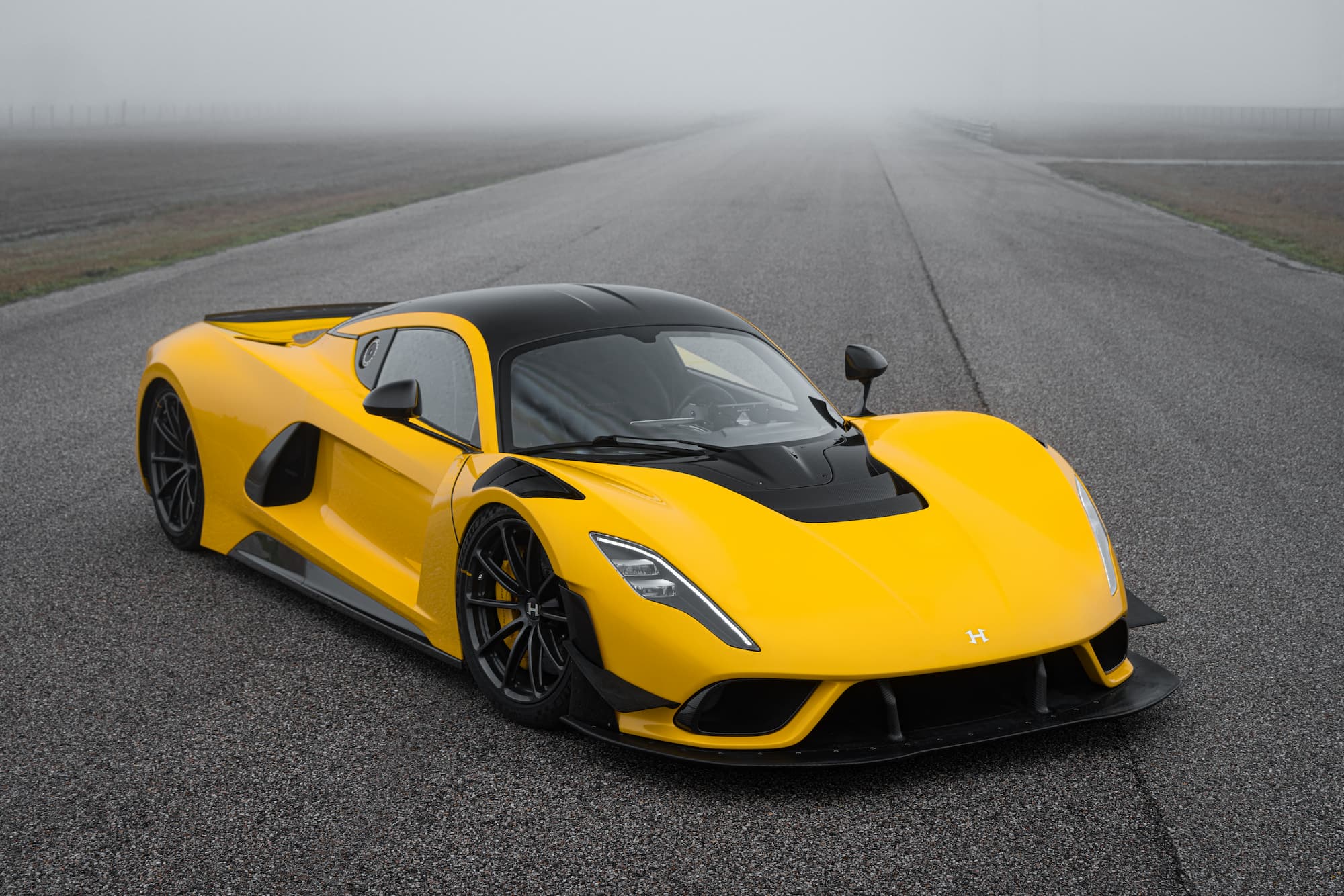
Credit: www.hennesseyspecialvehicles.com
Technological Breakthroughs
Modern electric cars have changed the way people think about driving. They offer a cleaner, quieter, and often faster alternative to traditional gasoline vehicles. These cars run on electric motors powered by batteries, eliminating the need for fossil fuels. The technology has improved rapidly, making electric cars more practical and desirable for everyday use.
Electric vehicles now compete with gas-powered cars in many ways. They deliver strong performance, longer driving ranges, and a growing presence in the market. Consumers are increasingly choosing electric cars for their efficiency and lower environmental impact.
Performance And Horsepower Gains
Electric motors provide instant torque, allowing fast acceleration from a stop. Many modern electric cars match or exceed the horsepower of gasoline vehicles. This results in smooth, powerful performance with fewer moving parts. The simplicity of electric drivetrains reduces maintenance and improves reliability.
Range Improvements
Battery technology has advanced, extending the driving range of electric cars. Many models now offer over 250 miles on a single charge. Fast-charging networks also reduce downtime during long trips. These improvements ease range anxiety and make electric cars suitable for more drivers.
Market Growth And Consumer Adoption
The electric vehicle market is growing quickly worldwide. More car manufacturers produce electric models, increasing consumer choices. Governments offer incentives to encourage electric car purchases. Buyers appreciate lower running costs and eco-friendly features. This growth signals a shift toward sustainable transportation.
Modern Electric Cars
The shift from horsepower engines to electric power has deeply changed transportation. Cars now move more efficiently and cleanly. This change affects how cities grow, how people share rides, and how we care for the planet.
Urban Mobility Changes
Electric cars help reduce city pollution. They produce less noise and fewer emissions. This makes urban areas healthier and quieter. Charging stations appear more in neighborhoods. This supports longer trips and daily use. Public transport systems often mix with electric vehicles. This improves overall traffic flow and reduces congestion.
Ride-sharing And Autonomous Vehicles
Electric power supports new ride-sharing options. These services use electric cars to lower costs. Autonomous vehicles use electric engines for better control. They rely less on fuel and maintenance. These cars can drive safely and smoothly. Ride-sharing becomes cleaner and more affordable. It also cuts the number of cars on the road. This reduces traffic jams and parking problems.
Sustainability And Climate Goals
Electric cars play a key role in fighting climate change. They cut down carbon emissions from transport. Many countries set goals to reduce fossil fuel use. Electric cars help meet these targets faster. They use renewable energy sources like solar or wind. This lowers the carbon footprint of driving. More people choose electric vehicles to protect the earth.

Credit: spectrum.ieee.org
Conclusion
Cars have changed a lot over time. From horses pulling carts to powerful engines driving cars. Electric power now leads the way forward. This shift helps reduce pollution and save energy. Many people enjoy quieter, cleaner rides today. The future of cars looks bright and green.
Technology keeps improving, making cars smarter and safer. Old gas cars will still be around for a while. Yet, electric vehicles will grow in popularity fast. The journey from horsepower to electric shows human progress.