
Looking to give your car a fresh, stylish edge? Tinting your car’s tail lights is one of the easiest and most affordable ways to transform your vehicle’s look instantly.
But it’s not just about style—tinted tail lights can protect your lights from UV damage and add a sleek, custom vibe that turns heads wherever you go. Curious about how to do it right, what materials work best, or the legal rules you need to know?
Keep reading—this guide will walk you through everything you need to know to safely and effectively tint your car’s tail lights and upgrade your ride’s appearance with confidence.
Credit: www.tintingchicago.com
Benefits Of Tail Light Tinting
Tinting your car’s tail lights offers several advantages beyond just style. It can improve the look of your vehicle, provide better visibility at night, and protect the lights from damage. These benefits make tail light tinting a popular choice among car owners who want both form and function.
Enhanced Vehicle Style
Tinted tail lights give your car a sleek, modern look. The darker shade adds a unique touch without being too flashy. It blends well with many car colors and designs. This small change can make your vehicle stand out on the road.
Improved Night Visibility
Tinting can reduce glare from tail lights behind you. It helps other drivers see your car’s lights more clearly. This can improve safety during night driving. Properly tinted tail lights maintain brightness while cutting down harsh light.
Protection Against Uv Damage
Tail light tint films shield your lights from harmful UV rays. This prevents fading and cracking over time. The tint acts as a barrier, keeping your lights looking new longer. It also reduces the chance of yellowing and discoloration.
Types Of Tinting Methods
Choosing the right tinting method is important for your car’s tail lights. Different methods offer unique looks and durability. Understanding these methods helps you pick the best option. Below are the main types of tinting methods.
Film Tinting
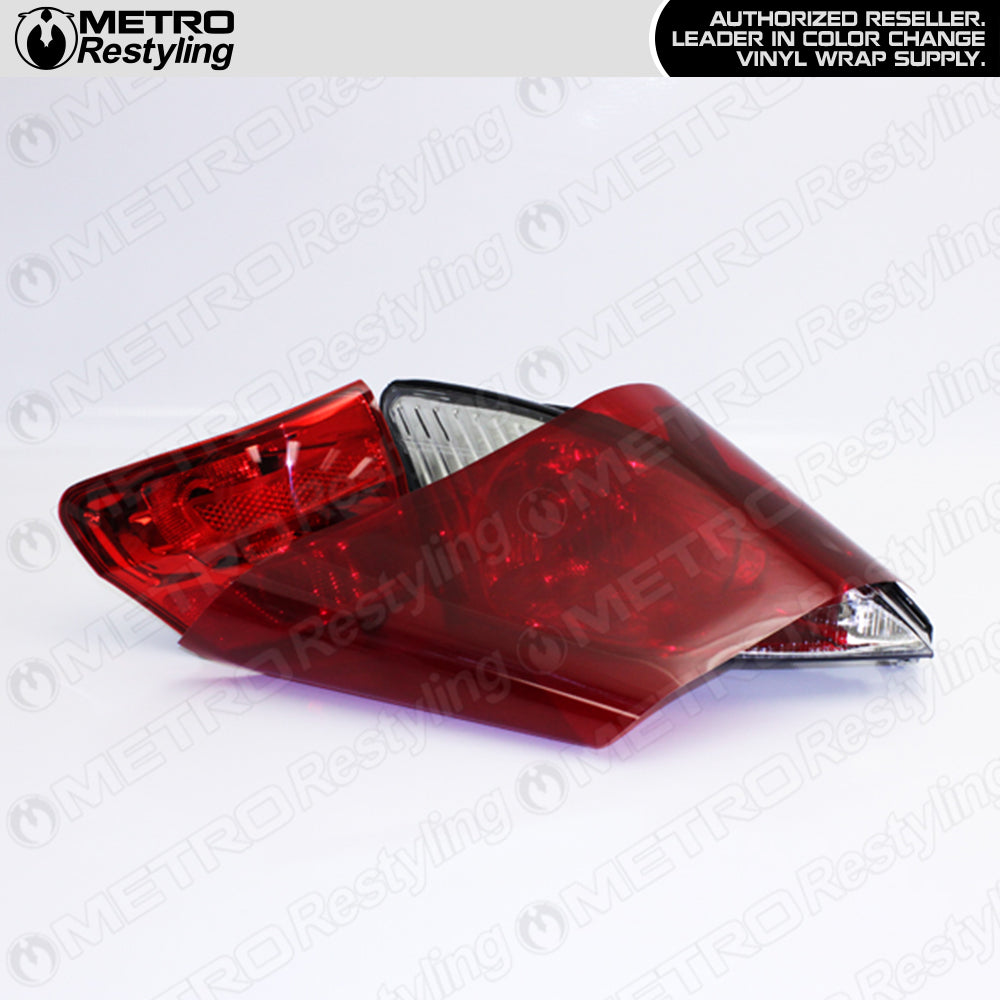
Film tinting uses a thin, colored vinyl sheet applied to tail lights. It comes in various shades and finishes. The film is cut to fit the light perfectly. Installation requires careful cleaning and smoothing to avoid bubbles. Film tinting is removable and does not damage the lights. It provides a consistent color and sharp appearance.
Spray Tinting
Spray tinting involves spraying a special tint paint directly on tail lights. This method creates a smooth, even layer over the light surface. Spray tint can be customized with different opacity levels. It is more permanent than film tinting and harder to remove. Spray tinting requires professional skills for a clean finish. It blends well with the light’s shape and curves.
Pros And Cons Of Each Method
Film tinting is easy to apply and remove. It protects the tail lights from scratches. It may peel or bubble over time if not installed properly. Spray tinting offers a sleek, uniform look. It lasts longer and resists peeling. Removing spray tint can damage the lights. It is harder to fix if mistakes happen during application.
Step-by-step Tinting Process
Tinting your car’s tail lights enhances the vehicle’s look and adds a sleek style. The process requires care and precision. Following a clear, step-by-step method ensures the tint lasts long and looks professional. Below is a simple guide to tinting your tail lights at home.
Cleaning The Tail Lights
Start by washing the tail lights with soap and water. Remove all dirt and grease. Use a clean cloth to dry them completely. Any residue will prevent the tint film from sticking properly. For best results, use rubbing alcohol to wipe the surface. This step ensures a smooth application.
Applying The Tint Film
Cut the tint film slightly larger than the tail light. Peel off the backing carefully. Spray the tail light with a mixture of water and a few drops of soap. This helps reposition the film. Place the film on the tail light gently. Smooth it from the center outwards to remove air bubbles.
Using Heat For Proper Adhesion
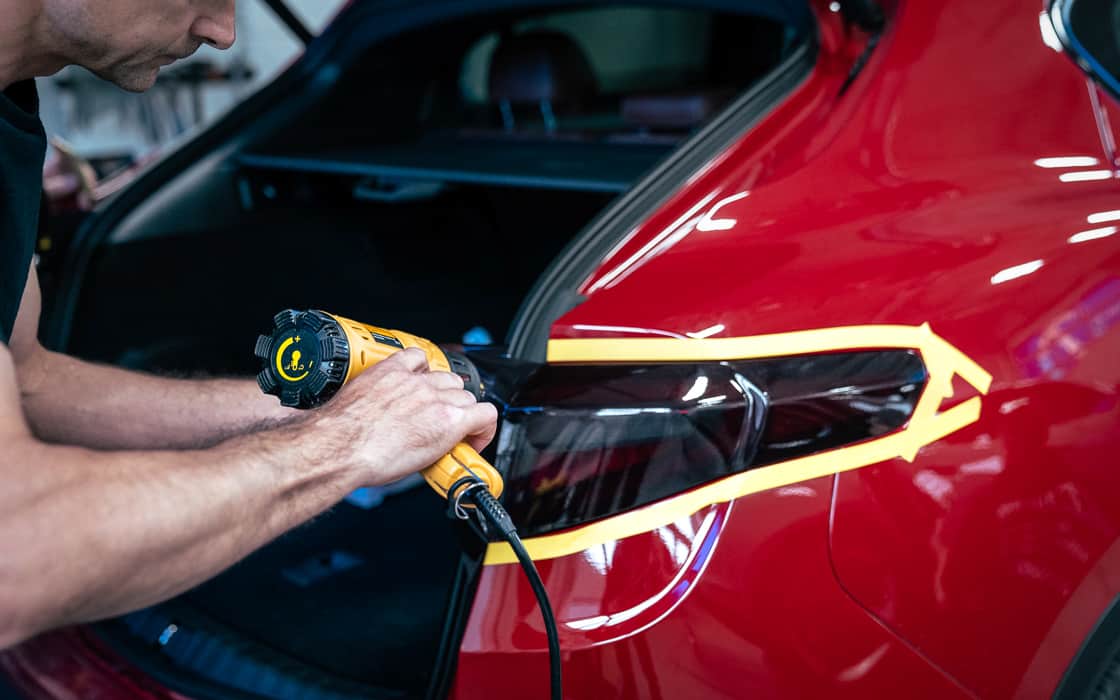
Use a heat gun or a hair dryer on low heat. Warm the film evenly to activate the adhesive. Be careful not to overheat and damage the film or the light. Heat helps the film to stretch and fit the curves. Keep smoothing the film with a squeegee or soft cloth during heating.
Trimming And Finishing Touches
After the film sticks well, trim the excess with a sharp blade. Cut close to the edges without scratching the tail light. Press the edges firmly to seal the film. Let the tint dry for at least 24 hours before driving. This prevents peeling and ensures a clean finish.
Legal Considerations
Tinting your car’s tail lights changes its look and style. Yet, legal rules exist to keep roads safe. Understanding these rules helps avoid fines or safety risks. Laws vary by place and focus on color, brightness, and reflectivity. Always check your area’s rules before tinting tail lights.
State Laws On Tail Light Tinting
Each state has its own laws about tail light tinting. Some states allow light tinting, while others ban it. Six states completely forbid tinting tail lights. Many states require tail lights to stay visible and clearly red. Ignoring these rules can lead to tickets or failed inspections.
Restrictions On Color And Reflectivity
Tail lights must show the color red to drivers behind you. Tinting cannot change this red color. The reflectors on tail lights must not be covered or blocked. These reflectors help other drivers see your car in low light. Dark or colored tints that hide reflectors are illegal in most places.
Checking Local Regulations
Local laws can differ from state rules. City or county rules may add extra restrictions. Visit your state’s department of motor vehicles website for details. Calling local law enforcement can also clarify rules. Knowing exact rules helps avoid legal trouble and keeps your car safe on the road.
Maintenance Tips
Keeping your tinted tail lights in top shape needs regular care. Proper maintenance helps the tint last longer and keeps your car looking sharp. Simple steps can prevent damage and peeling. Knowing when to replace the tint ensures your tail lights stay safe and functional.
Cleaning Tinted Tail Lights
Use a soft cloth or sponge to clean tinted tail lights. Avoid rough materials that can scratch the tint film. Wash gently with mild soap and water. Do not use harsh chemicals or abrasive cleaners. Dry with a soft towel to prevent water spots. Clean regularly to remove dirt and grime.
Avoiding Damage And Peeling
Do not use sharp objects near the tint. Avoid high-pressure washers directly on the tint. Park in shaded areas to reduce sun damage. Excessive heat can cause the tint to peel. Be cautious when applying wax or polish on tinted areas. Handle with care to extend the tint’s life.
When To Replace Tint
Replace tint if it starts bubbling or peeling. Faded color or cracks also mean it’s time for a new layer. If visibility through the tail lights decreases, replace the tint immediately. Timely replacement keeps your car safe and looking good. Check your tail lights regularly for any signs of wear.
Credit: immanuel-ed.org
Choosing A Professional Tinting Service
Choosing a professional tinting service is key for quality results and safety. Tail light tinting requires skill and precision. A good service ensures the tint fits perfectly and lasts long. It also keeps your lights visible and meets legal rules. Finding the right shop means your car looks great and stays safe on the road.
What To Look For In A Shop
Find a shop with experience in tail light tinting. Check if they use high-quality tint film or spray. The shop should have skilled staff who handle your car carefully. Ask if they offer a warranty or guarantee for their work. A clean, organized workspace shows professionalism. Make sure the shop follows local laws on tint darkness and reflectors.
Cost Factors
Price varies by tint type and car model. Film tinting usually costs more than spray tint. Bigger or complex tail lights need more time and materials. Some shops charge extra for removal of old tint. Keep in mind that very cheap services might cut corners. Investing in a good tint can save money from future repairs or replacements.
Reviews And Recommendations
Read online reviews to see others’ experiences. Look for shops with many positive ratings and detailed feedback. Ask friends or family for personal recommendations. Photos of past work help check quality and style. Pay attention to how the shop responds to complaints. A trustworthy service values customers and solves problems quickly.
Common Mistakes To Avoid
Tinting your car’s tail lights can enhance its look and add a personal touch. Many car owners try this DIY project. Yet, some common mistakes can ruin the final result. Avoiding these errors helps you get a clean, professional finish. It also ensures safety and legal compliance.
Applying Tint In Poor Conditions
Applying tint in dusty or humid environments causes bubbles and dust under the film. Cold weather makes the tint less flexible, leading to cracks or peeling. Work in a clean, warm, and dry place. Proper lighting helps spot air bubbles and wrinkles early.
Using Low-quality Materials
Cheap tint films fade quickly and may peel off after a short time. Poor adhesives cause the film to lift at the edges. Use high-quality tint films designed for tail lights. These last longer and protect against UV damage and weather.
Ignoring Legal Limits
Every state has rules about how dark your tail light tint can be. Too dark tint reduces visibility and can cause accidents. Some places ban tail light tinting entirely. Check local laws before you start. Staying legal avoids fines and safety risks.

Credit: peterloon.org
Frequently Asked Questions
Is It Legal To Tint My Tail Lights?
Tinting tail lights is legal in most states if they remain red and visible. Some states prohibit tinting entirely. Always check local laws to ensure compliance and safety.
Is It Okay To Tint Tail Lights?
Tinting tail lights is legal in most states if red color and reflectors remain visible. Use quality tint films for safety and style.
Can I Black Out My Taillights?
You can black out taillights using tint film or spray. Tint film is easier to apply and remove. Ensure tinting complies with local laws to maintain safety and legality.
Why Do People Tint Their Taillights?
People tint their taillights to enhance their vehicle’s appearance, making it look sleek and sporty. Tint films also protect lights from UV damage.
Conclusion
Tinting your car’s tail lights can enhance its look and style. It adds a sleek, sporty touch that many drivers enjoy. Choose the right tint type to ensure safety and legality. Film tints are popular for easy application and removal.
Remember to check your local laws before tinting. Proper care helps keep the tint looking fresh longer. Tail light tinting offers a simple way to personalize your vehicle. Take your time to do it right for the best results.