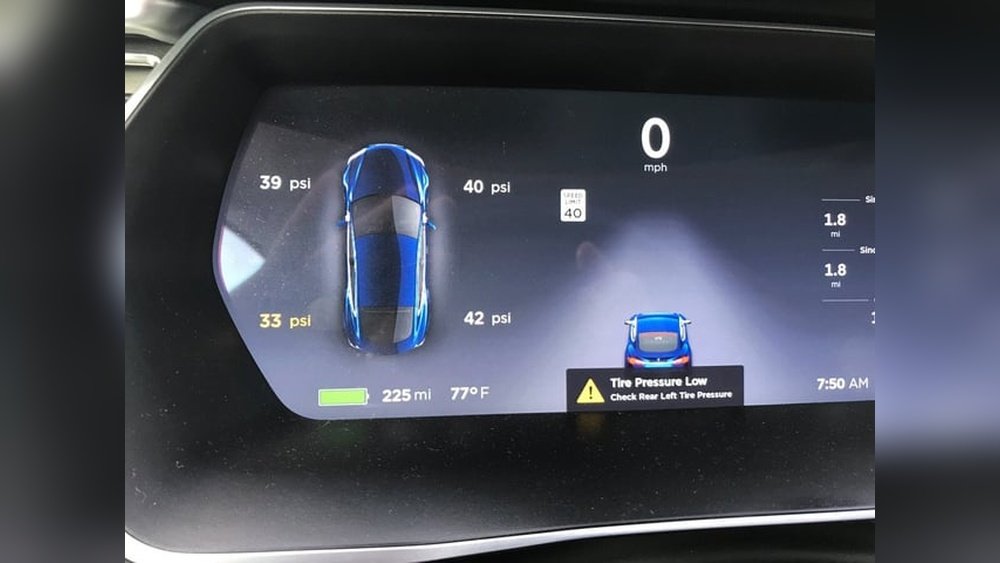
Have you ever woken up to find your tire has lost 10 psi overnight? It’s frustrating and can leave you wondering if there’s a serious problem or just normal pressure changes.
Losing that much air while your car sits still can affect your safety, fuel efficiency, and tire lifespan. But what exactly causes this sudden drop? Is it a hidden puncture, a faulty valve, or just the weather playing tricks on you?
You’ll discover the common reasons behind overnight tire pressure loss and learn simple steps to spot and fix the issue before it turns into a bigger headache. Keep reading to protect your ride and avoid unexpected surprises on the road.
Common Reasons For Overnight Pressure Loss
Tire pressure dropping by 10 psi overnight is a common issue for many drivers. Several factors cause this sudden loss. Understanding these reasons helps in quick detection and repair. This section covers the most frequent causes of overnight pressure loss.
Punctures And Sharp Objects
Small nails, screws, or glass can pierce the tire tread. These sharp objects create slow leaks that lose air overnight. Sometimes, the damage is not visible at first glance. Checking the tire carefully can reveal the puncture site.
Valve Stem Issues
The valve stem controls air flow in and out of the tire. A cracked, damaged, or loose valve stem can leak air slowly. Dirt or corrosion around the valve also causes leaks. Tightening or replacing the valve stem often fixes the problem.
Bead Leaks At Rim
The tire bead seals the tire to the rim. Dirt, rust, or debris between the bead and rim can break this seal. This causes air to escape slowly overnight. Cleaning the rim and reseating the tire usually stops the leak.
Damaged Or Bent Rims
Hitting potholes or curbs can bend or crack the rim. A damaged rim may prevent the tire from sealing properly. This allows air to leak out during rest. Inspect rims for dents and get repairs if needed.
Temperature Effects On Pressure
Cold temperatures make air contract, lowering tire pressure. A drop of 10 psi overnight is common in cold weather. Pressure falls as the air cools inside the tire. Check tire pressure when tires are cold for accurate reading.

Credit: www.reddit.com
How Temperature Affects Tire Pressure
Tire pressure changes with temperature shifts. Air inside tires expands when warm and contracts when cold. This natural effect causes tire pressure to drop overnight during colder weather. Understanding these changes helps you maintain safe tire pressure and avoid surprises on the road.
Air Contraction In Cold Weather
Cold air makes tire pressure fall. Air molecules move slower and take up less space. This contraction lowers the pressure inside your tires. A drop of about 1 psi for every 10°F decrease is common. Overnight temperature drops often cause noticeable pressure loss.
Pressure Changes From Heat To Cold
Heat causes air to expand, raising tire pressure. Driving warms the tires and air inside them. After parking, tires cool down, and air contracts. The pressure then returns to a lower, colder level. This cycle repeats daily with changing temperatures.
Normal Vs Abnormal Pressure Drops
Normal pressure drops occur due to temperature changes. A 5 to 10 psi loss overnight can be normal in cold weather. Large or rapid losses suggest leaks or damage. Check for punctures, valve issues, or rim problems if pressure falls too much.
Detecting Tire Leaks Quickly
Detecting tire leaks quickly can save time and prevent unexpected flat tires. A sudden drop of 10 psi overnight often signals a leak. Catching it early helps maintain safety and tire life. Regular checks protect your vehicle and improve fuel efficiency.
Visual Inspection Tips
Start by looking closely at your tire’s surface. Check for nails, screws, or sharp objects stuck in the tread. Look for cracks or cuts on the sidewall. Inspect the rim area for dents or corrosion. Notice any wet spots or bubbles that may indicate air escaping.
Using Soapy Water To Find Leaks
Mix water and liquid soap in a spray bottle. Spray the solution on the tire, rim, and valve stem. Watch carefully for bubbles forming. Bubbles show where air is leaking out. This method works well for slow, hard-to-see leaks.
Checking The Valve Core And Cap
Ensure the valve cap is screwed on tight. A loose cap can cause small leaks. Press the valve core gently to see if air escapes. Replace the valve core if it feels loose or damaged. A good valve prevents pressure loss and keeps air inside.
Temporary Fixes Before Repair
Temporary fixes help maintain tire pressure until a proper repair is done. These quick actions keep your tire safe for short trips and prevent further damage. Acting fast can save time and money while you arrange a full repair.
Inflating Tires To Correct Pressure
Check your tire pressure with a reliable gauge. Inflate the tire to the recommended psi listed in your vehicle manual. Avoid over-inflating, which can cause uneven wear or a blowout. Regularly monitor the pressure to catch any further loss early.
Using Tire Sealants Carefully
Tire sealants can temporarily plug small leaks inside the tire. Follow the product instructions exactly to avoid damage. Sealants are not a permanent fix and may affect future tire repairs. Use them only as a short-term solution before visiting a tire shop.
Replacing Valve Cores
A faulty valve core often causes slow air leaks. Purchase a valve core tool to remove and replace the old core. New cores create a better seal and stop leaks. Always check the valve cap is tight after replacing the core to keep dirt out.
When To Visit A Tire Professional
Knowing when to visit a tire professional is crucial if your tire loses 10 psi overnight. Sudden pressure drops can signal a serious problem. Timely professional help prevents further damage and ensures safety on the road.
Some pressure loss is normal due to temperature changes. But large drops need expert attention. A tire expert can diagnose the cause and recommend the best fix. Acting quickly avoids potential accidents and costly repairs.
Signs You Need A Repair Or Replacement
Look for visible damage like nails or cuts on the tire. Bulges or cracks on the sidewall also need immediate attention. If the tire pressure drops repeatedly, it may need repair or replacement. Uneven wear or vibration while driving can indicate tire problems too. Any sudden loss of air pressure is a warning sign.
What To Expect At The Tire Shop
The technician will inspect your tire carefully. They check for punctures, valve issues, and rim damage. A soapy water test helps find slow leaks. Professionals may patch small holes or recommend new tires if damage is severe. They will also balance and align your tires if needed. The goal is to restore proper pressure and safety.
Avoiding Future Pressure Loss
Keep tires properly inflated to the recommended psi. Check pressure regularly, especially before long trips. Avoid driving over sharp objects and potholes. Replace damaged valve stems promptly. Maintain wheel alignment and balance to prevent uneven wear. Proper tire care reduces the chance of sudden pressure loss. Regular inspections catch problems early.

Credit: www.reddit.com
Preventive Measures To Maintain Tire Pressure
Maintaining proper tire pressure prevents sudden drops like losing 10 psi overnight. Consistent care extends tire life and improves safety. Taking simple steps ensures your tires stay inflated and perform well.
Check pressure regularly to catch leaks early. Follow correct inflation methods to avoid damage. Protect tires from harm that causes air loss.
Regular Pressure Checks
Check your tire pressure at least once a week. Use a reliable gauge to get accurate readings. Measure pressure when tires are cold for best results. Keep a record to track changes over time. Early detection helps avoid flat tires and accidents.
Proper Tire Inflation Practices
Inflate tires to the manufacturer’s recommended pressure. Avoid overinflating or underinflating, as both cause problems. Use an air compressor or pump with a gauge. Inflate tires in cool weather or before driving. Proper inflation improves fuel efficiency and handling.
Protecting Tires From Damage
Avoid sharp objects and rough roads that harm tires. Park away from curbs to prevent sidewall damage. Inspect tires for cuts, cracks, or bulges regularly. Replace worn tires to reduce risk of leaks. Damaged tires lose air faster and can be unsafe.

Credit: rnrtires.com
Conclusion
Tire pressure loss overnight can signal different issues. Small punctures or valve problems often cause leaks. Temperature changes also affect tire pressure naturally. Regularly check your tires for damage and leaks. Use simple tests like soapy water to find leaks.
Keep tires properly inflated for safety and better performance. Don’t ignore sudden or large pressure drops. Visit a tire professional if you suspect a problem. Staying alert helps prevent unexpected flats and costly repairs.