
Have you ever noticed a scratch on your car and wondered what type it is? Understanding the different types of car scratches can save you time, money, and frustration.
Whether it’s a tiny mark from a car wash or a deep gouge from a parking mishap, knowing exactly what kind of scratch you’re dealing with helps you decide how to fix it—or if you even need to fix it right away.
You’ll learn about the most common types of car scratches, how to spot them, and what steps you can take to restore your car’s finish. Keep reading to protect your car’s look and value before those scratches get worse!
Scratch Types
Car scratches vary in depth and severity. Each type affects your vehicle’s look differently. Knowing the scratch type helps choose the right repair method. This section explains common scratch types on cars.
Clear Coat Scratches
Clear coat scratches are the lightest kind. They only affect the top layer of paint. These scratches do not reach the color layer below. Usually, they appear as faint lines or marks. Clear coat scratches can often be polished out easily.
Paint Scratches
Paint scratches reach the colored layer under the clear coat. They show a visible line in the car’s color. These scratches need more care than clear coat scratches. Repair may require touch-up paint or professional help.
Primer And Deep Scratches
Primer and deep scratches cut through the paint and reach the primer layer. Sometimes, the metal underneath is visible. These scratches are serious and can cause rust. Repair requires sanding, priming, and repainting to fix properly.
Swirl Marks
Swirl marks are small circular scratches on the clear coat. They often happen from improper washing or drying. Swirl marks make the paint look dull and tired. Polishing can usually remove these marks and restore shine.
Key Scratches
Key scratches are long, deep, and caused by sharp objects like keys. They often cut through all paint layers. These scratches are very noticeable and hard to fix at home. Professional repair is often needed for key scratches.
Paint Chips
Paint chips are small areas where paint flakes off the surface. They occur from stones or debris hitting the car. Chips expose the metal and can lead to rust if ignored. Touch-up paint can help stop damage from paint chips.

Credit: drivedetailed.com
Scratch Depth And Severity
Understanding the depth and severity of car scratches helps in deciding the right repair method. Scratches vary from light marks on the surface to deep cuts that damage paint layers. Knowing the difference protects your vehicle and saves repair costs.
Surface Vs Deep Scratches
Surface scratches only affect the clear coat on your car’s paint. These are usually light and do not expose the color or metal underneath. Deep scratches go beyond the clear coat and damage the paint or even the primer. They can reveal the metal, which risks rust and corrosion.
Fingernail Test For Depth
Run your fingernail gently over the scratch. If your nail does not catch, the scratch is likely only on the surface. If your nail catches or feels a groove, the scratch is deep. This simple test helps you understand how serious the damage is before repair.
Impact On Vehicle Protection
Surface scratches mainly affect the look of your car but do not harm protection. Deep scratches remove paint layers and expose metal. This exposure allows moisture and dirt to cause rust. Rust weakens the car’s structure and lowers its value over time.
Causes Of Scratches
Car scratches happen for many reasons. Understanding what causes these scratches helps you protect your vehicle better. Scratches can range from tiny marks to deep cuts. Each cause leaves a different kind of scratch on your car’s surface.
Common Everyday Causes
Small bumps or brushes cause many car scratches. Walking too close to your car with bags or keys can leave marks. Parking near tight spaces often leads to scratches from other car doors. Children playing or pets jumping on your car also cause scratches. These everyday actions add up over time and damage your paint.
Improper Washing Techniques
Washing your car the wrong way can create scratches. Using dirty or rough cloths drags dirt across the paint. Automatic car washes with harsh brushes often leave swirl marks. Scrubbing too hard or using strong chemicals damages the clear coat. Always use gentle, clean tools for washing.
Road Debris And Environmental Factors
Small stones and sand hit your car while driving. These tiny pieces chip or scratch the paint. Tree branches brushing against your car cause scratches too. Bird droppings and bugs can harm the paint if not cleaned quickly. Sunlight and weather wear down the paint, making scratches more visible.

Credit: www.torquedetail.com
Diy Scratch Repairs
DIY scratch repairs help you fix minor car scratches without expert help. These simple methods save time and money. Most repairs work well on light scratches that don’t reach deep layers. You can restore your car’s look with a few tools and some patience.
Buffing Clear Coat Scratches
Clear coat scratches are shallow marks on the car’s surface. Buffing smooths these scratches by removing the top layer gently. Use a microfiber cloth and a small amount of rubbing compound. Work in small circles until the scratch fades. This method restores shine and protects the paint underneath.
Using Scratch Repair Kits
Scratch repair kits include tools and compounds for easy fixes. They come with instructions and are designed for beginners. These kits fill in scratches and blend the paint. Clean the area first, then apply the product carefully. Let it dry and polish for the best results.
Touch-up Paint Application
Touch-up paint covers deeper scratches that reach the base coat. Match the paint color to your car’s exact shade. Clean the scratch and apply the paint in thin layers. Allow each layer to dry before adding another. Finish with clear coat to seal and protect the area.
Polishing For Swirl Marks
Swirl marks look like small, circular scratches on the paint. Polishing removes these marks and restores gloss. Use a polishing compound and a soft cloth or buffer. Work gently to avoid damaging the paint. This process improves the car’s overall appearance and shine.
Professional Repair Needs
Car scratches vary in depth and damage. Some need quick fixes at home. Others require professional repair to avoid long-term problems. Understanding when to seek expert help protects your car’s look and value.
When To Seek Expert Help
Deep scratches that expose metal or primer need expert attention. Professionals prevent rust and paint peeling. Also, wide or long scratches often need special tools and skills. Complex damage around curves or edges is better handled by experts. This saves time and avoids worsening the damage.
Repairing Deep Scratches And Chips
Deep scratches go beyond the clear coat and hit the base paint or metal. Professionals use sanding, filling, and repainting to restore the surface. Chips require careful cleaning and touch-up paint to stop rust. These repairs demand precision to match the car’s color perfectly. DIY attempts often fail to fix deep damage properly.
Detail Shop Treatments
Detail shops offer services like polishing, buffing, and paint correction. They remove minor scratches and swirl marks, improving shine and smoothness. Some shops use high-tech tools and compounds for flawless results. Professionals also apply protective coatings to prevent future scratches. Regular visits keep your car looking newer for longer.
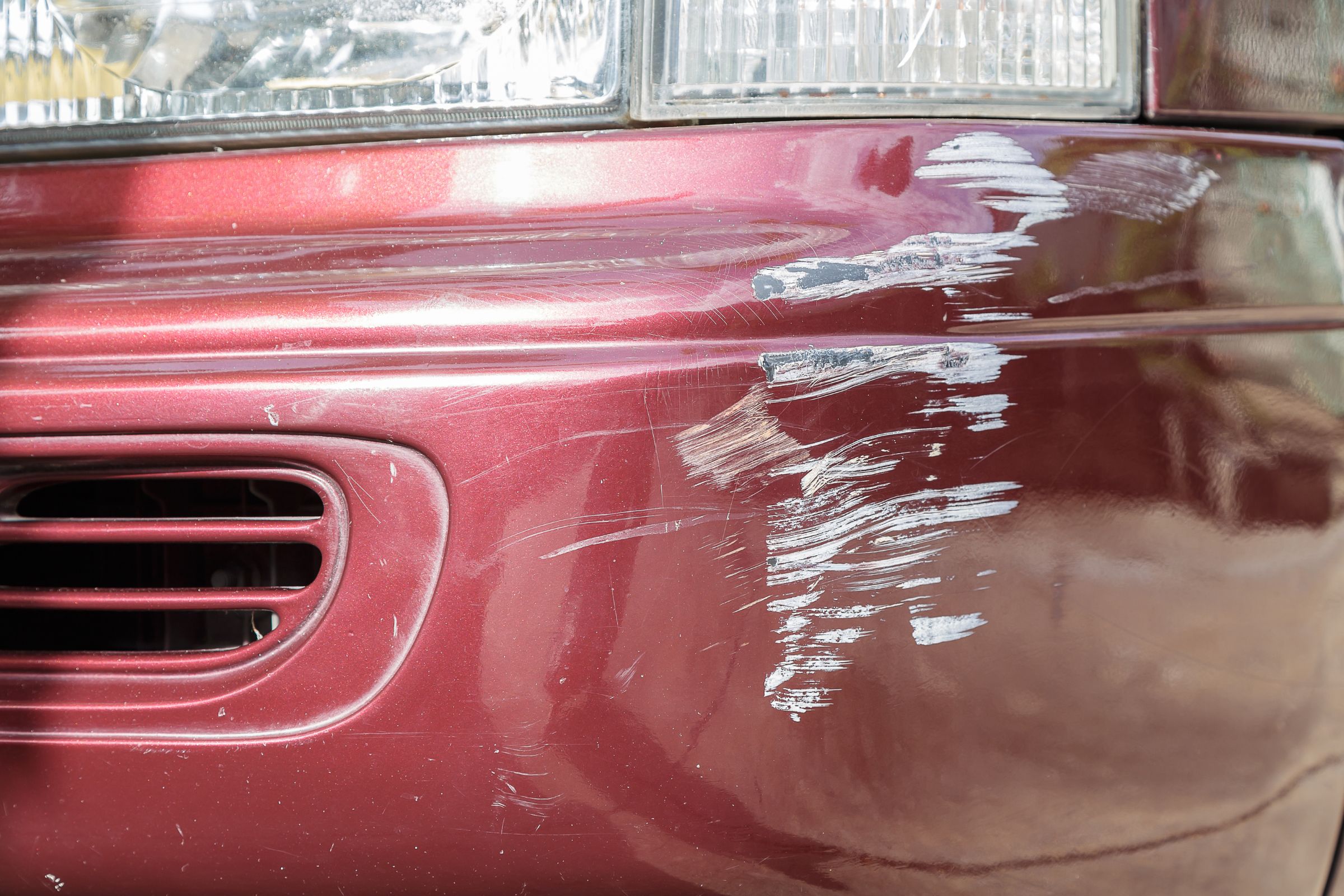
Credit: www.northeastcollision.net
Scratch Prevention Tips
Preventing scratches on your car keeps it looking new longer. Simple habits and care protect your paint from damage. Avoid costly repairs with easy daily practices. Follow these scratch prevention tips to maintain your car’s shine and value.
Proper Washing And Drying
Use soft cloths and gentle car wash soap. Avoid household detergents that can strip wax and damage paint. Rinse thoroughly to remove dirt and grit that cause scratches. Dry with a clean microfiber towel to prevent water spots and swirl marks.
Protective Coatings And Waxes
Apply wax or sealant regularly to create a protective layer. This shields paint from minor scratches and UV rays. Ceramic coatings offer longer-lasting protection and make cleaning easier. Reapply coatings as recommended to maintain their effectiveness.
Safe Parking Habits
Park away from crowded spots and shopping carts. Choose shaded areas to protect paint from sun damage. Avoid parking too close to other cars to reduce door dings. Careful parking lowers the risk of scratches and dents.
Frequently Asked Questions
How To Identify Type Of Scratch On Car?
Identify car scratch type by depth: run a fingernail over it. If it doesn’t catch, it’s a clear coat scratch. If it catches, it may be a paint or deep primer scratch needing repair.
What Are The Different Types Of Scratches?
Scratches vary by depth: clear coat scratches affect only the surface, paint scratches damage the color layer, and deep scratches reach the primer or metal.
What Does A Bad Scratch Look Like On A Car?
A bad scratch on a car is deep, exposing primer or metal beneath the paint. It feels rough and catches your fingernail. Such scratches risk rust and need professional repair to prevent further damage.
How To Tell If A Scratch Is Clear Coat Or Paint?
Run your fingernail over the scratch. If it doesn’t catch, it’s a clear coat scratch. If it catches, the paint layer is damaged. Clear coat scratches are light and fixable by polishing; paint scratches show color damage and need touch-up.
Conclusion
Understanding different types of car scratches helps protect your vehicle better. Minor scratches usually affect only the clear coat and can be fixed easily. Deeper scratches reach the paint or primer, needing more care and repair. Knowing the scratch type guides you in choosing the right solution.
Regular checks keep your car’s finish looking fresh and prevent rust. Taking quick action saves money and maintains your car’s value. Simple steps can keep your car’s surface smooth and shiny. Stay aware and care for your car’s paint to avoid bigger problems.