Keeping your car clean used to mean dragging out a hose, filling buckets, and spending an hour scrubbing away dirt. But today, many car owners are switching to a faster and more eco-friendly solution: waterless car wash.
A waterless car wash allows you to clean your vehicle without using a hose or large amounts of water. With the right spray formula and microfiber towels, you can remove dust, fingerprints, and light grime while leaving the paint shiny and protected.
This method is perfect for:
- apartment dwellers with no access to a hose
- quick maintenance washes
- garage-kept vehicles
- eco-conscious car owners
In this ultimate guide, you’ll learn:
- what a waterless car wash actually is
- how waterless wash sprays work
- when you should (and should not) use it
- the safest technique to avoid scratches
- the best waterless car wash products to consider
By the end, you’ll know exactly how to keep your car looking clean and glossy without wasting water or damaging your paint.
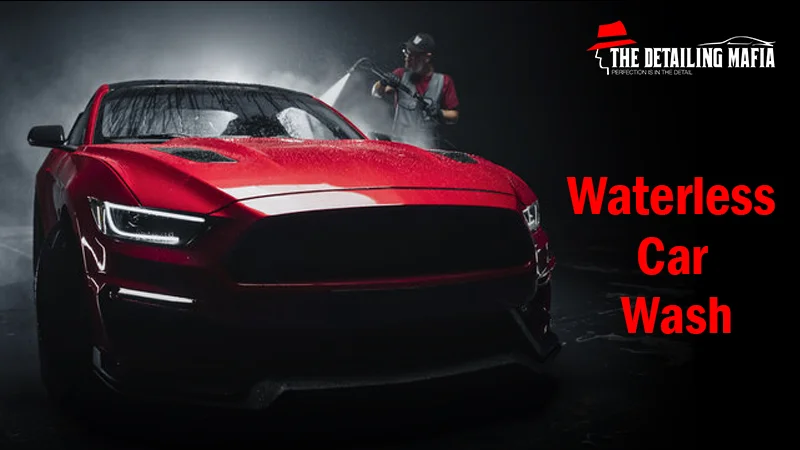
Credit: www.thedetailingmafia.com
What Is a Waterless Car Wash?
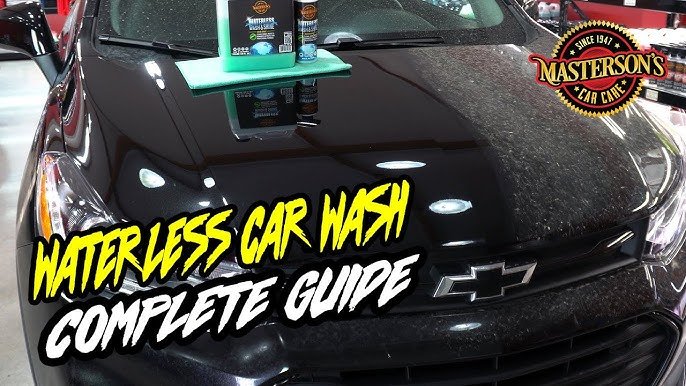
A waterless car wash is a cleaning method that removes dirt and grime from a vehicle without rinsing it with water.
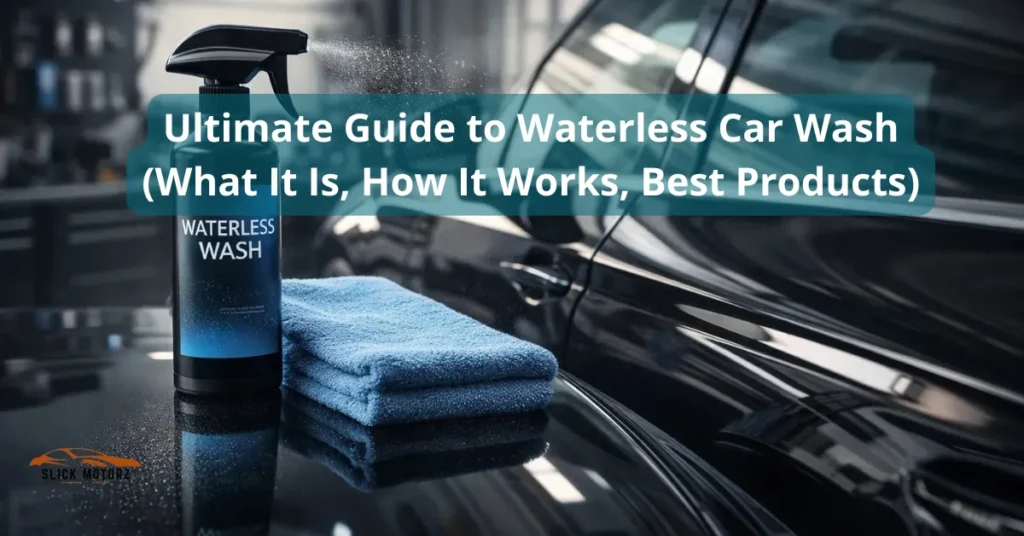
Instead of washing the car with soap and water, you use a specially formulated waterless car wash spray that lifts dirt from the surface and allows it to be wiped away safely with microfiber towels.
These sprays contain lubricants and cleaning agents that help:
- loosen light dirt and dust
- encapsulate contamination particles
- reduce friction while wiping
- leave a glossy finish on the paint
The process is simple:
- Spray the cleaning solution onto a panel.
- Let it sit briefly to loosen dirt.
- Wipe the surface with a microfiber towel.
- Buff the area to a streak-free shine.
Waterless car washing works best on lightly dirty vehicles, making it ideal for maintenance cleaning between full washes.
How Waterless Car Wash Works
The effectiveness of a waterless wash comes from the chemistry inside the cleaning solution. Most high-quality waterless car wash products contain four key components that allow them to clean safely.
Surfactants
Surfactants break down dirt, dust, and road grime so they can be lifted from the paint surface. They help loosen contamination without requiring water or scrubbing.
Lubricants
Lubricants create a slippery surface between the microfiber towel and the car’s paint.
This is crucial because lubrication:
- reduces friction
- prevents scratches
- allows dirt particles to glide away safely
Without enough lubrication, wiping dirt can cause swirl marks.
Polymers
Polymers help encapsulate dirt particles, surrounding them so they can be lifted away from the surface instead of dragged across it.
They also leave behind a thin protective layer that repels dust and enhances shine.
Gloss Enhancers
Gloss enhancers improve the appearance of the paint by increasing reflectivity. These ingredients help produce the smooth, shiny finish many people associate with freshly detailed cars.
What Makes a Good Waterless Wash Product?
Not all waterless wash sprays are equally safe or effective.
A good product should do four things well:
1. Provide strong lubrication
This is what protects the paint while you wipe.
2. Lift light dirt safely
It should loosen dust, pollen, fingerprints, and light road film without smearing.
3. Leave minimal residue
A good formula should wipe clean and not leave greasy streaks.
4. Add gloss without masking problems
Some products leave a slick finish, which is great, but they still need real cleaning ability.
When you evaluate waterless car wash products, focus on:
- lubrication
- wipe-off ease
- streak resistance
- gloss
- paint safety
- value per use
When You Should Use Waterless Car Wash
Waterless washing is most effective when your car has light contamination rather than heavy dirt.
Ideal situations include:
Light dust or pollen
Cars parked outdoors often collect fine dust or pollen that can easily be removed with waterless spray.
Garage-kept vehicles
Cars stored indoors typically only accumulate light dust, making waterless washing perfect for maintenance cleaning.
Apartment living
Many people do not have access to a hose or outdoor washing space. Waterless wash allows you to clean your car in a parking lot or garage.
Quick maintenance cleaning
Waterless washing works well for keeping a car looking fresh between full washes.
It usually takes 10–15 minutes to clean an entire vehicle.
When Not to Use Waterless Wash
Although convenient, waterless washing is not suitable for every situation.
Avoid using it when the car has:
- heavy mud
- thick road grime
- sand or grit
- dried dirt buildup
These contaminants can scratch the paint if wiped without rinsing.
If the vehicle is heavily dirty, a traditional wash or rinseless wash is the safer option.
A simple rule:
If the surface looks gritty or muddy, do not attempt a waterless wash.
Waterless Wash vs Rinseless Wash
Many people confuse waterless wash with rinseless wash, but they are different cleaning methods.
| Feature | Waterless Wash | Rinseless Wash |
|---|---|---|
| Water required | None | Small bucket of water |
| Dirt level | Light dust | Moderate dirt |
| Process | Spray and wipe | Wash media and bucket |
| Speed | Faster | Slightly slower |
| Safety margin | Lower if car is dirty | Safer for dirtier cars |
Choose waterless wash if:
- the car is only lightly dusty
- you want a quick maintenance clean
- you do not have access to water
Choose rinseless wash if:
- the vehicle has more road grime
- you want more cleaning safety
- you wash regularly but want to use less water
For many enthusiasts, rinseless wash is the safer all-around option, while waterless wash is the faster convenience option.
Credit: www.youtube.com
Is Waterless Car Wash Safe for Paint?
Yes — when used correctly.
Waterless car wash can be safe for paint because the formula is designed to:
- soften dirt
- lubricate the surface
- reduce direct friction during wiping
But the product alone does not make the process safe. Technique matters just as much.
Waterless washing becomes risky when:
- you use too little product
- you use cheap towels
- you wipe too aggressively
- you use one towel for the whole car
- the surface is too dirty to begin with
In other words:
Waterless wash is safe when the contamination level is low and the process is controlled.
That is why experienced detailers use plenty of product, multiple microfiber towels, and a panel-by-panel workflow.
Benefits of Waterless Car Washing
Waterless washing offers several advantages compared to traditional washing.
Saves Water
Traditional car washing can use 30–150 gallons of water. Waterless wash uses almost none, making it far more environmentally friendly.
Faster Cleaning
Because there is no rinsing or drying process, a waterless wash can be completed much faster. Most vehicles can be cleaned in 15 minutes or less.
Faster Cleaning
Because there is no rinsing or drying process, a waterless wash can be completed much faster. Most vehicles can be cleaned in 15 minutes or less.
Eco-Friendly
Waterless car wash reduces water waste and chemical runoff, helping protect local water systems. Many products also use biodegradable ingredients.
How to Do a Waterless Car Wash Without Scratching Paint
Here is the safest simple method.
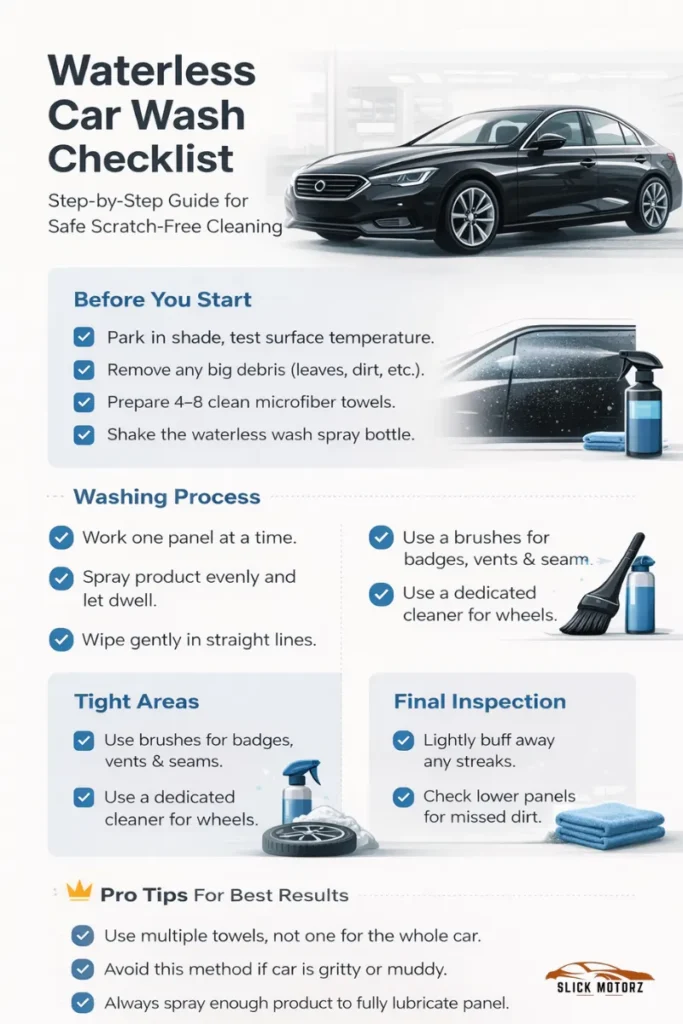
Step 1: Start with the right conditions
Park the car in the shade and make sure the paint is cool to the touch.
Step 2: Use multiple clean microfiber towels
Do not try to clean the entire vehicle with one towel. Use several.
Step 3: Spray generously on one panel at a time
Mist the section evenly so the dirt is properly lubricated.
Step 4: Let the product dwell briefly
Give it a few seconds to loosen light contamination.
Step 5: Wipe gently in straight lines
Do not scrub. Let the towel lift the dirt away.
Step 6: Flip to a clean side often
Once one side gets dirty, switch immediately.
Step 7: Buff with a separate towel
Use a dry microfiber towel to level the finish and remove residue.
Pro tip:
Treat the lower doors, rocker panels, and rear bumper more carefully than upper panels. Those areas usually hold the most abrasive grime.
Tools You Need for Waterless Wash
To perform a safe waterless wash, you need only a few basic tools.
Waterless car wash spray
The main cleaning product.
Microfiber towels
Soft towels designed to trap dirt without scratching paint.
Detailing brushes
Useful for cleaning badges, vents, and tight spaces.
Wheel cleaner
Optional product for removing brake dust and grime from wheels.
Using high-quality microfiber towels is critical for avoiding scratches.
Best Waterless Car Wash Products
Many brands offer high-quality waterless wash products.
Popular options include:
- Chemical Guys Waterless Car Wash
- Meguiar’s Ultimate Waterless Wash and Wax
- Aero Cosmetics Wash Wax ALL
- Adam’s Polishes Waterless Wash
- Turtle Wax Hybrid Solutions Waterless Wash
Each product offers different levels of cleaning power, lubrication, and shine.
When choosing a product, consider:
- lubrication level
- ease of wiping
- streak resistance
- shine and protection
- price per use
For a full breakdown of the top picks, see our guide to the best waterless car wash sprays.
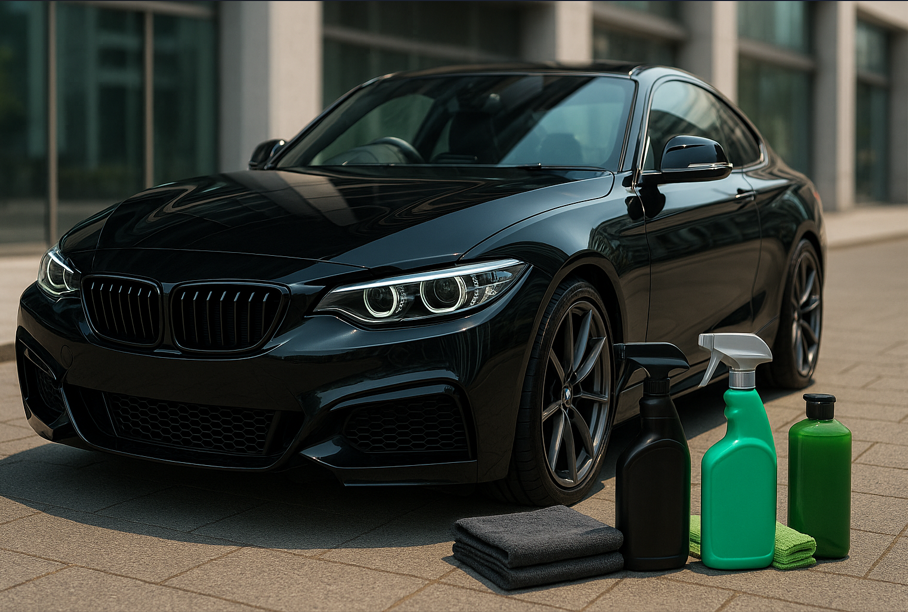
Waterless Car Wash for Black Cars
Black paint looks amazing when clean, but it also reveals every mistake.
If you are using waterless wash on a black vehicle:
- use extra lubrication
- use more towels than you think you need
- avoid cheap products
- never push dirty towels too far
- inspect lower panels carefully first
Black cars demand more care because light marring shows up quickly. The process matters even more than the product.
Waterless Car Wash for Ceramic Coated Cars
A ceramic-coated car can work very well with a waterless wash, but only under the right conditions.
Use a coating-safe product if:
- the car is only lightly dusty
- you want a quick maintenance wipe-down
- you want to preserve gloss between washes
Avoid waterless washing if the coated car is still heavily dirty. The coating may be slick, but that does not make abrasive dirt harmless.
Tips for the Best Results
To achieve a scratch-free finish, follow these professional tips.
Use multiple microfiber towels
Do not clean the entire car with one towel.
Work in small sections
This prevents product from drying too quickly.
Use plenty of lubrication
More spray helps lift dirt safely.
Always use clean towels
Dirty towels can scratch the paint.
Common Mistakes to Avoid
These are the mistakes that actually damage results.
Using too little product
Dry wiping is where trouble starts.
Using one towel for too long
A loaded towel becomes a scratch risk fast.
Washing a dirty car without water
This is the biggest mistake in the category.
Using circular wiping motions
Straight lines are safer and easier to inspect.
Using low-quality towels
Cheap microfiber is false economy.
Working in direct sunlight
This causes premature drying and streaks.
Environmental Benefits of Waterless Car Wash
Waterless washing is popular partly because it uses far less water than a traditional wash.
That makes it attractive for:
- drought-prone areas
- apartment dwellers
- eco-conscious drivers
- anyone who wants a lower-mess cleaning method
It also reduces runoff compared with driveway washing, especially when paired with controlled product use and quality towels.
That said, convenience should not replace judgment. A waterless wash is environmentally smart only when it is also appropriate for the level of dirt on the car.
Downsides of Waterless Car Wash
While convenient, waterless washing also has limitations.
Not suitable for very dirty cars
Heavy contamination requires rinsing to prevent scratching.
Requires proper technique
Incorrect wiping or dirty towels can damage paint.
Product cost
Waterless wash sprays are more expensive than basic car shampoo.
However, because you use small amounts per wash, the cost remains reasonable over time.
Who Should Use Waterless Car Wash?
Waterless wash is best for:
- urban drivers
- apartment residents
- garage-kept vehicles
- lightly dusty daily drivers
- enthusiasts doing quick maintenance details
It is not the best fit for:
- muddy trucks
- neglected vehicles
- winter-salt heavy conditions
- heavily contaminated surfaces
Frequently Asked Questions
What is a waterless car wash?
A waterless car wash is a cleaning method that uses a specialized spray and microfiber towels to remove dirt from a vehicle without rinsing it with water. The formula lifts and encapsulates dirt so it can be wiped away safely.
Is waterless car wash safe for car paint?
Yes, waterless car wash products are safe for paint when used correctly. Quality formulas contain lubricants and polymers that reduce friction while wiping. However, they should only be used on lightly dirty vehicles.
Can waterless car wash scratch paint?
Waterless washing can scratch paint if used on heavily dirty surfaces or if improper towels are used. Always use clean microfiber towels and plenty of product lubrication to reduce the risk of scratches.
How often can you use waterless car wash?
You can use waterless car wash every one to two weeks for maintenance cleaning. It works best for removing dust, fingerprints, and light dirt between traditional washes.
Does waterless car wash remove heavy dirt or mud?
No. Waterless wash products are designed for light contamination. If your car has mud, sand, or heavy grime, it is safer to perform a traditional wash or rinseless wash first.
What towels should you use for waterless car washing?
Soft microfiber towels are the best option for waterless washing. They trap dirt within their fibers and reduce the chance of scratching the paint surface.
Is waterless car wash better than traditional washing?
Waterless washing is faster and uses no water, making it convenient for light cleaning. Traditional washing is still better for heavily dirty vehicles or deep cleaning.
Final Thoughts
Waterless car washing offers a fast, convenient way to keep your vehicle clean without using large amounts of water.
When used correctly, it can safely remove dust, light dirt, and fingerprints while leaving a glossy finish.
It works best for:
- lightly dusty cars
- quick maintenance cleaning
- urban environments with limited water access
However, it should not replace traditional washing for heavily dirty vehicles.
With the right products and proper technique, a waterless car wash can become one of the most useful tools in your car-care routine.