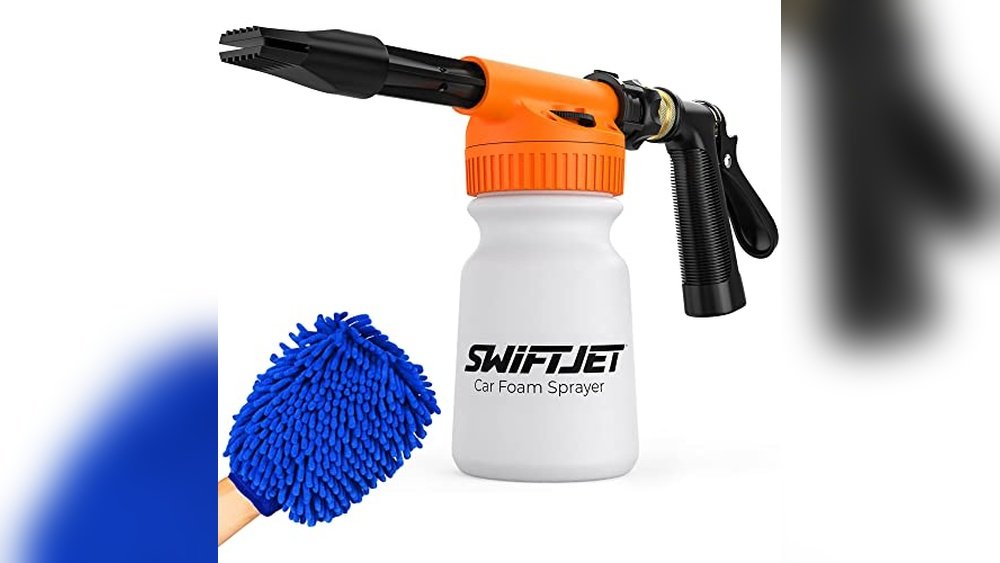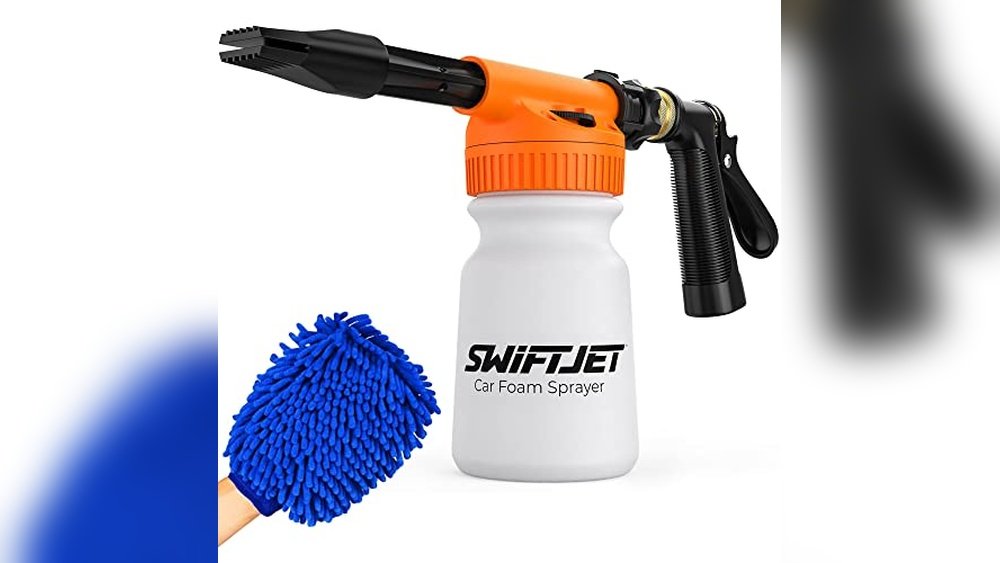

If you own a large vehicle, you know that keeping it clean can be a tough job. Using the right tools makes all the difference, and that’s where wash mitts come in.
You might wonder why a simple wash mitt matters when cleaning your big truck, RV, or van. The truth is, a quality wash mitt helps protect your vehicle’s paint from scratches and swirl marks that cheap sponges or cloths can cause.
Plus, it makes washing easier and more efficient, saving you time and effort. You’ll discover how to choose and use wash mitts specifically for large vehicles, so your ride stays looking sharp and fresh without unnecessary damage. Keep reading to find out how this small tool can make a huge impact on your vehicle’s care routine.
Benefits Of Wash Mitts
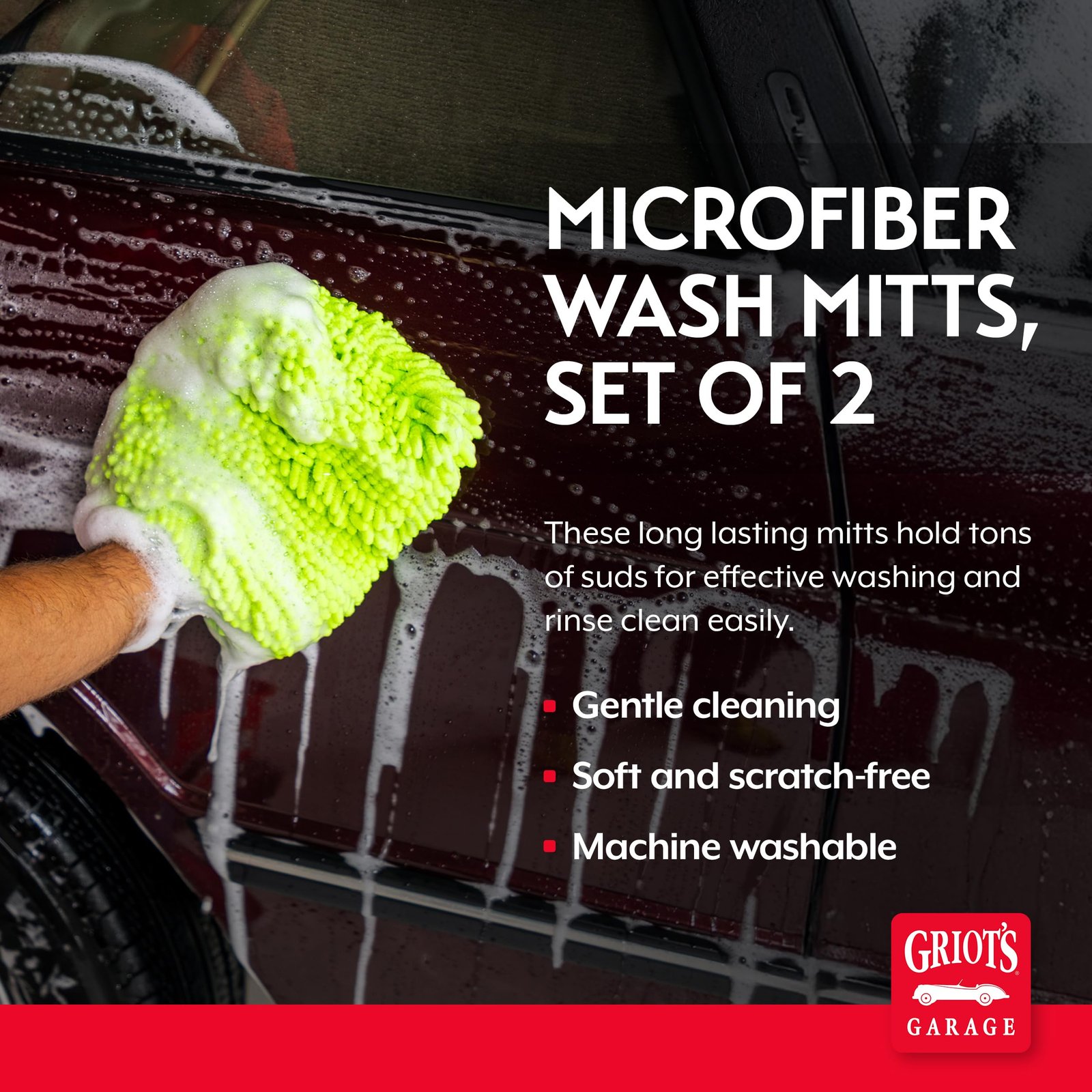
Wash mitts offer many benefits for cleaning large vehicles. They make the washing process safer and more effective. These mitts protect the vehicle’s paint and help remove dirt gently. Using a wash mitt can improve the overall cleaning experience and keep your vehicle looking its best.
Scratch Prevention
Wash mitts are soft and designed to avoid scratching paint. They trap dirt inside their fibers instead of dragging it across surfaces. This reduces the chance of swirl marks or scratches on the vehicle. Large vehicles have big panels, so preventing scratches is very important.
Gentle Dirt Removal
The fibers in wash mitts lift dirt gently from the surface. This stops dirt from grinding into the paint. The mitt’s texture helps break up grime without harsh scrubbing. It cleans tough spots safely on big vehicles without damaging the finish.
Improved Cleaning Efficiency
Wash mitts hold more soap and water than sponges or cloths. This makes rinsing dirt easier and faster. They cover large areas quickly, perfect for trucks or vans. The mitts also allow smooth, even strokes that clean better in less time.
Credit: www.amazon.com
Choosing The Right Mitt
Choosing the right wash mitt makes a big difference when cleaning large vehicles. The correct mitt helps protect the paint and speeds up washing. It should hold plenty of soap and water while lifting dirt away safely. Picking the right mitt depends on material, size, and special features. Below are key points to consider for each factor.
Material Types
Wash mitts come in many materials like microfiber, chenille, and lambswool. Microfiber is soft and traps dirt well without scratching. Chenille has long, noodle-like fibers that hold extra soap. Lambswool is gentle and natural, perfect for delicate paint. Choose a material that cleans gently but lifts dirt efficiently.
Size And Thickness
Large vehicles need bigger mitts to cover more surface quickly. Thick mitts hold more water and soap, making cleaning easier. Thin mitts dry faster but may not protect paint as well. Pick a size that fits your hand comfortably and matches the vehicle size. A thick, large mitt works best for trucks and vans.
Specialized Options
Some mitts offer extra features like double layers or wrist cuffs. Double layers add durability and prevent dirt from reaching the paint. Wrist cuffs keep the mitt secure and stop dirt from falling inside. Other mitts include scrubbing pads for tough grime. Specialized mitts can improve cleaning on large, dirty vehicles.
Preparing For A Wash
Preparing for a wash on large vehicles requires careful planning. Large surfaces need more attention and the right tools. Proper preparation helps avoid scratches and ensures a thorough clean. Follow simple steps to get ready for washing with a wash mitt.
Gathering Supplies
Start by collecting all necessary supplies. You will need a high-quality wash mitt, car shampoo, and microfiber towels. Use two wash buckets to reduce dirt transfer. Also, have a hose or pressure washer ready. Gloves can protect your hands during the wash.
Setting Up Wash Buckets
Use the two-bucket method for better cleaning. Fill one bucket with soapy water and the other with clean water. The clean water bucket is for rinsing the wash mitt. This step helps keep dirt off the mitt and prevents scratches. Place buckets close to the vehicle for easy access.
Pre-rinsing The Vehicle
Rinse the entire vehicle before washing. Use a hose or pressure washer to remove loose dirt and debris. Focus on the roof, hood, and sides where dirt builds up. Pre-rinsing reduces the chance of rubbing dirt into the paint. Let the water loosen grime for a safer wash.
Washing Techniques
Washing large vehicles requires special care and the right techniques. Using wash mitts can make the process easier and safer for the paint. Proper washing methods reduce scratches and keep the vehicle looking fresh. Here are some key washing techniques to use with wash mitts on large vehicles.
Two-bucket Method
The two-bucket method helps prevent dirt from scratching the paint. Use one bucket for soapy water and another for rinsing the mitt. After washing a section, rinse the mitt in the clean water bucket. Then dip it back into the soapy water. This keeps dirt out of the soap bucket. It reduces the chance of dragging grit across the paint.
Section-by-section Washing
Divide the vehicle into small sections. Wash one section at a time to avoid missing spots. Start from the top and work downwards. This way, dirt and soap flow down without re-contaminating clean areas. Rinse each section thoroughly before moving on. This method keeps the wash consistent and efficient.
Using Multiple Mitts
Use more than one wash mitt for large vehicles. Assign different mitts for the roof, hood, sides, and wheels. This prevents dirt from one area from spreading to another. Change or rinse mitts often to keep them clean. Multiple mitts save time and protect the paint from scratches caused by trapped dirt.
Maintaining Mitt Cleanliness
Keeping your wash mitt clean is key to protecting your vehicle’s paint. Dirt and grime trapped in the mitt can cause scratches. Clean mitts make your wash safer and more effective. Follow simple steps to maintain mitt cleanliness while washing large vehicles.
Rinsing During Wash
Rinse the mitt often in clean water during washing. This removes dirt and grit from the fibers. Use a bucket with fresh water to rinse thoroughly. Avoid dipping the mitt in the dirty wash water repeatedly. Frequent rinsing prevents dirt buildup and reduces the risk of scratching.
Avoiding Cross-contamination
Use separate mitts for different parts of the vehicle. For example, use one mitt for wheels and another for the body. This stops brake dust and grime from spreading to painted surfaces. Do not reuse a mitt on different areas without rinsing it well. Keeping mitts dedicated lowers cross-contamination risks.
Proper Storage
After washing, rinse the mitt with clean water to remove soap. Squeeze out excess water without twisting the mitt. Allow it to air dry fully before storing. Store the mitt in a dry, clean place away from dirt and dust. Proper storage keeps the mitt fresh and ready for the next use.
Common Mistakes To Avoid
Using wash mitts on large vehicles requires care to avoid damage. Many common mistakes can reduce the effectiveness of your wash or harm the vehicle’s surface. Understanding what to avoid helps keep your vehicle safe and clean. Below are some frequent errors to watch out for during your wash routine.
Using Household Cloths
Household cloths are not made for vehicle cleaning. They often have rough fibers that can scratch the paint. Dirt and grit get trapped inside these cloths and grind against the surface. Wash mitts designed for cars have soft, gentle materials that protect the paint. Always use a proper wash mitt instead of regular cloths.
Overloading The Mitt
Putting too much soap or dirt into the mitt causes problems. A heavy, dirty mitt drags grime across the paint. This can create scratches and swirl marks. Keep the mitt clean by rinsing it often during the wash. Use a fresh mitt side or a new mitt for large vehicles to avoid overloading.
Ignoring Dirt Build-up
Ignoring dirt build-up on the mitt is a common mistake. Dirt left on the mitt acts like sandpaper on the paint. Rinse the mitt frequently in clean water to remove all dirt. Take time to check the mitt for trapped debris before continuing. This simple step prevents scratches and keeps the paint smooth.
Drying And Aftercare
Proper drying and aftercare are vital steps after using wash mitts on large vehicles. These steps help maintain the shine and protect the vehicle’s paint. Drying removes leftover water that can cause spots or damage. Aftercare ensures your vehicle stays clean and smooth for longer. Careful attention at this stage improves the overall look and lifespan of your vehicle’s finish.
Choosing The Right Drying Towel
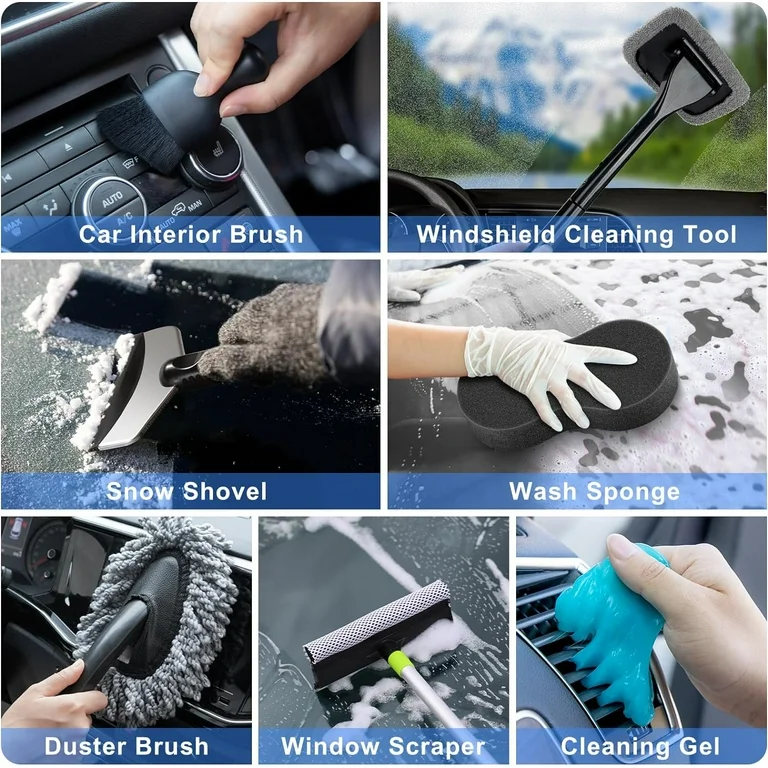
Select a drying towel made of soft microfiber. Microfiber towels absorb water quickly and gently. Avoid rough or scratchy materials that can harm the paint. Use a large towel to cover more surface area. Pat the surface instead of rubbing to prevent scratches. Having multiple towels helps to dry different sections efficiently.
Preventing Water Spots
Water spots form when minerals in the water dry on the paint. Wipe water off quickly before it evaporates. Use a clean, dry towel to blot water from mirrors and windows. Dry in the shade to slow evaporation. Avoid letting water sit on the surface for long. Using a quick detailer spray after drying can help remove any remaining spots.
Protecting The Paint
Apply a coat of wax or sealant after drying to protect the paint. This adds a barrier against dirt and UV rays. Use a soft applicator to spread wax evenly. Let it dry to a haze, then buff with a clean microfiber cloth. Regular protection keeps the paint smooth and glossy. It also makes future washing easier and safer.
Credit: www.walmart.com
Frequently Asked Questions
Should You Use A Wash Mitt On Your Car?
Using a wash mitt on your car helps prevent scratches by gently lifting dirt away from the paint. Always rinse the mitt frequently to avoid trapping grit. Choose high-quality microfiber or lamb’s wool mitts for safe, effective cleaning and better paint protection.
How Many Wash Mitts Per Car?
Use at least two wash mitts per panel of your car. Larger panels like the hood or roof may need more. Always rinse mitts often and switch to clean ones to avoid scratches. Having extra mitts ensures safer, more effective washing.
Can You Use A Washcloth On A Car?
Using a washcloth on a car can cause scratches by trapping dirt and grinding it into the paint. Choose microfiber wash mitts or towels for safer, gentler cleaning. Always rinse tools frequently and avoid harsh scrubbing to protect your car’s finish.
Which Is Better, Touchless Or Soft Touch Car Wash?
Soft touch car washes clean gently with brushes, reducing dirt but risking minor scratches. Touchless washes use high-pressure water and chemicals, avoiding scratches, but may miss heavy grime. Choose soft touch for thorough cleaning; pick touchless for paint protection.
Conclusion
Using wash mitts on large vehicles makes cleaning easier and safer. They help remove dirt without scratching the paint. Choose a good-quality mitt to protect your vehicle’s surface. Wash mitts hold more soap and water, which improves cleaning. Change mitts or rinse often to avoid spreading dirt.
Regular use keeps your vehicle looking fresh and well-maintained. Simple tools, great results. A clean vehicle shines longer and stays protected.