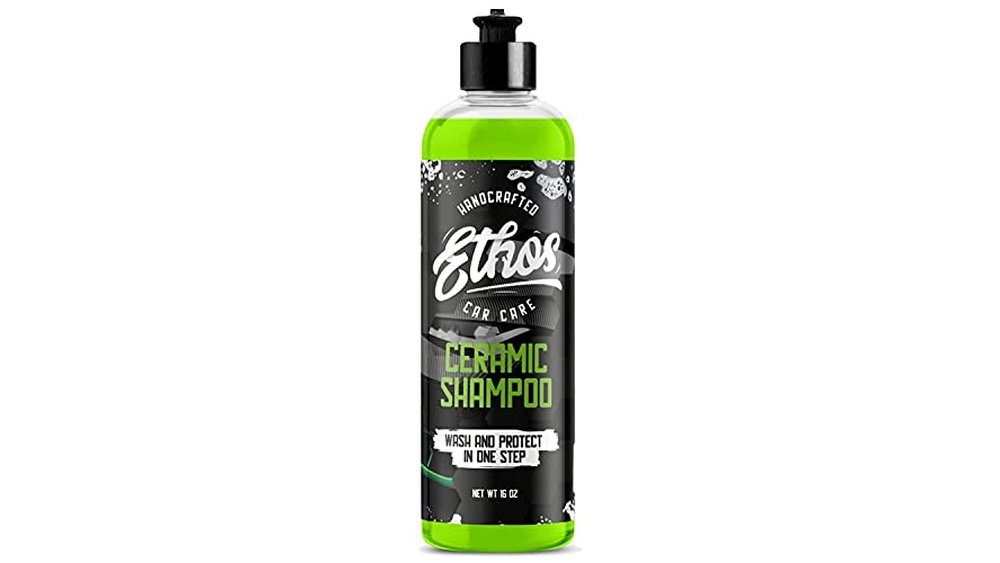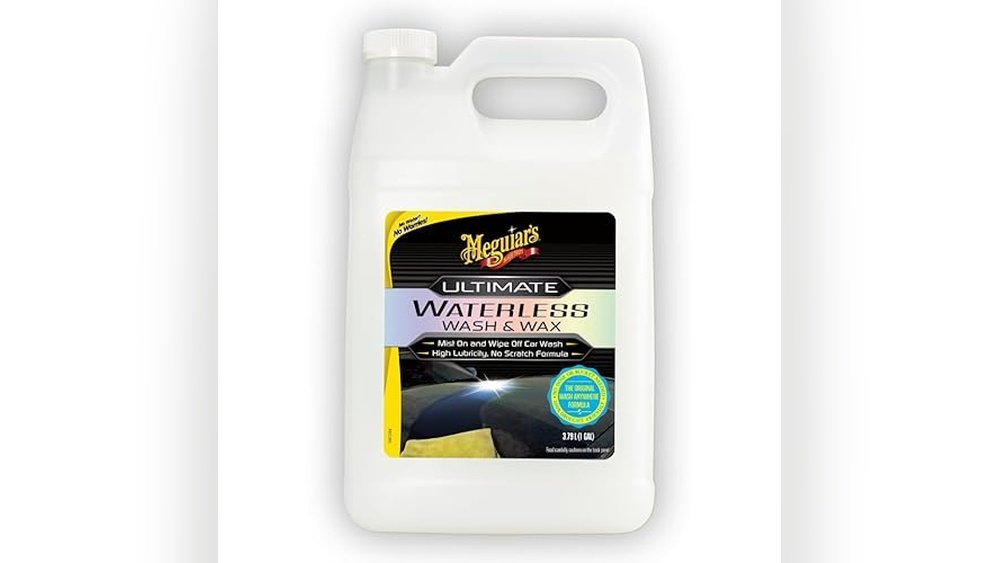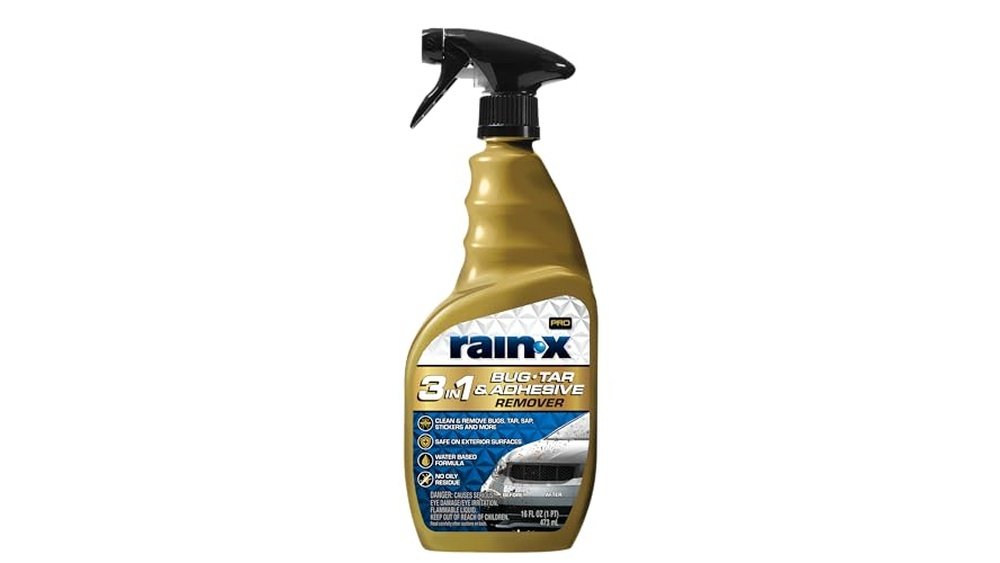
When you’re tackling stubborn tar and grime on your vehicle, choosing the right tar remover is crucial—not just for effectiveness but for your health and safety. Many tar removers contain volatile organic compounds (VOCs), which can be harmful if you’re not careful.
But how do you know which ingredients to avoid? What should you watch out for to protect yourself and the environment? You’ll discover the key facts about VOC content in tar removers and learn exactly what to avoid to keep your cleaning routine safe and effective.
Keep reading to make smart, informed choices every time you reach for a tar remover.
Voc Basics In Tar Removers
Volatile Organic Compounds (VOCs) are common in many tar removers. These chemicals help dissolve tough tar and grime. Understanding VOC basics helps you choose safer products. It also protects your health and the environment.
Common VOC Ingredients
Many tar removers contain solvents that release VOCs. Typical ingredients include benzene, toluene, and xylene. Some products use methylene chloride or acetone. These chemicals break down sticky tar easily. They evaporate quickly, causing strong fumes.
How VOCs Affect Health
Breathing VOC fumes can cause headaches and dizziness. Long exposure may harm your lungs and nervous system. Skin contact can lead to irritation or burns. Eyes may get red and watery from vapors. Always use tar removers in well-ventilated areas.
Voc Regulations Overview
Governments limit VOC levels in many cleaning products. These rules aim to reduce air pollution and health risks. Tar removers often must meet strict VOC content limits. Labels may show VOC percentages or warnings. Check local laws before buying or using these products.
Health Risks Of Tar Removers
Tar removers often contain strong chemicals that pose serious health risks. Many products on the market include volatile organic compounds (VOCs) that can harm your body. Understanding these risks helps you handle tar removers safely and avoid exposure.
Toxic Components To Watch
Some tar removers hold toxic chemicals like benzene and dichloromethane. These substances can cause poisoning if swallowed or absorbed through the skin. Prolonged contact may damage organs or increase cancer risk. Check product labels for harmful ingredients before use.
Skin And Eye Irritation
Direct contact with tar removers can irritate skin and eyes. Redness, itching, and burning are common symptoms. Some chemicals cause burns or allergic reactions. Always wear gloves and eye protection to reduce this risk. Rinse immediately if contact occurs.
Inhalation Dangers
Breathing in vapors or fumes from tar removers can harm your lungs. Symptoms include dizziness, headaches, and nausea. High exposure may lead to serious respiratory problems. Use tar removers only in well-ventilated areas or wear a respirator. Avoid prolonged inhalation to protect your health.
Safety Gear For Handling Tar Removers
Handling tar removers requires caution due to their strong chemicals and volatile organic compounds (VOC). Wearing the right safety gear protects your skin, eyes, and lungs from harmful exposure. Proper gear reduces health risks and prevents accidents during use.
Protective Clothing Essentials
Wear long sleeves and pants made of chemical-resistant fabric. Avoid cotton, which soaks up chemicals easily. Use a chemical-resistant apron or coveralls for added protection. Closed-toe shoes or boots help protect your feet from spills. Ensure all clothing fits well and covers exposed skin.
Respiratory Protection Tips
Tar removers release vapors that can irritate your lungs. Use a respirator mask with organic vapor cartridges. Always check the mask’s fit before starting work. Work in well-ventilated areas or outside when possible. Avoid breathing in fumes directly to prevent dizziness or headaches.
Eye And Hand Safety
Wear safety goggles that seal around your eyes to block splashes. Do not use regular glasses or contacts alone. Use chemical-resistant gloves made of nitrile or neoprene. Check gloves for holes before use and replace them regularly. Rinse eyes immediately with water if contact occurs.
Safe Usage Practices
Using tar removers safely is crucial to avoid health risks and environmental harm. These products often contain volatile organic compounds (VOCs) that can be harmful if mishandled. Following safe usage practices reduces exposure and keeps your space safe.
Simple precautions can protect your skin, eyes, and lungs. Proper handling also prevents accidents. Understanding and applying these safety tips helps you use tar removers effectively without danger.
Proper Ventilation Methods
Always use tar removers in well-ventilated areas. Open windows and doors to allow fresh air inside. Use fans to push fumes out of the room. Avoid using these products in small, closed spaces. Good airflow reduces inhalation of harmful vapors. If indoors, consider wearing a mask made for chemical fumes.
Avoiding Direct Contact
Wear gloves to protect your hands from chemicals. Use eye protection like safety goggles to prevent splashes. Avoid touching your face while using tar removers. If the product touches your skin, wash it off quickly with soap and water. Keep tar removers away from children and pets to prevent accidental contact.
Storage And Disposal Guidelines
Store tar removers in a cool, dry place away from sunlight. Keep containers tightly closed to avoid leaks and vapor release. Do not store near heat sources or open flames. Dispose of empty containers and leftover product according to local hazardous waste rules. Never pour tar removers down drains or into soil. Proper storage and disposal protect the environment and your health.

Choosing Low Voc Alternatives
Choosing low VOC alternatives for tar removers helps protect your health and the environment. VOCs, or volatile organic compounds, can cause irritation and pollution. Selecting products with lower VOC levels reduces harmful fumes and risks. These safer options clean effectively without harsh chemicals.
Aqueous-based Removers
Aqueous-based removers use water as the main ingredient. They contain fewer harmful solvents and less VOC content. These removers are less toxic and safer for indoor use. They clean tar and bugs without strong chemical smells. Aqueous options are gentle on surfaces and skin.
Certified Low Voc Products
Look for products certified by trusted organisations. Certifications show the product meets strict VOC limits. Certified removers offer a balance of safety and performance. These products reduce air pollution and health risks. Certification ensures you choose a responsible and tested option.
Benefits Of Eco-friendly Options
Eco-friendly tar removers protect both people and nature. They break down quickly and do not harm water or soil. Using these products lowers indoor air pollution. They often have biodegradable ingredients and non-toxic formulas. Choosing green products supports a cleaner, safer environment.

Emergency Response Steps
Handling tar removers with high VOC content requires careful attention. Accidents can happen during use, making emergency steps critical. Knowing the right actions helps reduce harm to health and the environment. This section explains key emergency response steps for tar remover exposure.
First Aid For Exposure
Move the person away from the contaminated area. Remove any soaked clothing carefully. Rinse skin immediately with plenty of water for 15 minutes. Avoid rubbing the affected skin. If tar remover contacts the eyes, flush with water for 15 minutes. Do not use any eye drops or ointments. Inhalation requires fresh air and rest. Keep the person calm and warm.
When To Seek Medical Help
Seek medical help if symptoms worsen or persist. Call emergency services if breathing is difficult. Medical attention is needed for skin burns or severe irritation. Eye exposure that causes pain or blurred vision requires a doctor. Swallowing tar remover demands immediate hospital care. Always inform medical staff about the chemical involved.
Spill Cleanup Procedures
Wear protective gloves, goggles, and a mask before cleanup. Ventilate the area by opening windows and doors. Use absorbent materials like sand or kitty litter to soak spills. Collect and seal the waste in a proper container. Avoid flushing spills into drains or water sources. Dispose of waste according to local hazardous waste rules. Clean the area thoroughly after spill removal.
Frequently Asked Questions
Is Bug And Tar Remover Toxic?
Bug and tar removers often contain toxic chemicals like hydrocarbons and benzene. Avoid inhaling vapors and skin contact. Use gloves and eye protection.
What Precautions Should You Take With Volatile Chemicals?
Wear chemical-resistant gloves, eye protection, and respiratory masks. Ensure proper ventilation. Avoid inhaling vapors or mist. Store chemicals securely away from heat and flames. Follow all safety guidelines and dispose of waste properly.
What Are The Ingredients In Tar Remover?
Tar remover ingredients mainly include hydrocarbons like benzene and dichloromethane. These solvents dissolve sticky tar effectively.
What Is The Best Solvent For Removing Tar?
The best solvent for removing tar is a specialized tar remover like Turtle Wax or Meguiar’s Heavy Duty Bug + Tar Remover. These products dissolve tar effectively and safely. Always use in well-ventilated areas and wear protective gloves to avoid skin irritation.
Conclusion
Avoid tar removers with high VOC content to protect your health. Always check labels for hazardous chemicals before use. Use products with low VOC to reduce harmful fumes. Wear gloves and work in well-ventilated areas for safety. Protect your skin, eyes, and lungs from irritation.
Choosing safer tar removers helps keep your environment clean. Stay informed and handle chemicals with care. Simple precautions make a big difference in safety.