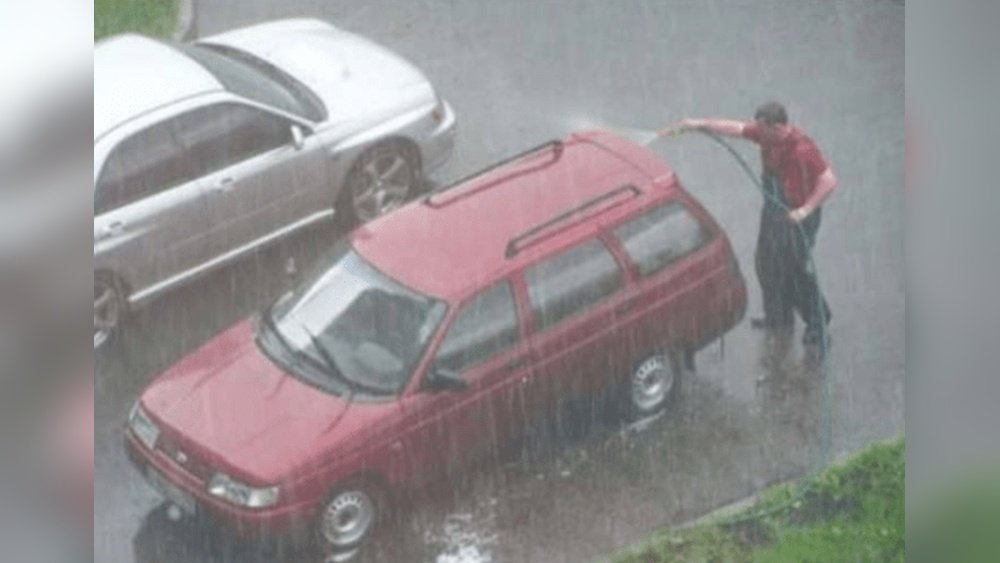
Have you ever wondered if washing your car in the rain is a good idea or just a waste of time? You might think that rain naturally cleans your vehicle, but the truth is more complicated.
Your car’s paint and finish face unique challenges when exposed to rain, especially if you don’t wash it properly. What if you could turn rainy days into an opportunity to keep your car looking fresh without extra effort? You’ll discover the surprising facts about washing your car in the rain, learn when it’s actually beneficial, and find out the best tips to protect your vehicle’s shine no matter the weather.
Keep reading—you’ll never look at a rainy day the same way again.

Credit: www.reddit.com
Benefits Of Washing In Rain
Washing your car in the rain offers some surprising benefits. Many people avoid it, but rainwater can actually help clean your vehicle gently. It can save time and reduce water use while protecting your car’s finish. Understanding these benefits can change how you care for your car during wet weather.
Natural Soft Water Effects
Rainwater is naturally soft, meaning it has low mineral content. This softness helps prevent water spots on your car’s surface. Hard water from taps can leave marks and stains. Rainwater rinses away dirt and grime without harsh chemicals. It is gentle on your car’s paint and clear coat. Soft water also helps keep your car looking shiny and clean.
Water Conservation Advantages
Using rain to wash your car saves a lot of water. Traditional car washing consumes many gallons of water. Rain provides a free and natural water source. Washing in rain reduces your water bill and environmental impact. This simple act helps conserve a precious resource. It is an eco-friendly way to maintain your vehicle.
Time-saving Aspects
Rain can do much of the rinsing work for you. You don’t need to spend extra time spraying water. Just a quick wipe or gentle soap application can finish the job. This cuts down your total cleaning time significantly. Washing in the rain lets you clean your car faster. It makes vehicle care easier and less time-consuming.

Credit: drivedetailed.com
Risks And Myths
Many believe washing a car in the rain is harmless or even helpful. This idea contains several myths and real risks. Understanding these can protect your car’s paint and finish. Rainwater alone does not clean your vehicle properly. Dirt and pollutants often mix with rain, causing damage.
Acid Rain Impact
Rain sometimes contains acidic elements from pollution. Acid rain can damage car paint over time. It eats away the clear coat that protects the surface. Small acid spots may not appear right away. Over time, these spots cause dullness and corrosion. Washing your car after rain reduces acid rain damage. It removes harmful residues before they settle.
Dirt And Pollutant Concerns
Rainwater picks up dirt, dust, and grime from the air. When it lands on your car, it leaves behind these particles. Dirt stuck on the surface can scratch your paint. Pollutants like bird droppings and tree sap mix with rain. They stain and weaken the paint if not cleaned promptly. A simple rain rinse does not remove all grime. A proper wash is needed to protect your car’s finish.
Is Rain A Free Car Wash?
Rain looks like a natural car wash but is not effective. It does not clean oil, grease, or stubborn dirt well. Rainwater often dries quickly, leaving water spots and mineral deposits. These spots can etch into the paint over time. Using rain as a car wash can cause more harm than good. Washing your car with soap and water is best. It keeps your car clean and safe from damage.
Ideal Conditions For Rain Washing
Washing your car in the rain can be helpful under the right conditions. Not all rain is the same, and some weather factors affect how clean your car gets. Knowing the best times and places to wash your car in rain helps protect your paint and finish. Here are some key conditions to consider before letting the rain do the work.
Light Vs Heavy Rain
Light rain can gently rinse dirt and dust from your car’s surface. It acts like a soft wash and causes less damage. Heavy rain, on the other hand, often contains more dirt and pollutants. It can splash mud and grime onto your car, leaving it dirtier. Light rain is ideal for rain washing because it cleans without adding extra dirt.
Low Pollution Areas
Rainwater in clean air areas is usually softer and less acidic. This helps rinse your car without harming the paint. In cities with high pollution, rain can carry harmful chemicals and dust. These substances stick to your car and cause stains or damage. Washing your car in rain is best in places with low pollution and clean air.
Temperature Considerations
The temperature outside changes how rain affects your car. Warm weather helps rain dry quickly, reducing water spots. Cold weather can cause water to freeze on your car, damaging the paint and parts. Avoid washing your car in rain if the temperature is near freezing. Moderate temperatures are perfect for rain washing to keep your car safe and clean.
When To Avoid Washing In Rain
Knowing when to avoid washing your car in the rain can save you time and protect your vehicle. Rain may seem like a natural wash, but certain weather conditions make it a bad idea. Some situations can harm your car’s paint or leave stubborn marks. Understanding these conditions helps keep your car clean and safe.
Freezing Temperatures
Washing your car in freezing weather can cause water to freeze on the surface. Ice can damage the paint and create slippery spots on your car. It also risks freezing the locks and door seals. Wait until temperatures rise above freezing before washing your car.
Extreme Heat And Sun Exposure
Washing your car under strong sun or extreme heat can cause water spots. The water dries too fast, leaving marks on the paint. It can also cause soap or cleaning agents to leave streaks. Choose cooler times of the day to wash your car for a better finish.
Immediately After Storms
After storms, the car surface holds dirt, salt, and chemicals from roads. Washing right away can spread these corrosive materials. Wait until roads are clean and the car dries a bit. This prevents damage and helps remove harmful residues safely.
Expert Tips For Washing In Rain
Washing a car in the rain might seem tricky. Some think rainwater cleans well, but it can leave spots and dirt behind. Following expert tips helps protect your car’s paint and finish. These tips make washing in rain easy and effective.
Pre-rain Soap Application
Apply soap to your car before the rain starts. Use a gentle car wash soap that loosens dirt. Soap helps break down grime stuck on the surface. Soap forms a layer that rainwater can rinse away easily. This step prevents dirt from hardening on your paint.
Post-rain Rinsing And Drying
After rain stops, rinse your car with clean water. This removes dirt and pollutants left by rainwater. Use a soft cloth or chamois to dry the car. Drying stops water spots from forming on the surface. Focus on drying door jambs and mirrors to avoid rust.
Using Rinseless Wash Products
Rinseless wash products work well during light rain. They clean without needing a full water rinse. Spray the product on your car and wipe with a microfiber cloth. These products save water and reduce washing time. They keep your car clean even when water is limited.
Credit: smartwateronline.com
Winter And Hot Weather Washing Tips
Washing your car during winter or hot weather needs special care. Weather affects how well your car cleans and protects its surface. Follow simple tips to keep your car safe and looking good in extreme temperatures.
Drying To Prevent Freezing
In winter, water left on your car can freeze quickly. Ice can damage paint and locks. Dry your car fully using a soft towel or air blower. Focus on door edges and seals to stop freezing. This keeps your car ready to drive and protects it from cold damage.
Washing In Shade
Sunlight heats your car surface fast in hot weather. Water and soap can dry too quickly, leaving spots. Wash your car in a shaded area. Shade helps soap and water stay wet longer for better cleaning. It also stops water marks and streaks from forming.
Using Heated Garages
Heated garages are ideal for washing cars in cold weather. They prevent water from freezing on your car. Warm air helps dry your vehicle faster and safer. Use a garage if possible to avoid ice and protect your car’s paint and locks from winter damage.
Protecting Your Car Paint
Protecting your car paint is important, especially when washing your car in the rain. Rainwater can contain acids and dirt that harm the paint. Taking steps to protect your car paint keeps it looking fresh and shiny. Simple actions help maintain your car’s value and appearance over time.
Neutralizing Acid Rain
Acid rain contains chemicals that damage car paint quickly. It creates tiny spots and dulls the surface. Washing your car removes these harmful substances before they cause damage. Use gentle, pH-neutral cleaners to balance acid rain effects. This helps keep your paint smooth and strong.
Wax And Sealant Benefits
Applying wax or sealant creates a protective layer on your car paint. This layer repels water and dirt, reducing rain damage. Wax also adds shine and smoothness. Sealants last longer and offer stronger protection. Reapplying wax or sealant regularly keeps your car safe from rain and pollutants.
Regular Maintenance Routine
Keeping a regular cleaning schedule protects your car paint well. Wash your car after rain to remove leftover dirt and acids. Check for chips and scratches that rain can worsen. Use soft cloths and proper techniques to avoid scratching. Regular care extends paint life and keeps your car looking great.
Frequently Asked Questions
Is It Okay To Wash Your Car In The Rain?
Washing your car in the rain is generally okay but not ideal. Rainwater can leave dirt and pollutants that damage paint. It’s best to wash your car before and after rain to remove grime and protect the finish.
When It Rains, Is It A Free Car Wash?
Rain is not a free car wash. It leaves dirt, salt, and pollutants that damage paint over time. Wash before and after rain to protect your car.
When Should You Not Wash A Car?
Avoid washing your car in freezing temperatures, extreme heat, direct sunlight, or immediately after storms to prevent damage and water spots.
Can I Put Soap On My Car Before It Rains?
Applying soap on your car before rain is not recommended. Rainwater can mix with soap, causing streaks and spots. Wait to wash your car after rain for a cleaner finish. This prevents grime from sealing into the paint and protects your vehicle’s surface.
Conclusion
Washing your car in the rain has both pros and cons. Rainwater can rinse off some dirt but may leave spots or pollutants. It is best to clean your car properly once the rain stops. This helps protect your paint and keeps your vehicle looking fresh.
Remember, regular washing keeps your car in good shape all year. A little care goes a long way for a shiny, well-maintained car.