When it comes to making your car shine, you might wonder: should you wax or polish first? The answer can make a huge difference in how your car looks and how long that shine lasts.
If you want your paint to sparkle and stay protected, you need to know the right order to follow. Polish smooths out scratches and cleans the surface, while wax creates a protective layer that locks in that shine. Doing it the wrong way can waste your time and effort—and even damage your finish.
Keep reading, and you’ll discover the simple steps that will keep your car looking its absolute best every time you clean it.
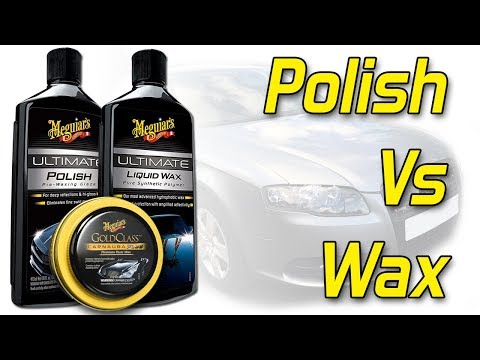
Polish Vs Wax
Understanding the difference between polish and wax is key for great car care. Both improve your car’s look but serve distinct roles. Knowing what each does helps decide which to use first for the best results.
Purpose Of Polish
Polish cleans and smooths the car’s paint surface. It removes small scratches, oxidation, and stains. This process brings back the paint’s shine and clarity. Polish prepares the surface for a protective layer. It works by slightly removing a thin paint layer.
Role Of Wax
Wax protects the polished paint from damage and dirt. It forms a thin, glossy shield over the surface. Wax repels water, dust, and harmful UV rays. This layer keeps the paint looking fresh and shiny longer. Wax does not clean or fix the paint but preserves it.
How They Work Together
Polish first to clean and smooth the paint. Then apply wax to protect and enhance the shine. Polish removes imperfections, wax seals the surface against elements. This combination keeps your car looking newer and cleaner. Skipping polish before wax may hide flaws under the shine.
Why Polish First
Polishing your car before waxing is essential for the best finish. Polish removes imperfections and prepares the paint. Wax seals and protects the surface. Skipping polish can leave scratches and dullness under the wax. Start with polish to get a cleaner, smoother result.
Removing Scratches And Oxidation
Polish gently removes light scratches and oxidation from paint. It clears away dirt and old layers that wax cannot fix. This step restores the shine and color depth. Wax cannot remove damage but protects the polished surface.
Creating A Smooth Surface
Polishing smooths the car’s paint by filling tiny gaps. A smooth surface helps wax stick better and look shinier. Wax applied on a rough surface will not last long. Polish first for a flawless and even finish.
Impact On Wax Durability
Applying wax on polished paint makes the wax last longer. The wax bonds well to the clean, smooth surface. This stronger bond protects the paint from water, dirt, and UV rays. Wax over polish gives your car a longer shine and protection.
Waxing After Polishing
Waxing after polishing is an important step in car care. Polishing smooths and cleans the paint, but waxing adds a protective layer. This layer helps keep your car’s paint safe from dirt, water, and sun damage. Applying wax after polishing enhances both the look and durability of your car’s surface.
Sealing And Protecting Paint
Wax seals the polished paint surface. It forms a thin barrier that protects against dust, rain, and UV rays. This barrier also prevents dirt from sticking easily. Waxing helps maintain the smooth finish created by polishing. It stops the paint from fading and keeps it looking fresh longer.
Enhancing Shine And Gloss
Wax adds a deep shine to your car’s paint. It fills tiny scratches and swirls left after polishing. This makes the surface look smoother and glossier. The wax reflects light better, giving your car a bright, fresh appearance. Regular waxing keeps this shine vibrant over time.
Choosing The Right Wax
Select wax based on your car’s paint type and condition. Natural carnauba wax offers a warm, rich shine. Synthetic waxes last longer and provide stronger protection. Some waxes are easier to apply and remove. Read labels to find one that suits your needs. Proper choice improves both protection and shine.

Credit: www.ebay.com
Preparation Before Polish And Wax
Preparing your car before applying polish or wax is essential for a smooth, lasting finish. Dirt, dust, and grime can interfere with the polish and wax bonding to the paint. Proper preparation helps remove these contaminants and sets the surface for the best results.
Skipping preparation can cause streaks, uneven shine, or reduced protection. Taking time to clean and prep your car ensures a flawless look that lasts longer.
Washing And Drying
Start by washing your car thoroughly with a gentle car shampoo. Avoid household detergents as they strip wax and dry out the paint. Use a soft sponge or mitt to remove dirt and grime without scratching the surface.
Rinse the car well to remove all soap residues. Dry the car with a clean microfiber towel or chamois. This step prevents water spots that polish or wax can trap and worsen.
Using A Clay Bar
After washing, use a clay bar to remove embedded contaminants. The clay picks up particles that washing alone can’t remove. It leaves the surface smooth and ready for polishing.
Lubricate the surface with a clay lubricant or soapy water to avoid scratching. Gently rub the clay bar over small sections until the surface feels slick.
Working In Shade
Choose a shaded area to polish and wax your car. Direct sunlight heats the paint and makes products dry too fast. This can cause streaks and uneven application.
Shade keeps the surface cool and helps the polish and wax spread evenly. It also reduces the risk of spotting and makes the process easier and cleaner.
Step-by-step Application
Applying wax or polish to your vehicle requires a clear process for the best outcome. Following each step carefully helps protect your car’s paint and gives a smooth, shiny finish. This guide breaks down the essential stages for applying polish and wax in the right order.
Polishing Techniques
Start with a clean, dry surface to remove dirt and grime. Use a soft cloth or a polishing pad for even application. Work in small sections, moving the polisher in circular motions. Avoid pressing too hard to prevent damage. Let the polish sit briefly to break down imperfections. Wipe off excess polish with a clean microfiber towel.
Applying Wax Correctly
Choose a cool, shaded place to apply wax. Use a foam applicator pad to spread a thin, even layer. Apply wax in circular or back-and-forth motions. Cover the entire panel without skipping spots. Allow the wax to haze, usually for a few minutes. Follow the product instructions for exact timing to avoid streaks.
Buffing Tips
Use a clean, soft microfiber cloth for buffing. Work in small areas to remove wax residue. Buff in circular motions until the surface shines. Check for missed spots or streaks and re-buff as needed. Regularly switch to a fresh section of the cloth. This step enhances shine and adds a protective layer.

Credit: www.firefightergear.com
Common Mistakes To Avoid
Avoiding common mistakes improves your car’s finish and protects the paint. Many people rush the process or apply products incorrectly. This can lead to poor results and wasted effort. Learning what not to do saves time and keeps your car looking great.
Waxing Before Polishing
Waxing before polishing traps dirt and imperfections under the wax. Polishing removes scratches and smooths the surface. Wax should go on last to seal and protect. Applying wax first makes polishing harder and less effective. Always polish first for a clean, smooth base.
Polishing On Dirty Surfaces
Polishing a dirty surface scratches the paint further. Dirt and dust act like sandpaper during polishing. Always wash and dry your car before polishing. Clean surfaces let polish work properly and prevent damage. Skipping this step ruins the paint and your polish.
Applying Products In Direct Sunlight
Direct sunlight heats the car’s surface too much. Heat causes wax and polish to dry too fast. Fast drying makes spreading and buffing difficult. It can leave streaks, spots, and uneven coverage. Always apply products in shade or cool areas for best results.
Maintaining The Shine
Keeping your car’s shine bright takes regular care and smart choices. After waxing and polishing, the paint surface looks smooth and glossy. This look does not last forever. Dirt, sun, and weather can dull the shine quickly. A good maintenance routine helps keep your car looking fresh longer. Follow simple steps to protect and enhance the shine every time.
Frequency Of Polishing And Waxing
Polishing removes small scratches and restores gloss. Waxing adds a protective layer that locks in shine. Polish your car only when the paint looks dull or scratched. Wax your car more often, about every two to three months. Too much polishing can wear out the paint. Waxing too rarely lets dirt and damage build up. Find a balance to keep your paint healthy and bright.
Quick Detailers And Spray Waxes
Quick detailers help clean light dust and fingerprints. Spray waxes add a thin shine boost in minutes. Use these products between full wax jobs to keep shine fresh. They do not replace polishing or waxing but help maintain the look. Spray on a clean, dry surface and wipe gently. These are great for busy days or last-minute touch ups.
Protecting From Environmental Damage
Sunlight, rain, bird droppings, and tree sap harm your car’s shine. Park in shaded or covered areas whenever possible. Wash off dirt and contaminants quickly before they cause damage. Use wax with UV protection to guard against sun fading. Regular cleaning and waxing build a strong shield. This shield keeps your paint safe and your car looking new.
Tools And Products
Choosing the right tools and products makes a big difference in waxing and polishing. Using proper items helps protect your car’s paint and gives a smooth, shiny finish. Understanding the types of polish, wax varieties, and best applicators will guide you to better results.
Types Of Polish
Polishes remove dirt, scratches, and oxidation from the paint. There are abrasive polishes and non-abrasive ones. Abrasive polish works deeper to fix scratches but needs careful use. Non-abrasive polish cleans the surface gently and adds shine. Some polishes also contain fillers to hide small imperfections temporarily. Choose polish based on your paint condition and desired results.
Wax Varieties
Car waxes create a protective layer over the paint. Natural waxes, like carnauba, give a warm, deep shine. Synthetic waxes last longer and resist water better. Some waxes blend natural and synthetic ingredients for balance. Paste wax is thicker and lasts longer but is harder to apply. Liquid wax spreads easily and dries fast. Pick a wax that fits your climate and how often you want to reapply.
Recommended Applicators
Applying polish or wax needs the right tools. Foam applicator pads work well for even spreading. Microfiber cloths help buff polish and wax to a clear shine. Soft sponges are good for delicate paint. Avoid rough or dirty applicators that can cause scratches. Use clean, soft towels to remove excess product without streaks. Having the right applicators makes the process easier and safer for your car.
Credit: www.grandeurautos.ca
Conclusion
Polishing your car first removes dirt and light scratches well. Waxing after polishing adds a protective, shiny layer. This order keeps your paint smooth and safe. Always polish on a clean, dry surface for best results. Wax seals the polish and extends the shine longer.
Remember to work in shade to avoid streaks. Following these steps helps your car look great and stay protected. Simple care routines make a big difference in car maintenance.