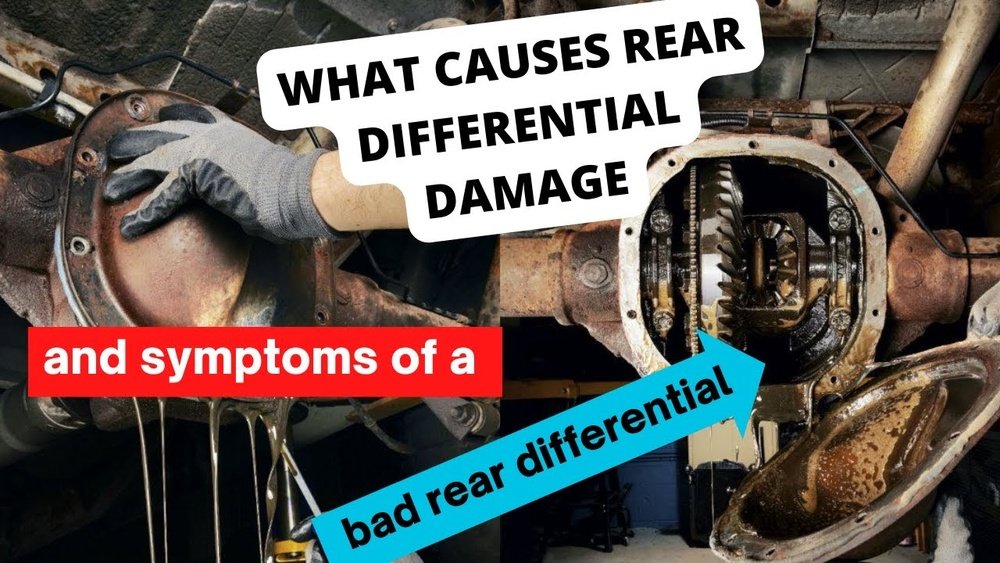
Have you noticed strange noises or handling issues coming from your vehicle’s rear end? If so, your rear differential might be in trouble.
Understanding what causes a rear differential to go bad can save you time, money, and stress. This crucial part controls how power is sent to your wheels, affecting how smoothly and safely your car drives. You’ll discover the common reasons behind rear differential failure, how to spot the warning signs early, and what steps you can take to fix the problem before it gets worse.
Keep reading to protect your vehicle and avoid costly repairs down the road.
Common Causes Of Rear Differential Failure
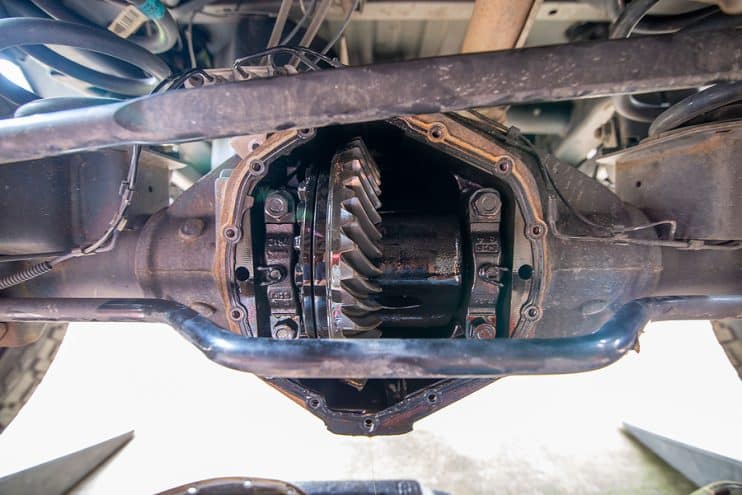
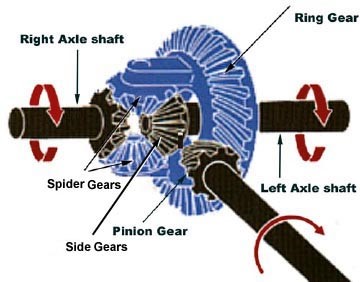
The rear differential is a key part of your vehicle’s drivetrain. It helps power your wheels and allows smooth turns. Over time, various issues can cause it to fail. Understanding common causes helps you spot problems early and avoid costly repairs.
Many factors lead to rear differential failure. Some are natural due to use, while others come from neglect or accidents. Knowing these causes helps maintain your vehicle’s health and safety.
Wear And Tear Over Time
Rear differentials face constant stress from driving. Gears and bearings slowly wear down with use. This natural wear affects performance and can cause noise or vibration. Regular checks help catch wear before serious damage occurs.
Lack Of Lubrication
Lubrication keeps differential parts moving smoothly. Low or dirty fluid causes friction and heat buildup. This wears out gears and bearings quickly. Changing fluid at recommended intervals prevents early failure.
Overloading The Vehicle
Carrying loads beyond the vehicle’s capacity strains the rear differential. Excess weight increases stress on gears and housing. This stress can lead to cracks or broken parts. Avoid overloading to protect your differential.
Water Contamination
Water can enter the differential through damaged seals or driving through deep water. Water mixes with lubricant and reduces its effectiveness. This causes rust and corrosion inside the differential. Fixing seals and avoiding water exposure help prevent damage.
Improper Installation Or Repairs
Poorly done repairs or incorrect installation harm the differential. Wrong parts or misaligned gears cause uneven wear. This leads to noise, vibration, and eventual failure. Always use qualified mechanics for repairs and installations.
Accidents And Physical Damage
Collisions or impacts can physically damage the differential. Bent or cracked parts affect its function and safety. Damage from accidents needs immediate inspection and repair to avoid further issues.
Symptoms Of A Failing Rear Differential
The rear differential is a vital part of your vehicle’s drivetrain. It helps distribute power to the wheels, especially when turning. When the rear differential starts to fail, several symptoms show up. Recognizing these signs early can save you from costly repairs and unsafe driving conditions.
Unusual Noises
Listen for whining, howling, or clunking sounds from the rear of your vehicle. These noises often grow louder with speed or during turns. They usually mean worn gears or low gear oil in the differential.
Vibrations While Driving
Feel for vibrations or shaking that come from the rear. These can be steady or increase with speed. Vibrations often point to damaged bearings or worn-out parts inside the differential.
Leaking Gear Oil
Check under your vehicle for oil spots near the rear axle. Gear oil leaks reduce lubrication and cause heat buildup. Low oil levels can quickly damage the differential gears and bearings.
Difficulty In Handling
Notice if your vehicle feels harder to steer or control, especially in turns. A failing rear differential can cause uneven power delivery to the wheels. This leads to poor handling and unsafe driving conditions.
Excessive Tire Wear
Watch your rear tires for uneven or rapid wear. A bad differential can cause wheels to spin unevenly. This puts extra stress on the tires, wearing them out faster than normal.
Repairing Vs. Replacing The Rear Differential
Deciding between repairing or replacing a rear differential depends on the damage level and cost. Minor issues might only need small repairs. Severe problems often require a full replacement to ensure safety and performance. Understanding the options helps make a better choice.
Minor Repairs To Consider
Small leaks or worn seals can be fixed quickly and cheaply. Replacing differential fluid improves lubrication and reduces wear. Fixing broken or loose bolts restores structural integrity. These minor repairs extend the differential’s life without high costs.
When To Opt For A Full Replacement
Cracked housing or damaged gears usually mean replacement is necessary. Excessive noise and grinding show internal parts are failing. Severe wear risks safety and vehicle control. Replacing the entire differential prevents further damage and costly repairs later.
Rebuilds Compared To Used Units
Rebuilds restore the differential using new and reused parts. They often come with a warranty and feel like new. Used units cost less but may lack reliability and warranty. Quality checks and mechanic advice help decide between rebuild or used.
Cost-benefit Analysis
Compare repair costs to replacement prices and vehicle value. Repairs save money if damage is minor and the car is worth keeping. Replacements make sense for expensive or extensive damage. Consider mechanic recommendations and warranty offers before deciding.
Credit: www.breakerlink.com
Factors Influencing Repair Costs
Repairing a rear differential involves several cost factors. These factors vary widely depending on the vehicle and the type of repair needed. Understanding these elements helps in budgeting for the repair and choosing the best option. Below are key factors that influence repair costs for a rear differential.
Vehicle Type And Model
The make and model of a vehicle greatly affect repair costs. Luxury and performance cars usually have more expensive parts. Some models have complex differential systems that require special tools. Trucks and SUVs often have larger, heavier differentials that cost more to fix. Older vehicles may face higher costs due to rare parts or harder-to-find expertise.
Parts: Oem Vs. Aftermarket Vs. Used
Original Equipment Manufacturer (OEM) parts come directly from the vehicle maker. They tend to be more reliable but cost more. Aftermarket parts are made by third parties and can be cheaper. Some offer good quality, while others may not last as long. Used parts are the cheapest option but carry risks like unknown wear or no warranty. Choosing the right parts affects both cost and repair quality.
Labor Charges
Labor fees depend on the shop’s hourly rate and job complexity. Specialized repairs take more time and skill, raising costs. Dealerships often charge more than independent shops. Location also plays a role; urban areas usually have higher labor rates. Some repairs require removing the differential or other components, increasing labor time and expense.
Type Of Repair Needed
Minor repairs like replacing seals or bearings cost less. More serious issues, such as gear damage, need extensive work or full rebuilds. A complete differential replacement is usually the most expensive option. The repair type also affects how long the vehicle is out of use. Proper diagnosis is key to choosing the most cost-effective repair method.
Tips To Reduce Rear Differential Repair Expenses
Repairing a rear differential can be costly, but some smart choices help cut expenses. These tips focus on saving money while keeping your vehicle safe and reliable. Understanding these ways can reduce repair bills without sacrificing quality.
Choosing Quality Used Parts
Used parts often cost less than new ones. Select parts from trusted sources with good reviews. Verify the parts come with a warranty for extra security. Inspect parts carefully to avoid poor quality or damage. Quality used parts can last long and work well.
Using Independent Repair Shops
Independent shops usually charge less than dealerships. They offer personalized service and flexible scheduling. Many have experienced mechanics skilled in differential repairs. Ask for detailed quotes to compare prices. Independent shops can provide good value and reliable fixes.
Rebuilding Internals Instead Of Full Replacement
Rebuilding only the damaged parts saves money over replacing the entire differential. Mechanics can replace worn gears, bearings, or seals individually. This approach keeps repair costs lower and avoids unnecessary parts. A rebuild often restores performance close to new condition.
Checking Related Components
Damaged parts around the differential can cause repeated problems. Inspect axles, driveshafts, and wheel bearings for wear or damage. Fixing these early prevents further damage to the differential. Regular checks help catch issues before costly repairs become necessary.

Credit: www.buycarparts.co.uk
Safety And Performance Benefits Of Repair
Repairing a rear differential offers clear safety and performance benefits. A faulty differential affects how your vehicle moves and responds. Fixing it brings back proper function. This improves driving safety and vehicle control. It also helps maintain your car’s performance over time. Keeping the differential in good shape prevents bigger problems later.
Restoring Vehicle Handling
The rear differential controls how power moves to your wheels. A damaged differential can cause your car to handle poorly. Repairing it restores smooth and stable handling. This makes steering more predictable and safer. You gain better control on turns and rough roads. Good handling reduces the risk of accidents.
Improving Acceleration And Control
A bad differential may cause uneven power delivery. This leads to jerky acceleration and loss of control. Fixing the differential balances power between wheels. Your vehicle accelerates smoothly and responds better. Improved control helps in emergency maneuvers. It makes driving safer and more comfortable.
Extending Vehicle Lifespan
Ignoring rear differential issues causes wear on other parts. Repairing early prevents damage to your drivetrain and tires. A well-maintained differential reduces strain on your vehicle’s components. This extends the life of your car significantly. Investing in repairs saves money on costly replacements later.
Expert Advice For Rear Differential Issues
Expert advice plays a key role in handling rear differential issues. Choosing the right steps can save money and extend your vehicle’s life. Understanding your options helps you avoid costly mistakes and improve safety on the road.
Here are some important tips from experts to guide you through rear differential problems.
Consulting Trusted Mechanics
Find a mechanic with experience in rear differentials. They can diagnose the problem accurately. A trusted mechanic offers clear explanations and honest estimates. Their advice helps you decide whether to repair or replace the unit. Avoid quick fixes that may cause more damage later.
Evaluating Warranty Options
Check if your vehicle’s warranty covers rear differential repairs. Some parts may have separate warranties. Using warranty services can lower your repair costs. Understand the terms and conditions before making decisions. Warranties add value and protect you from unexpected expenses.
Making Informed Decisions Based On Vehicle Value
Compare repair costs with your vehicle’s current market value. Repairing an old car may not be worth the price. Consider used or rebuilt differentials as budget-friendly alternatives. A good mechanic can help weigh these options. Choose the solution that fits your budget and keeps you safe.
Credit: blog.1aauto.com
Conclusion
A rear differential can fail due to poor lubrication or worn gears. Dirt and water can cause rust and damage inside. Overloading the vehicle stresses the parts and leads to failure. Regular maintenance helps spot issues early and extends differential life.
Fixing problems soon keeps your car safe and running smoothly. Understanding causes helps you act before damage worsens. Keep an eye on noises and leaks for signs of trouble. Taking care of your differential protects your vehicle’s performance.