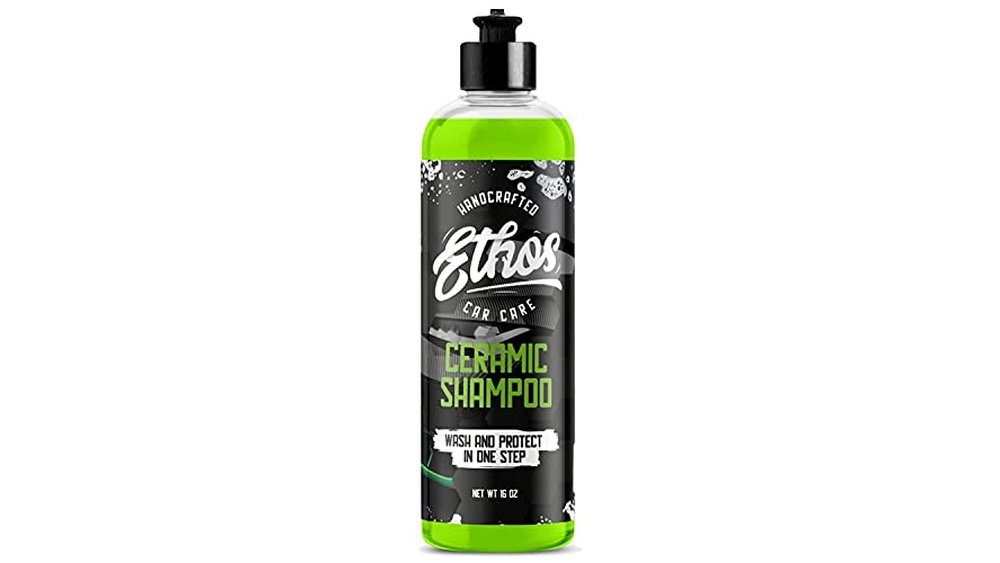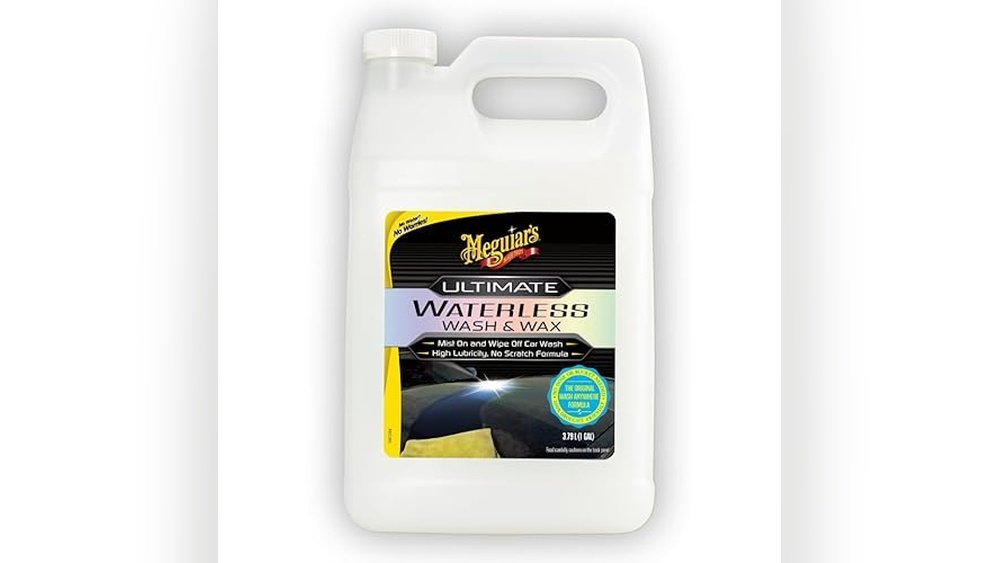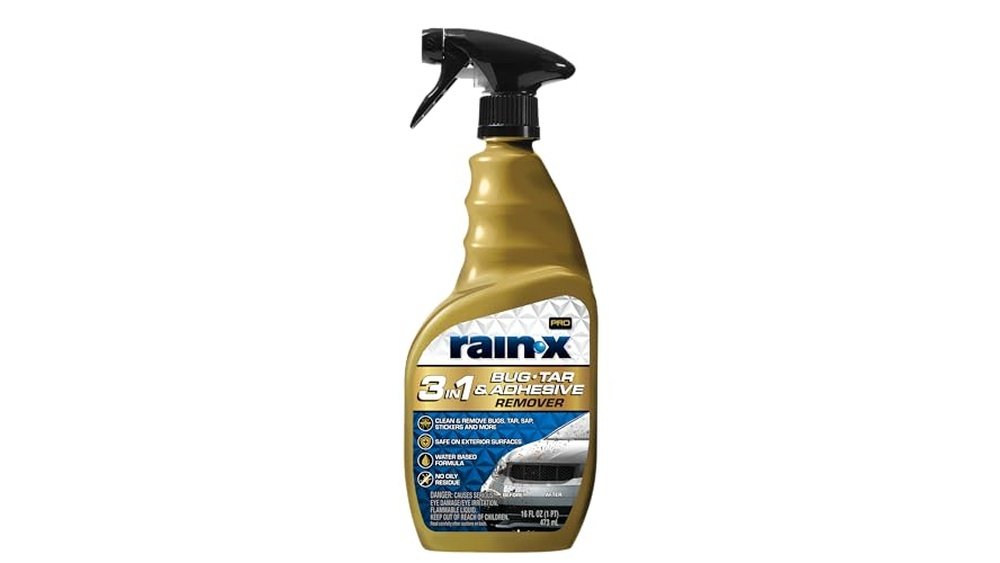

Dealing with stubborn tar on your car, driveway, or outdoor surfaces can be frustrating. You want a solution that works quickly without harming the material underneath.
But have you ever wondered what chemicals actually make tar removers effective? Understanding the key ingredients can help you choose the safest and most powerful product for your needs. You’ll discover the common chemicals used in tar removers, how they work, and what to watch out for to protect your health and surfaces.
Keep reading to become smarter about tar removal and make your cleanup easier than ever.
Common Chemicals In Tar Removers
Tar removers contain specific chemicals designed to break down sticky, hard substances like tar. These chemicals soften and dissolve tar, making it easier to clean surfaces. Understanding these common chemicals helps to choose the right tar remover for your needs. Many tar removers blend several active ingredients for effective cleaning power.
Hydrocarbons And Their Role
Hydrocarbons form the main active group in many tar removers. They dissolve oily and sticky materials by breaking their bonds. Common hydrocarbons include benzene and related compounds. These chemicals are effective because tar itself is mostly made of hydrocarbons. Using hydrocarbon-based removers ensures tar softens quickly for easy removal.
Solvents Like Butyl Glycol And Isopropyl Alcohol
Butyl glycol and isopropyl alcohol are popular solvents in tar removers. They help dissolve tar by attacking its sticky structure. These solvents evaporate quickly, leaving no residue behind. Butyl glycol is gentle on surfaces but strong on tar. Isopropyl alcohol also disinfects while cleaning, adding extra benefits.
Use Of Methylene Chloride
Methylene chloride appears in some powerful tar removers. It is a strong solvent that quickly breaks down tough tar. This chemical works fast but requires careful handling due to its strength. Many tar removers combine methylene chloride with milder solvents for safety. Proper use ensures effective tar removal without damaging surfaces.
Natural And Alternative Ingredients
Natural and alternative ingredients in tar removers offer safer, eco-friendly options. These ingredients work well to dissolve tar without harsh chemicals. They reduce risks to skin, paint, and the environment. Many products use plant-based or mild solvents that effectively break down sticky tar.
Citrus-based Solvents
Citrus-based solvents come from orange peels and other citrus fruits. They contain d-limonene, a natural solvent that dissolves tar easily. These solvents have a pleasant smell and are biodegradable. They are less toxic than petroleum-based chemicals. Citrus solvents clean tar without damaging car paint.
Mineral Spirits As A Base
Mineral spirits are refined petroleum solvents, but milder than other chemicals. They are common in many tar removers and degreasers. Mineral spirits dissolve tar and sticky substances quickly. They evaporate slowly, giving more time to work on tough spots. These solvents are less aggressive and safer for many surfaces.
Acetone And Ethyl Acetate Applications
Acetone and ethyl acetate are strong solvents found in some tar removers. Both dissolve tar and adhesives fast. Acetone is often used in nail polish removers and cleansers. Ethyl acetate is a natural ester with a mild fruity smell. These solvents evaporate quickly and leave little residue. Use them carefully, as they may harm some paint finishes.
Health And Safety Concerns
Tar removers contain strong chemicals that can affect health and safety. Knowing the risks helps prevent harm during use. Proper care reduces dangers to users and the environment. Safety must be a priority when handling these substances.
Toxicity Of Benzene And Other Chemicals
Benzene is a common chemical in tar removers. It is highly toxic and can cause serious health issues. Breathing benzene vapors may lead to dizziness and headaches. Long-term exposure increases the risk of cancer. Other chemicals, such as dichloromethane, also pose health risks. They can irritate the skin, eyes, and lungs. Avoid direct contact and inhalation of these substances.
Safe Handling And Usage Tips
Always wear gloves and eye protection when using tar removers. Work in a well-ventilated area to reduce inhaling fumes. Read and follow the product instructions carefully. Do not use tar removers near open flames or heat sources. Store chemicals in a cool, dry place out of children’s reach. Dispose of leftover chemicals according to local regulations.
Environmental Impact
Chemicals in tar removers can harm the environment if not handled properly. They may contaminate water and soil. Avoid pouring leftover remover down drains or on the ground. Use only the needed amount to reduce waste. Choose products with fewer harmful ingredients when possible. Protect nature by following safe disposal practices.
Diy Tar Remover Recipes
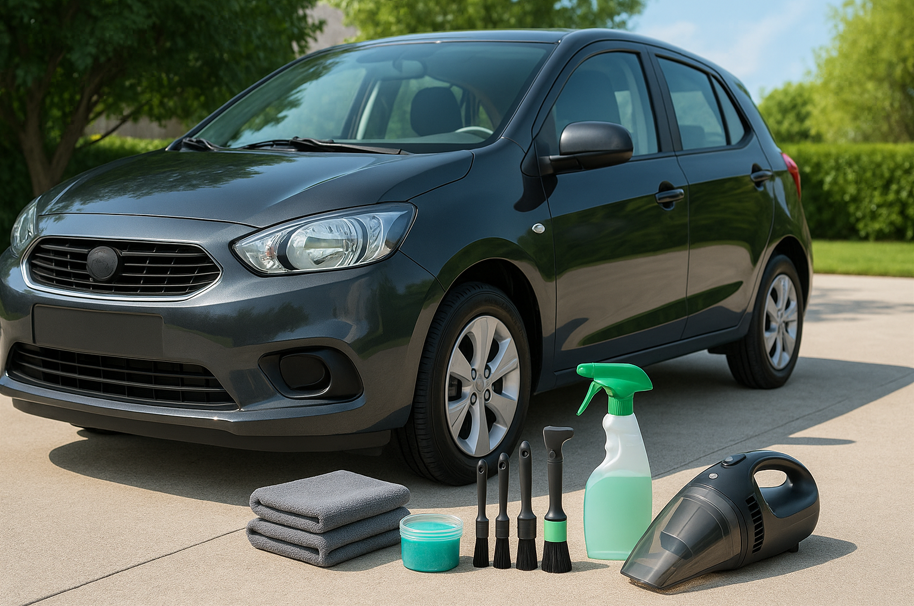
DIY tar remover recipes offer a simple way to clean sticky tar stains. Using common household chemicals can save money and reduce harsh chemical use. These mixtures work well on cars, tools, and outdoor surfaces. Follow clear instructions for safe and effective results.
Basic Ingredients To Use
Common ingredients include rubbing alcohol, vegetable oil, and dish soap. Rubbing alcohol helps dissolve tar and sticky residues. Vegetable oil loosens the tar without harming surfaces. Dish soap breaks down grease and helps wash away loosened tar. Warm water aids mixing and rinsing.
Step-by-step Preparation
Start by mixing two parts vegetable oil with one part rubbing alcohol. Add a few drops of dish soap to the blend. Stir the ingredients well until fully combined. Pour the mixture into a spray bottle for easy use. Keep the bottle sealed and store it in a cool place.
Application Methods
Spray the tar remover directly on the stained area. Let it sit for 5 to 10 minutes to soften the tar. Use a soft cloth or sponge to rub the tar gently. Wipe away the loosened tar with a clean rag. Rinse the area with warm water and dry with a towel.
Choosing The Right Tar Remover
Choosing the right tar remover is crucial for effective cleaning without damage. Tar can stick stubbornly to vehicles and surfaces, making removal tricky. The right chemical ensures safety and efficiency. Consider the type of surface and the extent of tar buildup. This helps pick a product that cleans well and protects your vehicle’s finish.
Factors To Consider For Vehicles
Different vehicles have different paint types and finishes. Some may have delicate coatings that harsh chemicals can harm. Check the vehicle’s material before applying tar remover. Also, consider the size of the tar spots. Small spots may only need mild solvents. Larger or thicker tar may require stronger formulas. Always test the remover on a small area first to avoid damage.
Best Solvents For Different Surfaces
Tar removers contain various solvents like petroleum distillates, citrus-based oils, or alcohols. Petroleum distillates work well on metal and glass. Citrus-based solvents are safer for painted surfaces and plastics. Alcohols dissolve tar but can dry out some materials. Avoid using strong chemicals on rubber or vinyl, as they can cause cracking. Choosing the solvent depends on the surface type and sensitivity.
Commercial Vs Homemade Products
Commercial tar removers often contain a mix of powerful solvents for quick results. They come with instructions and safety warnings. Homemade recipes usually use household items like vegetable oil, baking soda, or rubbing alcohol. These can be gentler but may require more effort. Commercial products are faster but sometimes harsher. Homemade solutions are safer but may not work on tough tar. Balance your choice between effectiveness and surface safety.
Post-removal Care
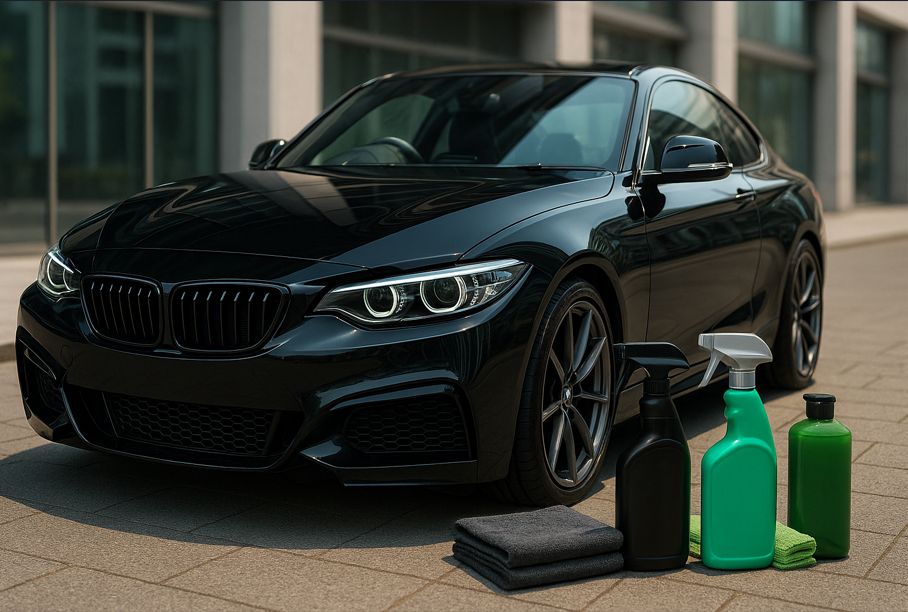
After removing tar with chemical tar removers, proper post-removal care keeps your surface safe and shiny. Tar removers contain strong solvents that may leave residues or weaken surface protection. Follow these steps to clean, protect, and restore your surface effectively.
Cleaning And Washing Tips
Rinse the treated area with clean water to remove leftover chemicals. Use a mild car shampoo and a soft sponge to wash gently. Avoid harsh scrubbing to prevent scratches. Dry the surface with a clean microfiber cloth. This step ensures no tar remover remains to damage paint or materials.
Protecting Surfaces After Removal
Apply a protective layer to shield the surface from dirt and damage. Use a quality sealant or paint protector on car surfaces. For plastic or vinyl, choose a product made for those materials. This protection slows down future tar buildup and keeps surfaces looking new longer.
Waxing And Polishing
Waxing adds a glossy finish and extra barrier against contaminants. Use car wax suited for your vehicle’s paint type. Apply a thin, even coat and buff with a soft cloth. Polishing can remove minor imperfections left after tar removal. This step restores shine and smoothness, making your surface look fresh and clean.
Frequently Asked Questions
What Are The Ingredients In Tar Remover?
Tar remover ingredients typically include solvents like butyl glycol, isopropyl alcohol, methylene chloride, and mineral spirits. These chemicals dissolve sticky tar effectively and safely.
What Is The Best Chemical To Remove Tar?
The best chemicals to remove tar include butyl glycol, isopropyl alcohol, and methylene chloride. Mineral spirits also work well. These solvents dissolve tar effectively without damaging surfaces. Choose products labeled as tar removers for safe and efficient cleaning.
Can I Make My Own Tar Remover?
Yes, you can make your own tar remover using solvents like isopropyl alcohol, butyl glycol, or mineral spirits. Mix carefully and store in a spray bottle. Always test on a small area first to avoid damage.
Does WD-40 Dissolve Tar?
WD-40 can loosen tar, but does not fully dissolve it. Specialized tar removers with solvents work better. Use WD-40 for light tar removal or loosening before cleaning.
Conclusion
Tar removers mainly use solvents like butyl glycol and isopropyl alcohol. These chemicals break down sticky tar and make removal easier. Some removers also contain methylene chloride or mineral spirits for stronger cleaning. Always handle these products carefully to avoid harm.
Choosing the right tar remover depends on your surface and tar type. Understanding the chemicals helps you use them safely and effectively. Clean and protect your vehicle after tar removal for the best results. Simple care keeps your car looking great and tar-free.