Have you ever noticed tiny scratches or dull spots on your car’s paint and wondered if there’s a way to bring back that fresh, shiny look? Buffing your car might be exactly what you need.
But what does buffing a car do, and why should you care? Buffing isn’t just about making your car look good—it actually smooths out imperfections, removes light scratches, and restores that deep shine you love. If you want to keep your car’s paint looking flawless and protect it from damage, understanding the buffing process is key.
Keep reading, and you’ll discover how buffing works, when to do it, and how it can save you money on repairs down the road. Your car deserves the best care, and this guide will show you how to give it just that.
Buffing Basics
Buffing a car is a common step in car care. It helps restore the paint’s shine and smoothness. Understanding the basics of buffing can make a difference in how you care for your vehicle. This section explains how buffing works, what scratches it removes, and how it differs from waxing.
Buffing is more than just rubbing the surface. It is a process that removes tiny layers of the car’s clear coat. This action evens out imperfections and brings back a glossy finish. Knowing the details helps you decide when and how to buff your car safely.
How Buffing Works
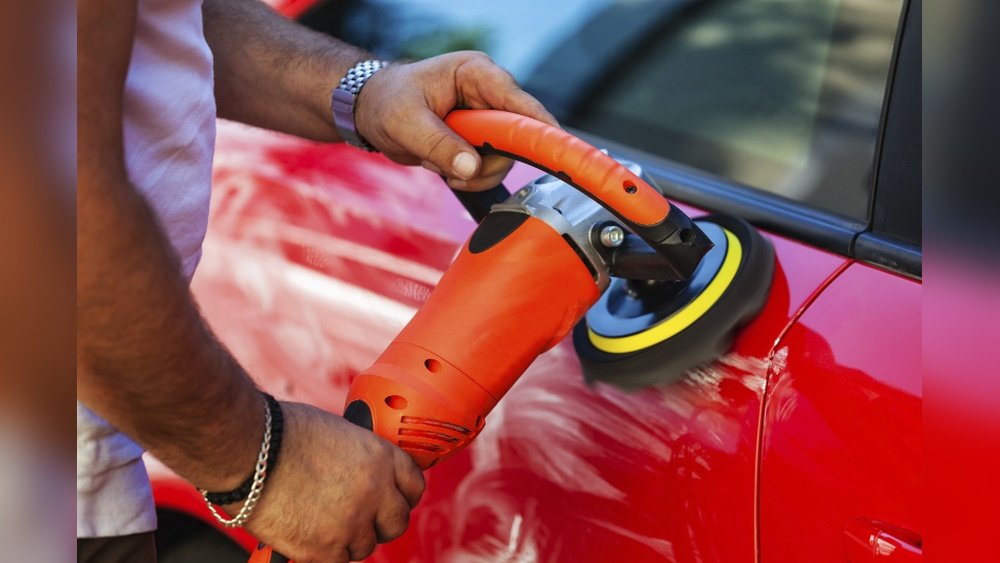
Buffing uses a special machine or hand tool with a soft pad. The tool spins or moves in circles to polish the paint. A compound or polish is often applied to help remove surface defects. This process smooths out scratches and dull spots by gently shaving off a thin layer of the clear coat.
Types Of Scratches Removed
Buffing removes minor scratches like swirl marks and light scuffs. These scratches usually sit on the surface of the clear coat. Deeper scratches that cut through the paint cannot be fixed by buffing alone. Buffing improves the look by making small flaws less visible and restoring shine.
Difference Between Buffing And Waxing
Buffing removes paint imperfections by cutting the clear coat. It focuses on correcting the paint’s surface. Waxing, on the other hand, adds a protective layer over the paint. Wax does not remove scratches but gives the car a glossy finish and protects it from dirt and UV rays. Buffing is a correction step; waxing is a protection step.

Credit: www.youtube.com
Benefits Of Buffing
Buffing a car offers several important benefits that improve its look and protect its paint. This process helps keep the vehicle looking newer for longer. It removes small imperfections and enhances the overall finish. Buffing is a key step in car care for maintaining a fresh, clean appearance.
Restores Shine And Gloss
Buffing removes dull spots and light scratches on the paint. It smooths the surface so light reflects better. This makes the car’s finish shiny and glossy again. The result is a bright and polished look that catches the eye.
Extends Paint Life
Removing surface damage helps protect the paint from further harm. Buffing prevents cracks and fading caused by dirt and UV rays. This care extends the life of the car’s paint. A well-maintained finish lasts longer and stays beautiful.
Removes Surface Contaminants
Buffing clears away dirt, grime, and other particles stuck on the paint. These contaminants can cause stains and corrosion over time. By removing them, buffing keeps the paint clean and safe. This helps avoid expensive repairs and keeps the car looking fresh.
When To Buff Your Car
Knowing when to buff your car is key to keeping its paint fresh and shiny. Buffing removes small scratches and dull spots that build up over time. It also helps protect the paint from damage and fading. Timing your buffing right can save money on repairs and keep your car looking new longer.
Signs You Need Buffing
Look for swirl marks and light scratches on the paint surface. Dullness or loss of shine means the clear coat is worn. Water spots that won’t wash off also show it is time to buff. If dirt sticks easily or the paint feels rough, buffing can smooth it out.
Recommended Frequency
Buff your car every 6 to 12 months for best results. Cars in harsh climates or heavy sun may need buffing more often. Newer cars with strong clear coats can wait longer between sessions. Regular washing and waxing help extend the time between buffing.
Ideal Conditions For Buffing
Choose a cool, shaded spot to buff your car. Avoid direct sunlight to prevent the compound from drying too fast. Buff when the car is clean and dry for even results. Use gentle pressure and correct tools to protect the paint.

Credit: detailxperts.com
Buffing Process
Buffing a car is a key part of car care that restores its shine and smoothness. This process removes small scratches, oxidation, and dull spots from the paint. It also prepares the surface for waxing or sealing, helping protect the paint. Buffing uses a special tool and compound to gently polish the car’s surface. The process requires care and attention to detail to avoid damage. Understanding each step helps achieve the best results and keeps your car looking fresh.
Preparing The Car Surface
Start by washing the car thoroughly. Remove all dirt, dust, and grime. Dry the car completely to avoid water spots. Check for any deep scratches or chips that may need special care. Cover areas like plastic trim and rubber seals to protect them during buffing. A clean, dry surface ensures the buffing compound works well and prevents new scratches.
Choosing The Right Tools
Select a quality buffer that fits your skill level. Orbital buffers are easier for beginners. Rotary buffers give stronger results but need more experience. Use the correct buffing pads for your paint type. Foam pads suit light polishing, while wool pads work for heavy correction. Choose a buffing compound that matches your car’s paint condition. Use products designed for automotive finishes to avoid damage.
Step-by-step Buffing Guide
Apply a small amount of buffing compound to the pad. Spread the compound evenly on the car surface before turning on the buffer. Turn on the buffer at a low speed to start. Move the buffer slowly in overlapping circles. Keep the pad flat to avoid swirl marks. Work on small sections, about two feet square, at a time. Wipe off excess compound with a clean microfiber cloth. Check your progress often in good light. Repeat if needed until the surface looks smooth and shiny.
Common Mistakes To Avoid
Buffing a car can bring back its shine and smoothness. Yet, many make mistakes that harm their vehicle’s finish. Avoiding these errors keeps your car looking great and protects its paint. Here are some common mistakes to watch out for during buffing.
Using Wrong Pads Or Compounds
Choosing the wrong pad or compound can damage your car’s paint. Some pads are too harsh for delicate finishes. Using a strong compound on light paint causes scratches or swirl marks. Always match the pad and compound to your car’s paint type and condition.
Applying Excessive Pressure
Pressing too hard while buffing can thin the clear coat. The buffer’s weight is enough to polish the surface. Extra pressure risks burning or removing too much paint. Let the machine do the work with light, even pressure for the best results.
Buffing Too Often
Buffing your car too often wears down the paint. It should only be done when necessary, like after scratches or oxidation. Over-buffing removes protective layers and dulls the finish. Maintain your car with washing and waxing between buffing sessions.
Risks And Limitations
Buffing a car can restore shine and improve the paint’s appearance. It removes light scratches and oxidation from the surface. Despite these benefits, buffing carries certain risks and has clear limits. Understanding these helps avoid damage and set realistic expectations.
Potential Paint Damage
Buffing uses abrasive materials to smooth the paint surface. Using the wrong pad or too much pressure can wear down the clear coat. Over-buffing may cause the paint to thin, exposing the base layer. This damage is often permanent and costly to fix. Careless buffing can also create swirl marks or burn spots.
When Buffing Won’t Fix Deep Scratches
Buffing works best on minor surface blemishes. Deep scratches cut through the clear coat and paint layers. No amount of buffing can fully remove these deep marks. Such scratches need touch-up paint or professional repair. Buffing may only reduce their visibility slightly.
Professional Vs Diy Buffing
Professionals have training and tools to buff safely and effectively. They know how to select the right compounds and buffers for each paint type. DIY buffing risks damage from lack of experience or wrong equipment. If done improperly, it can ruin the paint finish. Professionals also spot problems that amateurs might miss.
Maintaining Your Buffed Finish
Maintaining your buffed finish keeps your car looking shiny and new. Buffing removes imperfections and smooths the paint. After buffing, the paint surface is more delicate. It needs proper care to stay protected and bright.
Simple daily habits help keep the shine longer. Cleaning and protecting the paint prevents damage. A good routine extends the life of your buffed finish.
Proper Washing Techniques
Use a gentle car shampoo made for automotive paint. Avoid household soaps that can strip wax and damage paint. Wash with a soft microfiber mitt to stop scratches.
Rinse the car thoroughly before washing to remove loose dirt. Wash in straight lines, not circles, to reduce swirl marks. Dry the car with a clean microfiber towel to avoid water spots.
Waxing After Buffing
Waxing seals the paint and adds a protective layer. Apply wax after buffing to lock in the shine. Use a high-quality car wax suited for your paint type.
Apply wax in thin, even layers. Let it dry to a haze, then buff it off with a soft cloth. Wax every few months or as needed to maintain protection.
Regular Inspection Tips
Check your car’s surface often for new scratches or dull spots. Catching damage early helps prevent bigger problems. Look closely under different lighting conditions.
Address any chips or scratches with touch-up paint quickly. Keep the car covered or parked in shade to reduce sun damage. Regular care keeps your buffed finish flawless longer.

Credit: www.fresh-layer.com
Frequently Asked Questions
Is It Worth Getting My Car Buffed?
Buffing your car improves its shine and removes minor scratches by smoothing the clear coat. It protects paint and extends vehicle life. Proper buffing prevents rust and costly repairs. Avoid damage by using correct techniques. Regular buffing keeps your car looking newer longer and enhances resale value.
When Should You Buff A Car?
Buff a car when light scratches, oxidation, or swirl marks appear on the paint surface. Perform buffing every 6-12 months for best results. Avoid buffing too often to prevent clear coat damage. Use proper technique and tools to restore shine and smooth the finish effectively.
Can Buffing Damage Car Paint?
Buffing can damage car paint if done incorrectly. Using wrong pads, compounds, or high speed may thin or burn the clear coat. Proper technique prevents permanent blemishes and maintains paint integrity.
Does Buffing A Car Remove Scratches?
Buffing removes or reduces light scratches by sanding the clear coat layer. Deep scratches may need paint touch-up.
Conclusion
Buffing a car improves its shine and smooths out minor scratches. It removes small surface flaws by gently polishing the clear coat. This process helps protect the paint and keeps the car looking newer longer. Regular buffing also prevents dirt buildup and reduces damage from the sun.
Always use the right tools and techniques to avoid harming the paint. Buffing is a simple way to maintain your car’s appearance and value. Try it carefully to enjoy a cleaner, brighter finish every time.