If you’ve ever wondered how to keep your car looking shiny and new without constant waxing, ceramic coating might be the answer you’re looking for. But what does ceramic coating actually do for your vehicle?
Simply put, it acts like a strong shield that protects your car’s paint from damage caused by UV rays, dirt, and even minor scratches. Imagine having a glossy finish that repels water and grime, making cleaning a breeze while preserving your car’s value.
You’ll discover exactly how ceramic coating works, why it’s becoming a popular choice among car owners, and whether it’s the right investment for you. Stick around—you might just find the secret to keeping your ride looking flawless for years to come.
How Ceramic Coating Works
Ceramic coating works by creating a strong, thin layer that bonds with a vehicle’s surface. This layer provides long-lasting protection and improves the car’s appearance. The process involves advanced materials that chemically react with the paint. This reaction forms a durable shield that repels dirt, water, and stains.
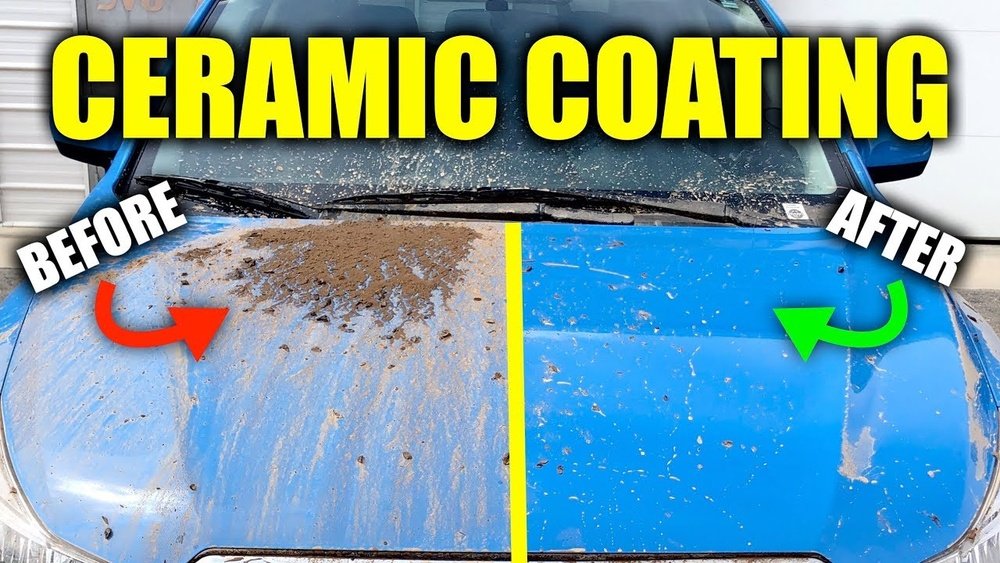
The coating also changes the surface properties of the paint. It makes the surface smoother and more resistant to damage. These changes help keep the vehicle cleaner for longer periods. The coating enhances shine and makes maintenance easier.
Formation Of Protective Layer
Ceramic coating forms a hard, transparent layer on the paint. This layer bonds tightly to the surface at a molecular level. It creates a protective barrier against environmental threats like UV rays and chemicals. The layer is hydrophobic, which means it repels water and prevents stains. It also helps resist minor scratches and swirl marks.
Enhancement Of Surface Properties
The coating improves the paint’s surface by making it smoother and slicker. This smooth surface prevents dirt and grime from sticking easily. It also reduces oxidation, helping the paint keep its original color. The enhanced surface reflects light better, adding a glossy finish. This makes the car look shiny and new for a longer time.
Key Benefits
Ceramic coating adds a strong layer of protection to your vehicle’s surface. It improves durability and keeps your car looking new longer. The benefits go beyond just looks. They help maintain your car’s value and reduce maintenance efforts.
Here are the key benefits that ceramic coating offers.
Scratch Resistance
Ceramic coating creates a hard layer that shields your paint. It helps protect against minor scratches and swirl marks. This layer absorbs light damage from everyday driving. It reduces the risk of visible scratches on your car.
Chemical Protection
This coating protects your car from harmful chemicals. It resists acids, bird droppings, and road salts that can damage paint. The coating stops these substances from sticking to the surface. This keeps your paint cleaner and safer.
Uv Defense
Sunlight causes paint to fade and lose shine over time. Ceramic coating blocks harmful UV rays from reaching the paint. This protection prevents oxidation and fading. Your car’s color stays vibrant for longer.
Glossy Finish
Ceramic coating adds a deep shine to your vehicle. It enhances the paint’s natural gloss and smoothness. The finish looks wet and reflective, making your car stand out. This glossy look lasts much longer than wax.
Ease Of Cleaning
The coating creates a smooth surface that repels dirt and water. Dust and grime do not stick easily. This makes washing your car faster and easier. Less effort is needed to keep your vehicle spotless.
Application Process
The application process of ceramic coating is key to achieving a strong and lasting protective layer. It involves careful preparation and precise steps to ensure the coating bonds well with the vehicle’s surface. This process helps the coating deliver its full benefits.
Surface Preparation
Cleaning the surface is the first step. Remove dirt, grease, and old wax completely. Any residue can stop the coating from sticking properly. Next, polish the paint to remove scratches and swirl marks. This creates a smooth base. Finally, use a special cleaner to remove oils and dust. The surface must be spotless and dry before applying the coating.
Coating Application Steps
Apply the ceramic coating in small sections for better control. Use a soft applicator pad to spread a thin, even layer. Work carefully to avoid streaks or missed spots. Allow the coating to bond with the surface for a few minutes. Then, gently wipe off excess with a microfiber cloth. Repeat the process until the whole vehicle is covered.
Curing Time
The coating needs time to harden and form a strong bond. This curing time can vary but usually lasts 24 to 48 hours. During this period, avoid washing or exposing the vehicle to water. Keep the car in a dry, dust-free environment if possible. Full hardness develops after about a week. Proper curing ensures the coating protects well and lasts longer.

Credit: www.godetail.com
Maintenance Tips
Maintaining a ceramic coating helps keep your vehicle looking fresh and protected. Proper care extends the coating’s life and preserves its glossy finish. Simple routines ensure your car stays clean without harming the coating.
Hand Washing Best Practices
Use a soft microfiber mitt to wash your car gently. Choose a pH-neutral car shampoo to avoid stripping the coating. Rinse thoroughly before washing to remove loose dirt. Wash in straight lines instead of circles to reduce swirl marks. Dry with a clean microfiber towel to prevent water spots.
Avoiding Automatic Wash Damage
Automatic car washes with brushes can scratch the coating. Touchless washes are safer but still not ideal. Skip automatic washes to protect the ceramic layer. Hand washing remains the best option for long-term care. This prevents wear and keeps the finish smooth.
Regular Inspection
Check your car’s surface every few weeks for dirt or damage. Look closely for water spots or stains that may need removal. Catching issues early keeps the coating effective longer. Use a soft cloth to gently wipe off contaminants. Regular checks ensure your coating stays strong and vibrant.
Longevity And Durability
Ceramic coating provides a strong layer of protection on your vehicle’s surface. It improves the paint’s resilience against daily wear and tear. Understanding its longevity and durability helps you know what to expect from this investment. This section covers how long ceramic coatings last, what affects their strength, and how to spot signs of wear.
Expected Lifespan
Most ceramic coatings last between two to five years. Some high-quality coatings can protect your car for up to seven years. Proper care extends the coating’s life. Without maintenance, the protective layer may break down faster. The lifespan varies based on the product type and application method.
Factors Affecting Durability
Environmental conditions play a big role in durability. Harsh weather, UV rays, and road salt can weaken the coating. Regular washing helps remove contaminants that damage the surface. Using harsh chemicals or automatic brushes can reduce the coating’s effectiveness. Proper application and curing time are essential for strong adhesion.
Signs Of Wear
Loss of water beading shows the coating may be fading. Dull or faded paint can indicate the protective layer is wearing off. Surface scratches and swirl marks become more visible over time. If dirt sticks easily and cleaning becomes harder, the coating might need reapplication. Regular inspection helps catch these signs early.
Common Misconceptions
Ceramic coating is often misunderstood. Many believe it offers unlimited protection and fixes all car care problems. These ideas cause confusion and false expectations. Understanding what ceramic coating can and cannot do helps owners make better decisions. Let’s clear up common myths.
Limits Of Scratch Protection
Ceramic coating does not stop all scratches. It adds a hard layer that resists small scratches and swirl marks. Deep scratches from rocks or keys still damage the paint. It protects against minor wear but is not a shield against sharp or heavy impacts.
Uv Protection Clarified
The coating reduces damage from sun rays. It blocks UV light that fades and oxidizes paint. This slows the aging process of car surfaces. It does not stop UV rays completely but offers strong defense compared to no coating. Regular maintenance still matters.
Not A Permanent Solution
Ceramic coating lasts longer than wax but not forever. It wears off over time, usually after a few years. Exposure to weather and washing breaks it down. Reapplication is needed to keep protection strong. It is a durable layer, not a lifetime fix.
Potential Drawbacks
Ceramic coating offers many benefits, but it also has potential drawbacks. Understanding these downsides helps in making a smart choice. Some challenges come with cost, time, and environmental impact. These factors might affect your decision to apply ceramic coating.
High Cost
Ceramic coating can be expensive. The price depends on the quality and brand. Professional application adds to the total cost. This investment may not fit every budget. Some may find cheaper alternatives more suitable.
Time-consuming Application
Applying ceramic coating takes time and patience. The surface must be cleaned and polished first. The coating needs careful, even layers. Each layer requires drying time. Rushing the process can reduce its effectiveness.
Environmental Concerns
Ceramic coatings contain chemicals that may harm the environment. Improper disposal can pollute water and soil. Some products use solvents that release fumes. Choosing eco-friendly options can reduce this risk. Awareness is important for safe use and disposal.
Ceramic Coating For Interiors
Ceramic coating is not just for the outside of vehicles. It also works well on interior surfaces. This coating adds a protective layer that keeps interiors cleaner and fresher for longer. It helps maintain the look and feel of your car’s inside parts.
Benefits On Interior Surfaces
Ceramic coating protects against stains from drinks and food. It repels dust and dirt, making cleaning easier. The coating also reduces fading caused by sunlight. It adds a smooth finish that resists fingerprints and smudges. These benefits keep your interior looking new.
Application Areas
The coating works on many interior parts. It suits dashboards, door panels, and center consoles. Seats made of leather or fabric can also be coated. Even plastic trims and buttons benefit from this protection. Applying ceramic coating creates a shield on these surfaces.
Care Recommendations
Use a soft cloth to clean coated surfaces. Avoid harsh chemicals or abrasive cleaners. Mild soap and water work best for regular cleaning. Dry surfaces gently to keep the coating intact. Proper care helps the coating last longer and stay effective.
Comparing Ceramic Coating To Other Options
Choosing the right protection for your vehicle’s paint is important. Ceramic coating offers strong, long-lasting defense. Other options like wax and sealants also protect but differ in durability and performance. Understanding these differences helps pick the best choice for your needs.
Wax Vs. Ceramic Coating
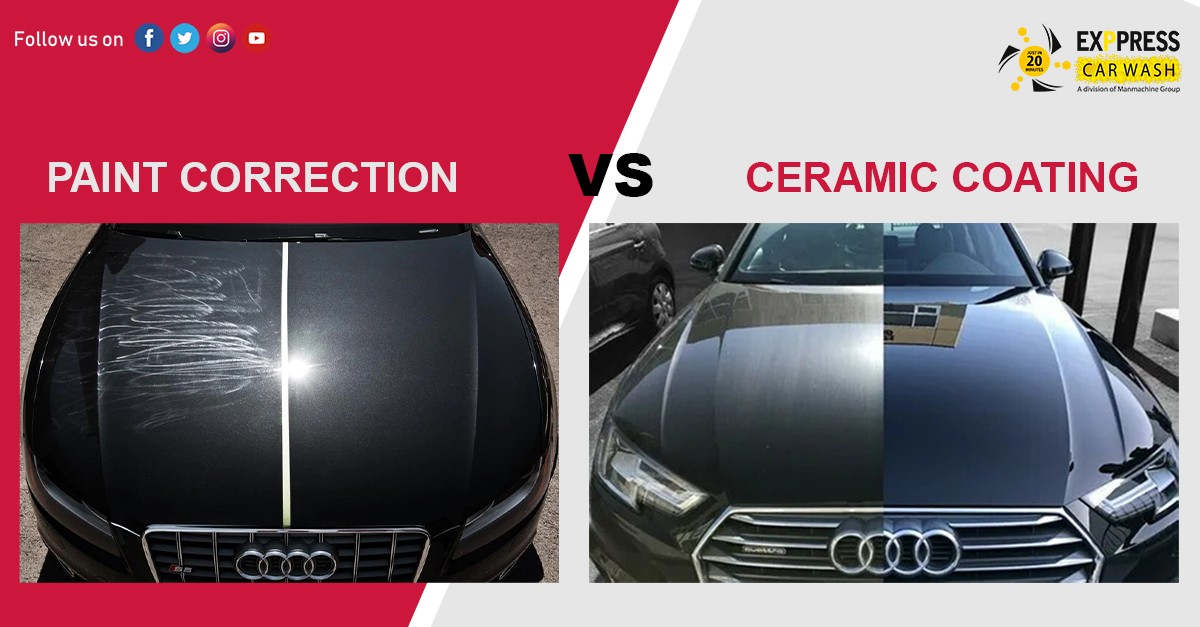
Wax creates a shiny, smooth surface on paint. It protects against water and dirt but lasts only a few weeks. Wax is easy to apply and affordable. Ceramic coating bonds with the paint. It forms a hard, protective layer that lasts years. Ceramic coating resists scratches, UV rays, and chemicals better than wax. Wax needs frequent reapplication. Ceramic coating saves time and effort over the long term.
Sealants Vs. Ceramic Coating
Sealants are synthetic products that offer longer protection than wax. They last a few months and provide good shine and water repellency. Sealants are simpler to apply than ceramic coatings. Ceramic coatings deliver stronger chemical resistance and durability. They also make cleaning easier by repelling dirt and grime. Sealants can be a good middle ground but do not match ceramic coating’s lifespan.
Cost-benefit Analysis
Wax is cheapest but requires frequent application. Sealants cost more but last longer. Ceramic coating has the highest upfront price. It reduces maintenance and protects paint for years. Over time, ceramic coating can save money and effort. It also keeps the car looking new longer. Consider how long you want protection and how much time you can spend on upkeep.

Credit: www.intersportperformance.com
Credit: specialthailande.com
Frequently Asked Questions
Is Ceramic Coating Good For Your Car?
Ceramic coating protects your car from UV rays, chemicals, and minor scratches. It adds a glossy finish and eases cleaning. It also helps preserve your car’s appearance and resale value.
What Are The Downsides To Ceramic Coating?
Ceramic coating can be costly and requires professional application. It offers limited scratch protection and isn’t permanent. Maintenance is essential, and water spots may appear. Automatic car washes can damage the coating, reducing its lifespan.
Can You Go To A Regular Car Wash With Ceramic Coating?
You can use a regular car wash, but avoid brush-based ones to protect ceramic coating. Hand washing is best for longevity.
How Long Does A Ceramic Coating Last?
Ceramic coatings typically last between two to five years. Their durability depends on product quality, environment, and maintenance. Proper care preserves the glossy, protective finish longer. Regular washing and avoiding harsh chemicals extend the coating’s lifespan, keeping your vehicle protected and shiny.
Conclusion
Ceramic coating protects your car’s paint from damage and dirt. It adds a shiny, smooth layer that repels water and dust. This makes cleaning easier and helps keep the car looking new. While it is not a permanent fix, it lasts longer than regular wax.
Applying ceramic coating requires care, but the results are worth it. Overall, ceramic coating offers good protection and enhances your car’s appearance. Consider it if you want to keep your vehicle cleaner and safer from minor scratches.