Have you ever wished you could enjoy fresh air inside your car without worrying about rain or strong winds disrupting your drive? That’s exactly where a car window vent visor comes into play.
This simple yet clever accessory allows you to crack your windows safely, keeping the outside elements at bay while improving your comfort on the road. If you’re curious about what a car window vent visor is, how it works, and why it might be the perfect addition to your vehicle, keep reading.
By the end of this article, you’ll understand why so many drivers in Austin, Texas, and beyond are choosing vent visors to enhance their driving experience.
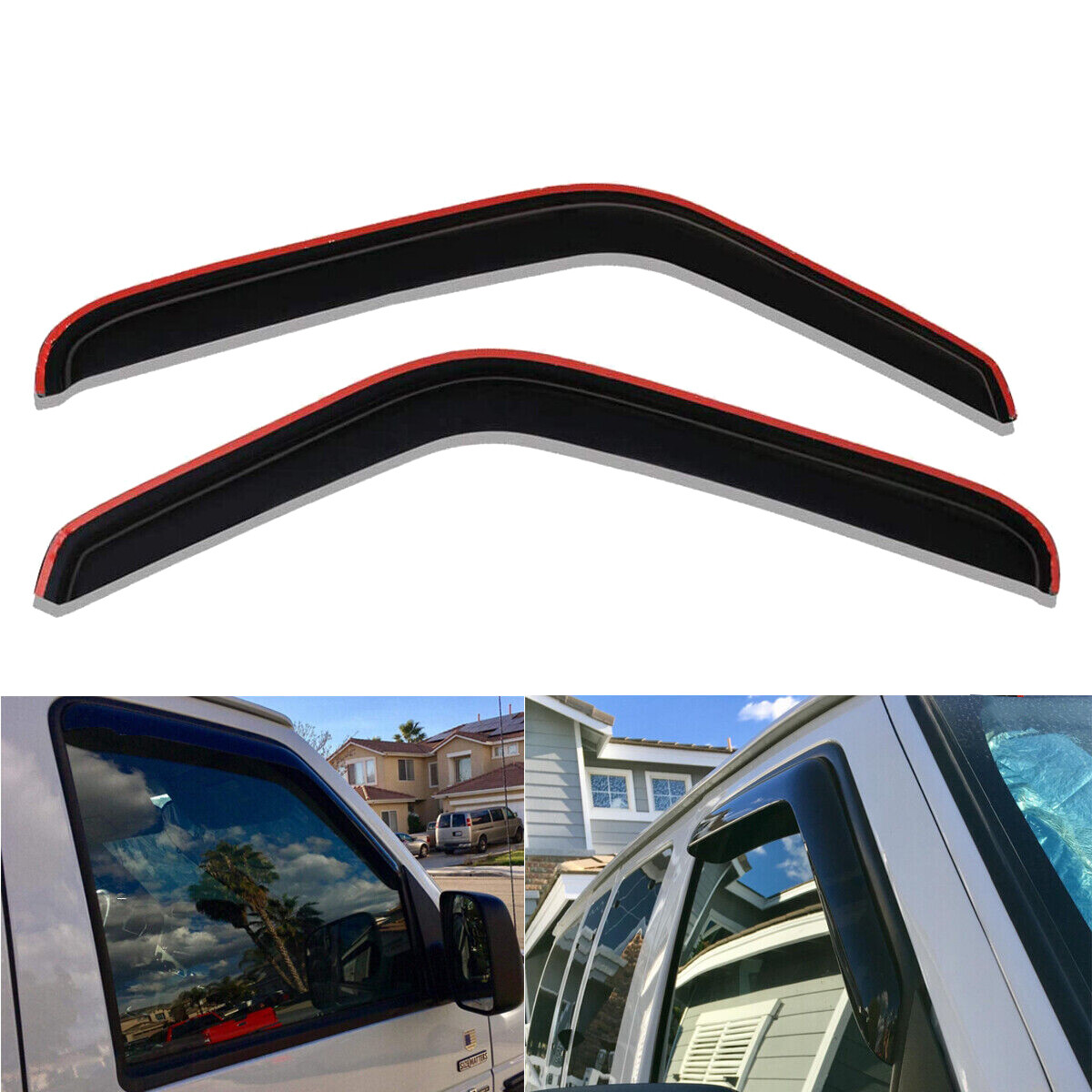
Credit: www.ebay.com
Car Window Vent Visor Basics
Understanding the basics of a car window vent visor helps you see why many drivers choose them. These simple accessories improve air circulation inside the car. They also shield the interior from rain and wind. Vent visors add comfort without opening windows fully. Let’s explore what they look like and how they work.
What It Looks Like
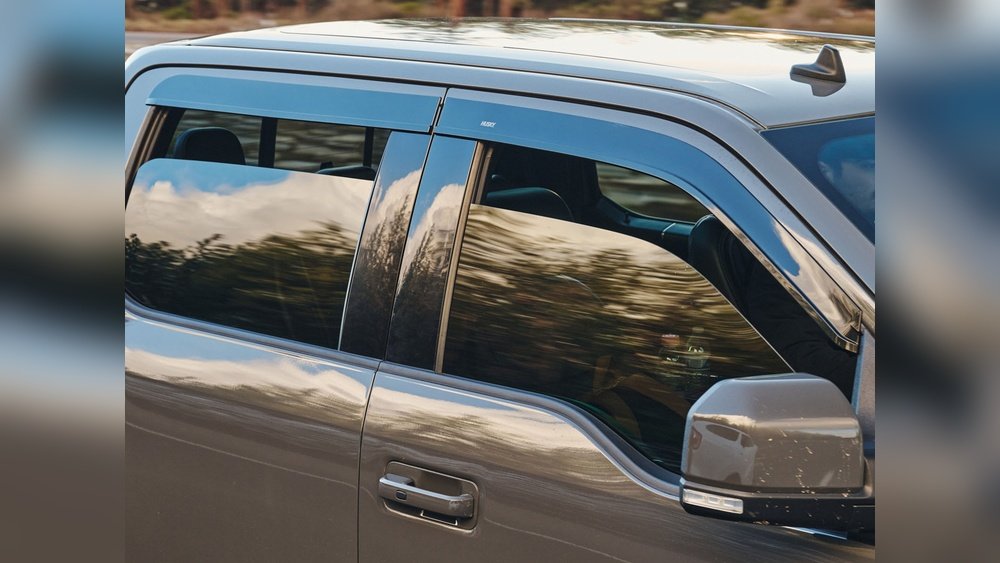
A car window vent visor is a thin, curved piece of plastic or acrylic. It fits along the top edge of your car’s side windows. Usually, it matches the car’s color or is tinted dark. The shape is sleek and low-profile, designed to follow the window’s curve. You can spot them easily on many cars, trucks, and SUVs.
How It Works
The vent visor allows fresh air to enter the vehicle while blocking rain and wind. It creates a small gap at the top of the window. This gap lets air flow inside without opening the window fully. As a result, you get better ventilation. At the same time, water and debris stay outside. This helps keep the car interior dry and fresh.

Credit: www.napaonline.com
Key Benefits
A car window vent visor offers several practical benefits. It improves your driving experience by allowing fresh air inside. It keeps rain and wind out, enhancing comfort. It also helps reduce wind noise and adds a sleek look to your vehicle. Below are some key benefits of using a car window vent visor.
Rain Protection
Vent visors shield your car windows from rain. You can crack the windows slightly without water getting inside. This helps keep the interior dry during wet weather. It also prevents fogging by allowing air to circulate even in rain.
Improved Ventilation
These visors let fresh air enter the vehicle. They help reduce heat build-up inside when parked. Improved airflow keeps the cabin cooler and more comfortable. Vent visors also help remove stale air without fully opening the windows.
Wind Noise Reduction
Vent visors reduce wind noise while driving with windows cracked. They deflect wind away from the window opening. This creates a quieter cabin and less distraction. It also lowers turbulence around the windows for a smooth ride.
Enhanced Style
Vent visors add a stylish touch to any vehicle. They come in different shapes and finishes to match car designs. The sleek look improves the vehicle’s appearance instantly. They also give a more finished and custom look to the car.
Common Terms And Variations
Car window vent visors come with different names and styles. Knowing the common terms helps you find the right product. These accessories improve comfort by allowing fresh air while protecting from rain and wind. Below are the most popular variations and their features.
Rain Guards
Rain guards keep rain out while windows are slightly open. They have a curved shape that directs water away from the window. This lets you enjoy fresh air even during light rain. Many drivers install rain guards for better ventilation without wet seats.
Side Window Deflectors
Side window deflectors are similar to rain guards. They fit along the top edge of car windows. These deflectors reduce wind noise and block strong gusts. They also help keep dust and debris from entering the car. Side window deflectors add a sleek look to vehicles.
Wind Deflectors
Wind deflectors focus on reducing air turbulence inside the car. They improve comfort by lowering wind noise at higher speeds. Wind deflectors also prevent windows from fogging by improving airflow. Many drivers prefer them for long highway drives.
Why Vent Windows Disappeared
Vent windows were once a common feature in cars. They allowed fresh air to flow in without lowering the main window. Over time, these small windows disappeared from modern vehicles. Several key reasons drove this change. Understanding these reasons helps explain why car window vent visors became popular as an alternative.
Aerodynamics And Safety
Car makers aimed to improve aerodynamics. Vent windows created extra drag and noise. Removing them helped cars move more smoothly through air. It also reduced wind noise inside the cabin. Safety rules also played a role. Vent windows could shatter easily in crashes. Their removal improved the car’s structural strength and passenger protection.
Modern Comfort Features
New cars have better air conditioning and ventilation systems. These systems cool and freshen air effectively. Drivers no longer needed vent windows to get airflow. Power windows and sealed cabins increased comfort. These features reduced the need for manual vent windows. Modern designs focus on keeping drivers quiet and comfortable.
Manufacturing Efficiency
Making cars simpler saves time and money. Vent windows require extra parts and complex seals. Removing them reduced manufacturing steps and costs. Fewer parts also meant fewer problems with leaks or drafts. Streamlining designs helped manufacturers produce cars faster. This efficiency benefited both makers and buyers.
Installation Tips
Installing a car window vent visor can improve your driving comfort. Proper installation ensures it fits well and lasts longer. Follow these simple tips to install your vent visor correctly. Avoid common errors that may cause damage or poor fit. Use the right tools and steps for a smooth process.
Diy Installation Steps
Start by cleaning the window frame area thoroughly. Remove any dirt or grease with rubbing alcohol. Let the surface dry completely before proceeding. Peel off the backing from the adhesive tape on the vent visor. Align the visor carefully along the top edge of the window. Press firmly to secure it in place. Repeat for all windows you want to install. Allow the adhesive to set for at least 24 hours before driving.
Tools Needed
Gather a few simple tools before starting. You will need rubbing alcohol or a cleaner, a clean cloth, and a plastic scraper or credit card. These help clean the surface and press the visor firmly. Avoid using sharp tools that may scratch your car’s paint or glass. Having the right tools makes installation easier and safer.
Common Mistakes To Avoid
Do not skip cleaning the window frame well. Dirt and oil reduce the tape’s stickiness. Avoid installing in cold or wet weather. Moisture and low temperature weaken the adhesive bond. Do not rush the alignment; take your time to fit the visor correctly. Applying too much force can crack or bend the visor. Wait before driving to let the tape cure fully.

Credit: www.youtube.com
Insurance And Legal Considerations
Installing car window vent visors may seem simple. Yet, they carry insurance and legal weight. Understanding these aspects can prevent future troubles. This section covers important points to consider.
Insurance companies view vent visors as vehicle modifications. Laws may also regulate vehicle alterations. Knowing how to handle these changes is key for safe driving and coverage.
Why Declare Vent Visors
Vent visors change your car from its factory setup. Insurance firms often require you to report such changes. Declaring them avoids claims being denied later. It helps keep your policy valid and clear.
How To Inform Your Insurer
Contact your insurance provider directly to report vent visors. Provide details such as make, model, and installation date. Some insurers offer online forms or apps for updates. Always keep a copy of your notification.
Potential Impact On Coverage
Adding vent visors might alter your insurance terms. Some policies may increase premiums slightly. Others might exclude certain damages related to modifications. Checking your policy ensures full understanding of coverage limits.
Popular Products And Brands
Car window vent visors come from several trusted brands. These brands offer products that improve airflow and protect against rain. Many drivers choose their vent visors based on quality, design, and price. The following brands are popular for their durable and well-designed vent visors.
Weathertech
WeatherTech is known for high-quality automotive accessories. Their side window deflectors fit many car models with precision. These visors allow fresh air inside while blocking rain and wind. WeatherTech products use strong materials that resist cracks and fading. Installation is easy with no drilling required. Many drivers trust WeatherTech for long-lasting vent visors.
Avs
AVS offers low-profile vent visors that blend well with vehicle windows. Their vent visors reduce wind noise and sun glare effectively. AVS uses durable acrylic material that holds up well against weather. These visors come in various sizes to fit different cars and trucks. Customers appreciate AVS for its balance of quality and affordable price. Installation is usually quick and simple.
Husky Liners
Husky Liners makes vent visors designed for tough conditions. Their low-profile vent visors provide excellent protection from rain and debris. Made from impact-resistant materials, Husky Liners products last for years. These vent visors also improve vehicle aerodynamics slightly. Many drivers pick Husky Liners for their rugged design and fit. They offer free delivery on many items, adding value for buyers.
Frequently Asked Questions
What Are Window Vent Visors For?
Window vent visors allow fresh air inside while blocking rain, wind, and debris. They improve comfort and protect your vehicle’s interior.
Why Did They Stop Putting Vent Windows In Cars?
Automakers stopped using vent windows due to better aerodynamics, improved safety, reduced noise, easier manufacturing, and modern comfort features. Vent windows offered little benefit for today’s drivers, making them obsolete in car designs.
Do I Need To Tell My Insurance About Wind Deflectors?
Yes, inform your insurance about wind deflectors as they count as vehicle modifications. This keeps your policy valid and claims protected. Contact your insurer to confirm their rules and avoid coverage issues.
What Is The Purpose Of A Car Visor?
A car visor blocks sunlight and glare, improving driver visibility and comfort. It also reduces eye strain and enhances safety.
Conclusion
A car window vent visor helps you enjoy fresh air while driving. It blocks rain, wind, and dust from entering your vehicle. Vent visors also reduce wind noise and improve comfort. They fit easily on most cars and add a sleek look.
Installing one is a simple way to protect your windows and stay cool. Consider a vent visor to make your drives more pleasant and safer.